Exercise is often described as medicine for Parkinson’s disease. Unlike most medicine, however, it may involve sneakers, resistance bands, a dance partner, a swimming pool, or occasionally punching an imaginary opponent who has done absolutely nothing to deserve it.
Research consistently supports regular exercise as an important part of Parkinson’s care. Physical activity can improve cardiovascular fitness, strength, walking, flexibility, balance, mood, and the ability to handle everyday tasks. The more difficult question is whether one type of exercise is clearly better than all the others.
The evidence suggests that there is no single championship-winning Parkinson’s workout. Aerobic exercise appears especially valuable for cardiovascular health and overall mobility, while resistance training, balance work, gait practice, tai chi, dance, boxing, and flexibility exercises address different problems. The best program is usually a personalized combination that is challenging, safe, enjoyable, and realistic enough to continue.
Why Exercise Matters in Parkinson’s Disease
Parkinson’s disease affects movement in several ways. A person may experience slowness, stiffness, reduced arm swing, smaller steps, trouble turning, freezing of gait, poor balance, fatigue, or reduced automatic movement. Non-movement symptoms, including sleep problems, constipation, anxiety, depression, and reduced confidence, can also make staying active more difficult.
Exercise does not replace medication, physical therapy, or other medical treatment. It complements them. Regular training gives the body repeated opportunities to practice stronger, larger, faster, and more controlled movements. It also helps protect against ordinary age-related losses in muscle mass, endurance, and bone strengthbecause Parkinson’s does not politely pause the normal aging process.
Current Parkinson’s exercise recommendations emphasize four broad areas: aerobic activity, strength training, stretching, and exercises involving balance, agility, or multitasking. This framework matters because Parkinson’s affects more than one physical system. Training only flexibility, for example, may reduce stiffness but will not fully challenge cardiovascular fitness, leg power, or reactive balance.
Is There One Best Exercise for Parkinson’s?
Probably not. Large reviews have found that many exercise approaches can improve movement-related outcomes and quality of life. However, researchers have not established one universally superior activity for every symptom, disease stage, fitness level, and personal goal.
A major systematic review found benefits across several exercise categories but concluded that the differences between individual exercise types remain uncertain. Studies vary in duration, intensity, supervision, participant characteristics, and the outcomes being measured. Comparing tai chi with treadmill training can be a little like comparing a screwdriver with a flashlight: both are useful, but they solve different problems.
The more useful question is not simply, “Which exercise is best?” It is, “Which exercise is best for this person’s current symptoms, goals, risks, and preferences?” Someone troubled mainly by reduced endurance may need more aerobic training. Someone who struggles with rising from a chair may benefit from progressive resistance work. A person with freezing or turning difficulty may need specialized gait, cueing, and balance practice.
Aerobic Exercise: A Strong Foundation
Aerobic exercise raises the heart rate and challenges the lungs and circulatory system. Examples include brisk walking, stationary cycling, swimming, water aerobics, dancing, rowing, elliptical training, and treadmill walking.
Potential benefits
Aerobic training can improve endurance, walking capacity, energy, cardiovascular health, and the ability to remain active during daily life. It may also support mood, sleep, cognition, and brain health. Research into whether vigorous aerobic exercise can directly slow Parkinson’s progression is ongoing, so it should not be advertised as a proven disease-stopping treatment. Still, it is one of the most strongly recommended components of a complete program.
Moderate-to-vigorous aerobic activity is commonly recommended when medically appropriate. A person exercising at moderate intensity may breathe faster but still speak in short sentences. At vigorous intensity, talking becomes more difficult. Heart-rate targets can be helpful, but medications, autonomic changes, and other health conditions may make perceived exertion a more practical guide.
Which aerobic activity is best?
The best option is usually the one that safely raises the heart rate and can be repeated consistently. Cycling may feel more stable than outdoor walking for someone with balance concerns. Pool exercise may reduce joint stress. A treadmill can provide predictable speed, while an outdoor walk offers changing scenery and real-world navigation practice.
People with freezing, falls, dizziness, heart disease, severe fatigue, or significant mobility limitations should obtain individualized advice before beginning high-intensity training. A seated stepper, recumbent bicycle, or supervised pool session can still provide a serious workout without turning the living room into an obstacle course.
Strength Training: Building Power for Everyday Movement
Resistance exercise includes lifting weights, using machines or resistance bands, performing bodyweight movements, and exercising against water resistance. It is particularly useful because Parkinson’s-related bradykinesia and inactivity can contribute to reduced muscle power.
Why muscle power matters
Everyday activities require strength, but many also require powerthe ability to produce force quickly. Standing from a low chair, climbing stairs, catching balance after a small stumble, and getting out of a car are not slow-motion events. Training the legs, hips, back, chest, arms, and core can make these tasks easier and safer.
Useful exercises may include sit-to-stands, supported squats, step-ups, heel raises, rows, chest presses, hip extension, and carrying appropriately weighted objects. A physical therapist or qualified trainer can modify the range of motion, resistance, position, and speed.
Does strength training improve Parkinson’s symptoms?
Progressive resistance exercise can improve strength, physical function, posture, and movement performance. It may be especially helpful for people who have difficulty standing, climbing stairs, maintaining an upright posture, or recovering from small losses of balance. Physical therapy guidance also recommends progressive resistance work as part of a broader Parkinson’s program.
The goal is not necessarily to become a competitive powerlifter. The goal is to make the grocery bag, bathtub, staircase, and stubborn recliner less intimidating.
Balance, Agility, and Gait Training: Practice for the Real World
Balance exercise is not simply standing on one foot while hoping the furniture remains nearby. Effective Parkinson’s balance training may include stepping in different directions, changing speed, walking around obstacles, turning, reaching, shifting weight, practicing recovery steps, and moving while performing a second task.
Why specialized practice is important
Parkinson’s can interfere with automatic movement. Walking through a doorway, turning in a kitchen, carrying a plate, or talking while moving may become harder than walking in a straight line in a quiet hallway. Training should therefore include situations that resemble daily life while remaining controlled and safe.
A physical therapist may use visual lines, rhythmic counting, a metronome, music, verbal prompts, or deliberate large steps to improve gait. Cueing strategies can be particularly useful for freezing, shuffling, reduced stride length, or difficulty initiating movement. Task-specific training may also target getting out of bed, rising from the floor, entering a car, or navigating a crowded environment.
Safety comes before difficulty
Challenging balance is necessary for improvement, but the challenge must be appropriate. Anyone with frequent falls, freezing, severe postural instability, or cognitive changes should practice under professional supervision. Stable support surfaces, safety harnesses, parallel bars, or caregiver assistance may be needed.
Tai Chi and Yoga: Controlled Movement With Added Benefits
Tai chi combines slow weight shifting, controlled stepping, posture, coordination, and focused attention. Yoga can address flexibility, strength, breathing, body awareness, and balance. Both can be adapted for different abilities, including chair-based practice.
Tai chi has shown benefits for postural stability and functional balance in people with Parkinson’s. Yoga may help flexibility, mobility, balance, mood, and confidence. These activities can be especially appealing to people who prefer focused, lower-impact movement over gym-based training.
A 2025 comparative trial involving tai chi, yoga, strength training, and home exercise found improvements across different outcomes rather than one activity dominating every category. Tai chi and home exercise showed broad motor and walking benefits, while yoga and strength training performed well on certain balance measures. The study also highlighted an important real-world issue: an exercise only works when people can and will continue doing it.
Dance: Rhythm, Coordination, and Social Connection
Dance combines aerobic activity, balance, timing, memory, weight shifting, turning, and coordination. Styles such as tango, ballroom dancing, line dancing, and adapted movement classes have been studied in Parkinson’s populations.
Music provides an external rhythm that may help organize steps. Partner dancing can also provide feedback and social support. Meanwhile, learning sequences challenges attention and memory. In other words, dance asks the brain and body to cooperate while pretending the activity is purely recreational.
Dance may be particularly useful for improving movement confidence, stride length, turning, rhythm, and quality of life. The most appropriate class should allow modifications and instructors should understand Parkinson’s-related balance, freezing, fatigue, and medication fluctuations.
Boxing for Parkinson’s: Useful, but Not Magical
Parkinson’s boxing programs typically use non-contact drills rather than sparring. Sessions may include punching bags, footwork, rapid direction changes, reaction exercises, strength circuits, voice work, and cardiovascular conditioning.
Boxing can challenge coordination, speed, agility, trunk rotation, endurance, and confidence. Group classes may also improve motivation and social connection. However, boxing is not automatically better than cycling, dancing, tai chi, or resistance training. Many boxing programs are actually mixed exercise sessions wearing boxing gloves.
Class quality matters. Participants should be grouped by ability, instructors should understand Parkinson’s, and exercises should be modified for balance problems, osteoporosis, arthritis, heart conditions, and fall risk. Claims that boxing alone reverses or cures Parkinson’s should be treated with the same caution as a treadmill advertised as a time machine.
Flexibility and Mobility Work: Necessary, but Usually Not Enough Alone
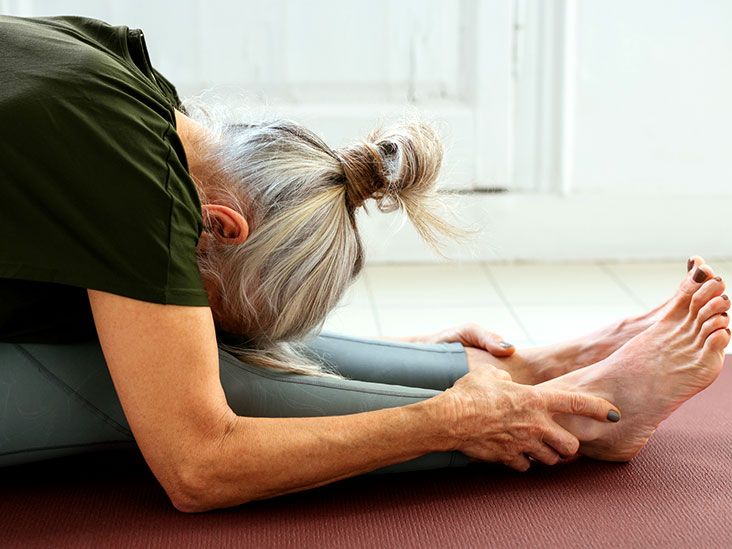
Stretching can address stiffness in the chest, shoulders, hips, calves, hamstrings, and trunk. Mobility work may emphasize spinal rotation, upright posture, shoulder movement, ankle range, and large-amplitude reaching.
Flexibility exercises can make dressing, walking, reaching, turning, and maintaining posture more comfortable. They are often best performed regularly rather than saved for one heroic stretching session on Sunday night.
Stretching alone, however, does not provide all the benefits of aerobic, strength, or balance training. It should usually be one ingredient in the exercise recipe, not the entire meal.
Amplitude-Based and Parkinson’s-Specific Programs
Parkinson’s can make movements gradually smaller without the person fully recognizing the change. Amplitude-based programs train deliberately large movements, such as bigger steps, broader arm swings, stronger reaches, and exaggerated posture.
LSVT BIG is one structured approach delivered by trained professionals. Other Parkinson’s-specific programs use similar principles of intensity, repetition, sensory awareness, and task practice. These interventions may help people recalibrate their perception of what a normal-sized movement feels like. Johns Hopkins describes amplitude, reciprocal movement, gait, balance, strength, and flexibility work as important parts of Parkinson’s-focused physical therapy.
Specialized training is not a substitute for lifelong physical activity. It can provide tools and strategies that are later incorporated into walking, gym sessions, household tasks, and community exercise.
How Much Exercise Should Someone With Parkinson’s Do?
A commonly used goal is approximately 150 minutes of moderate-to-vigorous exercise each week, spread across several days, along with strength, balance, agility, and flexibility work. That target should be individualized. Someone who has been sedentary may begin with five- or ten-minute sessions and gradually increase the duration.
A balanced week might include three aerobic sessions, two resistance workouts, two or three balance or gait sessions, and short periods of mobility work on most days. Activities can overlap. A dance class may train aerobic fitness, balance, coordination, and multitasking at the same time. Circuit training can combine strength and cardiovascular work.
Consistency matters more than assembling a perfect schedule that survives for exactly nine days. Gains can fade when structured programs stop, which is why long-term habits, home options, group support, and enjoyable activities are important.
How to Choose the Right Type of Exercise
Match the activity to the main goal
- For reduced endurance: brisk walking, cycling, swimming, dancing, or another aerobic activity.
- For weakness or difficulty standing: progressive resistance and functional strength training.
- For balance concerns: supervised balance, stepping, tai chi, yoga, or agility work.
- For shuffling or freezing: gait training, cueing, treadmill work, and task-specific physical therapy.
- For stiffness and poor posture: stretching, trunk rotation, mobility drills, yoga, and amplitude training.
- For low motivation: group classes, music-based exercise, walking partners, boxing, or dance.
Consider enjoyment and access
An allegedly perfect program is useless if it is too expensive, too far away, frightening, painful, or unbearably dull. Home-based exercise can be effective when it is structured and performed consistently. Supervised sessions may be more appropriate when safety, technique, or motivation is a concern.
Adjust as Parkinson’s changes
Exercise needs may change as symptoms, medications, balance, cognition, and general health change. Periodic reassessment by a Parkinson’s-experienced physical therapist can help update the program before problems become major limitations.
Important Safety Considerations
People with Parkinson’s may face exercise-related challenges that require planning. These can include freezing, falls, low blood pressure when standing, fatigue, heat intolerance, swallowing concerns, pain, reduced reaction speed, and medication “off” periods.
Many people move more easily during an “on” period when medication is working well. Scheduling demanding sessions during that window may improve comfort and safety. Medication changes should never be made solely to improve a workout without guidance from the prescribing clinician. Physical therapists can help coordinate activity with an individual’s symptom and medication pattern.
Stop exercising and seek appropriate medical help for chest pain, fainting, severe shortness of breath, sudden weakness, a new neurological symptom, or an injury. Persistent dizziness, repeated falls, or a major change in walking should be discussed with the care team.
Before starting a new programespecially vigorous exerciseconsult a physician or neurologist when there is heart disease, uncontrolled blood pressure, recent surgery, significant osteoporosis, frequent falls, or another condition that may affect safety. A physical therapist with neurological or Parkinson’s expertise can identify risks and recommend suitable modifications.
A Practical Experience-Based View: What the First 12 Weeks May Feel Like
The following is a composite, experience-based example rather than the medical story of one specific person. It reflects common challenges people report when trying to turn exercise advice into an actual routine.
During the first week, enthusiasm may be high while the body files a formal complaint. A 20-minute walk that once seemed ordinary may reveal reduced arm swing, short steps, or fatigue. Sit-to-stands may feel surprisingly demanding. Balance drills can expose a strong preference for holding the countertop as though it is the last lifeboat on Earth.
This stage is useful. It establishes a starting point. Instead of trying to conquer Parkinson’s before breakfast, the person learns which movements need attention. Perhaps cycling raises the heart rate comfortably, but turning quickly is difficult. Maybe leg strength is respectable, yet posture collapses after ten minutes of walking. These observations help shape the program.
By weeks two and three, soreness often becomes more manageable and the schedule starts to feel less foreign. The person may discover that exercising during a medication “on” period makes movements smoother. A playlist helps walking rhythm. A sturdy chair makes squats feel safer. A class provides accountability because skipping exercise is harder when someone notices the empty spot.
Progress may not appear as a dramatic transformation. It may show up as standing from the couch without using both hands, taking larger steps through a doorway, or finishing a grocery trip with more energy. These small wins matter because Parkinson’s exercise is largely about preserving and improving function in real life.
Weeks four through six often bring the temptation to do too much. Feeling stronger, the person adds longer walks, heavier weights, an extra class, and perhaps ambitious yard work. Fatigue then arrives wearing muddy boots. A better strategy is gradual progression: increase one variable at a time, such as duration, resistance, speed, or complexity.
Balance training may remain frustrating. Unlike strength exercises, where heavier weights provide obvious proof of progress, improved balance can be subtle. The person may recover from a misstep more quickly, turn with fewer small steps, or feel less nervous in a busy room. A therapist or instructor may notice these changes before the participant does.
By weeks seven through nine, variety becomes important. Repeating the same routine can lead to boredom and may neglect certain skills. The person might keep cycling for aerobic fitness, add resistance bands twice weekly, attend tai chi for balance, and practice deliberate large steps at home. The schedule becomes a menu rather than a punishment.
There may still be bad days. Sleep, stress, medication timing, illness, and Parkinson’s fluctuations can change performance. A difficult session does not erase previous progress. On lower-energy days, the person may choose seated cycling, gentle mobility work, or a shorter walk instead of abandoning movement entirely.
During weeks ten through twelve, exercise often begins to feel less like an optional health project and more like part of Parkinson’s management. The most successful routine is rarely the fanciest. It is the one that fits the person’s home, transportation, finances, symptoms, personality, and support system.
The experience also teaches an important lesson: different exercises create different benefits. Aerobic work improves stamina. Strength training makes stairs and chairs easier. Balance practice increases confidence. Dance or boxing makes exercise more enjoyable. Stretching reduces the feeling of being folded into a human paper clip.
After 12 weeks, reassessment is valuable. The person and care team can review falls, walking, fatigue, pain, confidence, and adherence. Activities that work can be progressed. Activities that feel unsafe or miserable can be replaced. The goal is not to complete a temporary challenge and return to inactivity. It is to build a routine that can evolve over months and years.
Conclusion: The Best Exercise Is a Strategic Combination
Some types of exercise are better than others for particular Parkinson’s symptoms, but no single activity addresses everything. Aerobic exercise is a strong foundation for fitness and endurance. Resistance training supports strength and power. Balance, agility, gait, and cueing exercises target movement challenges that are especially relevant to Parkinson’s. Tai chi, yoga, dance, boxing, aquatic exercise, and amplitude-based programs can add coordination, flexibility, motivation, and variety.
The best Parkinson’s exercise plan is individualized, progressive, and sustainable. It should challenge the person without creating unnecessary risk. It should also be enjoyable enough to repeat, because consistency beats novelty once the novelty is sitting unused in the garage.
Medical note: This article provides general educational information and does not replace individualized medical advice. People with Parkinson’s should discuss major exercise changes with their neurologist, physician, or a physical therapist experienced in Parkinson’s disease.