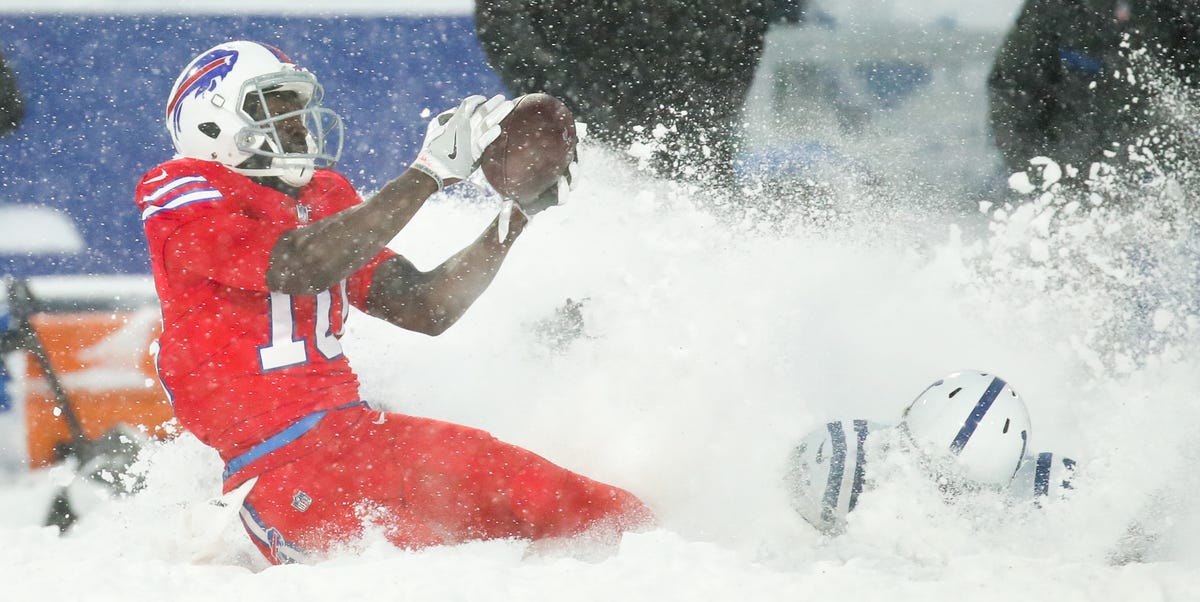
Football already looks dramatic in winter: white breath, red faces, snowflakes swirling under stadium lights, and players acting like they are perfectly comfortable while their fingers quietly file a complaint with management. But beneath all that cinematic cold-weather football is a serious question: what happens when football fields freeze?
The short answer is that a frozen football field can become harder, slicker, less predictable, and more difficult to maintain. The long answer is much more interesting. When moisture in the soil, turf infill, or surface layer freezes, the field changes from a living or engineered sports surface into something closer to a stiff, uneven winter pavement. That affects traction, ball bounce, player speed, injury risk, equipment choices, snow removal, and even whether a game can safely be played.
In other words, the field is not just a green rectangle with yard lines. It is the stage, the shock absorber, the traction system, and occasionally the villain wearing a thin layer of frost.
Why Football Fields Freeze in the First Place
A football field freezes when temperatures drop low enough for water in or on the surface to turn into ice. That water may be in natural soil, sand-based root zones, grass crowns, puddles, synthetic turf infill, drainage layers, or leftover snow that melts during the day and refreezes overnight.
Freeze-thaw cycles are especially tricky. A field may soften in afternoon sun, collect moisture, and then lock up again after sunset. By morning, the surface can feel firm in one spot, slick in another, and oddly spongy somewhere else. That unevenness is what keeps grounds crews awake while everyone else is debating quarterback stats.
Natural Grass Fields
On natural grass, freezing affects both the plant and the soil underneath. The grass blades may become brittle. The root zone can stiffen. Moisture between soil particles turns to ice, reducing the field’s ability to cushion impact. If the grass is dormant, thin, or already beaten up by late-season play, the frozen surface may lose even more resilience.
That does not mean every cold grass field is dangerous. Well-built natural grass fields often use sand-based root zones, drainage systems, field covers, and heating systems to stay playable. But when a natural field truly freezes solid, players may feel it immediately. Falling on it is no longer a normal tumble. It can feel like being tackled by the ground itself.
Synthetic Turf Fields
Synthetic turf does not “die” in freezing weather the way natural grass can suffer winter damage, but it can still change. The fibers may feel stiffer, rubber or sand infill can compact or freeze, and moisture trapped in or on the surface can create icy patches. A synthetic field may look clean and green while hiding a surface that is harder and slicker than expected.
That is why field managers treat synthetic turf as a sports system, not just a carpet. The turf fibers, backing, seams, infill, drainage base, and maintenance routine all matter. Cold weather may not ruin a quality synthetic field overnight, but ice can quickly turn it into a slip-and-slide with shoulder pads.
How a Frozen Field Changes the Game
Football is a sport built on sudden acceleration, sharp cuts, violent stops, and bodies landing from all angles. A frozen field changes the physics of all of that. The game may still look like football, but underneath the cleats, the rules of movement have shifted.
1. The Surface Gets Harder
The biggest change is surface hardness. A normal field absorbs some impact. A frozen field absorbs less. When players land after tackles, dive for catches, or hit the ground after being blocked, their bodies may take more of the force.
Surface hardness also changes confidence. Players can sense when the ground is unforgiving. Running backs may become more cautious. Receivers may round off routes. Defensive backs may hesitate before planting hard. The field becomes part of every decision, even when nobody says it out loud.
2. Traction Becomes Unpredictable
Good traction means players can start, stop, and cut without slipping or getting stuck. Frozen fields can create both problems. On top of ice, cleats may not grip enough. In frozen grass or compacted infill, cleats may grip too aggressively in some spots and slide in others.
That inconsistency is the real troublemaker. A player can adjust to a consistently slick field. A player can adjust to a consistently firm field. But when one step grips and the next step skids, muscles and joints have to react in a hurry. Football players are fast; frozen surfaces are not always polite enough to warn them.
3. Ball Bounce and Roll Get Weird
Frozen fields also affect the football itself. A punt may bounce higher or farther than expected. A fumble may skip instead of settling. A pass that hits the ground can ricochet with more energy. On icy or uneven areas, the ball may act like it has made independent career plans.
This is one reason coaches care deeply about field condition. A frozen field can turn special teams into chaos, make ball security harder, and reward teams that keep things simple. Running north-south suddenly looks less boring and more like wisdom wearing a helmet.
4. Cleat Selection Gets Complicated
Players and equipment managers often adjust cleats based on surface conditions. Longer studs may help on soft grass, while shorter cleats may be better on hard or synthetic surfaces. But a frozen field can be mixed: hard in the middle, slick near the sidelines, chewed up between the hash marks, and icy in shaded areas.
That makes the wrong cleat choice costly. Too little grip leads to slips. Too much grip may make the foot stick while the body keeps moving. Neither option is exactly a spa day for knees, ankles, or hips.
What Frozen Football Fields Mean for Player Safety
Player safety is the central concern when football fields freeze. The issue is not simply that cold weather feels uncomfortable. Football players can handle discomfort. The bigger issue is that a frozen surface may reduce shock absorption, increase inconsistency, and change the relationship between the shoe and the ground.
Research on football surfaces often focuses on two key ideas: surface hardness and shoe-surface traction. Hardness affects how much impact the field absorbs. Traction affects how much the foot grips during movement. A safe field must provide enough grip for performance without creating excessive grip or unpredictable sliding.
That balance matters because football is full of non-contact stress moments: a receiver plants to cut, a linebacker changes direction, a quarterback twists away from pressure, or a defensive end bends around the edge. The tackle may get the replay, but the surface often helps write the script.
Impact Injuries
When the ground freezes, landing can become harsher. A tackle that might normally end in a heavy thud can feel sharper. This is especially important for shoulders, hips, backs, elbows, and heads. Helmets and pads protect players, but they do not turn frozen ground into a mattress.
Lower-Body Stress
Footing changes can stress ankles, knees, and groins. When a player expects the foot to release but it sticks, or expects grip but slides, the body must absorb surprise force. That is why consistent field conditions are so valuable. Predictability is not glamorous, but neither is limping to the sideline.
Fatigue and Cold Weather
Cold weather also affects the athletes themselves. Muscles may feel tighter. Hands may lose feel. Players may warm up, cool down, and warm up again during long stoppages. If the field is frozen too, the total challenge becomes physical and mental. The best cold-weather teams are not only tough; they are prepared.
Why Some NFL Fields Stay Playable in Freezing Weather
Modern stadiums do not simply hope for the best and hand everyone a shovel. Many cold-weather venues use serious engineering to keep football fields from freezing. The most important tool is often an underground heating system.
Undersoil Heating Systems
Undersoil heating systems usually work by running warm fluid through pipes installed below the playing surface. The goal is not to make the field warm like a beach vacation. The goal is to keep the root zone or playing surface from freezing solid, reduce ice bonding, and help the field remain consistent.
Green Bay’s Lambeau Field is the famous example. Although it still carries the legendary “frozen tundra” nickname, modern Lambeau is not simply a block of Wisconsin ice with goalposts. Its heating system helps protect the playing surface by warming the area beneath the turf. The nickname remains because football loves mythology, and because “carefully temperature-regulated tundra” does not sound as good on television.
Field Covers and Tarps
Field covers help protect surfaces from snow, frost, and rapid temperature swings. When bad weather is forecast, crews may cover the field to keep snow from bonding directly to the turf. Tarps can also make removal easier, because crews can clear snow from the cover instead of scraping directly against grass or synthetic fibers.
However, covers are not magic blankets. If moisture gets trapped underneath and temperatures drop, ice can still form. Wind can turn large tarps into giant unruly sails. Handling them safely takes planning, staff, and timing.
Drainage Systems
Good drainage is a quiet hero. If meltwater sits on the surface, it can refreeze into ice. A field that drains quickly is less likely to develop dangerous slick spots. Sand-based root zones, crowned surfaces, subsurface drainage pipes, and properly maintained synthetic turf bases all help move water away.
Think of drainage as the field’s way of saying, “Let’s not turn this into a skating rink by halftime.”
How Grounds Crews Fight Frozen Fields
Grounds crews are the unsung offensive line of winter football. Their job is to keep the field playable while snow, ice, wind, television schedules, team practices, and physics all make unreasonable demands.
Snow Removal Must Be Careful
Removing snow from a football field is not the same as plowing a parking lot. On natural grass, scraping too low can tear turf, expose bare soil, and damage the playing surface. On synthetic turf, aggressive plowing can move infill, damage fibers, pull seams, or void warranties.
That is why field managers often leave a thin protective layer of snow instead of scraping down to the surface. The final layer may be melted by sunlight, field heat, darkening agents, grooming, or careful hand work. It is slower than attacking the field with a metal blade, but it is much cheaper than explaining why the 40-yard line now has a bald spot shaped like a snowplow.
Ice Is Harder Than Snow
Snow can often be blown, pushed, or shoveled. Ice is more stubborn. Ice bonds to fibers, grass crowns, and infill. It can refreeze after melting, especially if water has nowhere to go. On synthetic fields, water can freeze both in the infill and on top of the surface.
Crews may use tarps, warm air, sunlight, grooming, or approved field materials to manage ice. They must also avoid products that could irritate athletes, contaminate infill, harm turfgrass, or damage the environment. The safest-looking shortcut can become the most expensive mistake.
Testing the Field
At higher levels of football, fields are assessed for safety and performance. Leagues and teams may measure firmness, traction, moisture, temperature, and consistency. The goal is to avoid relying only on the classic “walk around and see if it feels terrible” method, though that method still has emotional value.
Field testing matters because two surfaces can look similar on camera but play completely differently. A field may appear green and clear while being too hard, too slick, or inconsistent from one zone to another.
Natural Grass vs. Artificial Turf in Freezing Weather
The debate between natural grass and artificial turf is already spicy enough to season a stadium pretzel. Add freezing weather, and it gets even more complicated.
Natural Grass Advantages
High-quality natural grass can offer excellent cushioning, traction, and player comfort when it is healthy and well maintained. Many players prefer grass because it can feel more forgiving and natural underfoot. With proper drainage, heating, covers, and maintenance, natural grass can perform well even in cold climates.
Natural Grass Challenges
Natural grass is alive, which means it has opinions. It can go dormant, thin out, tear, divot, and suffer winter injury. In freezing conditions, soil can harden, grass can become brittle, and damaged areas may not recover quickly until warmer weather returns.
Synthetic Turf Advantages
Synthetic turf is durable, consistent in appearance, and can handle heavy use from football, soccer, marching bands, concerts, and community events. It does not need sunlight to grow and can recover from snow faster in some situations. In cold climates, that durability is appealing.
Synthetic Turf Challenges
Synthetic turf still requires maintenance. Infill levels, grooming, seam integrity, drainage, and surface hardness all matter. Cold weather may stiffen the system, while ice can create slick or hard areas. A neglected synthetic field is not automatically safer just because it is not made of grass.
Famous Frozen Football Moments
Cold-weather football has produced some of the sport’s most memorable scenes. The “Ice Bowl” between the Green Bay Packers and Dallas Cowboys in 1967 remains legendary because of the brutal cold and the mythic image of football played at the edge of human patience. Modern stadium technology has changed field management, but the romance of winter football remains strong.
Buffalo has also become a symbol of snow football. Highmark Stadium has hosted games where snow removal, fan shovel crews, and lake-effect weather became part of the storyline. Those scenes are fun for viewers, but behind them is a logistical operation involving safety inspections, snow clearing, field protection, and constant weather monitoring.
Kansas City, Chicago, Green Bay, New England, Cleveland, Pittsburgh, and Denver all know that winter football is not just a game-day vibe. It is a facility-management challenge with cleats.
What Happens to Strategy When the Field Freezes?
Frozen fields do not affect every team equally. Coaches adjust play-calling based on footing, wind, temperature, and ball handling. A team built on timing routes and fast cuts may struggle if receivers cannot plant confidently. A power-running team may welcome the chaos, especially if its offensive line can move straight ahead without asking anyone to dance.
Passing Games May Simplify
In freezing conditions, quarterbacks may throw shorter, safer passes. Receivers may avoid overly sharp breaks. Coaches may call more screens, slants, curls, and quick throws instead of deep timing routes that require perfect footing.
Running Games Become Valuable
Running the ball can become more attractive because it reduces the number of moving parts. That does not mean running is easy on a frozen field, but downhill running may be more reliable than asking three receivers to cut at full speed on a suspicious patch of frost.
Special Teams Get Weird
Kickers must manage plant-foot stability. Punters need clean footing. Returners must judge unpredictable bounces. A frozen field can turn a routine punt into a geometry problem nobody studied for.
Can a Game Be Canceled Because the Field Freezes?
Yes, a game can be delayed, moved, or postponed if the field is considered unsafe. At the professional level, this decision involves league officials, stadium operations, field managers, referees, team representatives, weather forecasts, and broadcast realities. At the high school or community level, the decision may fall to athletic directors, coaches, officials, or facility managers.
The key question is not, “Is it cold?” The key question is, “Can athletes play on this surface with reasonable safety?” A snowy field may be playable. A clear field may be unsafe if it is frozen, slick, or uneven. Conditions matter more than appearance.
How to Tell If a Football Field Is Too Frozen to Play
For schools, parks, and local leagues, common warning signs include areas that feel rock-hard, visible ice patches, standing water that is refreezing, poor cleat penetration, uneven frozen ruts, and players slipping during warmups. Another warning sign is inconsistency: one area feels playable while another feels like frozen concrete.
Coaches should resist the temptation to treat toughness as a field-inspection tool. “We played through worse back in my day” is not a safety standard. A field can be cold and playable, or cold and dangerous. The difference deserves more than nostalgia and a whistle.
Experience Notes: What Frozen Football Fields Feel Like in Real Life
Anyone who has practiced or played on a frozen football field remembers the first step. It is not just cold; it is loud. Cleats click against the surface instead of sinking in. The ground gives back almost nothing. During warmups, players jog carefully at first, testing the field the way a person tests a suspicious chair at a family gathering.
The middle of the field often feels different from the edges. Between the hash marks, repeated traffic can compact snow and moisture into a hard layer. Near the sidelines, where players stand, trainers move, and equipment piles up, the surface may become icy from packed snow and repeated melting. Shaded sections can stay frozen long after sunny areas begin to soften. The field becomes a patchwork of little weather zones, all pretending to be one surface.
In youth or high school football, frozen fields create a different kind of challenge. There may be no underground heating system, no professional grounds crew, and no army of workers with specialty equipment. A coach may arrive early with a few assistants, a snow blower, and the optimism of someone who has not yet met the ice under the snow. Parents in the stands see a white field and think it looks beautiful. Players see the same field and wonder whether their cleats will grip or betray them.
One common experience is the strange confidence shift that happens after the first hard fall. Before contact, players may joke about the cold. After someone lands on a frozen patch, the jokes become shorter. Tackling technique changes. Ball carriers keep their pads lower. Receivers become more aware of where they will land. Defensive players may avoid reckless dives unless the play absolutely demands it. The field teaches quickly, and it does not use gentle language.
Ball handling is another memorable part of frozen-field football. The football feels harder in cold air. Hands lose sensitivity. A routine catch can sting. A fumble may skip across the ground instead of stopping, which leads to the classic winter football scene: five players chasing the ball, three sliding past it, and one lucky person falling on it like they discovered buried treasure.
For kickers, the experience can be especially cruel. The plant foot is everything. If that foot slips, the kick is doomed before it begins. If it sticks too hard, the body’s motion feels awkward. Even the approach steps can feel uncertain. Many kickers spend warmups not just practicing kicks but hunting for trustworthy patches of ground, which is probably the least glamorous form of real estate research.
For grounds crews, a frozen field is a race against time. Snow must be removed without damaging the surface. Ice must be managed without creating puddles that refreeze. Tarps must go on and come off at the right moment. Equipment must be chosen carefully. Too light, and the job takes forever. Too heavy, and the field can be damaged. The best crews make it look routine, but winter field preparation is a blend of science, muscle, timing, and controlled panic.
The biggest lesson from frozen football fields is that playable does not mean perfect. Winter football is always a compromise. The goal is not to create a summer surface in January. The goal is to provide a field that is consistent, tested, and safe enough for athletes to perform without the ground becoming the biggest opponent. When that happens, cold-weather football can be wonderful: tough, dramatic, a little chaotic, and full of stories fans remember for years.
Conclusion: Frozen Fields Change Everything Under the Game
When football fields freeze, the game changes from the ground up. Natural grass can harden, synthetic turf can stiffen, moisture can turn into ice, and footing can become unpredictable. That affects player safety, strategy, ball movement, cleat choice, snow removal, and the decision to play or postpone.
The best stadiums and field managers fight freezing with heating systems, drainage, covers, careful snow removal, testing, and constant monitoring. Still, winter football will always carry a little wildness. That is part of its charm. The trick is keeping the drama in the scoreboard, not in the injury report.
So the next time you watch a game in freezing weather and see players sliding, grounds crews hustling, and announcers lovingly saying “frozen tundra,” remember: the field is not just scenery. It is an active part of the game, and when it freezes, every step tells a story.