Most of us have tiny skin roommates and never know it. Very tiny. Microscopic tiny. One of them is Demodex brevis, a mite that naturally lives in human skin. In small numbers, it usually minds its own business. But when it multiplies too much or shows up alongside skin or eyelid inflammation, it can become a real nuisance. Suddenly, your face feels rough, your skin gets red and reactive, or your eyelids start acting like they are starring in their own low-budget drama.
That is where things get interesting. Or annoying. Sometimes both.
This guide explains what Demodex brevis is, what may cause it to become a problem, which symptoms it can trigger, how doctors diagnose it, and which treatments are most likely to help. If you have been wondering whether your “adult acne,” stubborn facial redness, or crusty, irritated eyelids are actually something else, you are in the right place.
What is Demodex brevis?
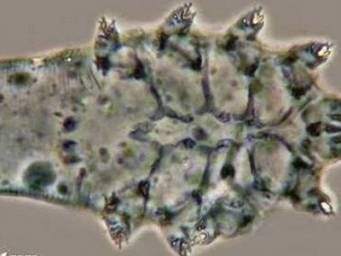
Demodex brevis is one of two main Demodex species found on humans. The other is Demodex folliculorum. While D. folliculorum tends to hang out more in hair follicles, especially around the eyelashes, D. brevis usually lives deeper in sebaceous glands and meibomian glands, where it feeds on sebum, the oily substance your skin naturally produces.
That location matters. Because Demodex brevis sits deeper in oil-producing structures, it is more likely to be linked with gland blockage, inflammation, dry-eye symptoms, and irritation that can be harder to recognize at first. In other words, this mite has a talent for being both tiny and inconvenient.
It is also important to know that finding Demodex on skin does not automatically mean disease. Many healthy adults have these mites with no symptoms at all. Trouble usually starts when the mite density gets high enough to trigger inflammation or when the skin barrier, immune response, or oil glands are already under stress.
Why does Demodex brevis become a problem?
It is usually overgrowth, not mere existence
The key issue is not that Demodex exists. It is that too many mites can irritate the skin and eyelids. Researchers think Demodex-related disease may involve several mechanisms at once: direct mechanical irritation, blockage of follicles or glands, changes in the local skin environment, and inflammatory reactions to mite-related debris or bacteria associated with the mites.
Because D. brevis lives deep in sebaceous and meibomian glands, it may contribute to clogged gland openings and worsening inflammation. That can make facial symptoms feel persistent and eyelid symptoms feel oddly stubborn, especially when they have been mistaken for simple dryness or regular blepharitis.
Common risk factors and triggers
Doctors do not usually blame one single cause. Instead, Demodex brevis overgrowth is more likely when the skin or eyelids are already vulnerable. Factors that may increase the chances of symptoms include:
- Rosacea or rosacea-like skin inflammation
- Blepharitis or meibomian gland dysfunction
- Increasing age, since Demodex prevalence rises over time
- A weakened immune system or immunosuppression
- Oily skin or changes in sebum production
- Heavy cosmetic buildup around the eyes in some people
- Chronic irritation, poor skin barrier function, or untreated inflammatory skin disease
Notice what is not on that list: being “dirty.” Demodex overgrowth is not a moral failing, not a personality flaw, and not proof that your face has given up on civilization. It is a medical issue involving skin ecology, inflammation, and sometimes underlying conditions like rosacea.
Demodex brevis symptoms
The tricky part is that symptoms can overlap with rosacea, acne, seborrheic dermatitis, dry eye, and regular blepharitis. That is one reason Demodex-related problems are sometimes missed.
Skin symptoms
On the face, Demodex brevis may be associated with:
- Persistent redness, especially in the center of the face
- Burning, stinging, or itching
- Rough or sandpapery skin texture
- Dryness and scaling
- Sensitive skin that seems irritated by everything
- Small papules or pustules that resemble acne
- Flare-ups that do not respond well to typical acne products
Some people describe the skin as looking flushed but feeling oddly gritty. Others notice that they keep treating “breakouts,” yet the real problem is irritation and inflammation rather than classic acne.
Eyelid and eye-area symptoms
Because D. brevis can involve the meibomian glands, symptoms around the eyes may include:
- Itchy, irritated eyelids
- Burning or a foreign-body sensation, like something is in the eye
- Dry-eye symptoms that do not fully improve
- Red lid margins
- Crusting or debris around lashes
- Recurrent styes or chalazia
- Blurry vision that comes and goes with tear-film instability
Classic collarettes, the waxy cylindrical debris at the lash base, are especially associated with Demodex blepharitis and are a big diagnostic clue. Even when symptoms seem mild, that clue can point an eye doctor toward the real cause.
How doctors diagnose Demodex brevis
A dermatologist or eye doctor usually starts with the clinical picture: where the symptoms are, how long they have lasted, what treatments have failed, and whether there are signs of rosacea, blepharitis, or meibomian gland dysfunction.
For facial skin symptoms
Diagnosis may involve close examination of the skin, dermoscopy, skin scraping, or a standardized skin surface biopsy. These tests help estimate mite density and support the diagnosis of demodicosis when symptoms fit. In some practices, the diagnosis is also based on the pattern of symptoms plus the patient’s response to anti-mite treatment.
One nuance is worth mentioning: laboratory testing often reports Demodex species broadly, and symptoms do not always neatly separate into “this is definitely D. brevis and not D. folliculorum.” In real life, there can be overlap.
For eyelid symptoms
An ophthalmologist or optometrist may use a slit-lamp exam to look for collarettes, lid margin inflammation, and meibomian gland changes. In some cases, lashes may be sampled to confirm mites. If you have recurring styes, crusty lashes, chronic irritation, or “dry eye” that refuses to behave, this exam can be especially helpful.
Treatments for Demodex brevis
The best treatment depends on where the symptoms are, how severe they are, and whether another condition such as rosacea or blepharitis is also present. The goal is usually not to create a completely mite-free universe. The goal is to reduce the mite load, calm inflammation, restore the skin barrier, and keep flare-ups from staging a comeback tour.
Topical treatments for skin symptoms
Topical ivermectin is one of the better-known options when Demodex is linked with inflammatory facial symptoms, especially rosacea-like eruptions. It can reduce mite burden and inflammation at the same time. That two-for-one effect is one reason dermatologists like it.
Topical metronidazole may also be used, especially when rosacea overlap is suspected. It is more anti-inflammatory than anti-mite, but that still matters because inflammation is a huge part of why the skin feels miserable.
Permethrin, sulfur-based treatments, benzyl benzoate, or other acaricidal approaches may be considered in selected cases, depending on clinician preference, skin tolerance, and how stubborn the symptoms are. Not every treatment is right for every face, and skin that is already irritated can throw a full tantrum if therapy is too harsh.
Oral ivermectin may be prescribed for extensive or difficult cases, though that is generally a physician-directed decision rather than a casual over-the-counter adventure.
Treatments for eyelid involvement
When the eyelids are involved, treatment often starts with lid hygiene. That may include gentle cleansing of the lid margins, warm compresses, and carefully selected eyelid wipes or cleansers. Consistency matters a lot here. Eyelids are not big fans of half-hearted routines.
Tea tree–derived lid products are commonly used in Demodex blepharitis because tea tree components can reduce mites. But this is not permission to pour undiluted tea tree oil near your eyeballs like a wellness pirate. Undiluted tea tree oil can be very irritating, especially around the eyes. Use only products meant for eyelid use or follow a clinician’s instructions.
Lotilaner ophthalmic solution 0.25% (Xdemvy) is FDA-approved for Demodex blepharitis. The labeled regimen is one drop in each eye twice daily, about 12 hours apart, for 6 weeks. This is a major update in eye care because it gives clinicians an on-label prescription option that specifically targets the mites.
Supportive skin care that actually helps
Medical treatment works better when your skin-care routine stops picking fights with your face. Helpful habits may include:
- Using a gentle cleanser instead of harsh scrubs
- Avoiding over-exfoliation
- Choosing non-irritating moisturizers that support the skin barrier
- Removing eye makeup thoroughly but gently
- Cleaning makeup brushes and replacing old eye products
- Washing pillowcases regularly
- Managing rosacea triggers if you have them
For people with facial flushing, heat sensitivity, or rosacea overlap, trigger management can make a real difference. The mites may be part of the problem, but the surrounding inflammation often determines how dramatic the symptoms become.
How long does treatment take?
Improvement usually takes weeks, not one magical Tuesday. Demodex has a short life cycle, but symptoms do not vanish the second mite counts start to drop. Inflamed skin and irritated glands need time to settle down.
Some people notice early improvement in burning, itching, or rough texture within a few weeks. Others need a longer course, especially if the condition has been lingering for months or is mixed with rosacea, blepharitis, or dry-eye disease. Recurrence is possible, so maintenance care is often part of the plan.
What not to do
- Do not assume every red bump is acne.
- Do not over-scrub in an attempt to “clean away” mites.
- Do not use undiluted tea tree oil near the eyes.
- Do not self-treat persistent eyelid inflammation as if it is just allergies forever.
- Do not keep piling on harsh actives if your skin is already burning, peeling, and rebelling.
When treatment goes wrong, it is often because the skin barrier gets damaged by aggressive products. You cannot bully inflamed skin into behaving.
When to see a doctor
Make an appointment if you have facial redness, roughness, or pimple-like bumps that do not improve with standard skin care, or if you have recurring eyelid crusting, styes, dry-eye symptoms, or lash debris. Seek prompt care if eye pain, light sensitivity, worsening vision, or severe swelling is involved. That is the point where self-diagnosis should probably take a coffee break.
Conclusion
Demodex brevis is a normal resident of human skin, but it can become a problem when mite numbers rise or when the skin and eyelids are already inflamed. Because it lives deep in sebaceous and meibomian glands, it may contribute to facial irritation, rosacea-like eruptions, meibomian gland dysfunction, and Demodex-related blepharitis symptoms. The good news is that effective treatment exists. With the right diagnosis, a gentler routine, and targeted therapy such as topical ivermectin, clinician-directed acaricidal treatment, or prescription eyelid therapy when needed, most people can get significant relief. Tiny mite, yes. Tiny problem, not always. Treatable problem? Thankfully, very often.
What the experience can actually feel like
For many people, the experience of Demodex brevis does not begin with a dramatic diagnosis. It begins with confusion. The skin starts feeling weirdly sensitive. A basic cleanser stings. A moisturizer you used to love suddenly feels like it has personal issues with you. Your cheeks stay pink longer than usual, or the area around your nose develops a rough, uneven texture that does not quite look like acne and does not quite act like eczema. It just lingers there, being unhelpful.
Then comes the trial-and-error phase. A lot of people assume they are dealing with breakouts, so they reach for stronger acne products. Unfortunately, that can make things worse. Instead of calming down, the skin becomes drier, angrier, and more reactive. Some people describe it as having a face that feels both oily and flaky at the same time, which is a rude combination if there ever was one. Makeup may sit poorly on the skin, emphasizing rough patches and redness instead of covering them.
If the eyelids are involved, the experience can be even more frustrating. You might wake up with crusting at the lash line, itchy lids, or a sandy sensation in your eyes. Some people keep getting styes and never connect the dots. Others are told they have dry eye, which may be true, but not the whole story. When D. brevis affects the meibomian glands, the eyes may feel tired, irritated, and inconsistent. Vision can blur a little and then clear with blinking, which is enough to be annoying without being obvious.
There is also a social side to it. Persistent redness or lid irritation can make people feel self-conscious, especially when symptoms are visible. A person may look tired, uncomfortable, or “flushed” all the time. That can lead to one of the most common emotional experiences: frustration from not being believed, especially if the problem keeps being brushed off as sensitive skin, stress, or random irritation.
The good part, though, is what often happens after the condition is recognized correctly. Once treatment is aimed at the actual problem, people often notice that the skin stops feeling so constantly inflamed. The burning decreases. The texture softens. The eyelids feel cleaner and less itchy. Recurrent styes may settle down. It is not always an overnight transformation, but it is often a very real one.
Another common experience is learning that consistency beats intensity. The people who do best are usually not the ones using the strongest products. They are the ones who follow a steady routine, protect the skin barrier, keep eyelid hygiene simple and regular, and treat flare-ups early instead of launching a skincare war. That shift can be surprisingly empowering. Once you understand what is happening, the symptoms start to feel less mysterious and much more manageable.
So if this topic sounds familiar, you are not imagining things, and you are definitely not alone. Demodex-related symptoms can be subtle, stubborn, and easy to misread. But with the right diagnosis and treatment plan, the experience often changes from “Why is my face doing this?” to “Okay, finally, this makes sense.” And honestly, that kind of relief deserves its own tiny victory parade.