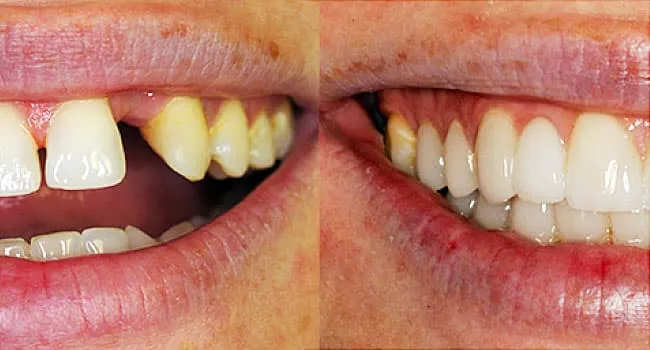
Cosmetic dentistry before-and-after pictures can be irresistible. One photograph shows stained, uneven, or chipped teeth; the next reveals a bright, balanced smile that appears ready for a toothpaste commercial. The transformation may look instant, but the real story usually involves careful diagnosis, treatment planning, several appointments, and a patient who has become surprisingly familiar with the ceiling tiles above a dental chair.
These images can help you understand what modern cosmetic dental procedures may accomplish. However, they should be treated as educational examples rather than promises. Teeth, gums, facial proportions, bite patterns, enamel thickness, and personal goals vary considerably. A treatment that produces an excellent result for one person may be inappropriate for another.
This guide explains how to interpret cosmetic dentistry before-and-after photos, which treatments commonly appear in smile galleries, what realistic results look like, and what questions to ask before changing your smile.
What Cosmetic Dentistry Can Change
Cosmetic dentistry focuses primarily on improving the appearance of teeth and gums, although many procedures can also support dental function. Depending on the patient, treatment may address discoloration, small gaps, chipped edges, irregular tooth shapes, worn enamel, mild crowding, missing teeth, or an uneven gumline.
Common cosmetic dental procedures include professional teeth whitening, dental bonding, porcelain veneers, crowns, clear aligners, tooth contouring, gum reshaping, bridges, and dental implants. The best treatment plan often combines several techniques rather than forcing one procedure to solve every problem.
Most importantly, cosmetic work should begin with a healthy foundation. Active cavities, gum disease, infections, severe enamel erosion, or bite problems may need treatment first. Installing beautiful veneers over unhealthy teeth would be a little like hanging designer curtains in a house with a leaking roof.
How to Read Before-and-After Pictures Correctly
Look for Consistent Lighting and Angles
Lighting can dramatically alter tooth color. A warm light may make teeth appear yellower, while a bright flash can make them look whiter. Reliable comparisons generally use similar lighting, camera settings, magnification, head position, and background color in both photographs.
Notice whether the patient is smiling to the same degree in both images. A wider smile, different lip position, freshly applied lipstick, or a slightly raised camera angle can make the result seem more dramatic. Professional dental photography often includes standardized front, side, retracted, and close-up views so the outcome can be evaluated more objectively. AACD accreditation materials, for example, emphasize multiple standardized images before and after treatment rather than relying on one glamorous snapshot.
Check Whether the Photos Show the Same Teeth
A full-face smile photograph reveals how the teeth relate to the lips and facial features. A retracted close-up, taken with the lips held away, shows tooth shape, gum symmetry, surface texture, and the spaces between teeth more clearly.
Ideally, a gallery should include both views. A distant smiling photo can hide uneven margins or bulky restorations, while an extreme close-up does not show whether the new smile fits the patient’s face.
Watch for Filters and Digital Simulations
Digital smile-design software can be useful for discussing possible changes, but a simulation is not the same as a completed clinical result. Ask whether an image shows an actual patient after treatment, a computer-generated preview, or a stock photograph.
Heavy editing may remove natural shadows, gum texture, tiny variations in tooth color, and other realistic details. Natural-looking cosmetic dentistry is not necessarily refrigerator-white or perfectly symmetrical. Real teeth have translucency, texture, subtle color gradients, and individual character.
Consider When the “After” Photo Was Taken
An immediate after-treatment image may not represent the final result. Gums can appear irritated after veneer placement, bonding, crown preparation, or gum contouring. Whitening results may also stabilize after the teeth rehydrate.
For surgical treatments, such as implants or periodontal procedures, healing may take months. Ask whether the final photograph was taken immediately, several weeks later, or after long-term follow-up.
Common Cosmetic Dentistry Before-and-After Transformations
Professional Teeth Whitening
Whitening photos usually show a change in shade rather than tooth shape or alignment. Professional treatment can lighten many stains associated with aging, coffee, tea, tobacco, and certain foods. However, results depend on the cause and depth of the discoloration.
Whitening agents generally affect natural enamel but do not lighten existing crowns, veneers, bonding, or tooth-colored fillings. Consequently, a patient with visible restorations may end up with uneven shades unless those restorations are replaced after whitening. Temporary sensitivity and gum irritation are also possible.
When reviewing whitening pictures, look for believable improvement. A natural shade that complements the patient’s complexion is often more attractive than an opaque white that looks as though every tooth has been replaced by a tiny bathroom tile.
Dental Bonding
Dental bonding uses tooth-colored composite resin to repair chips, close small gaps, disguise discoloration, or change tooth shape. Before-and-after pictures may show smoother edges, more even lengths, and improved symmetry after a relatively conservative procedure.
Bonding is often completed in one visit and usually requires less tooth alteration than porcelain veneers. In many cases, it can also be repaired or modified. Nevertheless, composite resin can stain, chip, or lose its polish over time, especially in patients who bite their nails, chew ice, or grind their teeth.
A good bonding result should blend with nearby teeth without looking excessively thick. Check the side views when available; a front-only photograph may conceal overcontoured material.
Porcelain and Composite Veneers
Veneers are thin shells placed over the front surfaces of teeth. They may improve the appearance of staining, minor cracks, small gaps, worn edges, irregular shapes, and certain alignment concerns. Porcelain veneers are typically strong, stain-resistant, and highly customizable. Composite veneers may require fewer visits and can be easier to repair, but they are generally less resistant to staining and wear.
Veneer photos often create the most dramatic smile-makeover effect because several aspects of the teeth can change simultaneously. Examine whether the new teeth match the patient’s face and whether individual teeth retain slight variations in shape. A smile in which every tooth is identical can look more like a keyboard than a natural dental result.
Depending on the veneer type and clinical situation, some enamel may need to be removed. This can make treatment irreversible. Patients should also understand that veneers may eventually need repair or replacement.
Dental Crowns
A crown covers most or all of the visible portion of a tooth. Crowns may be recommended for teeth that are significantly damaged, weakened, heavily restored, misshapen, or discolored. They can improve appearance while restoring strength and function.
In before-and-after pictures, crowns may resemble veneers, but the preparation and indications are different. Crowns generally require more tooth reduction, so healthy teeth should not automatically receive crowns simply because a patient wants a different color.
Look closely at the gum margins and the transition between the crown and natural tooth. A high-quality restoration should have an appropriate shape, support healthy gum tissue, fit the bite, and harmonize with neighboring teeth. Long-term success also depends on brushing, cleaning between teeth, professional maintenance, and controlling habits such as grinding.
Clear Aligners and Orthodontic Treatment
Clear aligner before-and-after pictures may show straighter teeth, reduced crowding, closed gaps, and an improved bite. Unlike veneers or bonding, orthodontic treatment moves the patient’s natural teeth instead of covering them.
Aligners are removable, but they must be worn consistently according to the orthodontist’s instructions. They may not be the best choice for every complicated tooth movement or jaw relationship. Orthodontic planning commonly involves photographs, X-rays, examinations, and digital scans, with the goal of improving the entire bite rather than simply straightening the six teeth visible in a selfie.
After treatment, retainers are essential because teeth can shift. A beautiful after photo taken on the day aligners are completed does not show what happens five years later if the retainer spends its life forgotten in a bathroom drawer.
Gum Contouring and Crown Lengthening
Some smile concerns involve the gums rather than the teeth. Excess gum tissue can make teeth appear short or create a “gummy” smile. An uneven gumline can also make otherwise straight teeth look asymmetrical.
Periodontal cosmetic procedures may remove or reshape gum tissue to expose more of the natural tooth crown. Before-and-after photos should be evaluated after adequate healing, when swelling has subsided and the gum margins have stabilized.
Gum reshaping is not merely digital landscaping. The dentist or periodontist must consider the underlying bone, tooth roots, tissue attachment, smile line, and long-term periodontal health.
Dental Implants and Missing-Tooth Replacement
Dental implants replace missing tooth roots and support crowns, bridges, or dentures. Before-and-after pictures may show a single missing front tooth restored or a larger rehabilitation involving several teeth.
An implant result should be judged on more than the visible crown. Healthy gums, sufficient supporting bone, comfortable chewing, stable function, and proper cleaning access are equally important. Candidates generally need an appropriate health evaluation, healthy oral tissues, adequate bone, and a commitment to oral hygiene and regular professional care.
Implant treatment may involve extraction, bone grafting, implant placement, healing, and final restoration. The dramatic two-picture transformation can compress many months of treatment into a swipe that takes less than one second.
Red Flags in Cosmetic Dental Photo Galleries
A polished gallery can be helpful, but approach it carefully when:
- Only one camera angle is provided.
- The before image is dark and blurry while the after image is brightly lit.
- Every patient appears to receive the same tooth shape and shade.
- It is unclear whether the images show real patients.
- The photographs appear heavily filtered or digitally altered.
- No limitations, maintenance requirements, or possible complications are discussed.
- The practice guarantees that your result will look identical to someone else’s.
- The gallery shows dramatic cosmetic work but says nothing about gum health or bite function.
Before-and-after pictures should begin a conversation, not replace an examination. Ethical cosmetic planning balances appearance with the preservation of tooth structure, periodontal health, comfort, and function. The AACD describes responsible patient care and high ethical standards as central to cosmetic dentistry.
Questions to Ask During a Cosmetic Dentistry Consultation
Bring several examples of smiles you like, but explain what specifically appeals to you. Perhaps you prefer softer tooth corners, less visible gum tissue, a closed gap, or a natural off-white shade. “Make me look like this celebrity” is less useful because facial structure and dental anatomy cannot be copied and pasted.
Useful questions include:
- Are these before-and-after pictures of patients you personally treated?
- Which treatments were used in each case?
- What result is realistic for my teeth and gums?
- Are there conservative alternatives that remove less enamel?
- Will whitening affect my existing fillings, crowns, or veneers?
- How will treatment affect my bite and ability to clean my teeth?
- What temporary side effects or long-term complications are possible?
- How long is the expected treatment and healing period?
- What maintenance, repairs, retainers, or replacement procedures may be needed?
- Can I review a diagnostic wax-up, mock-up, or digital preview?
Digital scans and dental impressions can help clinicians plan crowns, veneers, aligners, and other custom restorations. A temporary mock-up may allow the patient to preview approximate proportions before committing to permanent treatment.
What Realistic Cosmetic Dentistry Results Look Like
A successful cosmetic result should fit the whole person. The tooth color should complement the skin tone, the tooth lengths should work with the lips, and the gumline should appear balanced without looking artificial.
Perfection is not always the best objective. Small variations in translucency, surface texture, shape, and alignment often make a smile appear more natural. A strong result should also allow the patient to speak, chew, brush, and floss comfortably.
Healthy oral tissues remain essential after treatment. Plaque can accumulate around natural teeth, crowns, veneers, bridges, and implants, contributing to inflammation, decay, or periodontal problems. Daily brushing with fluoride toothpaste, cleaning between teeth, regular examinations, and professional cleanings help protect both natural tooth structure and dental restorations.
Experience-Based Perspective: What the Smile-Makeover Process Often Feels Like
The following composite scenario reflects commonly reported stages of cosmetic dental treatment. It is not the story of one identifiable patient and should not be interpreted as a guaranteed outcome.
Many patients begin with a surprisingly vague request: “I just want my smile to look better.” During the first consultation, they may point to discoloration, one chipped front tooth, or a gap they have disliked for years. After photographs and a full examination, the conversation often becomes more detailed. What initially seemed like a whitening problem may also involve worn edges, old fillings, gum inflammation, or tooth positions that affect the bite.
The photography stage can feel awkward. The dentist may take full-face images, close-ups, side views, and photographs with cheek retractors. Nobody expects their mouth to have such an extensive modeling portfolio. Yet these pictures allow the dentist to study symmetry, gum levels, tooth proportions, and color more carefully than a quick look in the mirror permits.
Patients sometimes arrive convinced that they need ten porcelain veneers because an online transformation looked spectacular. A conservative dentist may recommend a cleaning, whitening, limited orthodontic movement, and bonding on only one or two teeth. This can initially sound less exciting, but preserving healthy enamel may be more valuable than maximizing the number of procedures.
When a mock-up is used, the patient can often preview a proposed tooth shape directly in the mouth. This is where preferences become unexpectedly specific. A patient who thought “white and straight” was enough may discover that certain teeth feel too long, too square, or too prominent. Temporary previews make these conversations easier before permanent restorations are fabricated.
Whitening patients commonly notice sensitivity that feels like brief electric “zings,” particularly during the first day or two. Bonding patients may initially feel that a repaired tooth is slightly unfamiliar to the tongue. Veneer or crown patients may wear provisional restorations while the final ceramic work is prepared. Temporary restorations may not have the polish, strength, or precise appearance of the final version, so judging the entire outcome at that stage can be premature.
The day of final placement is exciting, but it is not always the emotional movie scene people expect. The lips may feel tired from being open, the gums can be mildly irritated, and local anesthetic may temporarily turn a confident smile into a lopsided impression of a confused pirate. Patients often appreciate the appearance more fully after the numbness fades and the tissues settle.
Adjustments are sometimes required. A restoration may look attractive yet feel slightly high when the patient bites. The dentist can check contact points and make careful corrections. Patients should report persistent discomfort rather than assuming that beauty requires chewing like a cautious rabbit forever.
The most important experience begins after the after photo is taken. Coffee, tea, smoking, grinding, nail biting, inconsistent retainer use, and poor oral hygiene can affect the durability of the result. A night guard may be recommended for someone who clenches or grinds. Bonding may need repolishing or repair, whitening may require occasional touch-ups, and ceramic restorations still depend on healthy gums and careful cleaning.
Many satisfied patients describe the biggest change as behavioral rather than purely physical. They stop covering their mouths in photographs, smile more freely during conversations, or feel less distracted by a tooth they previously noticed every day. However, emotional expectations should remain realistic. Cosmetic dentistry may improve a smile, but it cannot guarantee a new career, repair relationships, or cause strangers to applaud when the patient enters a grocery store.
The best experiences tend to involve shared decision-making. The patient communicates priorities, the dentist explains limitations, and both agree on a plan that protects oral health. In that setting, before-and-after pictures become useful visual references rather than sales posters.
Conclusion
Cosmetic dentistry before-and-after pictures can demonstrate the possibilities of whitening, bonding, veneers, crowns, aligners, gum contouring, and dental implants. They are most useful when the lighting, angle, timing, and treatment details are consistent and transparent.
Do not judge a result by whiteness alone. Look at tooth proportions, gum health, facial harmony, surface texture, bite function, and whether the smile still looks like it belongs to the patient. Ask who performed the treatment, whether the pictures represent actual outcomes, how much natural tooth structure was altered, and what maintenance will be required.
A beautiful smile makeover is not created by choosing the brightest image in a gallery. It begins with a comprehensive dental evaluation, realistic expectations, thoughtful planning, and a treatment approach that values health as much as appearance.