There are two kinds of people in this world: people who love lemon bars, and people who have not yet met a really good lemon bar. A great lemon bars recipe should hit that magical sweet spot between buttery and bright, soft and sliceable, tangy and sweet. It should taste like sunshine with structure. It should also not require a culinary degree, three whisks, and a minor emotional breakdown.
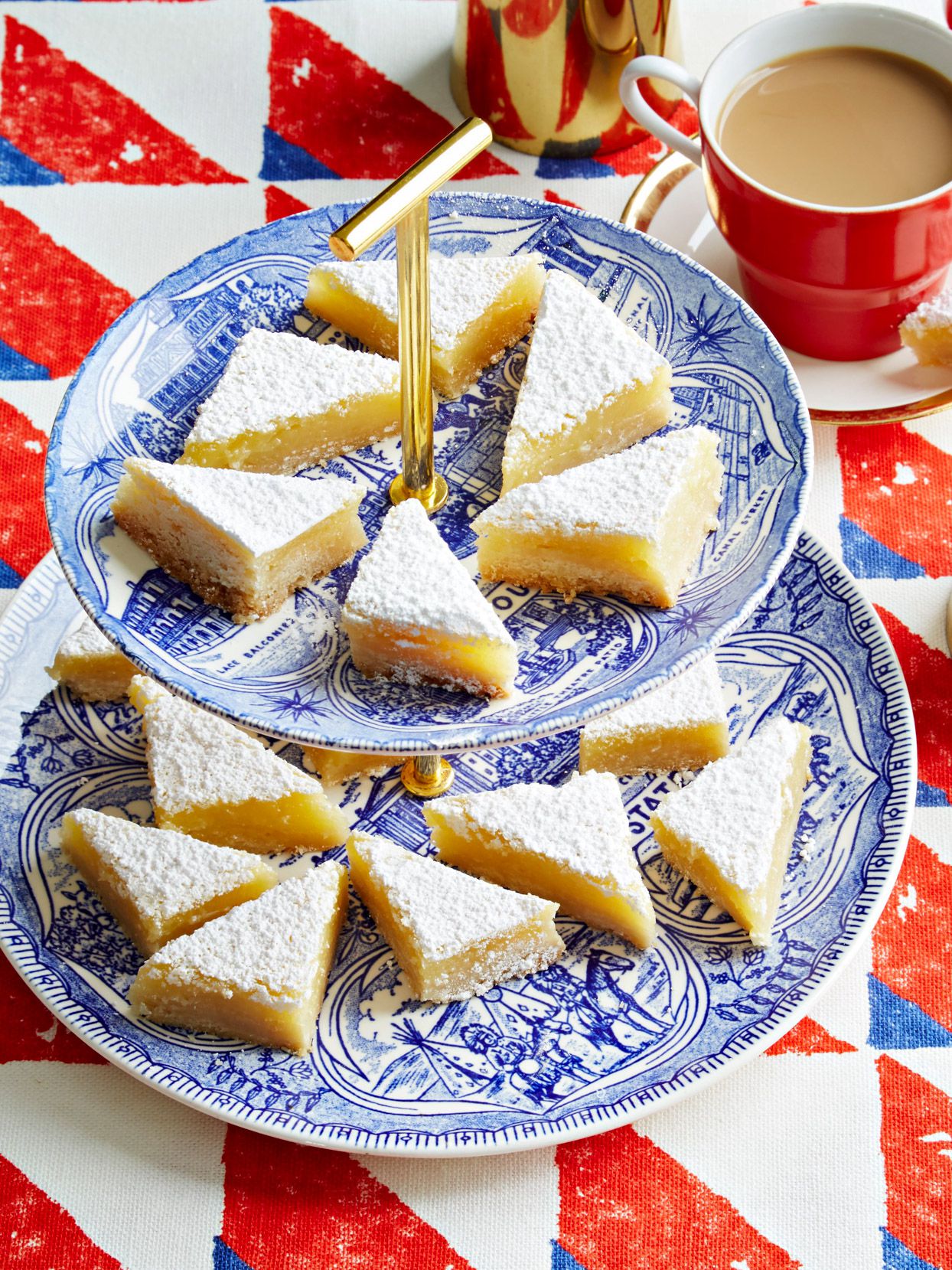
This version keeps things classic: a tender shortbread crust, a glossy lemon filling, and a snowy layer of powdered sugar that makes the whole pan look like it dressed up for a party. Whether you call them lemon bars or lemon squares, this dessert is one of the easiest ways to make a crowd happy with citrus. It is portable, pretty, and just dramatic enough to make people ask for the recipe while chewing.
If you are after an easy lemon bars recipe with fresh lemon flavor, clean slices, and that irresistible sweet-tart bite, you are in the right kitchen.
Why This Lemon Bars Recipe Works
The beauty of lemon bars is contrast. The crust is rich, crumbly, and buttery, while the filling is smooth, zippy, and just soft enough to melt on your tongue. That contrast is what keeps lemon bars from tasting flat or overly sugary. The tartness wakes everything up.
This recipe works because it leans into the essentials instead of trying to reinvent dessert with fourteen trendy ingredients and a backstory. The crust is pressed into the pan and baked first so it stays sturdy under the filling. The lemon layer uses fresh juice and zest for a more vibrant citrus flavor. A little flour in the filling helps it set without turning it rubbery. Then the whole thing is baked until the center is just set, cooled completely, and chilled before slicing. In other words: no soup, no collapse, no lemon tragedy.
Recipe Snapshot
Yield: 16 bars
Prep time: 20 minutes
Bake time: 40 to 45 minutes total
Chill time: 2 hours recommended
Pan: 8-by-8-inch baking pan
Ingredients
For the Shortbread Crust
- 1 cup all-purpose flour
- 1/4 cup powdered sugar
- 1/4 teaspoon fine salt
- 1/2 cup unsalted butter, softened
For the Lemon Filling
- 1 cup granulated sugar
- 2 tablespoons all-purpose flour
- 3 large eggs
- 2 teaspoons finely grated lemon zest
- 1/2 cup fresh lemon juice
- Pinch of salt
For Finishing
- Powdered sugar, for dusting
How to Make Lemon Bars
1. Prep the Pan Like You Mean It
Preheat your oven to 350°F. Line an 8-by-8-inch pan with parchment paper, leaving a little overhang on two sides so you can lift the bars out later. This tiny step saves you from the ancient and frustrating ritual known as “digging dessert out with a spoon because it welded itself to the pan.”
2. Make the Crust
In a medium bowl, combine the flour, powdered sugar, and salt. Add the softened butter and mix until the dough looks crumbly but holds together when pressed. Press the mixture evenly into the prepared pan.
Bake for 18 to 22 minutes, or until the edges are lightly golden. You want the crust set and just beginning to color, not dark brown and plotting revenge.
3. Whisk the Filling
While the crust bakes, make the filling. In a bowl, whisk together the granulated sugar and flour. Add the eggs, lemon zest, lemon juice, and pinch of salt. Whisk until smooth and fully combined.
Do not beat the filling like you are trying to train for an upper-body competition. Gentle whisking is the move. Too much air can create bubbles or a weird top layer instead of that smooth, satiny finish lemon bars are famous for.
4. Bake the Bars
Pour the filling over the hot crust as soon as it comes out of the oven. Return the pan to the oven and bake for 20 to 25 minutes, or until the filling is set around the edges and the center has only a slight wobble.
If the whole pan jiggles like a kiddie pool, it needs more time. If the center barely shivers, you are golden. Literally.
5. Cool, Chill, and Slice
Let the bars cool completely at room temperature, then refrigerate for at least 2 hours. This chilling step is what turns “delicious but messy” into “bakery-style neat squares.”
Once chilled, lift the bars out using the parchment overhang. Use a sharp knife to cut into squares, wiping the blade between cuts for cleaner edges. Dust with powdered sugar right before serving.
What Lemon Bars Should Taste Like
A proper homemade lemon bar should open with bright citrus and close with buttery sweetness. The filling should be tender but not runny, tart but not aggressive, and the crust should be sturdy enough to hold the filling without tasting dry. The finish should feel fresh, not cloying. Basically, one bite should make you think, “I will take another,” and the second bite should make you think, “I should probably pretend to share.”
Best Tips for Perfect Lemon Bars
Use Fresh Lemon Juice
This is the hill I am willing to die on. Fresh lemon juice gives the filling a cleaner, brighter flavor than bottled juice. Since lemon bars depend on citrus as the headline act, this is not the place for shortcuts that taste like they came from a plastic bottle with trust issues.
Zest Before You Juice
It sounds obvious until you forget and end up trying to zest a slippery, squeezed lemon half like a person in a cooking blooper reel. Zest first. Your future self will thank you.
Do Not Skip the Prebake
A prebaked crust helps prevent sogginess and gives the bars that signature two-layer structure. Pouring filling onto raw dough is how you get lemon bar confusion instead of lemon bar success.
Cool Before Dusting
If you dust powdered sugar over warm bars, it will melt into the top and disappear faster than your self-control around dessert. Wait until the bars are cool or chilled for that pretty white finish.
Chill Before Cutting
Warm lemon bars taste good, but cutting them warm leads to edges that look like they lost a bar fight. Chill first for cleaner, sharper slices.
Common Lemon Bar Mistakes
Using too little lemon: If you want a dessert bar that tastes lively, you need enough juice and zest. Lemon bars should not whisper lemon. They should introduce themselves confidently.
Overbaking the filling: A slightly soft center is fine when the bars come out of the oven. They continue to set as they cool. Overbake them and the filling can become firm, dull, or slightly rubbery.
Underbaking the crust: A pale, underdone crust can soften too much under the lemon layer. You want a little color before the filling goes in.
Skipping parchment: You can grease the pan, but parchment makes removal easier and saves your corners from destruction. And yes, people do notice good corners.
Fun Variations on a Classic Lemon Bars Recipe
Once you master the classic version, lemon bars become a delightful playground for dessert experimentation.
Meyer Lemon Bars
Meyer lemons are sweeter and a little more floral than standard lemons, so the bars taste softer and less sharp. They are lovely when you want something extra sunny and a little less puckery.
Extra-Tart Lemon Bars
Use a little more zest or reduce the sugar slightly if you want the citrus to punch harder. This version is for the people who think dessert should flirt with sour.
Brown Butter Crust
Brown the butter for the crust if you want a toastier, nuttier base. It adds a richer flavor that pairs beautifully with the high note of lemon.
Lemon Bars with Berries
Serve lemon bars with fresh raspberries, strawberries, or blueberries for color and contrast. It is a low-effort move with high “I have my life together” energy.
How to Store Lemon Bars
Because the filling contains eggs, lemon bars are best stored in the refrigerator. Place them in an airtight container once fully cooled. If you need to stack them, put parchment paper between layers so the tops stay neat.
For best texture, enjoy them within a few days. You can also freeze them if needed; wrap them well and add powdered sugar only after thawing. That way the sugar stays fluffy instead of turning into a weird damp memory.
How to Serve Lemon Bars
Lemon bars are ideal for spring brunches, baby showers, bake sales, holiday dessert trays, and random Tuesday afternoons when life feels aggressively ordinary. Serve them chilled for the cleanest texture, or let them sit out for a few minutes if you prefer a softer bite.
They pair beautifully with coffee, hot tea, iced tea, berries, and whipped cream. They also pair nicely with people who say, “I usually do not even like lemon desserts,” right before eating three of them.
Frequently Asked Questions
Why did my lemon bars crack?
Usually because they were baked a little too long or cooled too quickly. The good news is powdered sugar covers many sins.
Why is my filling runny?
The most common reasons are underbaking or cutting before the bars are fully cooled and chilled. Lemon bars need patience. Annoying, yes. Effective, also yes.
Can I double this recipe?
Absolutely. Double the ingredients and bake in a 9-by-13-inch pan. You may need a few extra minutes of baking time, so look for a set center with a slight wobble.
Can I make lemon bars ahead?
Yes. In fact, they are often better after chilling because the filling firms up and the flavors settle in. Just save the powdered sugar for the last minute.
Final Thoughts
A classic lemon bars recipe never really goes out of style. It is simple, bright, nostalgic, and reliably impressive without being fussy. This is one of those desserts that feels both retro and timeless, like handwritten recipe cards or someone who still owns a good pie server.
If you want an easy citrus dessert with serious payoff, lemon bars are a smart place to start. They look elegant, travel well, and taste like your kitchen suddenly became more cheerful. And really, that is not a bad return on a few lemons, some butter, and a little patience.
Kitchen Experiences: What Making Lemon Bars Teaches You
The funny thing about making lemon bars is that they seem almost too simple the first time you try them. You read the ingredient list and think, “That is it?” Flour, butter, sugar, eggs, lemons. Nothing fancy, nothing rare, nothing with a name you have to pronounce carefully in front of other people. But after making them a few times, you realize this dessert quietly teaches you a lot about baking.
For one thing, lemon bars teach restraint. The filling comes together quickly, and it is tempting to overmix because you want it perfectly smooth. But the best batches usually happen when you whisk just enough and then stop. They also teach timing. Pull the crust too early, and it can go soft. Leave the filling in too long, and it loses that silky texture. Lemon bars are not difficult, but they do reward attention, which is probably why they feel so satisfying when they turn out well.
They also teach humility. Almost everyone who bakes lemon bars more than once has had one batch that refused to cut neatly. Maybe the center was a little too loose. Maybe the powdered sugar vanished into the top like it paid rent there. Maybe someone got impatient and sliced them while they were still warm, which is the dessert equivalent of assembling furniture before reading the instructions. And yet, even those messy pans usually taste fantastic. Lemon bars are forgiving in the best possible way: they may not always look magazine-perfect, but they are still wildly lovable.
Another thing you notice over time is how much lemons themselves can vary. Some are intensely tart, some are milder, some give you tons of juice, and some behave like they are guarding national secrets. That means each batch has a tiny bit of personality. Once you get used to making lemon bars, you start adjusting instinctively. A very tart batch of lemons might call for a softer hand with zest. A mild batch might need an extra squeeze of juice or a little more peel to wake everything up. It becomes less about following a recipe like a robot and more about cooking like a person.
Lemon bars also have a social superpower. Brownies are beloved, cookies are expected, but lemon bars always feel a little surprising. Bring them to a picnic or potluck and someone will inevitably say, “Oh wow, I have not had these in forever,” and then return for another square. They have nostalgia built in. They remind people of church suppers, spring holidays, baby showers, office parties, and dessert trays where one bright yellow square somehow vanished before anything else.
And maybe that is the best experience of all: lemon bars feel cheerful. They are not a dark, moody dessert. They are not trying to be dramatic. They are bright, zesty, and impossible to ignore on a table full of beige baked goods. When you make them, the kitchen smells fresh. When you serve them, the plate looks lively. When people eat them, their faces usually do that little sweet-sour blink that says the citrus hit exactly right. It is a small kitchen joy, but a real one. And honestly, any recipe that can do that deserves a permanent place in your dessert rotation.