Note: This article discusses real fatal accidents involving everyday household objects. The purpose is not to turn tragedy into entertainment, but to show how ordinary items can become dangerous when design flaws, poor placement, misuse, bad timing, or simple human error collide.
Most homes look harmless at first glance. There is the sofa waiting politely, the TV humming like a loyal pet, the coffee mug pretending it has never been involved in drama, and the Christmas tree standing there in full festive sparkle like it pays rent. But household objects do not need sharp teeth or villain music to become dangerous. Sometimes, the most ordinary item in the room is the one that deserves a second look.
These true stories of people killed by household objects are strange, tragic, and deeply sobering. They also reveal a pattern: the danger was rarely obvious until it was too late. A sealed lamp met a hot stove. A dry tree met faulty electricity. A heavy TV met a staircase. A generator met an enclosed space. None of these objects were “evil.” They were everyday things used in unsafe circumstances, installed badly, left unmaintained, or underestimated.
So, yes, this article has a darkly curious title. But beneath the weirdness is a useful safety lesson: your home is safest when the boring precautions are done correctly. Anchor the furniture. Go cordless with blinds. Keep generators outside. Water the Christmas tree. And please, for the love of interior design and functioning arteries, do not heat a lava lamp on the stove.
Why Household Objects Can Become Deadly
Household object deaths often happen because everyday items feel familiar. Familiarity lowers caution. A mug is just a mug. A mattress is just a mattress. A window blind cord is just part of the window. That mental shortcut is convenient, but it can hide risk. Heavy objects can fall. Small objects can block airways. Fuel-burning appliances can release invisible gases. Electrical items can overheat. Cords can entangle children silently.
The most dangerous household objects are not always the most dramatic ones. In fact, many fatal home accidents come from objects designed for comfort, convenience, or decoration. That is what makes these stories so unsettling. They remind us that safety is not about being afraid of your toaster. It is about understanding how ordinary products behave under stress, misuse, age, gravity, heat, or poor installation.
10 True Stories Of People Killed By Household Objects
1. The Coffee Mug That Became a Deadly Weapon
A coffee mug usually has one job: hold caffeine and quietly support civilization. But in 2006, in Stilfontein, South Africa, a domestic argument turned fatal when a woman threw a mug at her brother after he reportedly punched her during a fight. The mug struck him in the neck, shattered, and caused a fatal wound.
The story is shocking because the object was so ordinary. A mug has no reputation as a deadly household item. It does not come with a warning label saying, “Do not use during family arguments.” Yet ceramic can break into sharp fragments, and the neck contains major blood vessels. The lesson is not that mugs are dangerous during breakfast. The lesson is that anger can turn almost anything into a weapon.
Domestic violence experts often warn that household items can become lethal when conflict escalates. Plates, bottles, tools, lamps, and kitchen objects can all cause serious injury. The safest response to a rapidly escalating argument is distance, not improvising with whatever is on the table.
2. The Lava Lamp Heated on a Stove
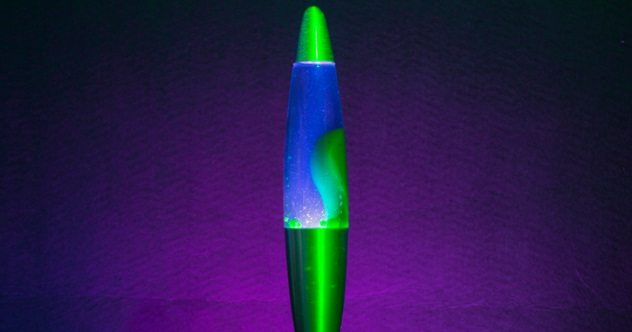
In 2004, 24-year-old Philip Quinn of Kent, Washington, died after placing a lava lamp on a hot stove. The sealed glass lamp overheated, pressure built inside, and the lamp exploded. A shard of glass pierced his heart.
Lava lamps are built to be warmed gently by the bulb in their base. That slow heating creates the hypnotic floating blobs people love. A stove is not “extra lamp support.” It is a much more intense heat source. When sealed glass containers are heated beyond their design limits, pressure can build until the container fails violently.
This is one of the most infamous examples of a decorative household object turning deadly through misuse. It is also one of the simplest to prevent. Use products only as designed. Do not heat sealed containers, glass decorations, aerosol cans, or novelty items with outside heat sources. If an object was designed to sit peacefully on a shelf, do not promote it to cookware.
3. The Office Chair That Exploded
Office chairs seem harmless enough, unless your chair has bad lumbar support and a personal grudge against your spine. But some adjustable chairs use gas cylinders beneath the seat, and in rare cases, poor manufacturing or defective parts can create serious hazards.
One widely reported case from China involved a teenage boy who died after an office chair’s gas cylinder reportedly exploded while he was sitting on it. The upward force and fragments caused catastrophic injuries. Similar nonfatal chair-cylinder accidents have also been reported in different places, usually involving low-quality components or unsafe repairs.
This story is a reminder that “cheap” furniture is not always a bargain if critical parts are poorly made. Adjustable chairs should be purchased from reputable manufacturers, used within weight limits, and replaced if the cylinder is damaged, leaking, wobbling, or making suspicious noises. A chair should support your workday, not audition for a disaster documentary.
4. Tennessee Williams and the Bottle Cap
Playwright Tennessee Williams, one of America’s great literary figures, was found dead in 1983 at the Hotel Elysée in New York City. Early reports said he had choked on a plastic cap from a medication or nasal spray bottle. Later discussion of his death has included drug-related complications, but the bottle-cap account remains one of the most repeated details surrounding the case.
A bottle cap is tiny, forgettable, and easy to hold between the teeth while multitasking. That is exactly why it can be dangerous. Small plastic caps, pen caps, toy parts, and medication pieces can block the airway if inhaled accidentally. Adults often think choking hazards are only a child-safety issue, but adults can choke too, especially when tired, intoxicated, distracted, or taking medication.
The practical advice is almost embarrassingly simple: do not hold small objects in your mouth while using eye drops, nasal spray, tools, craft supplies, or medicine bottles. Your mouth is not a storage drawer. It is already busy with eating, talking, and occasionally saying things you regret.
5. The Christmas Tree Fire That Killed Six
In January 2015, a mansion fire near Annapolis, Maryland, killed Don and Sandra Pyle and four of their grandchildren: Alexis, Kaitlyn, Charlotte, and Wesley Boone. Investigators concluded that an electrical failure ignited combustible material near a large Christmas tree. The dry tree helped the fire spread with terrifying speed.
Christmas trees are beautiful, nostalgic, and emotionally powerful. They are also cut vegetation slowly drying out in a living room while wrapped in electrical lights. That sentence sounds less magical, but it is the safety truth. A fresh, watered tree is much harder to ignite than a dry one. A neglected tree can burn extremely fast, especially if it is near heat sources, overloaded outlets, damaged cords, or lights left on continuously.
This tragedy shows why fire departments repeat the same holiday advice every year. Water live trees daily. Keep them away from fireplaces, heaters, and candles. Inspect lights for damage. Turn lights off before bed or leaving home. Remove the tree once it starts dropping needles heavily. Holiday cheer should smell like pine, not electrical smoke.
6. The Falling Window Air Conditioner
Window air conditioners are common in older apartments and city buildings. They are heavy metal boxes installed above sidewalks, alleys, and courtyards. When properly secured, they are safe. When installed badly or handled carelessly, gravity becomes the landlord.
In 1988, 37-year-old Vito DeGiorgio was killed in New York City after a window air-conditioning unit reportedly fell from a building and struck him. Such deaths are rare, but the possibility is real enough that many cities have strict installation guidance for window units.
The safety analysis is straightforward: heavy appliances should never depend on hope, friction, or “it looks fine from here.” Window AC units need brackets, proper support, correct tilt, secure fastening, and routine checks. Renters should report unstable units. Homeowners should avoid balancing units on weak frames or improvising with wood scraps and optimism.
A properly installed AC cools the room. A poorly installed one can become a falling appliance. That is a dramatic career change for a machine whose original job was making July bearable.
7. The Mattress Used as a Crib Cover
In Pennsylvania in 2017, 2-year-old Eoin Dwyer suffocated after his parents allegedly strapped a mattress over his crib to stop him from climbing out. Heavy bags were reportedly placed on top. The child became trapped, and the makeshift arrangement turned fatal.
A mattress is designed for sleep, not containment. Cribs are engineered with specific spacing, airflow, structure, and safety standards. When adults modify them with extra padding, restraints, covers, cords, or weights, they can accidentally create entrapment and suffocation hazards.
This case is especially painful because many parents understand the desperation of sleepless nights. Toddlers can be tiny escape artists with the stamina of marathon runners and the judgment of raccoons. But unsafe sleep solutions are never worth the risk. If a child climbs out of a crib, caregivers should consult pediatric guidance and transition to a safer sleep setup rather than building a homemade enclosure.
8. Window Blind Cords and Silent Strangulation
Window blind cords are among the most well-documented household hazards for young children. Safety organizations have warned for decades that looped or accessible cords can strangle toddlers quickly and silently. In many cases, caregivers are nearby but hear nothing because the child cannot call out.
One well-known advocacy story is that of Cheyenne Rose Kaiser, whose death helped motivate her parents to create Parents for Window Blind Safety. Her case became part of a larger movement pushing for cordless window coverings and stronger safety standards.
The danger is not limited to old-fashioned blinds. Inner cords, continuous loops, long pull cords, and cords near beds or cribs can all create risk. The safest option in homes where children live or visit is cordless window coverings. If replacement is not immediately possible, cords should be kept completely inaccessible, furniture should be moved away from windows, and looped cords should be secured with proper tension devices.
Blind cords look harmless because they are thin. But thin is exactly the problem. Around a child’s neck, a cord can tighten quickly. This is one household safety upgrade where “good enough” is not good enough.
9. The Riding Mower That Backed Over a Child
In 2017, an Alabama toddler was killed when her father accidentally backed over her with a riding lawn mower while cutting grass. Investigators described it as a tragic accident, the kind that can happen in a few seconds when a small child moves into a blind spot.
Riding mowers are household tools, but they are also powerful machines with spinning blades, blind zones, hot engines, and rollover risks. Children are especially vulnerable because operators may not see them behind or beside the mower. Even a cautious adult can miss a small child who runs into the mowing area at the wrong moment.
The prevention advice is blunt because it needs to be: children should be indoors and supervised while mowing is happening. They should never ride as passengers on lawn mowers. Operators should look behind and down before reversing, avoid mowing in reverse whenever possible, and shut off blades when crossing paths or driveways. A riding mower is not a backyard toy. It is machinery wearing a suburban costume.
10. The TV Set That Fell
Television tip-overs have killed many children, particularly when heavy or unstable TVs are placed on dressers, shelves, or furniture not designed to hold them. Even modern flat screens can cause severe injury if they fall from height, and older tube TVs are especially heavy.
One tragic case involved 4-year-old Emily May Hughes in the United Kingdom. Her father was carrying a television when he tripped, and the TV fell onto her. Other TV deaths happen when children climb furniture, pull on screens, or open drawers that shift weight forward.
The broader safety issue is clear: televisions and furniture should be anchored. Dressers, bookshelves, entertainment centers, and large screens need wall restraints. Heavy items should be placed low. Remote controls and toys should not be kept on top of furniture where children may climb to reach them.
TVs have gotten smarter over the years. Unfortunately, furniture has not automatically gotten wiser. Anchoring is the missing common sense.
Common Patterns Behind These Household Object Deaths
Heat Turns Safe Objects Into Pressure Hazards
The lava lamp and Christmas tree stories show how heat changes risk. A decorative object may be safe at room temperature but dangerous near a stove, outlet, flame, or overloaded electrical source. Heat expands liquids, dries organic material, weakens plastic, and can ignite dust, fabric, paper, or tree needles.
Gravity Is Relentless
TVs, furniture, air conditioners, and appliances all share one enemy: gravity. A heavy object does not need to fall far to cause fatal injuries. Proper installation, anchoring, brackets, and weight distribution are not decorative details. They are what keep heavy objects from becoming falling objects.
Children Find Hazards Adults Stop Seeing
Blind cords, cribs, dressers, TVs, and riding mowers are especially dangerous around children because children explore. They climb, tug, hide, crawl, and appear in places adults do not expect. A home safety check should be done from a child’s perspective, not just from adult eye level.
Improvisation Can Be Riskier Than the Original Problem
The mattress-over-crib tragedy shows how a homemade fix can create a worse danger than the problem it was meant to solve. Many fatal household accidents involve improvisation: using the wrong charger, repairing appliances without proper parts, stacking furniture, bypassing safety switches, or using outdoor equipment indoors.
How to Make Everyday Household Objects Safer
Start with the heavy things. Anchor TVs, dressers, bookshelves, and tall cabinets. Use proper brackets for window air conditioners. Do not place heavy items on unstable furniture. Check that shelves are secured and that children cannot climb drawers like a ladder.
Next, inspect cords. Replace corded blinds with cordless models where possible. Keep electrical cords away from heat, water, pets, and children. Do not overload outlets. Throw away damaged extension cords. A cord that sparks, smells hot, or looks melted is not “still usable.” It is applying for villain status.
Then, review heat sources. Keep portable heaters away from curtains, bedding, and furniture. Do not leave candles unattended. Keep live Christmas trees watered and remove them when dry. Never heat sealed glass items, aerosol containers, novelty lamps, or chemical products.
Finally, respect fuel-burning machines. Portable generators, grills, camp stoves, and gasoline-powered tools belong outside, far from windows, doors, vents, and garages. Carbon monoxide is invisible and odorless. A working carbon monoxide alarm is not optional decoration; it is a life-saving device.
Additional Experiences and Real-Life Lessons Related to Household Object Safety
Anyone who has lived in a busy household knows that danger often appears during the most ordinary moments. The risky scene is rarely cinematic. It is usually Tuesday. Someone is carrying laundry, a child is chasing a toy, a phone is ringing, dinner is boiling over, and a chair is being used as a ladder because “it will only take five seconds.” Household accidents love those five seconds.
One common experience is the overloaded shelf. Many people have a bookcase, pantry rack, or TV stand that has slowly become heavier over time. At first it holds a few books. Then come storage bins, framed photos, a printer, craft supplies, spare cables, and one mysterious box nobody has opened since 2019. The object does not fail dramatically at first. It leans. It wobbles. It gives tiny warnings. Then one day a child pulls on it, a pet jumps against it, or someone bumps it with a vacuum, and the whole thing moves.
Another familiar situation is the “temporary” electrical setup. A person plugs an extension cord into another extension cord, adds holiday lights, charges three phones, powers a heater, and tells themselves it is only for tonight. The problem is that temporary arrangements often become household traditions. Electrical safety fails quietly: heat builds behind furniture, plugs loosen, cords fray under rugs, and outlets get overloaded. The fix is boring but effective: use the right cord, avoid daisy-chaining, keep cords visible, and unplug what is not needed.
Parents and caregivers also learn that children treat homes like obstacle courses. A toddler does not see a dresser; they see Mount Pajama Drawer. They do not see a blind cord; they see a fascinating dangling string. They do not see a riding mower; they see Dad or Mom doing something interesting outside. That is why childproofing should happen before the child reaches the next developmental stage, not after. If a baby is almost crawling, prepare for crawling. If a toddler is almost climbing, anchor everything now. Children do not send calendar invites before becoming more mobile.
Pet owners face their own household object hazards. Cats knock over lamps, chew cords, crawl behind appliances, and test gravity with the confidence of unpaid scientists. Dogs pull tablecloths, eat small objects, and bump unstable furniture. A home that is safe for adults may still be risky for pets and children because both groups interact with objects from lower angles and with greater curiosity.
The biggest real-life lesson is that household safety is not about paranoia. It is about maintenance. Walk through the home once a month and ask simple questions: What could fall? What could burn? What could trap a child? What could block breathing? What produces carbon monoxide? What looks loose, cracked, hot, overloaded, or unstable? This quick review can prevent the kind of tragedy that later feels obvious in hindsight.
Most household objects are safe when used properly. The mug can hold coffee. The lamp can glow. The TV can stream questionable reality shows in peace. The Christmas tree can sparkle. The mower can cut grass. The difference between ordinary and dangerous is often installation, supervision, maintenance, and common sense. Homes do not need to become fear museums. They just need fewer shortcuts.
Conclusion
The true stories of people killed by household objects are unsettling because they make danger feel close. These were not exotic hazards. They were mugs, lamps, caps, trees, chairs, mattresses, cords, mowers, air conditioners, generators, and TVsthe cast of characters in everyday life.
But the point is not to fear your home. The point is to respect it. A safer home is usually created by small, practical habits: anchor heavy furniture, replace corded blinds, keep generators outdoors, maintain appliances, water live trees, avoid unsafe improvisations, and use products according to instructions. The most effective safety measures are rarely dramatic. They are quiet, practical, and sometimes slightly annoying. That is fine. Annoying is better than tragic.
So look around your home with fresh eyes. The goal is not to panic. The goal is to notice. Because the safest household object is not the one that looks harmlessit is the one that is used, installed, and maintained correctly.