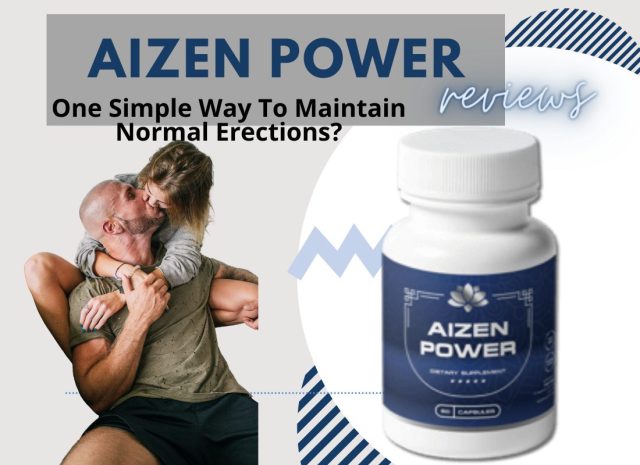
If you have spent more than seven minutes on the internet, you already know the rules of the male wellness supplement universe: dramatic promises, glossy bottle photos, a countdown timer that acts like the apocalypse is scheduled for midnight, and enough “limited-time discounts” to make a furniture store blush. Aizen Power lands squarely in that world. It is marketed as a natural male vitality supplement that may support erections, stamina, libido, circulation, and confidence. That is a very ambitious résumé for a capsule.
So, is Aizen Power a scam? Not automatically. But is it a supplement that deserves a healthy amount of side-eye before it earns your credit card number? Absolutely. In this consumer-report-style review, we are taking a practical, evidence-minded look at what Aizen Power appears to be, what the product claims, what the ingredients suggest, where the red flags live, and whether this is a smart buy for real-world shoppers.
Aizen Power Review 2024: Quick Verdict
Bottom line: Aizen Power looks more like an aggressively marketed dietary supplement than a proven solution for erectile dysfunction or low sexual performance. Some ingredients commonly associated with the brand have limited, indirect, or context-specific evidence for circulation, metabolic support, antioxidant activity, or male health. That is not the same thing as saying the finished product is clinically proven to work.
In plain English: Aizen Power may contain ingredients that sound familiar from the supplement world, but the marketing seems to sprint much faster than the evidence. If you are looking for a guaranteed, medically validated treatment for erectile dysfunction, this does not appear to be it. If you are looking for a “maybe, possibly, under some circumstances, depending on the person” wellness capsule, that is closer to the truth.
Consumer report rating: proceed with caution, keep expectations realistic, and do not confuse supplement marketing with medical proof.
What Is Aizen Power Supposed to Do?
Aizen Power is sold online as an adult male supplement. Depending on the page, it is described as supporting blood flow, stamina, testosterone balance, endurance, confidence, and overall male vitality. In other words, it is sold as the Swiss Army knife of men’s wellness. The website language leans heavily on performance support and “natural” positioning, which is common in this category.
That matters, because dietary supplements are not the same as prescription treatments. A supplement can be marketed with broad structure-and-function language, but that does not mean it has the kind of evidence behind it that a drug needs. If a product sounds like it wants to be mistaken for a miracle, your wallet should probably ask for a second opinion.
The Biggest Red Flags
1. The marketing sounds bigger than the science
Aizen Power uses classic supplement-copy language: strong results, daily confidence, dramatic improvement, natural support, and testimonial-heavy persuasion. None of that is unusual, but it is a warning sign when claims are huge and the proof is tiny. A serious product should make it easy to understand what is in the bottle, how much of each ingredient is included, what evidence exists on the finished formula, and what the realistic limitations are.
2. “FDA approved” style language is a trust problem
One of the most common issues in the supplement market is wording that makes buyers think a product has FDA approval when supplements are not reviewed like prescription drugs. If a page uses “FDA-approved facility” language, many shoppers hear, “The product was approved by the FDA.” Those are not the same sentence, and they do not mean the same thing. That kind of phrasing may not be illegal in every context, but it can still be slippery.
3. Ingredient transparency appears inconsistent
This is one of the more eyebrow-raising issues. Different Aizen Power pages appear to describe different ingredient lineups. One version highlights zinc, chromium, green tea, berberine, and milk thistle. Another emphasizes Korean ginseng, cayenne, banaba, zinc, resveratrol, and related compounds. For consumers, that is not a tiny detail. It is the detail. If the formula presentation shifts depending on where you land, confidence starts packing a suitcase.
4. Testimonials are not the same as evidence
Customer praise can be useful for understanding taste, shipping speed, or whether a lid is impossible to open without a crowbar. It is much less reliable as proof of medical-style results. Many supplement sites rely on glowing testimonials because testimonials are cheaper than high-quality clinical trials and much friendlier to profit margins.
What About the Ingredients?
This is where the review gets more nuanced. Aizen Power is not built around one obviously absurd ingredient. Instead, it seems to borrow from a familiar supplement playbook: mix a few minerals, a few antioxidants, a few plant extracts, and a few blood-flow-adjacent talking points, then wrap the whole thing in bold promises.
Asian or Korean ginseng
Ginseng is probably the most defensible ingredient in the whole conversation. Some research suggests Asian ginseng may modestly improve sexual function in some men with erectile dysfunction. That does not make it a miracle herb, and it certainly does not mean every ginseng product works equally well. Still, if Aizen Power includes a meaningful form and dose of ginseng, this is one of the few ingredients that at least has a plausible evidence-based foothold.
Zinc
Zinc matters for many normal body functions, including immune health and hormone-related processes. But zinc is not magic dust for every guy who wants better performance. If someone is deficient, correcting that deficiency may help overall health and possibly sexual function. If someone already gets enough zinc, taking more does not automatically turn the body into a fireworks show of vitality. It just turns the supplement label into a more confident storyteller.
Chromium, banaba, berberine, and alpha-lipoic acid
These ingredients are more commonly discussed in the context of blood sugar, metabolism, and insulin sensitivity than in direct erectile dysfunction treatment. That does not make them useless. It just changes the story. They may fit a “metabolic wellness” angle better than a “this will revolutionize your love life” angle.
That distinction matters because erectile issues can be linked to broader health problems such as diabetes, poor circulation, weight gain, stress, and cardiovascular disease. In theory, supporting metabolic health may indirectly support sexual health for some people. In practice, that is a long way from proving a supplement fixes the problem in a reliable, predictable, measurable way.
Green tea, resveratrol, milk thistle, and cayenne
These are classic wellness ingredients. They sound smart. They look good on labels. They can support an antioxidant or circulation narrative. But a product packed with wellness buzzwords is not automatically a high-performance formula. Green tea and resveratrol are often associated with antioxidant support. Milk thistle is better known for liver-related supplement discussions. Cayenne often appears in “circulation support” conversations. The problem is not that these ingredients are ridiculous; the problem is that they are often used to make modest science look like blockbuster proof.
Could Aizen Power Actually Help Some People?
Maybe, but that answer needs a giant asterisk. Aizen Power could help some users in the same way many supplements sometimes help some users: through a combination of mild physiological support, expectation effects, healthier routines, and the simple passage of time. If a person starts taking a supplement while also sleeping better, drinking less, exercising more, and eating fewer drive-thru tragedies, improvements may happen. The supplement may deserve some credit, or it may just show up in the group photo.
The real issue is whether Aizen Power has convincing public evidence that the finished formula consistently improves erections, stamina, or sexual performance in a meaningful way. Based on the public-facing material, that case looks weak. The ingredient story is more persuasive than the product-proof story.
Is Aizen Power a Scam?
Here is the fair answer: Aizen Power does not have to be an outright scam to still be overhyped. There is a wide middle ground between “total fraud” and “excellent product.” Many supplements live comfortably in that middle ground, sipping iced tea and making extravagant promises.
If by “scam” you mean a product that appears to use inflated claims, vague proof, persuasive marketing tactics, and consumer confusion around regulation, then Aizen Power shows several warning signs. If by “scam” you mean a definitively fake product with no ingredients, no shipping, and criminal deception, the publicly available information does not prove that. So the most accurate verdict is this: it looks more like an overmarketed supplement with trust issues than a clearly proven scam or a clearly proven winner.
Safety Concerns and Possible Side Effects
Natural does not mean risk-free. That sentence should be printed on every supplement bottle in lettering large enough to challenge your eyesight. Depending on the exact Aizen Power formula, some ingredients commonly tied to the brand may carry side effects or interaction risks.
- Green tea extract has been linked in rare cases to liver injury, especially in concentrated supplement form rather than a normal cup of tea.
- Berberine may cause digestive side effects such as nausea, constipation, diarrhea, or abdominal discomfort, and it can interact with medications.
- Chromium may affect blood sugar handling, which matters if you take diabetes medications.
- Milk thistle is often tolerated fairly well, but supplement quality can vary, and not every product matches its label perfectly.
- Ginseng may not be appropriate for everyone and can be a poor fit for some medication regimens or health conditions.
If you have diabetes, heart disease, high blood pressure, liver concerns, or you take prescription medications regularly, this is not the time for casual supplement roulette. Talk to a clinician before using a product like this.
What Aizen Power Does Not Replace
This is important. A supplement like Aizen Power does not replace an actual medical evaluation for erectile dysfunction. Persistent ED can be connected to blood vessel problems, diabetes, stress, sleep issues, obesity, medication side effects, hormone issues, or cardiovascular disease. Sometimes the body is not “failing” in the bedroom; it is sending a memo from somewhere else.
That is why reputable medical sources treat ongoing erectile dysfunction as a real health signal, not just an inconvenience. If symptoms are persistent, the smart move is not to keep stacking random capsules like a supplement-themed Jenga tower. The smart move is to figure out what is driving the problem.
Who Might Be Tempted to Buy It?
Aizen Power will probably appeal to men who want a private, non-prescription, online-only product that feels easier than scheduling a medical appointment. That is understandable. Supplements are marketed as the low-friction route: no awkward visit, no prescription, no deep conversation, no insurance puzzle, just a bottle and a hope.
But convenience is not the same thing as value. A bottle that costs real money should offer more than vague ingredient charm and motivational ad copy. At minimum, shoppers should expect consistent labeling, transparent dosing, credible manufacturing details, and realistic claims.
Should You Buy Aizen Power?
If you are asking whether Aizen Power looks like a slam-dunk recommendation, the answer is no. If you are asking whether it might help some people a little, possibly. If you are asking whether the marketing looks stronger than the evidence, yes, very much so.
Best advice: do not buy Aizen Power expecting prescription-level results. Do not buy it because a flashy page made you feel behind in life by Tuesday afternoon. And do not buy it without checking the exact ingredient panel, dosage, return policy, and your personal medication risks. If erectile dysfunction is frequent or worsening, a proper medical evaluation is more valuable than another dramatic supplement headline.
Final Verdict
Aizen Power appears to be one more entrant in the crowded male enhancement supplement market: high on confidence, lighter on proof, and very comfortable using language that sounds sturdier than the science behind it. There may be some logic behind portions of the ingredient story, especially if ginseng or zinc are meaningfully included and appropriately dosed. But the overall product still raises too many consumer questions about formula consistency, evidence quality, and marketing tactics to earn a wholehearted endorsement.
So, is Aizen Power a scam? I would not call it a proven scam. I would call it a supplement that buyers should treat with caution, skepticism, and realistic expectations. In the world of men’s wellness products, that is not the sexiest answer. It is just the useful one.
Consumer Experiences and Real-World Buying Expectations
When people shop for a product like Aizen Power, the experience usually begins long before the first capsule. It starts with frustration, curiosity, or anxiety. Maybe energy feels lower than it used to. Maybe confidence has taken a hit. Maybe intimacy has become stressful instead of natural. That emotional context matters, because it makes bold marketing feel extra persuasive. When a supplement page promises renewed vitality, stronger performance, and better confidence, it is not just selling ingredients. It is selling relief, identity, and reassurance.
That is why some buyers feel excited the moment they click “order.” They are not just purchasing a bottle; they are buying the possibility of feeling like themselves again. For a week or two, that hope alone can color the experience. Some users may report feeling more motivated, more optimistic, or more attentive to lifestyle habits. They may sleep better, cut back on alcohol, or eat more carefully because they are “finally doing something” about the issue. Those changes can produce real benefits, even if the capsule is only part of the story.
Other buyers have a very different experience. They expect dramatic results, but the change is mild or nonexistent. Maybe they feel no difference at all. Maybe they notice slightly better energy but nothing remarkable in sexual performance. Maybe the product seems fine, but not fine enough to justify the price. This is common with wellness supplements: the ad creates a movie trailer, and the actual product delivers a pilot episode.
Another common consumer experience is confusion. Buyers compare different product pages, different ingredient descriptions, and different promises, then wonder what exactly they are supposed to trust. When supplement branding is spread across multiple “official-looking” pages, people can feel unsure whether they are seeing the same formula, an affiliate page, an old version, or a marketing remix. That uncertainty does not automatically prove dishonesty, but it definitely does not build confidence.
Refund expectations also shape the experience. A money-back guarantee sounds comforting, but shoppers should always read the details before purchase. Return policies often sound simple in big letters and become more complicated in smaller ones. A positive buying experience depends not only on the product, but also on shipping reliability, customer support responsiveness, billing clarity, and how easy it is to request a refund if the product disappoints.
Perhaps the most realistic way to think about Aizen Power is this: for some consumers, the experience may be “decent but not life-changing.” For others, it may feel like expensive optimism in a bottle. And for a smaller group, the bigger value may come from what the product does not fix, because it pushes them to finally talk with a healthcare professional and address the real cause of the problem. That is often where the most meaningful progress happens. Not in the dramatic headline, not in the countdown timer, and not in the promise of overnight transformation, but in honest diagnosis, realistic expectations, and a plan that matches the person rather than the ad.