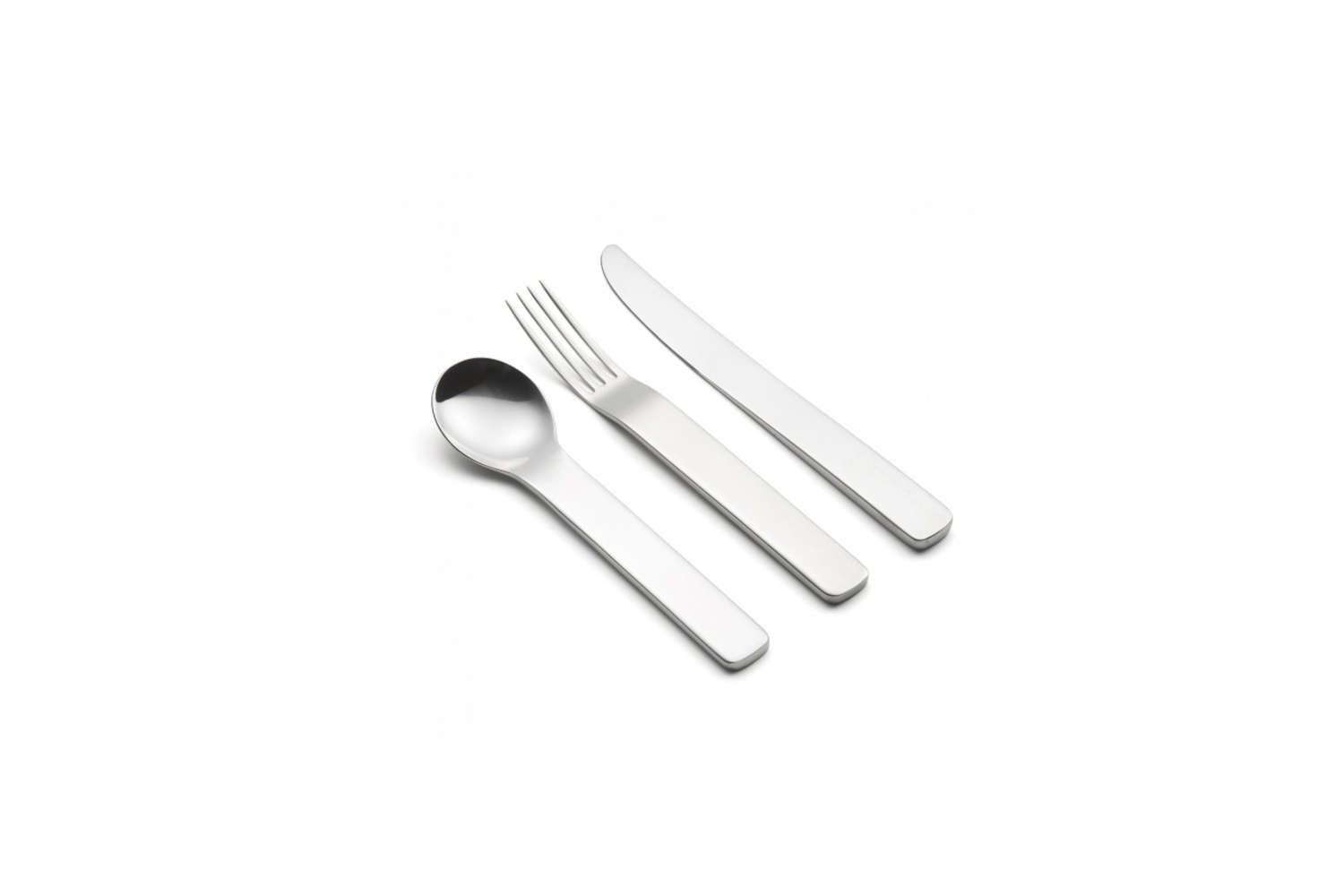
A minimal five piece cutlery place setting sounds almost too simple to deserve a full conversation. Five utensils, one plate, one hungry persondone, right? Not quite. The beauty of a well-chosen flatware setting is that it quietly solves several everyday problems: it makes meals feel intentional, keeps the table uncluttered, works for casual dinners and small celebrations, and prevents that awkward moment when a guest wonders whether the tiny fork is for salad, dessert, or emotional support.
At its core, a five-piece cutlery place setting usually includes a dinner fork, salad fork, dinner knife, tablespoon or place spoon, and teaspoon. These five pieces cover most American dining situations without dragging an entire silverware parade onto the table. It is practical, elegant, and easy to storethree qualities every modern kitchen appreciates, especially if your utensil drawer already sounds like a junkyard orchestra every time you open it.
This guide explains what belongs in a minimal five piece cutlery place setting, how to arrange it, what materials and finishes to consider, how to choose the right style for your home, and how to care for your flatware so it stays attractive for years. Whether you are setting up your first apartment, refining your dining room, downsizing your kitchen, or trying to host dinner without looking like you Googled “where does the spoon go” five minutes before guests arrived, this article has you covered.
What Is a Minimal Five Piece Cutlery Place Setting?
A minimal five piece cutlery place setting is a compact, functional set of flatware designed for one diner. It typically includes five essential utensils: one dinner fork, one salad fork, one dinner knife, one tablespoon or place spoon, and one teaspoon. Multiply that by the number of seats at your table, and you have a complete flatware set for everyday meals or light entertaining.
The word “minimal” does not mean boring, cheap, or suspiciously thin enough to bend during mashed potatoes. It means the setting includes only what most meals actually require. Instead of specialty fish knives, oyster forks, dessert spoons, butter spreaders, and mysterious utensils inherited from a relative with very formal soup opinions, the minimal five-piece format focuses on versatility.
The Five Essential Pieces
Dinner fork: The largest fork in the setting, used for the main course. It handles pasta, roasted vegetables, chicken, steak, casseroles, and heroic bites of Thanksgiving leftovers.
Salad fork: Smaller than the dinner fork, used for salad, appetizers, desserts, fruit, or any course served before or after the main dish. In a minimal home, the salad fork often becomes the “small fork that does everything.”
Dinner knife: Used for cutting and spreading. The blade should face inward toward the plate when placed on the table. This is both traditional and practical, and it also prevents the table from looking like a tiny medieval battlefield.
Tablespoon or place spoon: Often used for soup, cereal, saucy dishes, rice bowls, or serving small portions. Some sets call this a place spoon, while others call it a dinner spoon or tablespoon.
Teaspoon: The smaller spoon, ideal for coffee, tea, desserts, yogurt, sauces, and late-night ice cream eaten directly from the carton while pretending it is “portion control.”
Why the Five-Piece Setting Works So Well
The five-piece flatware setting has remained popular because it hits the sweet spot between convenience and completeness. A three-piece setting may feel too limited for multi-course meals, while a seven-piece or twelve-piece formal arrangement can feel excessive for daily use. Five pieces are enough to set a thoughtful table without requiring a diagram, a butler, or a panic attack.
For modern households, this format is especially useful. Many people cook flexible meals: salad with grilled chicken, soup and bread, pasta with dessert, takeout plated nicely because we are all trying our best. A minimal five piece cutlery place setting supports all of those situations. It can look polished for guests, yet it is not so formal that it makes Tuesday tacos feel underdressed.
Benefits of a Minimal Flatware Setup
It saves space. Smaller kitchens benefit from fewer specialty utensils. A standard 20-piece flatware set usually serves four people with five pieces each, making storage simple and predictable.
It reduces table clutter. Minimal table settings create breathing room. Plates, glasses, napkins, and food can shine without competing with a silverware traffic jam.
It is easier for guests. Most people instantly understand a five-piece setting. There are no cryptic utensils requiring a whispered etiquette conference.
It transitions well. The same setting can work for breakfast, lunch, dinner, casual gatherings, holiday meals, and small celebrations with a few styling adjustments.
How to Arrange a Five Piece Cutlery Place Setting
Classic American table-setting etiquette is refreshingly logical. Forks go on the left. The knife and spoons go on the right. Utensils are generally placed in the order they will be used, from the outside moving inward toward the plate. If salad is served before the main course, the salad fork sits to the left of the dinner fork. If salad comes after the entrée, the arrangement may change, but for most everyday meals, the standard layout works beautifully.
Basic Layout
Start with the dinner plate centered in front of the chair. Place the dinner fork to the left of the plate. Place the salad fork to the left of the dinner fork if salad is served first. On the right side, place the dinner knife closest to the plate with the blade facing inward. Place the tablespoon or place spoon to the right of the knife. The teaspoon can sit to the right of the larger spoon or be brought out with coffee, tea, or dessert.
If you want an even cleaner minimal look, place the teaspoon above the plate horizontally, especially when dessert or coffee is planned. For everyday dining, however, keeping both spoons on the right is perfectly acceptable and easier for everyone to understand.
Napkin Placement
The napkin can go to the left of the forks, under the forks, or centered on the dinner plate. For a minimalist table, placing the napkin on the plate creates a neat focal point and saves horizontal space. For a casual dinner, folding the napkin simply and placing the forks on top is practical and relaxed.
Spacing and Alignment
Good table setting is not about perfection; it is about visual calm. Keep the bottoms of the utensils aligned roughly one inch from the table edge. Leave a small gap between each piece so the setting does not look cramped. The goal is not to make your table look like a museum exhibit, but a little alignment makes even budget flatware look more intentional.
Choosing the Best Material for Minimal Cutlery
Most modern flatware is made from stainless steel, and for good reason. It is durable, widely available, easy to clean, and suitable for both casual and formal tables. However, not all stainless steel is equal. The most common grades for home flatware are 18/10, 18/8, and 18/0. These numbers refer to chromium and nickel content. Chromium helps resist rust and staining, while nickel adds shine and corrosion resistance.
For long-term everyday use, 18/10 stainless steel is often considered a strong choice because it offers durability, luster, and resistance to corrosion. It usually costs more, but it can be worth it if you want flatware that feels substantial and keeps its finish over time. 18/8 stainless steel is also a solid option, while 18/0 is typically more affordable and often slightly less shiny. People with nickel sensitivity may prefer 18/0, though they should still review product details carefully.
Forged vs. Stamped Flatware
Flatware may be forged or stamped. Forged pieces are typically made from thicker metal and shaped with more pressure, often resulting in a heavier, more substantial feel. Stamped flatware is cut from sheets of metal and is usually lighter and more budget-friendly. Neither is automatically “better” for everyone. A lightweight set can be excellent for daily use, while heavier forged flatware can feel more luxurious at dinner parties.
Weight Matters More Than You Think
A good minimal five piece cutlery place setting should feel balanced in the hand. Too light, and it may feel flimsy. Too heavy, and eating soup starts to resemble arm day at the gym. The best choice is one that feels comfortable for your household. If possible, test a fork or spoon in person before buying a full set. If shopping online, read reviews that mention weight, balance, handle comfort, and dishwasher performance.
Minimal Design Styles: Simple Does Not Mean Plain
Minimal flatware can be sleek, warm, sculptural, classic, rustic, or modern. The trick is choosing a design that complements your dishes, table linens, and overall home style. A five-piece setting is small, so each line and finish matters. Think of it as jewelry for the tableuseful jewelry, thankfully, because earrings are terrible at cutting lasagna.
Mirror Finish
A mirror finish is shiny and reflective. It looks polished, bright, and slightly formal. It pairs well with white plates, glassware, and modern dining rooms. The downside is that mirror finishes can show fingerprints, water spots, and scratches more easily, so they may require a bit more attention after washing.
Satin or Brushed Finish
Satin and brushed finishes have a softer, matte appearance. They hide fingerprints better and create a relaxed, contemporary look. This finish is excellent for everyday minimal tables because it looks stylish without demanding constant polishing like a tiny diva.
Black, Gold, and Mixed Finishes
Black, gold, champagne, copper, and two-tone flatware can create a striking table. These finishes work especially well in modern, moody, or design-forward spaces. However, decorative coatings may require gentler care. If you choose colored flatware, check whether it is dishwasher safe and whether the manufacturer recommends hand washing to preserve the finish.
How Many Five-Piece Settings Do You Need?
The simplest rule is to own at least as many place settings as the number of people you regularly serve, plus a few extras. For a single person or couple, four five-piece settings may be enough for daily use. For a household of four, eight settings offer flexibility, especially if you do not run the dishwasher after every meal. For hosts, twelve settings are a comfortable number for dinners, holidays, and the occasional guest who somehow uses three spoons before dessert.
A standard 20-piece flatware set usually includes four five-piece place settings. A 40-piece set usually serves eight. Larger 45-piece or 65-piece sets often include serving utensils such as serving spoons, a serving fork, butter knife, or sugar spoon. Those extras are useful, but they are not part of the core minimal five-piece setting.
Minimal Place Setting Ideas for Different Occasions
Everyday Dinner
Use a dinner plate, water glass, napkin, dinner fork, knife, tablespoon, and teaspoon. Add the salad fork only if salad, fruit, or dessert is part of the meal. Keep the layout relaxed and practical. A placemat can define each setting without making the table feel formal.
Weekend Brunch
For brunch, the five-piece setting shines. The dinner fork handles eggs, waffles, or avocado toast. The teaspoon works for coffee. The tablespoon covers yogurt, oatmeal, or fruit. Add a small plate for pastries and suddenly your kitchen feels like a café, minus the person charging nine dollars for toast.
Small Dinner Party
For guests, arrange all five pieces neatly. Place the salad fork outside the dinner fork, knife to the right of the plate, tablespoon next to the knife, and teaspoon either beside the larger spoon or above the plate. Add cloth napkins, simple glassware, and a low centerpiece. The table will feel finished without looking overworked.
Holiday Meal
A minimal five-piece setting can still work for holidays. Use better linens, add candles, layer salad plates over dinner plates, and include serving utensils for shared dishes. If soup is served, the tablespoon or place spoon may work, though a dedicated soup spoon is more comfortable for deep bowls. Minimal does not mean refusing extra tools when the menu truly needs them.
Care Tips to Keep Flatware Looking New
Even stainless steel needs proper care. Rinse acidic or salty foods from utensils before they sit too long. Tomato sauce, mustard, citrus, vinegar, and salt can contribute to spotting or corrosion if left on flatware for hours. Load utensils loosely in the dishwasher so water can circulate. Avoid crowding knives and spoons together like they are trying to escape.
Dry flatware promptly after washing, especially if your dishwasher leaves moisture behind. Water spots are usually harmless, but drying helps preserve shine and prevents mineral buildup. For stubborn spots, a paste of baking soda and water can help clean stainless steel gently. Avoid harsh abrasives that can scratch the surface.
If your set has gold, black, copper, wood, resin, or other decorative details, follow the manufacturer’s care instructions. Some specialty finishes survive the dishwasher well; others prefer hand washing. When in doubt, gentle soap, warm water, and a soft towel are your flatware’s best friends.
Common Mistakes to Avoid
Buying Only for Looks
A gorgeous fork that feels uncomfortable is not a fork; it is a tiny sculpture with commitment issues. Always consider weight, balance, handle shape, and mouth feel. Yes, mouth feel matters. A spoon with sharp edges or an awkward bowl can make soup less pleasant than it has any right to be.
Ignoring Replacement Pieces
Flatware disappears. It slips into lunch bags, hides in office drawers, joins the camping bin, or vanishes into the same dimension as missing socks. Choose a pattern from a brand or retailer that offers open-stock replacement pieces if possible. This is especially helpful for minimal sets, where losing two teaspoons can feel like a household crisis.
Choosing a Trend Too Quickly
Trendy finishes can be fun, but flatware is something you use daily. If you love matte black or brushed gold, go for it. Just make sure you will still enjoy it after hundreds of meals. When uncertain, choose a clean stainless steel set and bring trends through napkins, plates, or placemats instead.
Buying Checklist for a Minimal Five Piece Cutlery Place Setting
Before purchasing, review the actual pieces included. Some sets labeled as place settings include five pieces, while others include only four. Confirm whether the set includes both a salad fork and teaspoon. Look for stainless steel grade, dishwasher safety, finish type, warranty, and replacement availability. Read reviews for real-world notes about rust, bending, scratching, balance, and whether the knife can handle more than soft butter and optimism.
For most households, an 18/10 stainless steel five-piece setting with a simple silhouette, comfortable medium weight, and dishwasher-safe construction is a reliable choice. If budget is the priority, a well-reviewed 18/0 set can still work nicely, especially for starter homes, dorms, rentals, or casual kitchens. The best flatware is not always the most expensive; it is the set you enjoy using every day.
Real-Life Experiences With a Minimal Five Piece Cutlery Place Setting
The first thing people notice after switching to a minimal five piece cutlery place setting is not the design. It is the calm. A drawer with one consistent set of forks, knives, and spoons feels strangely luxurious, even if the set itself is affordable. Instead of digging through mismatched souvenir spoons, bent forks from a previous apartment, and one suspicious utensil no one remembers buying, you reach in and find exactly what you need.
In everyday use, the five-piece format feels practical because it matches how people actually eat. Breakfast may need only a teaspoon and fork. Lunch might require a dinner fork and knife. Dinner could use all five pieces if salad, soup, entrée, and coffee are involved. The set flexes up or down without making the table feel either underprepared or overdressed.
One useful experience comes from hosting small dinners in compact spaces. A crowded table can make even good food feel stressful. With a minimal setting, each guest has enough utensils, but the table still has room for serving bowls, water glasses, condiments, and elbows. Never underestimate elbow room. It is the unsung hero of dinner-party peace.
Another lesson is that guests rarely need extreme formality to feel welcomed. A neatly aligned five-piece setting with a clean napkin and a simple plate often looks more inviting than a formal arrangement loaded with utensils nobody will use. People relax when the table makes sense. They do not want to decode dinner like an escape room.
Material choice also becomes more important over time. Lightweight flatware may be easy to handle, but very thin pieces can feel disappointing after repeated use. On the other hand, extremely heavy flatware may look impressive but become annoying during long meals. A medium-weight stainless steel set often delivers the best balance. It feels sturdy without acting like gym equipment.
Finish choice teaches its own lessons. Mirror flatware looks beautiful immediately after polishing, especially under warm light. It is ideal for holidays and special dinners. But in busy homes, satin or brushed finishes may be easier to live with because they disguise fingerprints and small scratches. If children are involved, or if your dishwasher has the personality of a pressure washer, forgiving finishes are a blessing.
Over time, a minimal flatware setting can also influence buying habits. Once the table looks cleaner, many people start simplifying other dining items too: fewer novelty mugs, better everyday plates, cloth napkins instead of paper towels, and serving pieces that actually get used. Minimalism at the table is contagious, but in a good waynot like glitter, which spreads forever and ruins friendships.
The most valuable experience is learning that table style does not come from owning more. It comes from choosing better. A five-piece setting proves that a table can be simple and still feel complete. When the pieces are comfortable, attractive, and easy to care for, they support daily life quietly. That is the real charm of minimal cutlery: it does its job well, looks good doing it, and never asks where the oyster fork went.
Conclusion
A minimal five piece cutlery place setting is one of the smartest choices for modern dining. It gives you the essential utensils for everyday meals, casual hosting, brunches, and relaxed celebrations without overwhelming the table or the kitchen drawer. The classic combination of dinner fork, salad fork, dinner knife, tablespoon or place spoon, and teaspoon covers most dining needs with style and efficiency.
To choose the right set, focus on stainless steel quality, comfortable weight, balanced design, finish, care requirements, and replacement availability. For arrangement, keep the layout simple: forks on the left, knife and spoons on the right, blade facing inward, and utensils aligned neatly. Add thoughtful details like napkins, placemats, and glassware, and even a basic weeknight dinner can feel polished.
Minimal flatware is not about doing less for the sake of doing less. It is about removing what does not serve the meal so the food, conversation, and atmosphere can stand out. In a world full of clutter, a clean five-piece place setting is a small but satisfying victoryone fork, one knife, and one very well-placed spoon at a time.
Note: This article is written as original web-ready content and synthesizes practical table-setting etiquette, flatware buying guidance, stainless steel care advice, and modern home dining best practices from reputable U.S. sources.