Note: This guide is about spitting safely, cleanly, and appropriately when there is a real reason to do itsuch as clearing your mouth during sports, rinsing after brushing, or dealing with extra saliva. It is not a guide to spitting at people, on shared surfaces, indoors, or in places where it is rude, unsafe, or against local rules.
Introduction: Yes, There Is a Right Way to Spit
Spitting is one of those everyday human actions nobody wants to talk about until the moment becomes awkward. Maybe you are on a run, brushing your teeth, playing baseball, dealing with a sour taste, or suddenly realizing your mouth has turned into a tiny indoor fountain. Whatever the reason, learning how to spit properly is less about showing off and more about hygiene, timing, control, and basic respect for the people around you.
Saliva, commonly called spit, is not just “mouth water.” It helps you chew, swallow, taste food, begin digestion, protect tooth enamel, wash away food particles, and keep the mouth comfortable. In other words, saliva is doing a lot of unpaid overtime. But there are moments when you may need to remove excess saliva or rinse liquid from your mouth. The goal is to do it discreetly, cleanly, and without turning the sidewalk into a crime scene for shoes.
This article explains how to spit in 13 steps, with practical examples for sports, oral care, outdoor situations, and everyday etiquette. You will also learn when not to spit, how to avoid spreading germs, and what frequent spitting may say about your oral health. Think of it as the polite person’s field guide to a surprisingly misunderstood skill.
Before You Spit: Understand the Hygiene Rules
Spitting can spread saliva and respiratory droplets onto surfaces, which is why it should never be done casually in public spaces, around other people, or anywhere someone might touch or step on it. Good hygiene matters even more if you are coughing, sneezing, sick, or dealing with mucus. Public-health guidance consistently emphasizes covering coughs and sneezes, using tissues when possible, disposing of them properly, and washing or sanitizing hands afterward.
A good rule is simple: if you would not want someone else to spit there, do not spit there. Grass beside a trail may be more acceptable than a bus stop. A sink is better than a floor. A tissue is better than a shared surface. And spitting at another person is never “technique”it is disrespectful and can be harmful.
How to Spit: 13 Steps
1. Decide Whether Spitting Is Actually Necessary
Before you do anything, ask yourself whether spitting is the best option. If you can swallow comfortably, use a tissue, rinse at a sink, or wait a few seconds, that may be cleaner and more polite. Spitting may be reasonable when you are rinsing toothpaste, clearing sports drink residue during exercise, removing grit or a bad taste, or managing sudden excess saliva outdoors. It is not reasonable because you are bored, trying to look tough, or reenacting a cowboy movie in a grocery store parking lot.
2. Choose a Safe, Private, and Appropriate Place
Location is everything. Spit into a sink, toilet, tissue, disposable cup, or a designated outdoor area away from people. Avoid sidewalks, indoor floors, public transportation areas, shared sports benches, playgrounds, drinking fountains, and any place where people sit, walk, or touch surfaces. In a sports setting, follow team, gym, field, or event rules. Some places ban spitting entirely because of hygiene concerns.
3. Turn Away From People
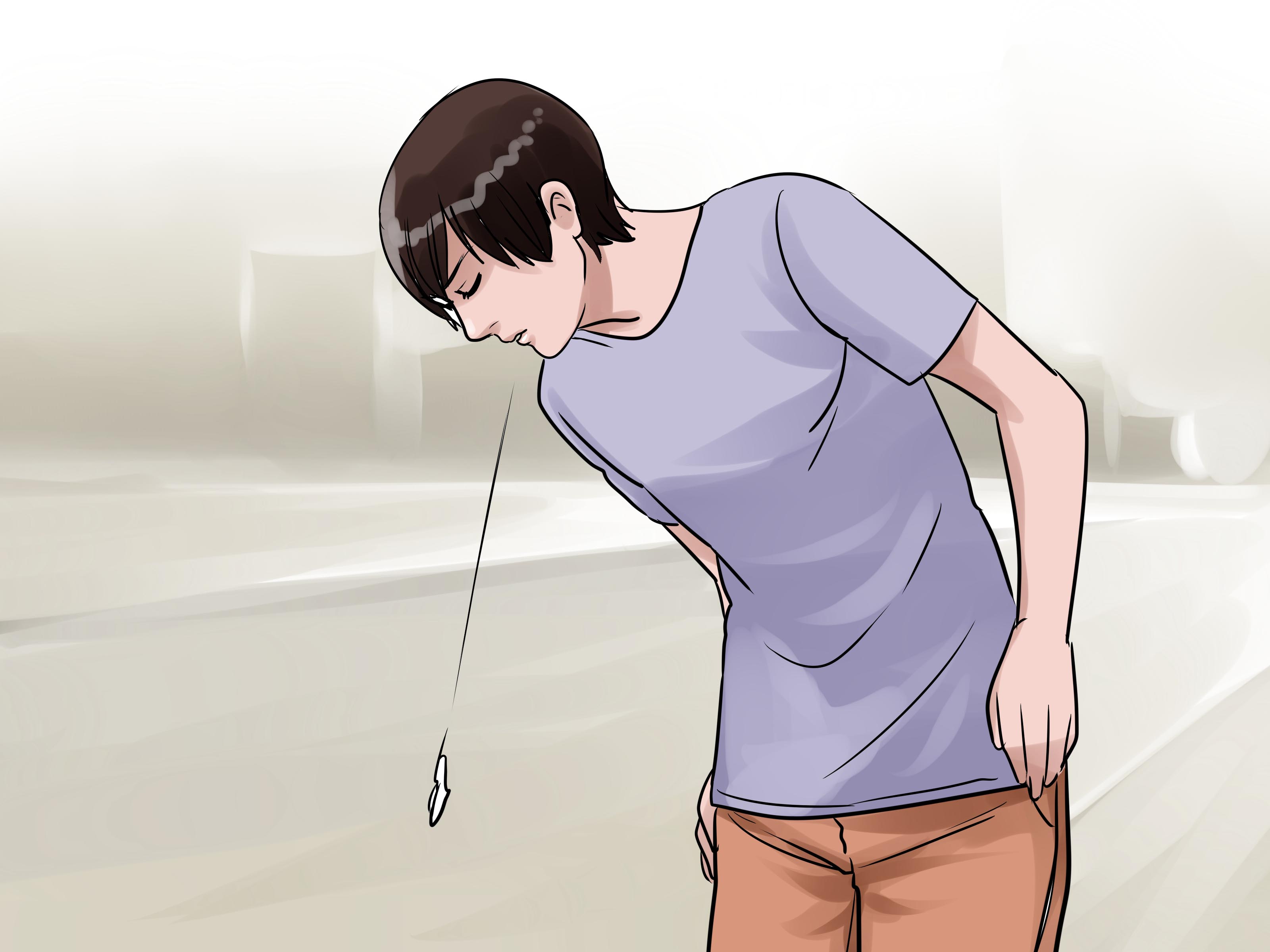
Always face away from others. Even if you are outdoors, wind and movement can carry droplets farther than you expect. Turn your body slightly, look down toward the target area, and make sure no one is close by. If you are in a crowded place, do not spit. Wait until you can use a restroom, tissue, or trash-safe method instead.
4. Gather the Saliva Gently
Use your tongue and cheeks to collect saliva at the front of your mouth. Do not cough forcefully just to produce spit, and do not scrape your throat aggressively. If you are trying to clear your mouth after brushing, rinsing, or exercising, a small amount is usually enough. The goal is control, not volume. This is not a competitive event, and there is no trophy for “most dramatic splat.”
5. Keep Your Lips Relaxed but Controlled
Your lips help direct the spit. Keep them slightly pursed, as if you are about to say “too” or blow gently through a straw. Avoid opening your mouth too wide because that can make the motion messy. A small, controlled opening gives you better aim and reduces dribbling.
6. Lean Forward Slightly
Lean your head and upper body forward a little. This helps gravity do its job and keeps saliva away from your chin, shirt, shoes, or backpack. If you are using a sink, lean over the basin. If you are outdoors, look toward the ground and make sure the area is clear. The small forward lean is the difference between “handled discreetly” and “why is my hoodie wet?”
7. Exhale Lightly, Not Violently
To spit properly, use a short, gentle breath from your mouth. You do not need a dramatic blast of air. A light push is enough to move the saliva out. Forceful spitting is messy, rude, and more likely to spread droplets. Keep it quiet and controlled, especially in shared spaces.
8. Aim Downward
Aim toward the inside of a sink, the center of a tissue, or a safe patch of ground where nobody will walk through it. Never aim outward, upward, toward another person, toward animals, or toward personal belongings. Downward is cleaner, safer, and much less likely to create an embarrassing “I regret everything” moment.
9. Use a Tissue When You Can
If you are indoors or in public, a tissue is usually the best option. Spit gently into the tissue, fold it closed, and throw it in the trash. This is especially important if you are sick, coughing, or clearing mucus. Afterward, wash your hands or use sanitizer. A tissue turns a potentially gross moment into a controlled hygiene moment, which is a huge upgrade.
10. Rinse or Clean the Area if Needed
If you spit into a sink, rinse it with water afterward. If you use a cup, dispose of it properly. If you accidentally spit somewhere inappropriate, clean it if you can do so safely. Leaving saliva on a surface is unpleasant for others and can create hygiene concerns. Good etiquette means taking responsibility for the aftermath.
11. Wash or Sanitize Your Hands
Hand hygiene matters because saliva and respiratory secretions can carry germs. After using a tissue, touching your mouth, coughing, sneezing, or cleaning up, wash your hands with soap and water. If soap and water are not available, use hand sanitizer with at least 60% alcohol. This step is small, quick, and far more impressive than pretending germs respect your confidence.
12. Avoid Spitting When You Are Sick Around Others
If you have a cold, flu-like symptoms, a cough, sore throat, or any contagious illness, avoid spitting around people. Use tissues, wash your hands, and keep distance from others when possible. If you are producing frequent mucus, blood, or unusual saliva, consider talking with a healthcare professional, especially if symptoms last or worsen.
13. Pay Attention to Frequent Spitting
If you constantly feel the need to spit, your body may be telling you something. Dry mouth, acid reflux, nausea, allergies, postnasal drip, medication side effects, dental issues, or excessive saliva production can all play a role. Saliva is important for oral health, so changes in saliva flowtoo much or too littleare worth noticing. Frequent spitting is not always a “bad habit”; sometimes it is a clue.
When Spitting Is Normal
There are normal, practical moments when spitting makes sense. Rinsing toothpaste after brushing is the classic example. Many people also spit after mouthwash, dental rinses, or saltwater gargles. Athletes sometimes spit during intense exercise because heavy breathing, dehydration, or sports drinks can make saliva feel thick. Singers, public speakers, runners, cyclists, and baseball players may also deal with saliva changes during performance.
In these situations, the key is not whether spitting happens. The key is how it happens. A runner turning away on an empty trail is different from someone spitting on a gym floor. A person rinsing into a bathroom sink is different from someone spitting near a restaurant entrance. Context decides whether the action is practical or unpleasant.
When You Should Not Spit
Do not spit indoors unless you are using a sink, toilet, tissue, or medical container. Do not spit on sidewalks, school floors, public seating areas, elevators, buses, trains, store entrances, or shared sports equipment. Do not spit in pools, drinking fountains, locker rooms, or around food. And never spit at someone. That crosses the line from poor manners into aggressive behavior.
Also avoid spitting if it would make others uncomfortable. Manners are not about being fancy; they are about reducing unnecessary disgust in the world. Everyone already has enough to deal with. Nobody needs surprise sidewalk slime as a side quest.
Spitting and Oral Health: What Your Saliva Is Telling You
Saliva protects your mouth in several important ways. It helps wash away food debris, neutralize acids, support chewing and swallowing, and maintain strong teeth. If your mouth is often dry, sticky, or uncomfortable, you may not be producing enough saliva. Dry mouth can increase the risk of cavities, bad breath, gum irritation, and trouble swallowing.
On the other hand, too much saliva can also be frustrating. Excess saliva may happen with nausea, acid reflux, pregnancy, certain medications, mouth irritation, or neurological conditions. Occasional changes are common, but persistent symptoms deserve attention. If you notice ongoing drooling, a sour taste, mouth pain, trouble swallowing, blood in spit, or a major change in saliva, it is smart to contact a dentist or healthcare provider.
How to Spit During Sports Without Being Gross
Sports are one of the few settings where spitting is more common, but “common” does not automatically mean “cool.” If you are running, cycling, hiking, or playing a field sport, move away from teammates, spectators, and shared areas. Aim down at soil or grass where people are unlikely to step. Avoid courts, turf, benches, dugouts, gym floors, and indoor tracks unless there is a specific container or restroom available.
Hydration can reduce the urge to spit during exercise. When you are dehydrated, saliva may become thicker and more annoying. Sipping water, breathing through your nose when possible, and avoiding overly sugary drinks before intense activity may help. If you are constantly spitting during workouts, it may be worth looking at hydration, allergies, breathing habits, or reflux.
How to Spit After Brushing or Rinsing
After brushing your teeth, lean over the sink, purse your lips slightly, and spit gently into the basin. Rinse the sink afterward. Many dentists recommend using fluoride toothpaste because fluoride helps protect teeth. Some people prefer not to rinse with lots of water immediately after brushing so fluoride can remain on the teeth longer, but habits vary. Follow your dentist’s advice if you have specific dental concerns.
After mouthwash or a saltwater rinse, spit into the sink and rinse the basin. Do not swallow mouthwash unless the product label specifically says it is safe to do so. If a rinse burns, irritates your mouth, or makes dryness worse, ask a dental professional for guidance.
Common Mistakes to Avoid
The biggest mistake is spitting without checking your surroundings. The second biggest is using too much force. The third is assuming nobody noticed. People notice. Shoes notice. Society notices.
Other mistakes include spitting into the wind, spitting near entrances, spitting while walking through crowds, failing to clean a sink afterward, and using spitting as a way to show attitude. A little control goes a long way. If you can keep the action quiet, aimed, and hygienic, you have already mastered most of the skill.
Real-Life Experiences Related to “How to Spit: 13 Steps”
One common experience happens during exercise. Picture someone jogging on a cool morning. Their breathing gets heavier, their mouth dries out, and suddenly their saliva feels thicker than usual. The wrong move would be to spit straight ahead on a crowded sidewalk. The better move is to slow slightly, check that nobody is close, turn toward an empty grassy edge, aim downward, and continue running. It is quick, discreet, and does not turn the path into a public inconvenience.
Another familiar situation is brushing teeth in a shared bathroom. A person may brush, spit into the sink, and walk away without rinsing. Technically, they completed the brushing. Socially, they left a tiny horror documentary for the next person. A better habit is to spit gently into the drain area, rinse the sink, check for toothpaste foam, and leave the space clean. This matters at home, in dorms, at school, at work, and anywhere people share facilities.
Sports teams offer another lesson. In baseball, running, soccer, and other outdoor sports, athletes may spit because of dust, effort, or thick saliva. But even on a field, spitting near teammates’ gear, water bottles, benches, or shared equipment is poor etiquette. The respectful athlete steps away, spits only where allowed, and keeps hygiene in mind. Good players protect the team environment, not just the scoreboard.
Travel can make the issue even more obvious. In airports, buses, trains, and busy city areas, spitting is almost always inappropriate unless you use a restroom or tissue. Crowded places leave little room for mistakes, and shared surfaces are touched by many people. If you feel sudden nausea, bad taste, or excess saliva, find a bathroom, use a tissue, or carry a small disposable bag if you are prone to motion sickness. Planning ahead saves embarrassment.
Some people also experience frequent spitting because of health-related triggers. Acid reflux can cause a sour or watery taste. Allergies or postnasal drip may create the urge to clear the mouth. Certain medications can change saliva flow. Dry mouth can make saliva feel sticky, while nausea can make the mouth water. These experiences show why spitting should not be treated only as a manners issue. Sometimes it is a body signal. If the need to spit becomes constant, painful, bloody, or connected with trouble swallowing, it is best to ask a healthcare professional or dentist.
The biggest practical takeaway from real life is simple: spitting is less about the spit and more about judgment. A person who handles it privately, cleans up, and respects others will rarely cause a problem. A person who spits wherever, whenever, and however will almost always seem careless. The difference is not complicated. It is awareness, aim, hygiene, and basic kindness.
Conclusion: Spit Less, Spit Smarter, Stay Cleaner
Learning how to spit is really learning how to manage saliva respectfully. The 13 steps are simple: know when it is necessary, choose the right place, turn away from people, gather saliva gently, control your lips, lean forward, exhale lightly, aim down, use a tissue when possible, clean up, wash your hands, avoid spreading germs when sick, and pay attention to frequent symptoms.
Spitting should never be used to insult, intimidate, or disgust others. But when it is medically, practically, or hygienically necessary, doing it properly makes a real difference. Your mouth gets relief, your surroundings stay clean, and everyone nearby gets to continue their day without a surprise encounter with your saliva. That is what experts call a win-winand what everyone else calls basic manners.