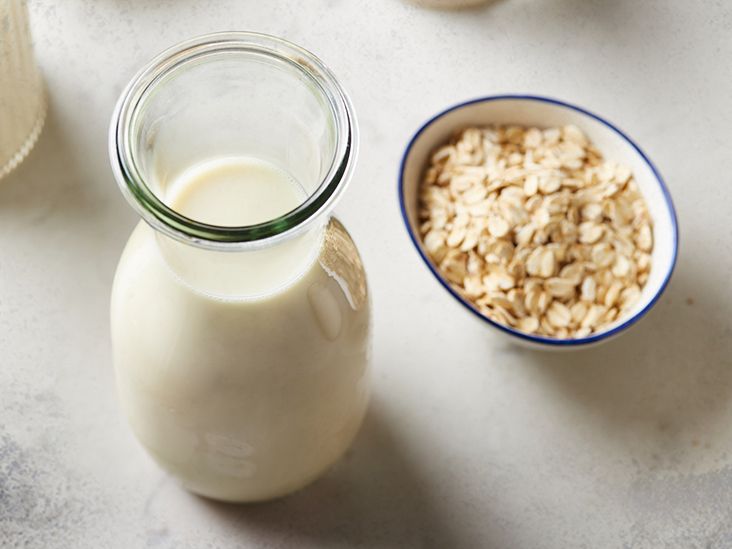
Oat milk has gone from “that beige stuff in the coffee shop fridge” to a full-blown kitchen celebrity. It froths, pours,ingly strong opinions about lattes. But beyond its creamy texture and dairy-free credentials, is oat milk actually good for you?
The answer is pleasantly non-dramatic: oat milk can be a nutritious choice, especially for people avoiding dairy, but its health value depends heavily on the brand, ingredients, and role it plays in your overall diet. Some cartons offer fiber and important fortified nutrients. Others are basically sweetened oat-flavored beverages wearing a wellness costume.
This guide breaks down oat milk nutrition, possible health benefits, drawbacks to consider, and practical ways to choose a carton that deserves space in your refrigerator.
What Is Oat Milk?
Oat milk is a plant-based beverage made by blending oats with water, then straining the mixture to create a smooth liquid. Commercial versions may also include oil, salt, vitamins, minerals, stabilizers, flavorings, or enzymes that help create a sweeter taste and creamier consistency.
Unlike dairy milk, oat milk contains no lactose and no milk proteins. That makes it a useful option for many people with lactose intolerance, dairy allergies, vegan diets, or a simple desire to put something different in their morning coffee.
Still, oat milk is not simply “oatmeal in liquid form.” Processing removes some of the whole grain structure, and nutrient levels can vary dramatically between brands. One carton may be fortified with calcium, vitamin D, and vitamin B12, while another may contain very little beyond water, oats, and optimism.
Oat Milk Nutrition: What Is in a Cup?
A typical cup of unsweetened oat milk often contains moderate calories, mostly from carbohydrates and small amounts of fat. It may provide a little fiber and protein, although most oat milks contain much less protein than cow’s milk or soy milk.
| Nutrient | Typical Amount per Cup | Why It Matters |
|---|---|---|
| Calories | About 80–150 calories | Depends on whether the product is unsweetened, flavored, or “barista-style.” |
| Carbohydrates | About 12–24 grams | Oat milk usually contains more carbohydrates than almond milk or dairy milk. |
| Fiber | About 1–3 grams | Some brands retain oat fiber, including beta-glucan, better than others. |
| Protein | About 2–4 grams | Usually lower than dairy milk, which commonly provides around 8 grams per cup. |
| Fat | About 2–7 grams | Some products add vegetable oil for creaminess and better foam. |
| Calcium and Vitamin D | Varies widely | Fortified versions can support bone health, but unfortified versions may not. |
The big lesson is simple: oat milk is not one universal product. Reading the Nutrition Facts label is not a tedious chore designed by breakfast bureaucracy. It is the difference between buying a helpful dairy alternative and buying sweet oat water with a confident logo.
Potential Health Benefits of Oat Milk
1. It May Support Heart Health
Oats are known for containing beta-glucan, a type of soluble fiber associated with healthier cholesterol levels. Soluble fiber can form a gel-like substance in the digestive tract, helping reduce the absorption of cholesterol and supporting the body’s natural removal of bile acids.
That said, there is an important asterisk the size of a cereal bowl: the cholesterol benefits associated with oats are best documented when people consume enough beta-glucan from oat foods. Many oat milk products contain only modest amounts of fiber, so a single latte is unlikely to perform a solo cholesterol rescue mission.
Oat milk can still fit into a heart-conscious eating pattern when it replaces a higher-saturated-fat choice, especially if you choose an unsweetened product with low saturated fat and little added sugar.
2. It Can Be a Dairy-Free Option for Lactose Intolerance
People with lactose intolerance often experience gas, bloating, stomach pain, or diarrhea after consuming dairy products because they have trouble digesting lactose, the natural sugar in milk. Oat milk is naturally lactose-free, so it can be easier on the digestive system for people who do not tolerate dairy well.
It is also free from cow’s milk proteins, which matters for people with a true milk allergy. However, anyone with an oat allergy should obviously avoid oat milk. Nature enjoys variety, but not always in the convenient kind of way.
3. Fortified Oat Milk May Help Support Bone Health
Many commercial oat milks are fortified with calcium and vitamin D. Calcium helps support bones and teeth, while vitamin D helps the body absorb calcium effectively. Some brands also add vitamin B12, a nutrient that can be especially important for people following vegan diets.
Fortification is useful, but it is not automatic. Homemade oat milk and some specialty products may contain little or no calcium, vitamin D, or vitamin B12. If oat milk is a regular substitute for dairy in your diet, choose a fortified version and shake the carton before pouring because added minerals can settle at the bottom.
4. It Provides Some Fiber
Unlike many plant-based beverages, oat milk can provide small amounts of dietary fiber. Fiber supports regular bowel movements, can help you feel fuller after meals, and plays a role in healthy blood sugar and cholesterol patterns.
Still, oat milk should not be your main fiber source. Whole oats, beans, lentils, berries, vegetables, nuts, seeds, and whole grains provide considerably more fiber and more complete nutrition. Think of oat milk as a supporting actor, not the superhero wearing the cape.
5. It May Fit a Plant-Based Eating Pattern
Oat milk is naturally vegan and can work well in plant-based meals. It is commonly used in smoothies, cereal, soups, baked goods, sauces, and coffee drinks. For people reducing dairy for personal, cultural, environmental, or ethical reasons, oat milk can make everyday food choices feel easier and more familiar.
Convenience matters. A dietary pattern that feels realistic is usually more sustainable than one that requires a spreadsheet, twelve specialty stores, and emotional support from a lentil.
Possible Downsides of Oat Milk
It Is Usually Lower in Protein Than Dairy Milk
One of oat milk’s biggest nutritional limitations is protein. Cow’s milk and fortified soy milk commonly provide around 7–8 grams of protein per cup, while many oat milks provide only 2–4 grams.
Protein helps support muscle maintenance, fullness, recovery after exercise, and balanced meals. If you use oat milk in breakfast smoothies or cereal, consider adding protein from Greek yogurt, soy yogurt, eggs, nut butter, tofu, protein powder, beans, seeds, or another protein-rich food.
Some Varieties Contain Added Sugar
Vanilla, chocolate, sweetened, and café-style oat milks can contain added sugar. Even products without obvious spoonfuls of sugar may taste naturally sweet because enzymes break some oat starch into simpler sugars during processing.
For everyday use, unsweetened oat milk is usually the smartest choice. Save sweetened varieties for occasional treats, not as the default ingredient in every smoothie, cereal bowl, and coffee drink.
It Can Be Higher in Carbohydrates
Because oats are a grain, oat milk often contains more carbohydrates than almond milk, coconut milk, or some other plant-based options. This does not make oat milk “bad,” but people managing diabetes, insulin resistance, or blood sugar swings may want to pay closer attention to serving size and added sugars.
Pairing oat milk with protein, healthy fats, and fiber-rich foods can help create a more balanced meal. For example, oatmeal made with oat milk becomes more satisfying when topped with chia seeds, walnuts, berries, and a side of eggs or yogurt.
Not Every Oat Milk Is Gluten-Free
Oats do not naturally contain gluten, but they can come into contact with wheat, barley, or rye during growing, transport, and manufacturing. People with celiac disease or gluten sensitivity should look for a product specifically labeled gluten-free rather than assuming every carton is safe.
It Is Not a Complete Replacement for Infant Formula or Breast Milk
Oat milk should not replace breast milk or infant formula for babies. It does not provide the nutrition infants need for growth and development. For toddlers and young children, plant-based beverages should be chosen carefully because protein, fat, calories, calcium, vitamin D, and other nutrients can vary widely.
Parents using oat milk regularly for a child should discuss the child’s overall diet with a pediatrician or registered dietitian, especially if dairy, soy, eggs, or other major food groups are limited.
How to Choose the Healthiest Oat Milk
The healthiest oat milk is not necessarily the carton with the happiest cartoon oat on the front. Look beyond the marketing and check the label.
Choose Unsweetened Whenever Possible
Unsweetened oat milk helps limit added sugar and gives you more control over sweetness in your meals. You can always add fruit, cinnamon, cocoa powder, vanilla, or a little maple syrup yourself. Your taste buds are allowed to participate in the decision-making process.
Look for Calcium, Vitamin D, and Vitamin B12
If oat milk is replacing dairy milk in your routine, choose a fortified option with calcium and vitamin D. Vitamin B12 may also be valuable for people eating little or no animal-based food.
Compare Protein Content
Some brands add pea protein or other plant proteins. A higher-protein oat milk may be a better choice for breakfast, smoothies, or post-workout drinks, especially for people who do not get much protein elsewhere in the meal.
Check Added Oils, Sodium, and Ingredients
Many oat milks include oil to improve texture and foam. That is not automatically a problem, but it can increase calories. Also check sodium if you drink multiple servings daily or follow a lower-sodium eating plan.
A shorter ingredient list is not always superior, but it can make it easier to understand what you are buying. Ideally, the ingredients should not read like a chemistry exam that forgot to provide the answer key.
Oat Milk vs. Cow’s Milk vs. Other Plant Milks
There is no single “best” milk for everyone. The right choice depends on your taste preferences, allergies, medical needs, budget, and the rest of your diet.
- Cow’s milk: Usually higher in protein and naturally provides calcium, although many people avoid it due to lactose intolerance, milk allergy, dietary preferences, or personal choice.
- Soy milk: Often the closest plant-based option to cow’s milk in protein content, particularly when fortified and unsweetened.
- Almond milk: Often lower in calories and carbohydrates, but usually low in protein and fiber.
- Pea milk: Often higher in protein and may be a useful option for people who avoid dairy, soy, and nuts.
- Oat milk: Usually creamier than many plant milks, contains some fiber, and works particularly well in coffee and cooking, but may be lower in protein and higher in carbohydrates.
Rather than asking which milk is universally healthiest, ask a more useful question: “What does my meal need?” If you need protein, soy or pea milk may win. If you need a creamy dairy-free coffee option, oat milk may be your champion. If you simply need something for pancakes, almost anything will work as long as the pancakes are not expecting emotional validation.
Simple Ways to Use Oat Milk
- Blend it into smoothies with berries, spinach, nut butter, and protein powder.
- Use it in coffee, cold brew, matcha, or homemade lattes.
- Pour it over whole-grain cereal with fruit and seeds.
- Use it in overnight oats for an extra oat-on-oat experience.
- Swap it for dairy milk in pancakes, muffins, mashed potatoes, and creamy soups.
- Make chia pudding with unsweetened oat milk, cinnamon, fruit, and walnuts.
- Add it to oatmeal, then balance the meal with nuts, seeds, yogurt, or eggs.
Practical Experiences With Oat Milk: What It Feels Like in Real Life
The experiences below are illustrative examples, not medical case studies. They reflect common ways people use oat milk in everyday meals and routines.
For many people, the first experience with oat milk happens in coffee. Someone who normally drinks a splash of dairy milk in a latte tries oat milk because the café menu makes it sound trendy, creamy, and vaguely Scandinavian. The surprise is usually texture. Oat milk often feels fuller and smoother than almond milk, especially in hot drinks. It can create a pleasant foam and soften bitter coffee without making the drink taste like a dessert in disguise.
That convenience can make oat milk feel like an easy win for someone with lactose intolerance. Instead of worrying whether a cappuccino will lead to an uncomfortable afternoon, they can order a dairy-free version and move on with life. For some people, that simple swap makes breakfast or coffee breaks feel less stressful. The health benefit is not magical; it is practical. A food choice that avoids digestive discomfort can be easier to stick with than a “perfect” nutrition plan that makes your stomach file a formal complaint.
Another common experience is using oat milk in smoothies. A person may switch from juice to unsweetened oat milk because it makes a smoothie creamier without adding dairy. A banana, frozen berries, spinach, peanut butter, and oat milk can create a satisfying breakfast. But after a few mornings, they may notice they are hungry again quickly. That usually is not oat milk’s fault. It is a reminder that many oat milks are low in protein. Adding Greek yogurt, soy yogurt, tofu, protein powder, or chia seeds can turn a pleasant drink into a breakfast that has more staying power.
People trying to reduce added sugar often have a different experience. They buy vanilla oat milk because it tastes delicious in coffee, then casually use it in cereal, smoothies, and baking. A week later, they realize they have been drinking a surprising amount of sugar without ever eating a cookie. Switching to unsweetened oat milk can feel strange for a few days, but most people adjust quickly. Cinnamon, cocoa powder, fruit, and vanilla extract can add flavor without turning every beverage into liquid cake.
Families sometimes choose oat milk because one person avoids dairy or because it seems like a healthier option for everyone. This can work well in cooking, baking, and occasional drinks. However, when oat milk becomes a child’s main milk substitute, the experience should become more intentional. Adults often focus on whether a product is dairy-free or low in calories, while children need enough protein, fat, calcium, vitamin D, and total energy for growth. Reading the label becomes especially important when the beverage is part of a child’s daily routine.
Home cooks often appreciate oat milk because it behaves nicely in recipes. It can make soups creamy, soften mashed potatoes, and work in pancake batter without the strong nut flavor that some almond milks bring to the party. In savory dishes, unsweetened plain oat milk is usually the safest option. Using vanilla oat milk in potato soup is technically possible, but so is wearing socks in the shower. Both choices deserve careful reconsideration.
Finally, many people find that oat milk works best when they stop expecting it to be identical to dairy milk. It is not dairy milk, and it does not need to audition for that role. It has its own strengths: it is dairy-free, usually creamy, often fortified, and easy to use in drinks and recipes. Its limitations are manageable when you know them. Choose an unsweetened fortified version, pair it with protein-rich foods, and treat it as one part of a balanced diet rather than a nutritional shortcut in a carton.
Final Thoughts
Oat milk can be a smart, satisfying choice for people who want a dairy-free beverage with a creamy texture and some fiber. It may support heart-conscious eating, help people avoid lactose, and contribute calcium, vitamin D, and vitamin B12 when fortified.
Its biggest limitations are usually lower protein content, possible added sugar, and wide differences between brands. The best approach is not to declare oat milk a miracle food or a nutritional fraud. Choose an unsweetened, fortified option, check the protein and sugar content, and build balanced meals around it.
In other words, enjoy the oat milk latte. Just do not ask it to replace vegetables, protein, sleep, hydration, and every good decision you have been meaning to make since January.
Note: Nutrition facts and ingredient lists vary by brand and product type. People with diabetes, celiac disease, food allergies, kidney disease, nutrient deficiencies, or questions about children’s nutrition should speak with a qualified healthcare professional or registered dietitian for individualized guidance.