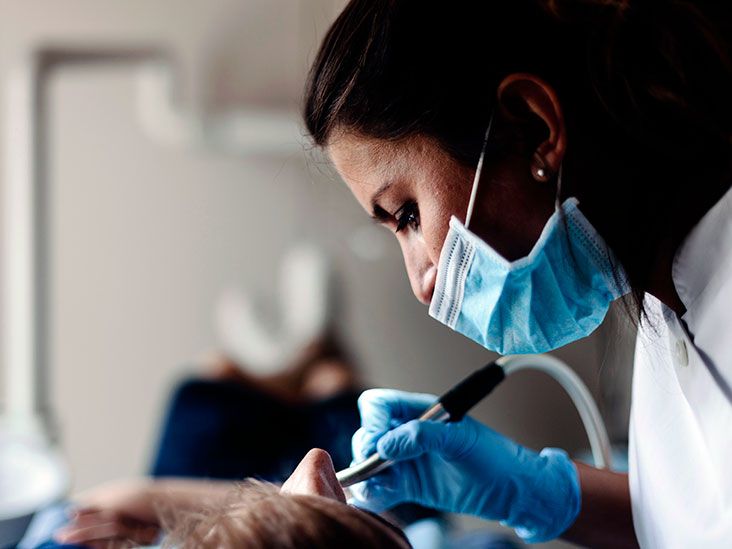
Medicare is wonderful for many things: hospital care, doctor visits, preventive screenings, and keeping your mailbox fully stocked with plan brochures every fall. Dental care, however, is where Medicare gets oddly shy. Many people assume that because teeth are attached to the body, Medicare must treat them as part of health care. Sensible? Yes. Automatically covered? Not usually.
The short version is this: Original Medicare does not cover most routine dental care. That means cleanings, fillings, dentures, most extractions, root canals, implants, and the friendly six-month checkup where your dentist asks if you floss and you suddenly become a creative writer. Still, there are important exceptions. Medicare may pay for dental services when they are medically necessary and directly connected to another covered medical treatment.
This guide explains how Medicare and dental coverage really work, what is excluded, what may be covered, how Medicare Advantage changes the picture, and what requirements patients should understand before assuming the bill will be paid.
Does Medicare Cover Dental Care?
In most everyday situations, Original Medicare does not cover dental services. Original Medicare includes Part A, which is hospital insurance, and Part B, which is medical insurance. These parts are designed mainly around medical care, not routine oral health. So if you visit a dentist for a cleaning, cavity filling, crown, bridge, denture fitting, or implant consultation, you should expect to pay out of pocket unless you have separate dental coverage.
The reason is not that teeth are unimportant. In fact, oral health is closely connected to overall health, especially for people with diabetes, heart disease, cancer treatment needs, or a weakened immune system. The reason is legal and historical: Medicare was created with a broad exclusion for services connected with the care, treatment, filling, removal, or replacement of teeth and supporting structures.
That exclusion still matters today. It is why a dental office may say, “Medicare does not cover this,” even when the procedure feels medically important to you. The good news is that Medicare rules have become clearer in recent years about certain medically necessary dental services that are linked to covered medical care.
What Original Medicare Usually Excludes
Original Medicare generally excludes dental care that is primarily for the health of your teeth, gums, or mouth. Common non-covered services include:
- Routine dental exams and checkups
- Teeth cleanings and preventive scaling
- Dental X-rays for ordinary dental diagnosis
- Fillings for cavities
- Root canals
- Crowns, bridges, and veneers
- Dentures, including full or partial dentures
- Dental implants
- Most tooth extractions
- Procedures done mainly to prepare the mouth for dentures
In plain English: if the service would normally happen in a dental office because a tooth needs repair, replacement, cleaning, or removal, Original Medicare usually steps out of the room. It does not even leave a mint on the pillow.
When Medicare May Cover Dental Services
Medicare may cover some dental services when they are not simply routine dental care but are directly related to the success of another Medicare-covered medical treatment. CMS often describes these as dental services that are “inextricably linked” to covered medical care.
Examples may include dental or oral exams and medically necessary treatment to remove infection before or during certain major covered treatments. These can include organ transplants, hematopoietic stem cell or bone marrow transplants, cardiac valve replacement, valvuloplasty procedures, dialysis for end-stage renal disease, and treatment for head and neck cancer with radiation, chemotherapy, surgery, or a combination of treatments.
Medicare may also cover certain dental services related to jaw fractures, dental splints used as part of treatment for a covered medical condition, or dental ridge reconstruction performed at the same time as surgery to remove a tumor. In these cases, the dental work is not being covered because Medicare suddenly became a dental plan. It is being covered because the dental service is necessary for a separate covered medical service to succeed.
Example: Dental Infection Before an Organ Transplant
Suppose a patient is preparing for an organ transplant and the medical team finds a serious oral infection that could create a dangerous complication after surgery. In that situation, Medicare may cover medically necessary dental treatment to eliminate the infection because the dental care is tied to the success and safety of the Medicare-covered transplant.
Example: Head and Neck Cancer Treatment
A patient undergoing radiation treatment for head and neck cancer may need dental evaluation and treatment before therapy begins. Medicare may cover certain dental services if they are necessary to prevent or address complications connected to the covered cancer treatment.
Coverage Under Part A vs. Part B
Medicare Part A may apply when dental services are provided during an inpatient hospital stay. For example, if a person must be admitted to a hospital because of an underlying medical condition or because a dental procedure is unusually severe, Part A may help pay for hospital-related services. That does not mean Part A turns every hospital-based dental bill into a covered bill. The reason for the hospitalization matters.
Medicare Part B may apply to certain outpatient dental services that are directly connected to covered medical treatment. For instance, Part B may be relevant when an oral exam or dental infection treatment is required before a covered transplant, valve procedure, cancer treatment, or dialysis-related care.
The setting alone does not guarantee coverage. A dental procedure performed in a hospital is not automatically covered. Likewise, a service performed in a dental office is not automatically excluded if it meets Medicare’s strict medical-link requirements. The key question is whether the dental service is medically necessary, documented, and connected to a covered medical service.
Requirements for Medicare Dental Coverage
To qualify for Original Medicare coverage, the dental service generally must meet several requirements. First, it must be substantially related and integral to the success of a Medicare-covered medical service. Second, the medical and dental providers must coordinate care. Third, the record should clearly document why the dental service is necessary for the medical treatment.
Documentation is not paperwork decoration. It can determine whether the claim is paid or denied. A referral, treatment note, exchange of information between physicians and dentists, diagnosis, care plan, and timing of the dental service can all matter. If there is no clear evidence that the dental and medical providers coordinated care, Medicare may deny payment.
Providers also need to meet billing requirements. Covered dental services must be billed by a Medicare-enrolled provider or through an appropriate arrangement that satisfies Medicare rules. Patients should not assume that every dentist can bill Medicare successfully. Before treatment, ask whether the provider is enrolled with Medicare, whether the service is expected to be covered, and whether an advance notice or cost estimate is available.
Does Medicare Advantage Cover Dental?
Medicare Advantage, also called Part C, is different from Original Medicare. These plans are offered by private insurance companies approved by Medicare. They must cover the same basic Medicare Part A and Part B benefits, but many also include extra benefits such as dental, vision, hearing, fitness memberships, and sometimes transportation.
Many Medicare Advantage plans advertise dental benefits, and dental coverage can be a major reason people choose them. However, “dental included” can mean many different things. One plan may cover two cleanings and an exam each year. Another may include fillings, extractions, crowns, dentures, or implants up to an annual limit. A third may look generous in the brochure but have a small provider network or strict prior authorization rules. In other words, read the fine print before your molar writes a check your plan will not cash.
Common Medicare Advantage Dental Benefits
Depending on the plan, Medicare Advantage dental benefits may include:
- Routine oral exams
- Cleanings
- Bitewing or full-mouth X-rays
- Fluoride treatment
- Fillings
- Simple extractions
- Periodontal treatment
- Dentures or denture repair
- Crowns or root canals
- Implants, in some plans
Coverage may be divided into preventive, basic, and major services. Preventive care may be covered at a higher percentage or with no copay, while major services may require coinsurance. Many plans also use annual maximums, meaning the plan pays only up to a set amount each year.
Important Medicare Advantage Dental Limitations
Medicare Advantage dental benefits often come with rules. You may need to use in-network dentists. You may need prior authorization for expensive services. Some procedures may have waiting periods, frequency limits, or exclusions. A plan might cover one set of X-rays every certain number of months, one crown per tooth over a defined period, or dentures only after a specific time frame.
Also watch for annual maximums. A plan may advertise “comprehensive dental,” but if the annual dental allowance is modest, it may not go far toward crowns, implants, or dentures. Dental math can become surprisingly dramatic. One crown can eat a yearly benefit faster than a golden retriever eats an unattended sandwich.
Before enrolling, compare the Evidence of Coverage, Summary of Benefits, provider directory, dental network, copays, coinsurance, annual maximum, and prior authorization rules. If your favorite dentist is not in the network, the plan may be less useful than it looks.
Does Medigap Cover Dental?
Medigap, also called Medicare Supplement Insurance, helps pay certain out-of-pocket costs under Original Medicare, such as deductibles, copayments, and coinsurance. But Medigap generally does not add routine dental coverage. Since Original Medicare usually does not cover routine dental services, Medigap usually has nothing to supplement for those services.
Some insurance companies sell separate dental policies alongside Medigap, but those are not the same as Medigap coverage. If you have Original Medicare plus Medigap and want dental coverage, you may need a standalone dental insurance plan, a dental discount program, employer or retiree coverage, Veterans Affairs benefits if eligible, or Medicaid dental benefits if you qualify.
Medicaid, Dual Eligibility, and Dental Care
Some people qualify for both Medicare and Medicaid. These individuals are often called dual eligible beneficiaries. Medicaid dental coverage for adults varies by state. Some states offer comprehensive adult dental benefits, some offer limited emergency dental coverage, and some provide only narrow benefits. There is no single national adult Medicaid dental package that applies everywhere.
If you are dual eligible, check with your state Medicaid agency or your Dual Eligible Special Needs Plan if you are enrolled in one. Medicaid may cover services that Original Medicare does not, but the details depend on state rules, provider participation, and plan structure.
How to Check Your Dental Coverage Before Treatment
Before scheduling major dental work, take a practical approach. Start by identifying what kind of Medicare coverage you have: Original Medicare, Medicare Advantage, or Medicare plus Medicaid. Then call the plan or program directly. Ask whether the exact procedure code is covered, whether your dentist is in network, whether prior authorization is required, what the annual maximum is, and what your expected out-of-pocket cost will be.
For medically linked dental services under Original Medicare, ask your medical provider and dentist to coordinate documentation. The record should explain why the dental work is necessary for another covered medical service. Ask whether the provider can bill Medicare and whether you may receive an Advance Beneficiary Notice if Medicare is expected to deny payment.
For Medicare Advantage, do not rely only on marketing language. “Dental benefits included” is a headline, not a treatment plan. Get details in writing whenever possible.
Smart Ways to Reduce Dental Costs on Medicare
If you need dental care and Medicare does not cover it, you still have options. Compare Medicare Advantage plans during open enrollment if dental coverage is a priority. Look at standalone dental insurance policies, but review premiums, waiting periods, annual limits, and excluded services. A low premium may not help much if the plan barely covers the procedure you need.
Dental schools may offer care at reduced prices under supervision. Community health centers sometimes provide dental services on a sliding fee scale. Nonprofit clinics, local aging agencies, and state oral health programs may also help. Some dentists offer in-house membership plans for preventive care and discounts on procedures. These are not insurance, but they may reduce costs for people who pay cash.
The best savings strategy is prevention. Regular brushing, flossing, cleanings when affordable, managing dry mouth, addressing small problems early, and controlling chronic conditions can reduce the chance of expensive dental surprises. Teeth are a lot like cars: skipping maintenance rarely saves money in the long run, and the emergency version always arrives at the worst possible time.
Common Misunderstandings About Medicare and Dental
“My dentist says it is medically necessary, so Medicare must pay.”
Not always. A dentist may correctly say a service is necessary for oral health, but Medicare coverage usually requires a link to another Medicare-covered medical service. Medical necessity alone is not enough if the service falls under the routine dental exclusion.
“If I am in the hospital, dental care is covered.”
Not automatically. Medicare may cover hospital services when hospitalization is required because of the patient’s medical condition or the severity of the procedure, but ordinary dental care does not become covered just because it occurs in a hospital setting.
“All Medicare Advantage dental benefits are basically the same.”
No. Plans vary widely. Two plans in the same county may have different networks, covered procedures, copays, limits, and authorization rules. Always compare details, not just the word “dental.”
“Medigap will cover what Medicare does not.”
Medigap helps with cost-sharing for Medicare-covered services. It generally does not create new routine dental benefits.
Practical Experiences: What People Often Learn the Hard Way
Experience teaches that Medicare dental coverage is less about asking, “Does Medicare cover dental?” and more about asking, “Which Medicare path am I using, and what exact service do I need?” People often discover this only after getting a treatment plan with numbers that look like a small home renovation estimate.
One common scenario involves a person with Original Medicare who has not seen a dentist for years because medical appointments took priority. A tooth starts hurting, the dentist recommends an extraction and partial denture, and the patient assumes Medicare will help because the pain is real. Unfortunately, pain does not automatically convert routine dental treatment into a Medicare-covered medical service. Unless the extraction is tied to a covered medical procedure under Medicare’s rules, the bill is usually the patient’s responsibility.
Another common experience happens with Medicare Advantage. A beneficiary chooses a plan because the brochure says it includes dental. Months later, they learn that preventive cleanings are covered, but crowns are covered only up to a limited annual amount, or only after prior authorization, or only with certain network dentists. The benefit is real, but it may not be as broad as expected. This is why a plan’s dental maximum, network list, and procedure categories matter so much.
Some people have a better experience because they ask questions early. For example, a patient preparing for cancer treatment may have a medical team that coordinates with a dentist before therapy begins. If the dental exam and treatment are properly connected to the covered cancer care and documented clearly, Medicare coverage may be possible. The difference is not luck; it is coordination.
Dual eligible beneficiaries may find help through Medicaid, but this can also be confusing. Adult Medicaid dental benefits depend on the state. A person moving from one state to another may discover that dental benefits changed even though Medicare stayed the same. That is not exactly fun, unless your hobby is reading benefit manuals with a magnifying glass and a strong cup of coffee.
The biggest lesson is to verify coverage before treatment whenever possible. Ask for the procedure codes, confirm the dentist’s network status, request prior authorization when required, and keep written notes from plan calls. If a claim is denied, review the denial reason and appeal rights. Dental coverage under Medicare can be narrow, but being organized gives you a much better chance of avoiding surprise bills.
Conclusion
Medicare and dental coverage can feel confusing because the answer is not a simple yes or no. Original Medicare generally does not cover routine dental care, including cleanings, fillings, dentures, implants, and most extractions. However, Medicare may cover dental services that are medically necessary and directly connected to another covered medical treatment, such as certain transplant, cancer, cardiac, dialysis, or jaw-related care.
Medicare Advantage may offer broader dental benefits, but coverage varies by plan. Medicaid may help some dual eligible beneficiaries, but adult dental benefits depend on state rules. Medigap usually does not add dental coverage. The smartest move is to check the exact service, provider network, documentation requirements, prior authorization rules, and expected costs before treatment begins.
In short: Medicare does not hate teeth, but it does make them fill out paperwork. Know the rules, compare your options, and never let the word “included” do all the thinking for you.