Fibroids are the kind of health issue that can sneak into your life like an uninvited houseguest, rearrange the furniture, eat all the snacks, and then act shocked when you want answers. These noncancerous growths in or around the uterus are common, but the symptoms can feel anything but casual: heavy periods, pelvic pressure, bloating, lower back pain, fatigue, constipation, frequent urination, and the general sense that your body is staging a very inconvenient protest.
Here is the most important truth up front: home remedies can help manage fibroid symptoms, but they do not replace a proper diagnosis or medical treatment when symptoms are severe. In other words, these remedies are supportive tools, not magical eviction notices for fibroids. Still, when used consistently, they may make everyday life much more comfortable.
This guide breaks down nine realistic, evidence-informed home remedies that may help you feel better, function better, and stop glaring at your heating pad like it is your only true friend. We will also cover when home care is not enough and when it is time to call a healthcare professional.
What Fibroids Really Need: Management, Not Mythology
One reason fibroids are so frustrating is that they do not behave the same way in every person. Some people have no symptoms at all. Others deal with periods that seem to last forever, pelvic heaviness that makes jeans feel offensive, or fatigue that turns a normal workday into an endurance sport.
Because symptoms vary, “home remedies” should be matched to what you are actually dealing with. Are you battling cramps? Pressure? Bleeding? Constipation? Exhaustion? A good at-home plan works best when it is practical and specific, not when it promises to “detox your womb” and costs more than your electricity bill.
1. Use Heat for Pelvic Pain and Cramping
If fibroids cause cramps, pelvic aches, or lower back pain, heat is one of the simplest remedies worth trying. A heating pad, hot water bottle, warm bath, or warm shower may help relax muscles and reduce the feeling of tension in the lower abdomen and back.
This is the home-remedy equivalent of low drama and decent results. It is not flashy, but it is often useful. Try applying gentle heat to your lower belly for 15 to 20 minutes at a time. Some people also get relief by rotating heat between the lower abdomen and lower back, especially when the pain seems to wrap around like a bad mood.
Example: If your symptoms flare the week before your period, keep a heating pad near your bed or desk so relief is easy instead of turning into a scavenger hunt. Convenience matters more than wellness aesthetics.
2. Eat an Anti-Inflammatory, Fiber-Friendly Diet
No food can guarantee fibroid shrinkage. That part of the internet tends to speak with a confidence level the evidence does not support. But a healthier overall eating pattern may help manage inflammation, support hormone balance, improve digestion, and reduce some of the symptom burden.
A practical fibroid-friendly plate often includes:
- More vegetables, especially leafy greens and colorful produce
- More fruit
- Beans, lentils, oats, and other fiber-rich foods
- Fish, nuts, seeds, and other sources of healthy fats
- Fewer ultra-processed foods
- Less red and heavily processed meat
Fiber matters for more than one reason. First, it supports overall health. Second, it may help if fibroids are contributing to bloating or sluggish bowels. And third, a diet built around whole foods tends to be easier on the body than one built around drive-thru emergencies and “I forgot to eat all day, so now I am eating crackers over the sink.”
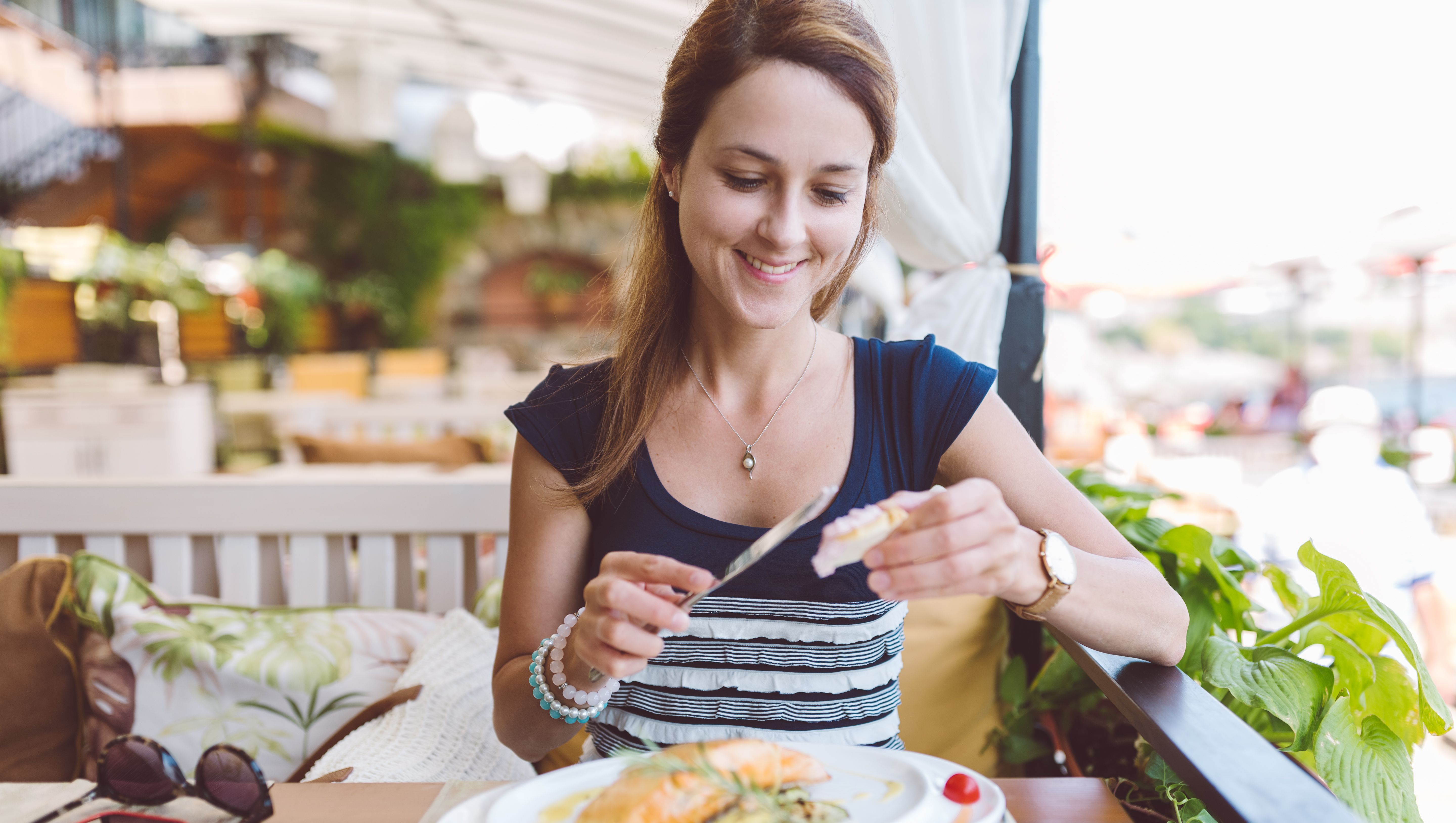
Example: Swap one heavy convenience meal each day for something more balanced, like salmon with brown rice and broccoli, or a lentil bowl with greens, olive oil, and roasted vegetables. Your uterus may not throw a parade, but your body may complain less.
3. Move Your Body Gently and Regularly
When pelvic pain or heavy bleeding hits, exercise may sound deeply offensive. But gentle movement can help some people manage fibroid symptoms. Walking, stretching, swimming, yoga, and other low-impact exercise may improve circulation, support mood, and help the body release endorphins, which act like natural pain fighters.
Movement can also support a healthy weight, and that matters because body fat influences estrogen levels. Fibroids are hormonally sensitive, so long-term lifestyle habits do matter, even if they do not work overnight.
The key word here is gentle. This is not the time to start training like you have been recruited into a movie montage. If high-impact exercise makes your symptoms worse, scale back. A twenty-minute walk counts. A few yoga stretches count. Marching around your living room while waiting for pasta water to boil? Honestly, that counts too.
Best low-impact ideas to try
- Walking after meals
- Beginner yoga or stretching
- Swimming or water exercise
- Light mobility work on painful days
4. Prioritize Iron-Rich Foods if Bleeding Is Heavy
Heavy periods are one of the most common and most exhausting fibroid symptoms. Over time, heavy bleeding can drain your iron stores and lead to iron-deficiency anemia. That can make you feel tired, weak, dizzy, short of breath, or strangely outmatched by a single flight of stairs.
If fibroids are making your periods heavy, focusing on iron-rich foods is one of the smartest home strategies available. Good options include:
- Lean meats and eggs
- Beans and lentils
- Spinach and broccoli
- Nuts and seeds
- Dried fruits such as raisins, figs, and dates
Pairing iron-rich foods with vitamin C sources, like citrus, strawberries, or bell peppers, may help absorption. So yes, there is finally a good reason to act excited about adding fruit to your breakfast.
If you suspect anemia, do not rely on guesswork. Food helps, but severe fatigue, dizziness, or breathlessness deserves medical attention and blood testing. Some people need iron supplements or other treatment, especially if periods are very heavy.
5. Stay Hydrated and Support Digestion
Some fibroids press on nearby organs, including the bowel. That can contribute to constipation, bloating, and a feeling of abdominal heaviness. While water will not shrink fibroids, staying hydrated can support digestion and make it easier for fiber to do its job.
Aim for steady hydration throughout the day instead of trying to fix everything with one heroic bottle of water at 9:47 p.m. If constipation is an issue, combine fluids with fiber-rich foods and regular movement. This trio is not glamorous, but it is effective enough to deserve a standing ovation.
Helpful routine: Start the morning with water, include produce or oats at breakfast, walk for 10 to 15 minutes later in the day, and avoid letting dinner become a festival of salty processed food. Tiny routine changes often work better than dramatic “wellness resets” that last until lunchtime.
6. Practice Stress Reduction Without Pretending Stress Caused Your Fibroids
Let us clear something up: stress does not mean you “caused” your fibroids. Bodies are more complicated than that, and guilt is not a treatment plan. But ongoing stress can amplify pain, fatigue, sleep problems, and the general sense that everything feels harder than it should.
That is why stress management is useful. Yoga, mindfulness, deep breathing, meditation, and quiet routines may help lower tension and improve your ability to cope with symptoms. Some people find that stress relief reduces how intense their pain feels. Others simply feel more emotionally steady, which is still a win.
Try this: inhale for four counts, exhale for six, and repeat for five minutes. Or do a short evening yoga routine focused on hips, lower back, and breathing. No candles required. No spiritual rebrand necessary.
7. Protect Your Sleep Like It Is Part of Treatment
Sleep is often overlooked in fibroid management, which is a shame because poor sleep makes pain feel worse, drains patience, and turns minor discomfort into a full personality trait. If fibroids are causing pressure, cramping, back pain, or nighttime bathroom trips, sleep quality can drop fast.
Create a setup that makes rest easier:
- Use a body pillow or place a pillow under your knees when lying on your back
- Try side-sleeping with knees drawn slightly upward
- Keep your room cool and dark
- Use heat before bed if that helps pelvic tension
- Cut back on late caffeine if it worsens sleep or anxiety
Better sleep will not erase fibroids, but it may make pain, mood, and energy far more manageable. Sometimes symptom care starts with the least exciting advice and ends up being the most useful.
8. Track Your Symptoms Like a Detective, Not a Doomsday Blogger
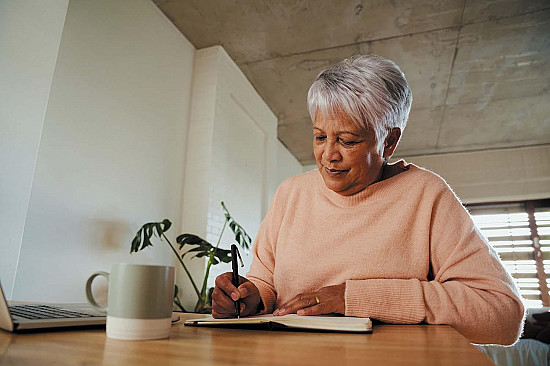
Keeping a symptom record is one of the most underrated home tools for fibroid management. It helps you spot patterns, prepare for flare-ups, and give your healthcare provider a much clearer picture of what is happening.
Track things like:
- When your period starts and ends
- How heavy the bleeding is
- Whether you pass clots
- Pelvic pain, back pain, or pressure
- Urinary frequency or constipation
- Fatigue, dizziness, or shortness of breath
- Anything that helps or makes symptoms worse
This matters because fibroid symptoms can overlap with other conditions. A clear symptom log can help your provider decide whether you need blood work, imaging, medication, or a referral. It also helps you avoid vague medical updates like, “I don’t know, doctor, everything was bad and then somehow more bad.”
9. Know Which “Natural Cures” to Ignore
Yes, this is a home remedy section, but it also needs one healthy dose of honesty. Be cautious with supplements, detox products, and internet miracle cures that claim to dissolve fibroids naturally. At best, many are unsupported. At worst, they delay real care, waste money, or interact with medications.
If a product claims it can melt fibroids, rebalance every hormone overnight, and transform your life before your next billing cycle, that is not a treatment plan. That is marketing in a lab coat.
Natural does not always mean safe, and expensive does not always mean effective. Before taking any supplement for fibroids, especially if you have heavy bleeding or other medical conditions, talk with a qualified clinician.
When Home Remedies Are Not Enough
Supportive care is helpful, but there is a line where symptom management at home needs backup. Contact a healthcare professional if you have:
- Very heavy bleeding, especially soaking a pad or tampon every hour for several hours
- Bleeding that lasts longer than a week
- Bleeding between periods or after menopause
- Severe pelvic pain or pain that happens even when you are not on your period
- Dizziness, weakness, shortness of breath, or signs of anemia
- Pressure symptoms that interfere with urination or bowel movements
- Trouble getting pregnant or concerns about fertility
Medical treatment may include medications that reduce bleeding or pain, hormonal therapy, procedures, or surgery depending on your symptoms, the size and location of the fibroids, and whether pregnancy is a goal. Home remedies and medical treatment are not enemies. Often, they work best together.
Final Thoughts
If you are looking for home remedies to help manage fibroids, aim for strategies that are simple, repeatable, and grounded in reality. Heat can ease pain. A balanced diet may support overall health. Gentle movement can help with mood and discomfort. Iron-rich foods matter if bleeding is heavy. Sleep, hydration, and stress reduction may make daily life more manageable. And tracking symptoms can help you get better care faster.
The biggest takeaway is this: you do not need to choose between “ignore it” and “believe every dramatic internet cure.” There is a smarter middle ground. Support your body at home, stay alert to warning signs, and get medical help when symptoms move beyond manageable. Fibroids may be common, but suffering through them in silence should not be.
Experiences People Commonly Describe When Managing Fibroids at Home
Living with fibroids often feels less like one major event and more like a long series of small negotiations with your body. Many people say the first sign is not dramatic pain but a creeping realization that their periods are becoming harder to manage. They may start buying larger pads, carrying backup underwear, scouting bathrooms in public places, or planning their day around bleeding that feels unpredictable. That kind of constant mental math can be exhausting, even before the cramps, fatigue, or pelvic pressure kick in.
Another common experience is confusion. Someone may think they are just “bad at periods” for years before realizing something more specific is going on. They may blame stress, age, diet, or bad luck. Then one day they connect the dots: the heavy bleeding, the lower back ache, the bloating that makes pants fit differently by evening, the need to pee more often, the sudden fatigue that makes simple errands feel like a marathon. The pattern finally starts to make sense.
At home, people often discover that symptom management is about layers, not one perfect fix. A warm bath helps on one day. A heating pad and a pillow under the knees help on another. Some notice that walking eases pelvic pressure a bit, while others find yoga helps them feel less tense and more in control. Many describe relief simply from having a routine: drinking more water, eating better during the week before a period, going to bed earlier, or keeping iron-rich snacks in the kitchen instead of relying on whatever is fastest when fatigue hits.
There is also an emotional side that does not get enough attention. People with fibroids often say the hardest part is not only the pain, but the unpredictability. It can be frustrating to look completely fine on the outside while quietly managing symptoms that affect work, social plans, sleep, intimacy, exercise, and confidence. Some feel embarrassed by heavy bleeding. Others feel dismissed when they try to explain how draining it is. That is why practical home care can feel empowering. It may not solve everything, but it gives people a way to respond instead of just endure.
Perhaps the most useful lesson people describe is that “manageable” does not have to mean “normal.” Home remedies can make life better, but they are also information. If heat barely touches the pain, if bleeding keeps getting heavier, if fatigue starts running your schedule, or if your life keeps shrinking around your symptoms, that is not failure. That is a sign to get more support. For many people, the best outcomes come from combining smart home habits with medical care instead of trying to win a silent battle alone.