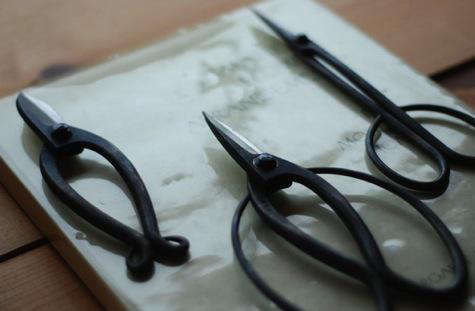
If regular pruning shears are the reliable sneakers of the garden shed, Japanese garden scissors are the handmade loafers that somehow make you stand straighter. They are precise, purposeful, and a little addictive. One clean snip turns into ten, ten becomes fifty, and suddenly you are out in the yard whispering, “Just one more branch,” like a person who definitely did not mean to spend the whole afternoon grooming a shrub.
That is the appeal of Japanese garden scissors and shears. They are not just tools for cutting. They are tools for noticing. They invite you to slow down, see the structure of a plant, and make cuts that feel considered rather than chaotic. In an era of noisy power tools and plastic-heavy shortcuts, that kind of quiet precision feels almost rebellious.
This roundup takes a practical look at the most useful types of Japanese garden scissors, what makes them different from standard pruning tools, which styles are best for various tasks, and how to choose a pair that will not leave you with buyer’s remorse and a lopsided boxwood. Whether you care for a bonsai, a tidy patio garden, or a sprawling landscape with shrubs that grow like they pay rent, there is a Japanese cutting tool that can earn its keep.
Why Japanese Garden Scissors Stand Out
The phrase Japanese garden scissors covers more than one tool. It can refer to fine snips for detailed work, secateurs for live stems, long-bladed hedge shears for cloud pruning, and specialized scissors designed for everything from soft growth to woody stems. What ties them together is a design philosophy that values balance, clean cutting action, and stripped-down efficiency.
Many classic Japanese models lean into simplicity. Instead of bulky cushioning, extra gears, and enough moving parts to make a bicycle nervous, they often rely on excellent steel, smart blade geometry, and a direct feel in the hand. That “direct action” is one reason gardeners who love Japanese tools talk about them the way coffee people talk about grinders: with suspicious levels of emotion.
Traditional styles also tend to prioritize clean, precise cuts. That matters because rough, crushed stems are not just ugly. They can stress the plant and make healing slower. If you are shaping a pine, clipping boxwood, maintaining a maple, or deadheading delicate flowering stems, a sharp pair of shears is less drama for the plant and less effort for you.
The Main Types in a Japanese Garden Scissor Roundup
1. Japanese Secateurs
Think of these as the everyday heroes. Often called pruning shears or hand pruners in American gardening, Japanese secateurs are ideal for live stems, small branches, and general cleanup. Many models use a bypass-style action, meaning one blade passes by the other like scissors. That makes them especially well suited for green, living growth.
If you are pruning roses, snipping perennial stems, thinning small branches, or doing routine garden maintenance, this is the tool you will reach for most. Some Japanese secateurs are forged from high-carbon steel and feel wonderfully solid, while others are lighter and easier on the wrist for long sessions. A few well-known examples in the enthusiast world include Okatsune, Onoyoshi, and Tobisho styles, each with slightly different personalities. Some feel crisp and minimalist; others feel like they were made for a gardener who insists on elegance even while standing in mud.
2. Topiary and Box-Clipping Shears
This is where Japanese garden aesthetics really show off. Long, slender shears are excellent for shaping hedges, clipping boxwood, refining azaleas, and performing cloud pruning. If you have ever admired those layered, floating green forms in Japanese-inspired landscapes, this is the category doing the heavy lifting.
These shears give you more control across a wider surface area than standard hand pruners. They are especially useful when you want consistency of line and shape rather than random “I cut where the branch annoyed me” energy. Shorter models are great when you want to work close to the plant. Longer blades can speed up formal shaping on larger shrubs.
3. Snips for Fine Detail
Needle-nose snips and fine gardening scissors are perfect for small, precise work. Use them for deadheading, harvesting herbs, trimming soft stems, refining container plants, or doing close-up work on bonsai and houseplants. They are the detail brushes of the garden world.
These are especially useful when large pruners feel clumsy. If you have ever tried to remove one fading blossom with a full-size pruner and accidentally taken half the plant’s dignity with it, you already understand the value of a smaller tool.
4. Hedge Shears for Broader Shaping
Japanese hedge shears are built for rhythm. Open, close, step back, squint at the hedge like an artist evaluating a marble block, then open and close again. They are ideal for shaping hedges, taming small-leaved shrubs, and maintaining formal outlines. Manual hedge shears remain a favorite for gardeners who care about accuracy more than speed, or who simply enjoy the oddly therapeutic nature of repeated clipping.
In a Japanese-style garden, hedge shears often do more than trim. They sculpt. The goal is rarely a harsh geometric blob. It is more often a refined shape that looks intentional but still alive.
What to Look for Before You Buy
Blade Style: Bypass Beats Bruising
For most living branches and green stems, bypass-style blades are the better choice because they make cleaner cuts. Anvil-style pruners have their place, especially on dry or dead wood, but they can crush fresh growth. If your main goal is pruning ornamental shrubs, perennials, roses, or small trees, bypass is usually the safer bet.
Steel Type: Carbon vs. Stainless
High-carbon steel often holds a wickedly sharp edge and delivers that lovely “snip” that gardeners become weirdly attached to. The tradeoff is maintenance. Carbon steel can rust if neglected, especially after contact with moisture or sticky plant sap. Stainless steel is lower maintenance and more forgiving, though some gardeners feel it lacks the same edge retention or character. In plain English: carbon steel is the sports car, stainless is the dependable sedan.
Handle Material and Comfort
Traditional Japanese handles may use wood, coated metal, or simple grips without much padding. That is not a flaw. It is part of the stripped-down approach. Still, comfort matters. If you prune for long stretches, test for balance, spring tension, and how the lock works with gloved hands. A tool can be beautiful and still annoy you every time you open it. Beauty is nice. Not swearing at the lock is nicer.
Weight and Balance
Lightweight tools reduce fatigue, especially for detail work and repetitive clipping. Heavier forged models can feel more stable and durable, but they are not always the best choice for smaller hands or marathon pruning sessions. The best tool is not the one that looks most impressive. It is the one you will still like after forty-five minutes with a shrub that has clearly decided to test your patience.
A Practical Roundup by Garden Task
Best for Everyday Pruning
Choose Japanese secateurs with a bypass blade, a reliable spring, and a simple locking mechanism. These are ideal for routine maintenance, light woody stems, perennial cleanup, and cutting back spent growth. Gardeners who value clean cuts and efficient action often gravitate to classic Japanese pruners because they feel responsive in a way many mass-market tools do not.
Best for Topiary and Cloud Pruning
Go with dedicated topiary shears or shorter hedge shears. These are made for shaping, not brute force. If you are maintaining boxwood domes, clipped holly, or layered evergreen forms, they offer the control needed to keep the silhouette tidy without turning every shrub into a green meatball.
Best for Herbs, Houseplants, and Delicate Trimming
Fine snips are ideal for harvesting basil, trimming faded blooms, tidying indoor plants, or making small adjustments where precision matters more than power. These also make wonderful companion tools if you already own a larger pair of pruners but need something more nimble.
Best for Hedges and Repetitive Clipping
Longer hedge shears shine when you have lots of light shaping to do. They are not meant for thick branches. That is not a weakness; it is specialization. Use them where they excel and they feel graceful. Ask them to chew through chunky woody stems and they will remind you that every tool has boundaries.
Are Premium Japanese Garden Scissors Worth It?
Often, yes. Not because they are magical, and certainly not because the shrub will write you a thank-you note. They are worth it because a well-made cutting tool changes the gardening experience. Good steel stays sharper longer. Better balance reduces strain. Cleaner cuts improve control. And tools that are easy to maintain tend to stay in rotation instead of gathering dust next to the mystery screwdriver and one lonely zip tie.
That said, “premium” only matters if the tool fits the job. Buying exquisite hand-forged secateurs to snip soft basil once a month is like commuting in a race car through a school zone. Nice, but unnecessary. Start by matching the tool to the task. Upgrade where it will actually make your life easier.
How to Care for Japanese Garden Scissors
If you buy good scissors and then leave them sticky, wet, and rattling around in a bucket, that is not ownership. That is betrayal.
After each use, wipe off sap and debris. If you are moving between plants, especially diseased ones, sanitize the blades. Dry the tool thoroughly before storage. A little oil on the pivot and blade goes a long way, especially for carbon steel. Keep the edge sharp with the appropriate sharpening stone or file, and do not wait until the blades are butter-knife dull and emotionally exhausted.
Proper maintenance is not just about extending tool life. It helps produce cleaner cuts and reduces the chance of spreading disease around the garden. In other words, five minutes of care can save you money, effort, and a lot of muttering later.
Common Buying Mistakes to Avoid
Buying One Tool and Expecting It to Do Everything
Hand pruners are versatile, but they are not hedge shears, and hedge shears are not a substitute for a pruning saw. Japanese garden scissors work best when you respect their intended use.
Ignoring Maintenance Needs
If you want zero upkeep, choose stainless models or simpler utility tools. If you love carbon steel, accept the romance and the responsibility. Rust is not a personality trait.
Choosing Based on Looks Alone
Yes, many Japanese tools are beautiful. Some look like they belong in a museum gift shop for people with excellent taste. But the right fit, blade type, and balance matter more than aesthetics. Buy the tool your hand wants to use, not just the one your camera likes.
Final Thoughts: Which Japanese Garden Scissors Should You Start With?
If you are building a kit from scratch, start with one excellent pair of Japanese secateurs. That will cover the widest range of everyday garden jobs. After that, add fine snips for detail work or topiary shears if you care for clipped shrubs and formal shapes. If hedges are your weekly workout, manual hedge shears deserve a permanent spot in the shed.
The best Japanese garden scissors are not just accessories. They are extensions of how you garden. They reward patience, precision, and a little attention to maintenance. They make ordinary pruning feel more intentional, and they turn the simple act of trimming a plant into something closer to craft.
And really, that may be the whole point. A garden is never finished. It is edited. Japanese garden scissors just happen to be very good editors.
Hands-On Experience: What Using Japanese Garden Scissors Actually Feels Like
The first time I used a really good pair of Japanese garden scissors, I understood why gardeners get evangelical about tools. I had expected “sharp.” What I did not expect was personality. The scissors felt balanced in a way that made my hand relax almost immediately. There was no wrestling, no awkward forcing of stems, no vague sense that the tool and I were in different relationships with the branch. It just worked.
That first session was supposed to be a quick tidy-up. A few dead stems here, a light trim there, maybe ten minutes outside. Instead, I ended up moving slowly through the garden for nearly an hour. The scissors changed my pace. I started paying more attention to the direction of stems, the shape of the shrub, and where a cut would actually improve the plant rather than just make it shorter. That is the subtle thing Japanese garden scissors can do: they encourage intention.
On boxwood and small-leaved evergreens, the experience felt especially satisfying. With long shears, there is a rhythm that develops after a few minutes. Open, close, shift, step back, repeat. You stop hacking and start sculpting. The plant reveals its structure, and the cuts begin to feel less like maintenance and more like refinement. It is still yard work, of course. You will still find clippings in your shoes. But it becomes a calmer kind of work.
I also noticed how much less hand fatigue I had when using a well-balanced pair of scissors compared with bulky all-purpose shears. Cheap tools often fight you. The spring feels mushy, the handles rub awkwardly, the lock is annoying, and the cut requires more force than it should. With better Japanese tools, especially lighter snips and well-made secateurs, the motion feels more efficient. You are not spending energy correcting the tool. You are spending energy on the plant.
That matters even more with detail work. Trimming herbs, deadheading flowers, or cleaning up container plants with fine snips feels almost meditative. There is something deeply pleasing about taking off exactly what you meant to remove and nothing more. No torn leaves. No accidental massacre. Just a neat little cut and onward you go, feeling absurdly competent.
There is also an emotional side to using traditional-style tools. Because many Japanese garden scissors are simple and visibly well made, you tend to treat them with more respect. You wipe them down. You put them away properly. You notice when they need sharpening. That habit spills over into the way you garden. You slow down. You observe more. You become less interested in mowing through chores and more interested in doing a task well.
Of course, there is a learning curve. Some Japanese tools feel very direct compared with heavily cushioned Western pruners. At first, that can seem almost too honest. They tell you immediately when your angle is off or your grip is clumsy. But once your hand adapts, that directness becomes the charm. You feel more connected to the cut.
If I had to sum up the experience in one sentence, it would be this: Japanese garden scissors make gardening feel less like a battle and more like a conversation. You still have to do the work. The hedge will not trim itself, no matter how expensive the shears. But the work becomes cleaner, calmer, and strangely enjoyable. And when a tool can make you look forward to pruning instead of postponing it until the shrub becomes a public safety concern, that tool has earned its place.