Some cats look majestic. Some look mysterious. Some look as if they have just returned from judging your entire life and finding the décor unacceptable. And then there is the kitty who looks permanently embarrassedwide-eyed, soft-faced, slightly guilty, and emotionally prepared to apologize for something she almost certainly did not do.
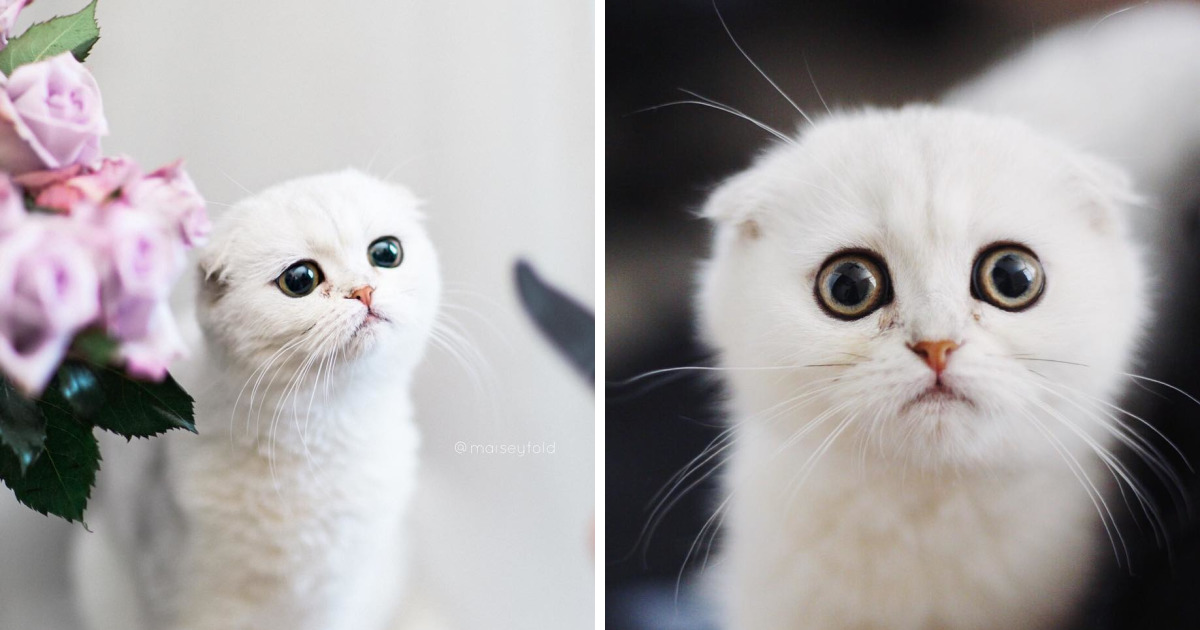
The internet has long adored cats with unusually expressive faces, and one of the sweetest examples is Maisey, the “always guilty” or “constantly embarrassed” kitty who became a viral favorite because her face seems to say, “I knocked over the vase, read your diary, and forgot how stairs work.” The funny part? No one really knows why she looks that way. The better part? She does not need a dramatic backstory to become charming. Sometimes a cat’s face simply has main-character energy.
Still, the phrase “embarrassed cat” raises a surprisingly interesting question: do cats actually feel embarrassment, or are humans just projecting our own awkward little social nightmares onto their whiskered faces? The answer is more complicated than “yes” or “no,” and that is exactly what makes the topic so fun. Let’s explore why this kitty looks constantly embarrassed, what cat body language really means, and why humans keep turning feline facial expressions into emotional soap operas.
Meet the Internet’s Most Embarrassed-Looking Kitty
Maisey became popular online because her photos captured an expression that looked wonderfully human. Her round eyes, folded-ear appearance, gentle posture, and innocent face created the illusion of a cat quietly reliving every awkward moment of her nine lives. She looked like she had waved at someone who was waving at the cat behind her. She looked like she accidentally liked a post from 2014. She looked like she had said “you too” when the vet told her to feel better.
That is the magic of viral cat content. A single facial expression becomes a tiny story. People do not just see a cat sitting on a blanket; they see a furry philosopher trapped in a cloud of social anxiety. Of course, Maisey is not actually writing apology letters in her head. Her look is probably a mix of genetics, anatomy, lighting, timing, and our human habit of assigning emotions to adorable faces. But that does not make her any less delightful.
Can Cats Actually Feel Embarrassed?
Veterinary behavior experts generally separate animal emotions into basic emotions and more complex social emotions. Cats clearly experience basic emotional states such as fear, contentment, frustration, curiosity, and stress. Anyone who has opened a can of tuna three rooms away understands feline excitement. Anyone who has attempted to give a cat a bath understands feline outrage.
Embarrassment, however, is a more complicated emotion. In humans, embarrassment usually involves self-awareness, social expectations, and the belief that others are judging us. It is the feeling that appears when we trip in public and immediately look around to see if anyone witnessed our dramatic audition for sidewalk theater.
With cats, scientists do not yet have strong proof that they experience embarrassment in the human sense. What looks like embarrassment may actually be stress, surprise, overstimulation, discomfort, confusion, or a quick attempt to reset after something unexpected happens. A cat that misses a jump and starts grooming may not be thinking, “How humiliating.” More likely, the grooming is a displacement behaviora normal action performed out of context to help the cat cope with a sudden burst of tension.
Why We Think Cats Look Guilty, Shy, or Embarrassed
Humans are professional meaning-makers. Give us two eyes and a mouth-shaped shadow, and we will name it Kevin and assign it a mortgage. This tendency is called anthropomorphism: interpreting animal behavior through a human lens. It is not always bad. It can help people bond with pets and pay closer attention to them. But it can also lead us to misunderstand what an animal is truly communicating.
1. Big Eyes Read as Innocence
Large, round eyes often make animals appear baby-like, surprised, or vulnerable. In cats, wide eyes can mean curiosity, alertness, excitement, fear, or simply that the lighting caused the pupils to dilate. To us, though, big eyes often translate as, “I have made a tiny mistake and I am emotionally devastated.”
2. Folded or Low Ears Look Bashful
Some cats naturally have ears that fold or sit differently due to breed traits or individual anatomy. Other cats flatten or rotate their ears when they are stressed, annoyed, or cautious. Humans often read lowered ears as shame because we associate small, tucked-in body language with embarrassment. In cat language, however, ear position is more about mood, attention, and comfort level.
3. A Tucked Posture Feels “Sorry” to Us
A crouched or compact posture may look like a cat is apologizing, but it can also signal uncertainty, fear, restfulness, or a desire to feel safe. Cats are both predators and prey animals, so when they feel unsure, they often make themselves smaller. That is not necessarily guilt. It is more like the feline version of saying, “I would prefer not to participate in whatever this is.”
The Difference Between a Funny Face and a Real Stress Signal
It is perfectly fine to laugh lovingly at a cat’s goofy expression. Cats are natural comedians, even when they are not trying. But responsible pet owners should also know the difference between a cute “embarrassed” face and signs that a cat may be uncomfortable.
Common signs of feline stress or anxiety can include hiding, flattened ears, dilated pupils, a stiff body, tail twitching, excessive grooming, changes in appetite, unusual vocalizing, aggression, or litter box changes. A cat that occasionally looks bashful in a photo is probably just being photogenic. A cat that frequently hides, stops eating, over-grooms, or acts differently from normal may need a calmer environment or a veterinary checkup.
That distinction matters. The internet sees one frame. A pet parent sees the whole pattern. A single silly expression is entertainment. A repeated change in behavior is information.
Why Cats Groom After Awkward Moments
One classic “embarrassed cat” behavior happens after a failed jump. A cat leaps toward a windowsill, miscalculates by exactly one whisker, lands with the grace of a dropped sandwich, and then immediately starts licking a paw as if that was the plan all along.
This is where humans shout, “She’s embarrassed!” Maybe. But a more evidence-based explanation is displacement grooming. Cats may groom when they need to self-soothe after a surprising, exciting, or stressful moment. Grooming is familiar. It gives the cat something to do. It helps reset the nervous system. In other words, the cat is not necessarily covering up shame; she may simply be rebooting.
Still, from the human side, it is comedy gold. A cat missing a jump and then pretending to inspect her paw is the same energy as someone tripping on a sidewalk and immediately checking their phone like they received a very important message from gravity.
Why Maisey’s Expression Feels So Relatable
The reason Maisey’s “embarrassed” look spread online is not just that she is cute. Lots of cats are cute. Some cats are so cute they should come with a warning label and a small emotional support snack. Maisey became memorable because her face looked relatable.
People saw her and recognized a feeling: the sudden memory of an awkward conversation, the horror of sending a text to the wrong person, the tiny internal scream after saying “thanks, you too” to a waiter who said “enjoy your meal.” Maisey became a soft, fluffy mascot for everyday embarrassment.
That is why animal memes work so well. They let us laugh at ourselves without directly saying, “I am a walking collection of awkward moments wearing shoes.” A cat’s face becomes a mirror, but a much cuter mirror with whiskers.
How to Read Cat Body Language More Accurately
If you want to understand whether a cat is relaxed, worried, annoyed, or playful, look at the whole bodynot just the face. A cat’s expression is only one piece of the puzzle.
Relaxed Cat Signals
A relaxed cat usually has soft eyes, neutral ears, loose muscles, calm breathing, and a tail that is still or gently moving. Slow blinking is often a friendly sign, especially when the cat is comfortable in your presence. A relaxed cat may stretch out, curl up comfortably, or approach with an upright tail.
Stressed Cat Signals
A stressed cat may crouch low, flatten the ears, widen the eyes, tuck the tail, twitch the tail tip, hide, freeze, hiss, growl, or groom excessively. Some cats become quiet and withdrawn. Others become defensive. The key is to notice what is normal for your cat and what has changed.
Overstimulated Cat Signals
Many cats enjoy petting until they suddenly do not. Before swatting or biting, an overstimulated cat may flick the tail, ripple the skin, turn the ears back, shift body weight, look at your hand, or tense up. That is your cue to stop petting and let the cat keep her dignity, her boundaries, and your unpunctured fingers intact.
Why “Guilty Cat” Faces Are Usually Not Guilt
When a cat sits beside a knocked-over plant and looks suspiciously innocent, it is tempting to say, “She knows what she did.” But guilt requires understanding a rule, remembering the action, connecting it to your reaction, and feeling bad for violating a social expectation. Cats may learn that certain human reactions predict trouble, but that does not mean they feel guilt the way people do.
A so-called guilty look may actually be a response to your tone, posture, or facial expression. If you walk into the room gasping dramatically at the soil on the floor, your cat may react to your energy. She may crouch, blink, walk away, or look alertnot because she is morally reflecting on plant murder, but because the human is suddenly acting weird.
In fairness, sometimes the cat absolutely did knock over the plant. She may not be guilty, but she is certainly involved.
How to Support a Shy or Easily Startled Kitty
If your cat often seems nervous, shy, or “embarrassed,” the best response is not teasing. It is observation and gentle support. Cats thrive when they feel safe and in control of their environment.
Give your cat hiding places, vertical spaces, predictable routines, and quiet resting areas. Let her approach you instead of forcing interaction. Use play sessions to build confidence. Wand toys, puzzle feeders, and short bursts of hunting-style play can help a cautious cat feel more secure. Keep loud noises, sudden grabbing, and rough handling to a minimum.
For cats that seem anxious, patience is not just polite; it is practical. A cat that learns her boundaries are respected is more likely to relax. A cat that feels chased, cornered, or constantly photographed during vulnerable moments may become more stressed. Yes, she looks adorable. No, she does not need a paparazzi scandal before breakfast.
When a Cute Expression Should Lead to a Vet Visit
Most expressive cat faces are harmless. However, a sudden change in facial expression, posture, grooming habits, appetite, litter box use, or energy level should be taken seriously. Cats are famously good at hiding pain. A cat that suddenly squints, hides, limps, stops grooming, over-grooms, avoids touch, or becomes unusually aggressive may be dealing with discomfort or illness.
In other words, a naturally bashful-looking face is charming. A new pattern of withdrawal or distress is a signal. When in doubt, a veterinarian can help rule out medical causes and offer behavior guidance. The goal is not to remove your cat’s personality. The goal is to make sure the adorable “oops, I have regrets” expression is not actually saying, “Something feels wrong.”
Why the Internet Loves Embarrassed Cats
Embarrassed-looking cats hit the perfect emotional combination: cute, funny, relatable, and harmlessly dramatic. They let us imagine a whole sitcom inside one photo. A cat sitting on a couch becomes a tiny office worker who forgot the meeting agenda. A cat peeking from behind a curtain becomes a shy celebrity avoiding the press. A cat with wide eyes becomes a Victorian child who just learned about taxes.
More importantly, these cats give us a soft place to put our own awkwardness. Life is full of small cringe moments, and most of us carry them around like emotional souvenirs. Seeing a cat appear equally flustered makes embarrassment feel less lonely. If this fluffy creature can look like she accidentally replied-all to the entire kingdom, maybe we can survive our own tiny disasters too.
Experiences Related to “This Kitty Is Constantly Embarrased And No One Knows Why”
Anyone who has lived with a cat knows that the “embarrassed kitty” phenomenon is not limited to one viral star. Cats have an incredible talent for appearing deeply offended, mildly ashamed, or spiritually inconvenienced by events they caused with their own paws. One moment they are launching across the room like Olympic athletes; the next, they are pretending the laundry basket attacked first.
A common experience is the failed jump. A cat studies a shelf with the seriousness of an engineer, wiggles her back legs, launches upward, misses by half an inch, and lands with a soft thump. Then comes the immediate recovery performance: lick the shoulder, stare at the wall, pretend the shelf was never the target. The human laughs. The cat refuses to confirm or deny anything. This is not merely pet ownership; it is live theater with fur.
Another familiar moment happens when a cat gets caught doing something weird. Maybe she is sitting inside a grocery bag with only her tail showing. Maybe she has fallen asleep with one paw in the water bowl. Maybe she is staring at a blank corner as if negotiating with invisible management. When you say her name, she turns slowly with an expression that looks exactly like embarrassment. Of course, she may simply be startled. But the face says, “I was not expecting witnesses.”
There is also the classic post-chaos innocent face. You hear a crash from another room. You enter to find a picture frame sideways, a plant leaning like it has given up, and your cat sitting two feet away looking impossibly pure. Not guilty. Not innocent. Just present. Her expression says, “What a strange thing we have both discovered.” That is the beauty of cats: they do not need to explain themselves, and somehow we end up apologizing to them.
The most heartwarming experience, though, is watching a shy-looking cat slowly trust you. A kitty that appears embarrassed may actually be cautious, gentle, or easily surprised. Over time, with quiet voices, predictable routines, and respectful handling, that same cat may begin to slow-blink from across the room, sit nearby, or curl up beside you. The “embarrassed” face remains, but now you understand it differently. It is not a flaw. It is part of her charm.
That is why Maisey and cats like her stay in our memories. Their expressions invite jokes, but their presence invites tenderness. They remind us that animals do not need to fit human emotional labels to be meaningful. Maybe the kitty is embarrassed. Maybe she is cautious. Maybe her face just came factory-installed with “tiny Victorian apology” settings. Whatever the reason, she makes people smileand in the grand scoreboard of internet animals, that is a championship-level achievement.
Conclusion: The Mystery Is the Charm
This kitty may look constantly embarrassed, but the real story is less about shame and more about how humans connect with animals. We see a soft face, big eyes, and a bashful posture, and we instantly build a narrative. Sometimes that narrative is scientifically imperfect. Sometimes it is emotionally perfect.
Maisey’s viral appeal comes from the wonderful gap between what cats are actually feeling and what humans imagine they are feeling. She may not be embarrassed in the human sense, but she looks like the patron saint of awkward moments, and that is enough to make the internet fall in love.
The best takeaway is simple: enjoy the funny faces, but learn the real signals too. A cat’s body language can tell you when she is relaxed, playful, stressed, overstimulated, or in need of help. Laugh with love, observe with care, and never assume a cute expression tells the whole story. After all, the mystery is part of the magic. No one knows why this kitty looks so embarrassedand honestly, that makes her even better.