Termites are the home invaders that do not kick down the door, raid the fridge, or leave muddy paw prints on the carpet. They are much sneakier. They move quietly through soil, crawl spaces, wall voids, fence posts, and damp wood, turning cellulose into lunch while homeowners are busy wondering why the baseboard suddenly looks like a sad cracker.
Choosing the best termite treatment is not as simple as grabbing the strongest-looking bottle on the shelf and declaring war. Termite control depends on the species, the location of the colony, the construction of the home, moisture conditions, and whether you are trying to prevent termites, monitor activity, or stop an active infestation. A product that works well for spot treatment in exposed wood may be the wrong choice for soil protection. A bait station may be excellent for long-term monitoring but too slow for a badly damaged sill plate. In other words, termites are annoying, but termite treatment is a strategy game.
This guide takes inspiration from the practical, product-focused style of Bob Vila’s vetted top picks while adding deeper homeowner guidance. Below, you will find the main termite treatment types, what each does best, where DIY products make sense, and when it is time to put down the sprayer and call a licensed professional before your house becomes an all-you-can-eat buffet.
What Makes a Termite Treatment “Best”?
The best termite treatments are not always the most aggressive ones. A good treatment is effective, appropriate for the infestation, safe when used according to the label, and realistic for the homeowner’s skill level. Termiticides, bait stations, foams, borate wood treatments, granules, powders, and professional soil barriers all have different strengths.
For many homeowners, the “best” option is a layered plan: identify the termite species, reduce moisture, remove wood-to-soil contact, use a suitable treatment, and keep monitoring. Think of it like locking your doors, installing a security camera, and not leaving a neon sign that says “Free Snacks” over the crawl space.
Top Termite Treatment Categories for Homeowners
1. Diatomaceous Earth Powder: Best for Small, Accessible Problem Areas
Diatomaceous earth is a fine powder made from fossilized aquatic organisms. It works mechanically rather than as a traditional chemical poison, damaging the waxy outer layer of crawling insects and causing them to dry out. For termite control, it is most useful in dry, accessible areas where termites or other insects are physically moving through the powder.
Its biggest appeal is that it does not rely on harsh synthetic chemicals. It can also help with ants, roaches, fleas, and other crawling pests. However, diatomaceous earth is not a magic dust cloud that wipes out a hidden underground termite colony. It must stay dry, be placed where insects contact it, and should not be inhaled during application. For an active structural termite infestation, it is better viewed as a supplemental tool than a complete solution.
2. Liquid Termiticides: Best for Soil Barriers and Professional Protection
Liquid termite treatments are among the most established methods for controlling subterranean termites. These products are applied to soil around and sometimes beneath a structure to create a treated zone. Depending on the active ingredient, termites may be repelled, killed on contact, or exposed to a non-repellent termiticide that they transfer to other members of the colony.
Non-repellent liquid treatments containing active ingredients such as fipronil or imidacloprid are widely used by professionals because termites do not easily detect them. The insects continue moving through treated soil, carrying exposure back through the colony. This can make the treatment more powerful than a simple “keep out” barrier.
The catch is application. A proper liquid soil treatment may require trenching, rodding, drilling through concrete, treating around plumbing penetrations, and calculating exact volume. That is not weekend-warrior territory unless your idea of a relaxing Saturday includes accidentally creating a moat around your foundation. For serious infestations, liquid termiticides are usually best handled by licensed pest control professionals.
3. Termite Bait Stations: Best for Monitoring and Colony-Level Control
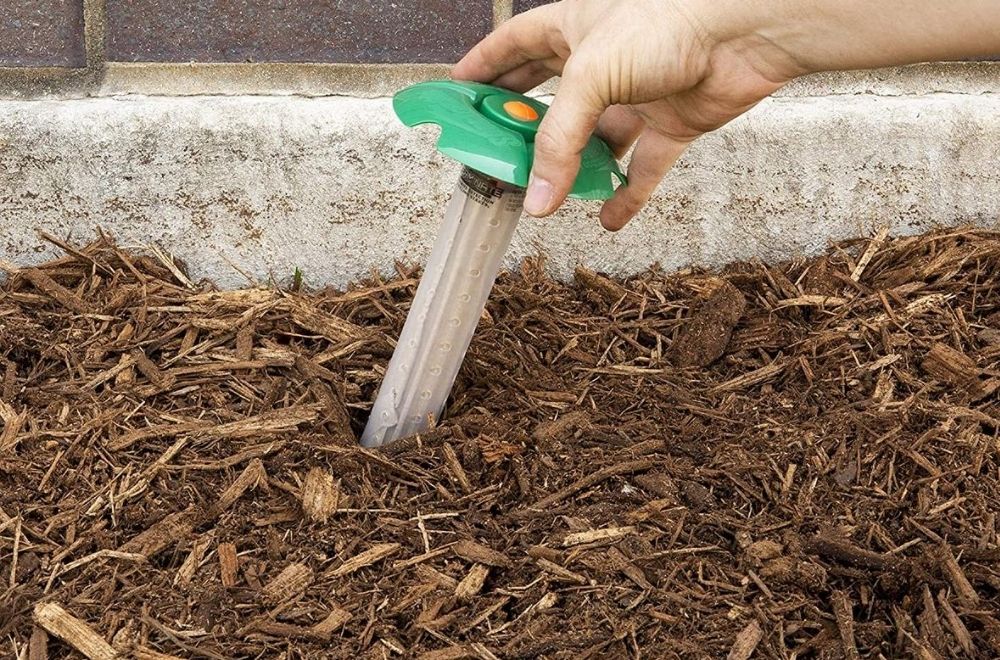
Termite bait systems use cellulose-based bait placed in stations around the home. Worker termites find the bait during normal foraging, feed on it, and share it with the colony. Many modern baits use slow-acting insect growth regulators, which are designed to spread through the termite population before the colony realizes something has gone terribly wrong.
Baits are especially useful where liquid treatments are difficult, undesirable, or restricted. They can reduce the amount of pesticide used around a property and allow ongoing monitoring. They also avoid some of the drilling and trenching associated with liquid treatments.
However, bait stations are not instant. Termites must find the stations, feed on the bait, and distribute it. This can take time, and dry soil, cold weather, or poor placement can slow results. For best performance, stations should be installed around the structure, placed near known activity, and inspected regularly. They are not traps; they do not lure termites from across the neighborhood like a tiny insect food truck. Placement and patience matter.
4. Termite Foam: Best for Wall Voids, Cracks, and Hard-to-Reach Spaces
Foam termiticides are designed to expand into voids, cracks, galleries, and hidden spaces where liquid sprays may not reach evenly. They are especially useful for localized treatments inside wall voids, under slabs, around plumbing openings, or in damaged wood cavities.
A termite foam can be a smart choice when activity is concentrated and accessible through a small opening. The foam expands, contacts surfaces inside the void, and then gradually breaks down. Some professional-grade foams use powerful active ingredients and should be handled carefully according to the label.
The limitation is scope. Foam can help treat a known area, but it may not protect the entire structure. If termites are entering from soil and moving through hidden tunnels, treating one wall void may be like swatting one mosquito while standing in a swamp.
5. Borate Wood Treatments: Best for Exposed Wood and Prevention
Borate-based treatments are applied directly to bare wood. They penetrate the surface and help protect against termites, carpenter ants, wood-boring beetles, and decay fungi. Products such as borate concentrates are popular for crawl spaces, framing, renovation projects, decks, sheds, and new construction where untreated wood is exposed.
Borates are especially valuable as preventive treatments. If you are finishing a basement, replacing damaged framing, building a shed, or treating accessible joists in a crawl space, a borate wood treatment can add long-term protection. Once the wood is sealed with paint, stain, or other coatings, penetration becomes much harder, so timing matters.
Like other treatments, borates have limits. They work on treated wood, not on soil colonies outside the home. They are excellent for protecting wood that termites may attack, but they do not automatically eliminate a colony already moving through the ground.
6. Termite Granules: Best for Perimeter Soil Treatment in Limited Situations
Some DIY termite granules are designed to be spread around the perimeter of a home and watered into the soil. They are often marketed for subterranean termites and may also help with other perimeter pests. Granules appeal to homeowners because the application process is simpler than trenching and rodding a professional liquid barrier.
Granules can be useful for spot prevention or supplemental control, especially around sheds, fence lines, landscaping timbers, or limited exterior zones. But homeowners should be cautious about expecting granules to replace a full structural termite treatment. Soil type, moisture, application rate, foundation design, and label directions all affect performance.
7. Termite Sprays and Aerosols: Best for Visible, Localized Activity
Ready-to-use termite sprays can knock down visible termites or treat small areas of activity. They are convenient, affordable, and easy to store. Some products also target carpenter ants and other wood-damaging insects.
The problem is that visible termites are often only the tiny tip of the cellulose-munching iceberg. Spraying the few termites you see may feel satisfying, but it can scatter activity or leave the main colony untouched. Sprays are best used as part of a broader plan, not as the entire plan.
DIY vs. Professional Termite Treatment
DIY termite treatment can make sense for prevention, monitoring, small isolated problems, exposed wood treatment, and supplemental pest control. Homeowners can reduce risk by fixing leaks, improving drainage, clearing gutters, storing firewood away from the house, removing dead stumps, sealing cracks, and keeping wood from touching soil.
Professional termite treatment is the better choice when there is active structural damage, mud tubes on the foundation, swarmers indoors, recurring activity, slab construction, finished basements, wells or cisterns nearby, or uncertainty about the species. Professionals have inspection tools, product access, application equipment, licensing, and experience interpreting termite behavior. They can also provide service agreements or retreatment warranties, which matter when the enemy lives underground and does not RSVP.
How to Choose the Best Termite Treatment for Your Home
Identify the Termite Type
Subterranean termites are the most common and destructive termite threat in many parts of the United States. They typically live in soil and build mud tubes to reach wood. Drywood termites live inside wood and may require different treatment methods, including localized wood treatment, heat, fumigation, or professional structural treatment. Dampwood termites are attracted to moist, decaying wood and often signal a moisture problem.
Look for the Evidence
Common termite signs include mud tubes, discarded wings, hollow-sounding wood, blistered paint, sagging floors, frass, soft trim, and visible galleries. If you find mud tubes, do not immediately destroy all of them before an inspection. A professional can use those tubes to locate activity and determine where termites are moving.
Match the Product to the Problem
Use borate treatments for bare wood protection. Consider bait stations for monitoring and colony-level control. Use foams for wall voids and galleries. Use liquid termiticides for soil barriers when a full perimeter treatment is needed. Use powders or sprays for limited, accessible areas. Avoid assuming one product can do every job. Termite treatment is more like a toolbox than a superhero cape.
Read the Label Like It Owes You Money
The label is not decorative paperwork. It tells you where the product can be used, how much to apply, what protective gear is needed, whether indoor use is allowed, how to avoid contamination, and which pests are covered. With pesticides, the label is the law. More product does not mean better results; it can mean wasted money, safety risks, and environmental problems.
Best Termite Treatment Picks by Use Case
Best Overall DIY Helper: Diatomaceous Earth Powder
For homeowners looking for a lower-toxicity, easy-to-apply option for accessible dry areas, diatomaceous earth is a useful product to keep on hand. It is best for minor activity and general crawling insect control, not for eliminating a hidden colony in the soil.
Best for Serious Structural Protection: Professional Liquid Termiticide
When termites are actively attacking a house, a professionally applied liquid termiticide remains one of the strongest options. It can protect the structure directly and may suppress or eliminate termite activity around the foundation.
Best for Long-Term Monitoring: Termite Bait Stations
Bait stations are a smart choice for homeowners who want continuous monitoring, reduced chemical volume, and colony-level control over time. They work best when installed properly and checked on schedule.
Best for Exposed Wood: Borate Treatment
Borate treatments are excellent for renovations, crawl spaces, framing, sheds, and unfinished wood. They are especially useful before wood is painted, stained, sealed, or covered.
Best for Wall Voids: Termite Foam
Foam termiticides are practical for localized hidden spaces. They expand into gaps and galleries where sprays may not reach, making them helpful for targeted applications.
Common Mistakes to Avoid
The first mistake is treating termites like ordinary ants. Termites are structural pests, and an infestation can affect the value and safety of a home. The second mistake is relying only on what you can see. A few dead termites near a windowsill do not prove the colony is gone. The third mistake is ignoring moisture. Leaky pipes, clogged gutters, poor grading, and damp crawl spaces create termite-friendly conditions.
Another common mistake is stacking random products without a plan. Spraying, dusting, baiting, and foaming all at once may interfere with termite behavior and make monitoring harder. A calm, targeted strategy usually beats panic-pesticide confetti.
Prevention Still Wins
The cheapest termite treatment is often prevention. Keep gutters clean. Direct downspouts away from the foundation. Maintain ventilation in crawl spaces. Store firewood at least several feet from the home and off the ground. Remove wood scraps, cardboard, and old stumps. Keep mulch thin near the foundation. Seal cracks where utilities enter the structure. Maintain a visible inspection gap between soil and siding or framing.
Annual termite inspections are also wise, especially in warm, humid regions. Termites can remain hidden for years, and early detection can save thousands of dollars in repairs. Nobody wants to discover termites because the floor developed “character.”
Real-World Experience: What Homeowners Learn After Dealing With Termites
The first lesson many homeowners learn is that termite problems rarely begin with dramatic signs. There is usually no horror-movie moment where the wall opens and a termite orchestra plays the theme from doom. More often, the clues are small: a pencil-thin mud tube near the garage slab, a few wings on a windowsill, a soft spot in a door frame, or paint that bubbles for no obvious reason.
In one typical scenario, a homeowner notices a small mud tube climbing the foundation near a hose bib. The first instinct is to scrape it off and spray the area. That may remove the visible evidence, but it does not answer the important question: where are the termites coming from, and have they reached the framing? A better response is to photograph the tube, check nearby moisture sources, inspect the crawl space or basement if accessible, and schedule a professional inspection if activity appears active.
Another common experience involves firewood. A homeowner stacks firewood neatly against the house because it looks rustic and convenient. Unfortunately, termites also appreciate rustic convenience. Wood piles, cardboard boxes in garages, untreated landscape timbers, and old stumps can all become termite highways or feeding stations. Moving wood away from the home and elevating it off the soil is a simple change that can reduce risk dramatically.
Crawl spaces teach their own lessons. A damp crawl space with poor ventilation, plumbing leaks, and wood debris is basically a termite spa with complimentary snacks. Homeowners who invest in drainage improvements, vapor barriers, leak repair, and debris removal often reduce several pest problems at once. Termite prevention is not glamorous, but neither is paying to replace a sill plate.
Product choice also teaches humility. A homeowner may buy bait stakes and expect termites to vanish within days. But baiting depends on termite foraging patterns, soil moisture, station placement, and inspection intervals. Another homeowner may use a spray on visible termites and feel victorious, only to see swarmers again the next spring. These experiences show why termite control should be measured by long-term activity reduction and structural protection, not by the number of insects seen immediately after treatment.
The best homeowner mindset is practical, not panicked. Document the signs. Reduce moisture. Avoid disturbing key evidence before inspection. Use DIY products only where they fit. Bring in a licensed professional when the structure is involved. Termites are persistent, but a well-planned response is stronger than guesswork.
Final Verdict
The best termite treatment depends on the job. For small, accessible, dry areas, diatomaceous earth can be useful. For exposed wood, borate treatments are excellent. For long-term monitoring and colony suppression, bait stations are a strong choice. For voids and galleries, foam products can reach hidden spaces. For active subterranean termite infestations threatening a home, professional liquid treatment or a professionally managed bait system is often the smartest investment.
The main rule is simple: do not treat a serious termite problem like a casual bug problem. Termites can damage structural wood, reduce property value, and create expensive repair bills. A good termite plan combines inspection, correct product selection, moisture control, prevention, and ongoing monitoring. Your house is not a snack bar. Treat it accordingly.