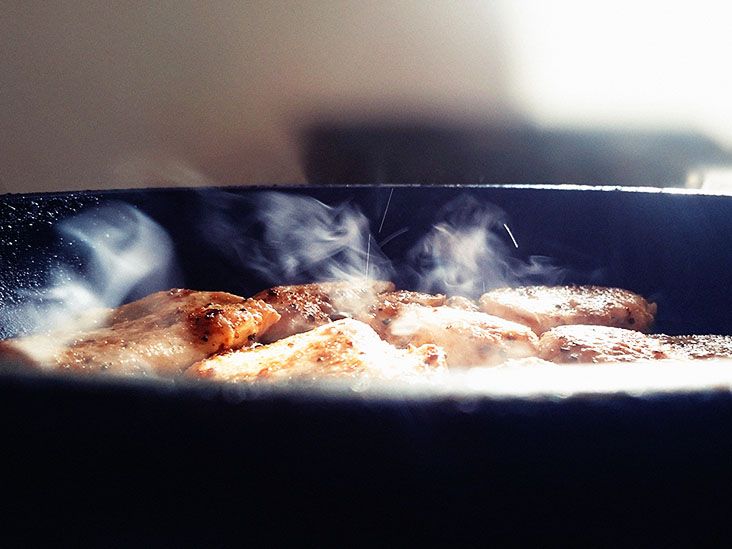
Chicken has a reputation for being the dependable coworker of the dinner world. It is rarely flashy, occasionally a little dry when mistreated, but always ready to show up and help. For people living with diabetes, chicken can be a practical protein choice in meals that are satisfying, flavorful, and realistic enough to survive a Wednesday night.
The important part is not finding a magical “diabetes chicken recipe” that somehow causes vegetables to applaud. It is building meals that combine lean protein, fiber-rich carbohydrates, plenty of non-starchy vegetables, heart-healthy fats, and flavors that do not rely on a sugar-heavy sauce wearing a fake mustache.
These diabetes-friendly chicken recipes and cooking strategies are designed for people who want balanced meals without turning dinner into a math exam. They are also family-friendly, flexible, and far more exciting than plain chicken breast next to a lonely steamed carrot.
Note: This article provides general nutrition and cooking information, not individualized medical advice. Carbohydrate needs, medication timing, kidney-health considerations, and blood glucose goals vary. A registered dietitian or diabetes care professional can help tailor meals to your needs.
Why Chicken Can Fit Into a Diabetes-Friendly Eating Plan
Chicken itself is not the enemy of blood glucose. Plain chicken contains protein, not the large carbohydrate load typically associated with foods such as sweetened drinks, rice, pasta, potatoes, breading, or sugary sauces. That does not mean chicken gets a free pass to arrive covered in batter, cheese sauce, and barbecue glaze the color of a traffic cone.
The bigger picture matters. A balanced meal often includes a portion of lean protein, a generous amount of non-starchy vegetables, and a measured serving of carbohydrate-rich foods such as beans, fruit, brown rice, whole-grain pasta, corn, sweet potato, or whole-grain bread. This combination can help make meals more filling and predictable than eating a large pile of refined carbohydrates by themselves.
The Simple Plate Formula
A useful starting point is the plate method. Fill about half the plate with non-starchy vegetables, such as broccoli, spinach, green beans, zucchini, mushrooms, cauliflower, bell peppers, cabbage, or salad greens. Reserve one quarter for chicken or another protein. Use the final quarter for a quality carbohydrate source.
This approach does not require weighing every broccoli floret like it is evidence in a courtroom. It simply creates a visual structure that helps keep portions practical.
Chicken Choices That Usually Make Meal Planning Easier
Skinless chicken breast is a popular lean option, but boneless, skinless thighs can also fit into a healthy eating pattern. Thighs are often more forgiving during cooking, which matters because nobody enjoys chewing chicken with the texture of an office supply.
When shopping, look beyond the word “chicken.” Check the package for sodium solutions, marinades, flavor injections, breading, and added sauces. Fresh or frozen plain chicken usually gives you more control over the finished dish. Ground chicken can also work well for lettuce wraps, chili, meatballs, and skillet meals, especially when paired with vegetables and beans.
Smart Cooking Rules for Diabetes-Friendly Chicken Recipes
The best chicken recipes for people living with diabetes do not have to be low-flavor or low-joy. They simply use smarter techniques and ingredients.
Choose Cooking Methods That Let Flavor Do the Heavy Lifting
Roasting, grilling, baking, broiling, poaching, air-frying, and sautéing with a small amount of oil can deliver plenty of flavor without the heavy breading and deep-fryer aftermath. A little olive oil, avocado oil, or another unsaturated cooking oil can go a long way.
Instead of building a meal around creamy sauces, use acids and aromatics. Lemon juice, lime juice, vinegar, garlic, ginger, onion, cilantro, parsley, basil, cumin, smoked paprika, chili powder, rosemary, oregano, and black pepper can make chicken taste exciting without creating a sodium-and-sugar stampede.
Be Careful With “Healthy-Looking” Sauces
Some sauces are sneaky. Teriyaki sauce, honey mustard, bottled barbecue sauce, sweet chili sauce, and restaurant stir-fry sauces can contain surprising amounts of sodium and added sugar. This does not mean they are banned from your kitchen forever. It means they should be used intentionally, in modest portions, and balanced with vegetables and whole foods.
Try mixing a small amount of a bold sauce with lime juice, vinegar, garlic, water, or low-sodium broth. You still get the flavor, but the sauce stops behaving like it owns the entire meal.
Keep Food Safety in the Recipe
Chicken should be cooked to an internal temperature of 165°F when measured with a food thermometer. Store raw chicken separately from ready-to-eat foods, wash hands and surfaces after handling it, and refrigerate leftovers promptly. Delicious food is better when it does not also come with an unwanted science experiment.
Five Chicken Recipes for People Living With Diabetes
1. Lemon-Herb Sheet-Pan Chicken With Vegetables
Why it works: This meal combines chicken with colorful non-starchy vegetables and leaves room for a controlled carbohydrate portion, such as brown rice, quinoa, beans, or a small roasted sweet potato.
Ingredients:
- 1½ pounds boneless, skinless chicken breasts or thighs
- 2 cups broccoli florets
- 1 red bell pepper, sliced
- 1 zucchini, sliced
- 1 tablespoon olive oil
- 2 cloves garlic, minced
- 1 lemon, zested and juiced
- 1 teaspoon dried oregano
- Black pepper and a small pinch of salt, if desired
Directions: Heat the oven to 425°F. Place the chicken and vegetables on a sheet pan. Toss with olive oil, garlic, lemon zest, lemon juice, oregano, and pepper. Roast for about 20 to 25 minutes, or until the chicken reaches 165°F. Serve with a measured portion of quinoa, brown rice, or beans.
Easy upgrade: Add a spoonful of plain Greek yogurt mixed with lemon juice and dill for a creamy topping without relying on a heavy sauce.
2. Ginger-Lime Chicken and Broccoli Stir-Fry
Why it works: Stir-fries are quick, flexible, and excellent for using vegetables that are nearing their “please cook me before I become soup” stage.
Ingredients:
- 1 pound chicken breast, thinly sliced
- 3 cups broccoli florets
- 1 red bell pepper, sliced
- 1 cup mushrooms, sliced
- 1 tablespoon neutral cooking oil
- 1 tablespoon reduced-sodium soy sauce
- 1 tablespoon rice vinegar
- 1 teaspoon grated fresh ginger
- 2 cloves garlic, minced
- Juice of 1 lime
- Optional: red pepper flakes and sesame seeds
Directions: Heat a large skillet or wok over medium-high heat. Cook the chicken until browned and nearly cooked through. Add broccoli, bell pepper, mushrooms, ginger, and garlic. Stir-fry until the vegetables are tender-crisp. Add reduced-sodium soy sauce, rice vinegar, and lime juice. Serve over a small portion of brown rice, wild rice, or a half-and-half mix of brown rice and cauliflower rice.
Smart swap: Avoid sweet bottled stir-fry sauces. The ginger, lime, garlic, and vinegar provide plenty of flavor without turning dinner into dessert in disguise.
3. Southwest Chicken, Bean, and Cauliflower Rice Bowls
Why it works: Beans provide carbohydrate and fiber, chicken adds protein, and cauliflower rice creates volume. The result is filling without requiring a mountain of rice.
Ingredients:
- 1 pound cooked shredded chicken
- 2 cups cauliflower rice
- 1 cup no-salt-added black beans, rinsed and drained
- 1 cup corn, optional
- 1 cup diced tomatoes
- 1 avocado, sliced
- 1 teaspoon cumin
- 1 teaspoon chili powder
- Juice of 1 lime
- Cilantro, chopped onion, and plain Greek yogurt for topping
Directions: Warm the chicken with cumin, chili powder, and lime juice. Sauté cauliflower rice in a skillet until tender. Divide cauliflower rice among bowls, then add chicken, black beans, tomatoes, avocado, cilantro, and a spoonful of Greek yogurt.
Portion tip: The beans and corn are carbohydrate sources, so adjust their portions based on your personal meal plan. The avocado, vegetables, and chicken make the bowl satisfying without requiring a giant scoop of rice.
4. Mediterranean Chicken Skillet With Spinach and Tomatoes
Why it works: This is a one-pan dinner that leans heavily on vegetables, herbs, and bright flavors instead of cream sauces or mountains of cheese.
Ingredients:
- 1½ pounds boneless, skinless chicken thighs or breasts
- 1 tablespoon olive oil
- 1 small onion, chopped
- 2 cloves garlic, minced
- 1 can no-salt-added diced tomatoes
- 4 cups fresh spinach
- ½ cup artichoke hearts, drained and chopped
- ¼ cup sliced olives, optional
- 1 teaspoon dried oregano
- ½ teaspoon smoked paprika
- Fresh parsley and lemon juice
Directions: Brown the chicken in olive oil, then remove it briefly from the skillet. Cook onion and garlic until softened. Add tomatoes, oregano, paprika, artichokes, and olives. Return chicken to the pan and simmer until cooked through. Stir in spinach until wilted. Finish with parsley and lemon juice.
Serve it with: A small serving of farro, lentils, whole-grain couscous, or roasted sweet potato. Olives and artichokes can be salty, so choose lower-sodium products when available and avoid adding extra salt before tasting.
5. Smoky Chicken and White Bean Chili
Why it works: Chili is a meal-prep champion. It freezes well, stretches a pound of chicken into several servings, and can be loaded with vegetables and fiber-rich beans.
Ingredients:
- 1 pound ground chicken or shredded cooked chicken
- 1 tablespoon olive oil
- 1 onion, chopped
- 1 bell pepper, chopped
- 2 cloves garlic, minced
- 2 cans no-salt-added white beans, rinsed and drained
- 1 can no-salt-added diced tomatoes
- 2 cups low-sodium chicken broth
- 1 teaspoon cumin
- 1 teaspoon chili powder
- ½ teaspoon smoked paprika
- Fresh lime juice, cilantro, and avocado for serving
Directions: Cook the chicken, onion, pepper, and garlic in olive oil until the chicken is fully cooked. Add beans, tomatoes, broth, cumin, chili powder, and smoked paprika. Simmer for 20 to 30 minutes. Finish with lime juice and cilantro.
Serving idea: Top with avocado and plain Greek yogurt instead of sour cream. Pair with a side salad rather than a giant basket of chips. Your chili can still be comforting without requiring a rescue mission from the sofa afterward.
More Ways to Make Chicken Meals Work for Blood Sugar Goals
Use Leftovers Like a Strategy, Not a Punishment
Leftover chicken can become lunch without becoming depressing. Add it to a salad with beans and vinaigrette, wrap it in a high-fiber tortilla with cabbage slaw, stir it into vegetable soup, or tuck it into a whole-grain pita with cucumber and yogurt sauce.
Cooked chicken is especially useful when the temptation to order something heavily breaded and sauce-drenched becomes strong at 7:42 p.m. after a long day. Having protein ready in the refrigerator makes the balanced choice easier, which is usually more valuable than having the theoretically perfect recipe saved on a phone.
Do Not Forget the Carbohydrates
Diabetes-friendly eating does not automatically mean avoiding all carbohydrates. Carbohydrates affect blood glucose, but their quality, amount, timing, and pairing with protein, fat, and fiber all matter. Whole grains, beans, fruit, dairy foods, and starchy vegetables can fit into many meal plans.
The goal is usually consistency and balance, not culinary punishment. A plate with chicken, roasted broccoli, and a reasonable scoop of brown rice may be far more satisfying and sustainable than a plate of chicken with absolutely nothing else except regret.
Real-Kitchen Experiences: What Makes Diabetes-Friendly Chicken Meals Stick
People often imagine that eating well with diabetes requires a separate menu, a drawer full of specialty products, and a kitchen so organized it could host a cooking show. Real life is less polished. There are work deadlines, tired evenings, picky eaters, surprise cravings, grocery prices, and at least one container in the refrigerator whose origin story has been lost to time.
The chicken meals that tend to work best are not necessarily the most impressive. They are the meals that are easy to repeat. A tray of lemon-herb chicken and vegetables can become dinner on Monday, a grain bowl on Tuesday, and a salad topper on Wednesday. That kind of flexibility matters because consistency usually beats dramatic bursts of motivation.
One common challenge is the belief that a diabetes-friendly meal must taste “different” from everyone else’s dinner. It does not. A family can eat the same chicken stir-fry, taco bowl, chili, or sheet-pan meal. The practical adjustment may simply be the carbohydrate portion, the amount of sauce, or the vegetables added to the plate. This reduces the feeling that one person is eating a bland medical meal while everyone else enjoys actual food.
Another useful experience is learning where flavor really comes from. Many people initially depend on bottled sauces, but a few pantry staples can make a dramatic difference. Garlic, ginger, smoked paprika, cumin, lime, lemon, vinegar, fresh herbs, mustard, chili flakes, and roasted vegetables bring depth without requiring a sugary glaze. After a while, heavily sweet sauces can start to taste less like flavor and more like someone spilled dessert on dinner.
Rotisserie chicken can also be a legitimate shortcut. It saves time and can make salads, soups, lettuce wraps, and grain bowls much easier. The trade-off is that prepared chicken may contain more sodium than home-cooked chicken, especially if it is seasoned, brined, or injected with a solution. A practical approach is to use rotisserie chicken with low-sodium vegetables, unsalted beans, fresh herbs, and a homemade dressing rather than adding several more salty ingredients.
Meal prep does not have to mean spending an entire Sunday surrounded by matching glass containers and silent judgment from your cutting board. It can mean cooking two pounds of chicken instead of one, washing vegetables before the week gets busy, or making a double batch of chili for the freezer. Small preparation steps can make a major difference when hunger is loud and decision-making is tired.
Finally, many people find it helpful to treat blood glucose information as feedback rather than a report card. Meals can affect people differently due to medication, sleep, stress, activity, portion size, hormones, and the exact combination of foods eaten. Working with a diabetes care team to understand personal patterns can be more useful than chasing perfection. Food is not a morality test. It is one part of a larger health routine, and chicken dinner does not need to carry the entire burden of adulthood.
Conclusion
Chicken recipes for people living with diabetes can be flavorful, filling, and flexible. The most useful meals combine lean chicken with non-starchy vegetables, fiber-rich carbohydrate choices, modest portions of sauces, and cooking methods that do not rely on deep frying or sugar-heavy glazes.
Whether you prefer a sheet-pan dinner, a bright stir-fry, a chili that improves after a night in the refrigerator, or a build-your-own bowl, the goal is not to eat perfectly. The goal is to create meals you enjoy often enough that healthy choices feel normal rather than exhausting.