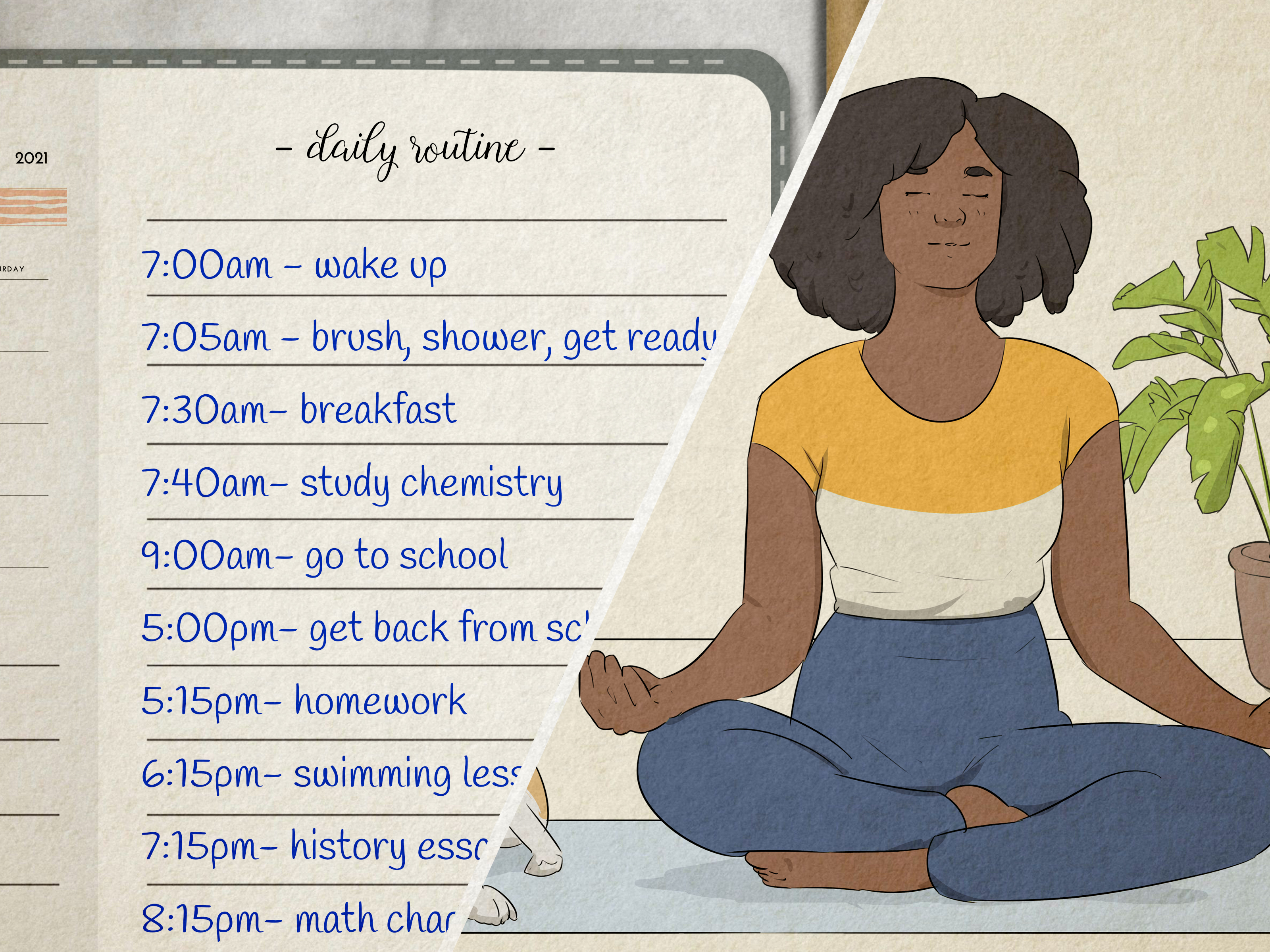
Becoming a straight A+ student is not about being born with a calculator in one hand and a color-coded planner in the other. It is usually the result of ordinary actions performed with extraordinary consistency. Top students plan ahead, test their understanding, ask for help, protect their energy, and correct small problems before those problems grow teeth.
The goal is not to spend every waking hour buried beneath textbooks. In fact, marathon study sessions, frantic cramming, and heroic all-nighters often produce disappointing results. Academic success comes from building a reliable learning systemone that helps you understand information, remember it, and use it when an assignment or exam demands more than simple memorization.
The following 13 strategies combine practical classroom habits with evidence-based learning techniques. Adapt them to your subjects, schedule, and personal strengths. You do not need to transform yourself overnight. Start with two or three changes, practice them consistently, and improve your system as you learn what works.
What Does It Really Take to Become a Straight A+ Student?
A high-achieving student is not necessarily the person who studies the longest. More often, it is the person who studies with a clear purpose. Effective learners manage their time, participate actively, practice retrieving information from memory, and seek feedback before major assessments. Academic resource centers at leading U.S. universities consistently emphasize planning, active learning, regular review, realistic practice, and early use of support services.
13 Ways to Become a Straight A+ Student
1. Turn Every Syllabus Into an Academic Roadmap
During the first week of a course, read the syllabus as if it contains directions to buried treasurebecause, academically speaking, it does. Record every test, paper, project, quiz, presentation, and important reading deadline in one calendar.
Next, examine how the final grade is calculated. A research paper worth 30 percent of the course deserves more preparation than a discussion post worth 2 percent. This does not mean ignoring small assignments; it means distributing your effort according to academic value.
Break major deadlines into smaller milestones. For a paper due in four weeks, schedule separate dates for choosing a topic, gathering sources, outlining, drafting, revising, and proofreading. Planning ahead turns a frightening mountain into several manageable hills. Harvard, Stanford, MIT, and Berkeley academic resources all recommend scheduling intentionally and dividing large assignments into smaller tasks.
2. Attend Class Prepared to Participate
Simply occupying a chair does not count as active attendance. Preview the assigned reading, review the previous lesson, and bring at least one question to class. Even a five-minute preview makes new material feel less like it has arrived from another planet.
During class, listen for repeated ideas, definitions, examples, cause-and-effect relationships, and comments such as “This is important.” Those phrases often point toward the learning objectives your instructor expects you to master.
Participating also strengthens attention. Answer questions, contribute to discussions, and compare your understanding with the instructor’s explanation. When you actively process information, you are more likely to notice confusion immediately rather than discovering it at 11:47 p.m. before the exam.
3. Build a Weekly Study System
A vague plan such as “study chemistry sometime this week” is an invitation to procrastination. Replace it with a specific appointment: “Complete chemistry practice problems from 4:00 to 5:00 p.m. on Tuesday in the library.”
At the beginning of each week, schedule classes, study sessions, meals, exercise, activities, work responsibilities, and rest. Then decide what each study block should accomplish. A session needs an observable target, such as outlining two chapters, solving 15 equations, or drafting the introduction to an essay.
Leave some open time for surprises. A schedule packed tighter than an airplane’s overhead compartment will collapse the moment an assignment takes longer than expected. Cornell and Harvard recommend regular study times, clear daily goals, and specific rather than general study plans.
4. Defeat Procrastination With Ridiculously Small Starts
Students often procrastinate because a task feels unpleasant, unclear, or enormous. The solution is not waiting for inspiration to descend from the ceiling. Make the starting action so small that refusing to do it becomes almost silly.
Open the document. Write one rough sentence. Read one page. Solve the first problem. Work for 15 minutes before deciding whether to continue. Once the task has begun, resistance often decreases because your brain is dealing with a concrete action instead of an imaginary disaster.
Also identify the real obstacle. Are you confused about the instructions? Worried that your work will not be perfect? Missing a source? Addressing the specific problem is more useful than giving yourself a dramatic speech about “needing more discipline.” Harvard’s Academic Resource Center recommends short timed starts, while Berkeley provides practical strategies for reducing procrastination through structured action.
5. Replace Passive Rereading With Active Recall
Rereading highlighted pages can feel productive because everything looks familiar. Unfortunately, recognizing information on a page is not the same as recalling it without help.
Active recall requires you to retrieve information from memory. Close the book and write everything you remember. Answer questions without looking at your notes. Explain a process aloud. Label a blank diagram. Create flashcards that ask meaningful questions rather than displaying isolated trivia.
After testing yourself, check the source and correct your mistakes. The uncomfortable moment when you cannot remember an answer is usefulit reveals exactly what needs more work. Cornell describes this approach as retrieval practice or blank-page testing, while Yale also recommends short retrieval activities to strengthen active learning.
6. Space Your Practice Across Several Days
Cramming attempts to force an entire unit into memory during one exhausting evening. Spaced practice revisits material across several shorter sessions. The second method is less theatrical but far more useful for long-term learning.
Review new material soon after class, test yourself again the following day, and return to it later in the week. As your recall improves, gradually increase the time between reviews.
Mix related problem types instead of completing 20 nearly identical questions in a row. This technique, called interleaving, forces you to identify which method applies rather than mechanically repeating one procedure. Cornell, Princeton, Harvard, UNC, and the University of Michigan all recommend distributed, cumulative review instead of relying on a single study marathon.
7. Take Notes That Make You Think
Notes should not be a transcript of every sound produced in the classroom. Their purpose is to organize meaning. Capture main ideas, supporting evidence, definitions, examples, questions, and relationships between concepts.
Use a format that encourages later review. The Cornell note-taking system, for example, separates the page into main notes, prompts, and a summary. Concept maps can be useful when a topic includes many connected ideas. In quantitative courses, include the reasoning behind each stepnot merely the final formula.
Within 24 hours, review and improve your notes. Add missing explanations, write questions in the margins, and summarize the lesson without copying it word for word. The University of Michigan recommends self-questioning, summarizing, mapping, inference, and connections to prior knowledge when reviewing notes.
8. Read With a Question, Not Just a Highlighter
Before beginning an assignment, ask why you are reading it. Are you preparing for discussion, learning a process, finding evidence for a paper, or memorizing terms for a quiz? Your purpose determines how slowly and deeply you should read.
Preview headings, diagrams, summaries, questions, and unfamiliar vocabulary. Then convert headings into questions. After each section, pause and answer those questions without looking back.
Mark only information that deserves future attention. Highlighting half a chapter creates a very colorful page and a very unhelpful study guide. Harvard and Michigan learning resources recommend purposeful reading, attention to text structure, and deliberate connections between new material and prior knowledge.
9. Practice the Exact Skill the Exam Will Measure
If an exam requires solving problems, spend most of your preparation solving problems. If it requires essays, practice planning and writing timed responses. If it includes oral explanations, rehearse explaining concepts aloud.
Use practice tests under realistic conditions. Remove notes unless they will be permitted, set a timer, and complete a representative mix of questions. Then analyze every error. Did you misunderstand the concept, forget a fact, select the wrong method, misread the question, or run out of time?
Princeton’s McGraw Center describes exam preparation as performance practice rather than simple review. It recommends predicting likely questions and practicing the target task under conditions similar to the actual assessment.
10. Ask for Feedback Before You Are in Trouble
Office hours are not an emergency room reserved for academic disasters. Visit your teacher or professor while there is still time to improve. Bring specific questions, attempted solutions, draft paragraphs, or examples of where your reasoning became confused.
After receiving a graded assignment, do more than glance at the score and place it into the archaeological layer at the bottom of your backpack. Review every comment. Categorize your mistakes and decide what you will do differently next time.
Use tutoring centers, writing centers, academic coaches, librarians, and peer mentors early. Stanford, Dartmouth, MIT, and Penn State emphasize seeking assistance before difficulties become overwhelming.
11. Use Study Groups With Rules and Goals
A study group can improve understanding, expose gaps in your notes, and provide accountability. It can also become a two-hour discussion about snacks. The difference is structure.
Choose classmates who arrive prepared. Set an agenda, assign topics, solve questions individually before comparing answers, and require each person to explain at least one difficult concept. Teaching an idea forces you to organize it clearly and reveals whether your understanding is sturdy or held together with educational duct tape.
Keep the group small enough for everyone to participate. End each meeting by identifying what each member should review independently. Harvard, Princeton, and Michigan academic resources recommend prepared, goal-oriented collaboration rather than unstructured group review.
12. Design an Environment That Makes Focus Easier
Willpower is unreliable when your phone is performing a tiny light show beside your textbook. Reduce the number of decisions required to stay focused.
Choose a location associated with work, place needed materials within reach, close unrelated browser tabs, silence notifications, and move your phone out of sight. Use a website blocker when necessary. Before starting, define the one task you intend to complete.
Try focused work intervals followed by short breaks. Twenty-five to fifty minutes of concentrated effort may be more effective than several hours of partial attention. During breaks, stand, stretch, drink water, or walk briefly instead of opening an app designed to make five minutes disappear into another dimension.
Princeton, Stanford, Berkeley, and MIT recommend minimizing environmental distractions, identifying your productive times and locations, and using planned work periods.
13. Protect Sleep, Health, and Perspective
Sleep is not wasted study time. It supports attention, concentration, and memory. The CDC notes that adequate sleep helps students stay focused and perform academically, while NIH resources explain that sleep helps strengthen newly formed memories.
Maintain a reasonably consistent sleep schedule, especially before exams. Eat regular meals, move your body, and schedule breaks before exhaustion schedules them for you. A tired student may spend three hours staring at material that a rested student could learn in one focused hour.
Finally, keep grades in perspective. Aim for excellence, not a flawless performance in every moment. One disappointing result is information, not a permanent label. Analyze the cause, change the process, and continue. Straight A+ students are not people who never struggle; they are people who respond to struggle with a plan.
A Practical Weekly Routine for Straight-A Academic Performance
On Sunday, review upcoming deadlines and schedule specific study blocks. After each class, spend 10 to 15 minutes organizing notes and identifying unclear points. During the week, use active recall and spaced practice instead of repeatedly reading the same pages.
Begin assignments shortly after receiving them, even when the first step is only creating a file or reviewing the instructions. Attend office hours with questions before major tests. At the end of the week, check your progress: What did you complete? What took longer than expected? Which subject needs additional support?
This routine creates a feedback loop. You plan, work, measure, and adjust. That is far more dependable than hoping your future self will suddenly become energetic, organized, and fascinated by calculus at midnight.
Experience-Based Lessons: What Academic Improvement Often Looks Like
The following scenarios are composite examples based on common student experiences. They show how small changes in study behavior can produce meaningful improvements without requiring a personality transplant.
The Student Who Studied for Hours but Remembered Very Little
One common experience involves a student who spends every evening rereading textbooks and highlighting notes. The study sessions are long, the highlighters are impressive, and the exam scores remain stubbornly average. The student assumes the problem is insufficient effort and adds another hour of rereading.
The turning point comes when passive review is replaced with self-testing. After reading a section, the student closes the book and writes down the major ideas from memory. Missed information is reviewed, and the test is repeated two days later. Study time becomes slightly shorter, but recall improves because the student is finally practicing the skill the exam requires: producing an answer without seeing it first.
The Student Who Always Started Too Late
Another familiar student carefully records due dates but treats them as starting dates. A paper due Friday begins Thursday evening. The resulting draft may contain good ideas, but there is no time to improve its organization, evidence, or grammar.
This student begins using artificial deadlines. The outline is due personally on Monday, the first draft on Wednesday, and the revision on Thursday. None of these dates appears in the official syllabus, but they create enough distance between stages to make thoughtful work possible. The final night becomes a calm proofreading session rather than a caffeine-sponsored emergency.
The Student Who Was Afraid to Ask Questions
Some students remain silent because they believe asking for help will expose them as unqualified. They wait until confusion has accumulated across several chapters. By then, even forming a useful question feels difficult.
A better habit is to keep a running “confusion list.” After class or homework, the student writes specific questions such as, “Why is this formula appropriate here?” or “What is the difference between these two theories?” Bringing two focused questions to office hours produces a much more useful conversation than saying, “I do not understand anything.” Over time, asking for clarification begins to feel like an academic strategy rather than a confession.
The Student Who Tried to Be Perfect
A perfectionistic student may spend 45 minutes polishing the first paragraph of an essay while the remaining pages exist only as optimistic intentions. Because every sentence must sound brilliant immediately, progress becomes painfully slow.
The solution is separating creation from correction. During the first session, the student writes an intentionally imperfect draft. During later sessions, the argument, evidence, transitions, and wording are revised in separate passes. The final paper improves because revision receives dedicated time, and the blank page loses its power to intimidate.
The Student Who Sacrificed Sleep Before Every Exam
A final common experience is the all-nighter. The student studies until sunrise and enters the exam knowing many facts but lacking the concentration needed to use them. Questions are misread, familiar concepts feel strangely distant, and simple calculations develop mysterious new personalities.
After adopting a five-day preparation plan, the student completes shorter review sessions, practices under timed conditions, and stops studying at a reasonable hour before the test. The exam feels less frantic because preparation has been distributed across several days. The greatest improvement is not just a higher score; it is walking into the room with enough mental energy to demonstrate what was learned.
These experiences share one lesson: academic improvement rarely comes from a single motivational breakthrough. It comes from adjusting the process. Students become more successful when they make work visible, start earlier, retrieve information actively, seek feedback, and protect the physical energy that learning requires.
Conclusion
Becoming a straight A+ student does not require superhuman intelligence or a life without friends, hobbies, and sleep. It requires a system that converts goals into scheduled actions. Plan your semester, participate in class, review material repeatedly, practice active recall, simulate exam conditions, request feedback, and use academic resources early.
Do not attempt all 13 strategies perfectly on Monday morning. Choose the changes that address your biggest weaknesses. A chronic procrastinator should begin with smaller starting steps and artificial deadlines. A student who forgets material should focus on retrieval and spacing. Someone overwhelmed by workload should improve weekly planning and seek support.
Consistency is the secret ingredient, which is mildly disappointing because it cannot be purchased in a shiny bottle. Still, it is available every day. Each completed study block, corrected mistake, thoughtful question, and full night of sleep moves you toward stronger gradesand, more importantly, toward becoming an independent learner.