Note: This article uses “lighten your skin” to mean safely fading dark spots, melasma, acne marks, sun spots, and uneven tonenot changing your natural complexion. Healthy skin is not defined by being lighter. It is defined by being protected, comfortable, and cared for.
Everyone has a skin story. Some people have freckles from sunny weekends, some have acne marks that refuse to leave like an awkward party guest, and some deal with melasma, age spots, or post-inflammatory hyperpigmentation. When people search for ways to lighten skin, what they usually want is a smoother, more even-looking complexionnot a risky shortcut that leaves the skin irritated, thin, or damaged.
The safest way to approach skin lightening is to focus on hyperpigmentation treatment: reducing excess pigment in certain areas while protecting the skin barrier. Dermatology organizations consistently point to sun protection, topical ingredients, and professional treatments as the main evidence-based options for fading dark spots and uneven skin tone. The FDA also warns that some skin-lightening products may contain unsafe ingredients such as mercury or improperly marketed hydroquinone, so “faster” is not always betteror legal, or safe.
Below are three practical, skin-friendly ways to brighten uneven tone, with specific examples, realistic timelines, and a few “please don’t do that to your face” reminders.
Way 1: Protect Your Skin From the Sun Every Day
If dark spots had a favorite hobby, it would be sunbathing. Ultraviolet light can trigger melanin production, making freckles, melasma, acne marks, and age spots look darker. That is why dermatologists often treat sunscreen as the foundation of every brightening routine. Without it, even the fanciest serum can feel like trying to mop the floor while the sink is still overflowing.
The American Academy of Dermatology recommends broad-spectrum sunscreen and reapplication about every two hours when outdoors, especially after swimming or sweating. The Skin Cancer Foundation also emphasizes SPF 30 or higher for daily use and SPF 50 or higher for extended outdoor activity.
Choose the Right Sunscreen
For daily use, look for a sunscreen labeled broad-spectrum SPF 30 or higher. Broad-spectrum means it helps protect against both UVA and UVB rays. UVA rays contribute to aging and pigmentation, while UVB rays are more associated with sunburn. Both are relevant if your goal is to fade dark spots and keep them from coming back.
If you have melasma or deeper skin tones, a tinted mineral sunscreen with iron oxides may be especially helpful because visible light can worsen some types of hyperpigmentation. The AAD notes that tinted sunscreens can be useful for people with darker skin tones and pigmentation concerns.
Use Enough Product
A common sunscreen mistake is using a polite little dab and expecting superhero protection. For the face and neck, many dermatologists recommend a generous amountenough to cover all exposed areas evenly. Apply sunscreen 15 minutes before going outside, and do not forget the ears, hairline, neck, and lips. The “I only missed one spot” spot is often exactly where discoloration decides to set up camp.
Pair Sunscreen With Smart Sun Habits
Sunscreen is powerful, but it is not a force field. Add a wide-brimmed hat, sunglasses, shade, and sun-protective clothing when possible. Try to limit direct sun exposure between 10 a.m. and 2 p.m., when the sun is often strongest. For acne-prone skin, choose sunscreen labeled non-comedogenic or “won’t clog pores.” The AAD recommends sun protection, shade, and non-comedogenic sunscreen for people managing acne and post-acne marks.
Way 2: Use Gentle Brightening Ingredients Consistently
The second way to lighten uneven skin is through topical ingredients that help fade excess pigment gradually. The key word is gradually. Real brightening is more like growing a plant than microwaving popcorn. You water it, protect it, wait, and resist the urge to dump five products on it at once.
Common over-the-counter ingredients used for dark spots include vitamin C, niacinamide, azelaic acid, retinoids, kojic acid, glycolic acid, and tranexamic acid. Harvard Health lists several of these as topical options for hyperpigmentation, while research reviews also support ingredients such as azelaic acid, ascorbic acid, niacinamide, and other pigment-targeting agents.
Vitamin C for a Brighter Look
Vitamin C is a popular antioxidant that may help reduce the look of dark spots by interfering with pigment formation and supporting a brighter-looking complexion. It is often used in the morning under sunscreen. Harvard Health notes that topical vitamin C can reduce the appearance of dark spots, although more research is still useful for confirming its full brightening effects.
A simple routine might look like this: gentle cleanser, vitamin C serum, moisturizer, and sunscreen in the morning. If your skin is sensitive, start every other morning. Tingling can happen with some formulas, but burning, peeling, or swelling is your skin yelling, “Please stop.”
Niacinamide for Uneven Tone and Barrier Support
Niacinamide, also known as vitamin B3, is loved because it is usually gentle and multitasking. It can help support the skin barrier, calm the look of redness, and improve the appearance of uneven tone. It also plays well with many other ingredients, which makes it a practical choice for beginners.
For someone with post-acne marks, a niacinamide serum or moisturizer can be a good place to start. Use it once or twice daily depending on the formula. Since irritation can make hyperpigmentation worse, barrier-friendly ingredients are not boringthey are strategic.
Azelaic Acid for Dark Spots and Blemish-Prone Skin
Azelaic acid is another useful ingredient because it can target discoloration while also being helpful for blemish-prone or redness-prone skin. It is often used for acne marks, melasma, and uneven tone. Harvard Health and dermatology reviews include azelaic acid among common topical options for hyperpigmentation.
Start slowly, especially if you are using other active ingredients. A pea-sized amount for the whole face is often enough, unless the product directions say otherwise. More product does not equal faster results; it often equals a compromised skin barrier and a dramatic bathroom mirror monologue.
Retinoids for Cell Turnover
Retinoids, including retinol and prescription tretinoin, can help improve skin texture and support a more even tone over time by encouraging cell turnover. They are often used at night. However, they can cause dryness, peeling, and sensitivity, so beginners should start slowlyperhaps two or three nights a weekand always use sunscreen during the day.
Retinoids are not recommended during pregnancy unless a clinician says otherwise. They can also be too irritating when mixed with too many acids or exfoliating products. If your routine starts to feel like a chemistry final exam, simplify it.
Be Careful With Hydroquinone
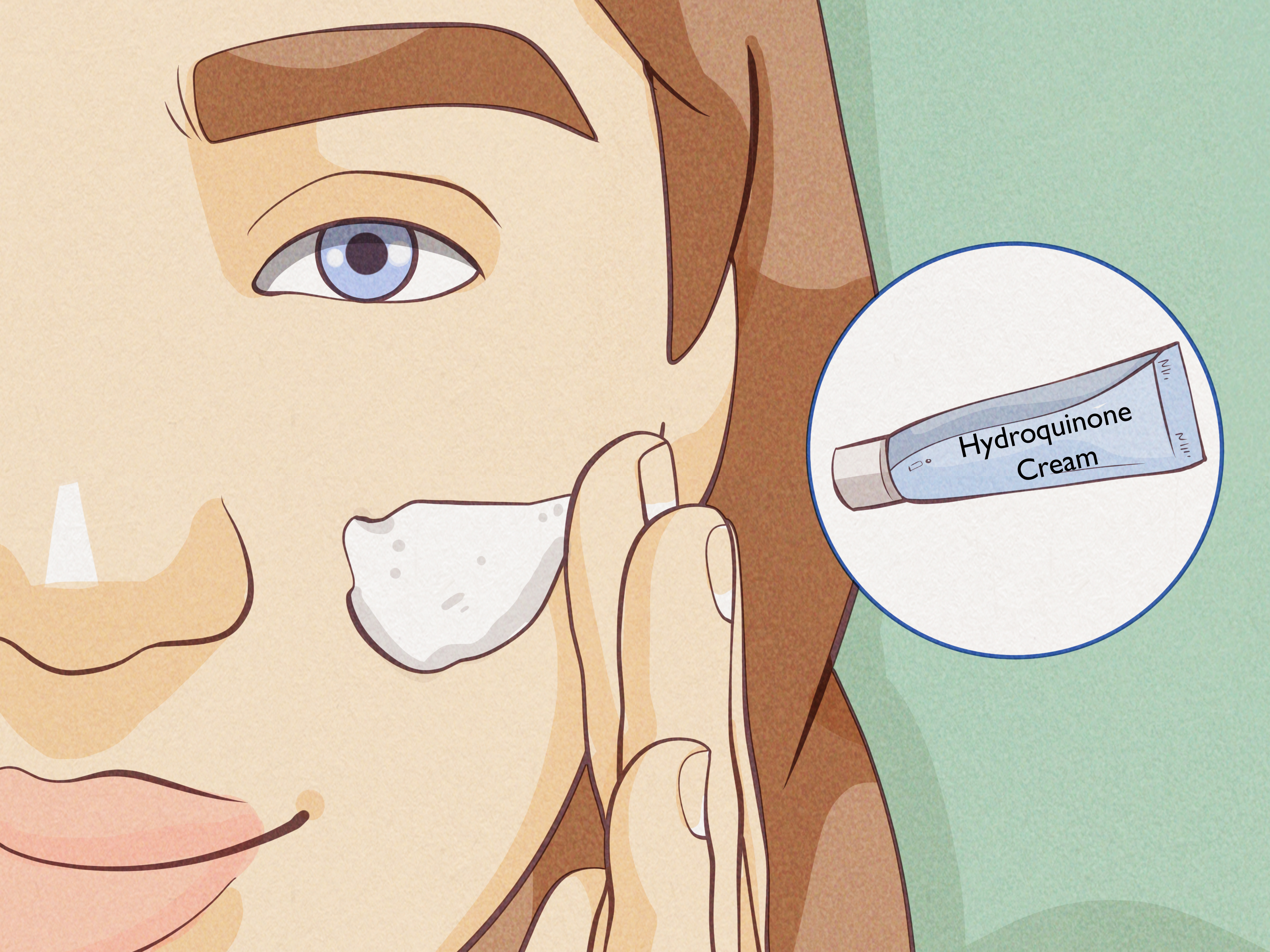
Hydroquinone can be effective for certain pigment conditions such as melasma, but it should be used only under appropriate medical guidance. The FDA warns that over-the-counter skin-lightening products containing hydroquinone or mercury may cause harm and are illegally sold in the United States. Prescription combination creams may be used for moderate to severe melasma under a doctor’s supervision.
Avoid products that promise “instant whitening,” “permanent bleaching,” or miracle results in a week. Also avoid unlabeled creams, imported products with unclear ingredients, and anything containing mercury. Mercury exposure from skin products can be dangerous, and the FDA specifically warns consumers to avoid creams, soaps, and lotions containing mercury.
Way 3: See a Dermatologist for Stubborn Pigmentation
Some dark spots are stubborn. They hear your vitamin C speech, glance at your sunscreen, and continue living rent-free on your cheeks. When pigmentation does not improve after several months of consistent home care, a board-certified dermatologist can help identify the cause and recommend stronger, safer options.
Hyperpigmentation can be caused by sun exposure, acne inflammation, medications, hormonal changes, melasma, or skin injury. Cleveland Clinic explains that hyperpigmentation happens when some areas of skin become darker than others because of increased pigment. Johns Hopkins also notes that pigment disorders may require sun protection, prescription creams, chemical peels, or laser treatment depending on the condition.
Prescription Creams
A dermatologist may prescribe ingredients such as hydroquinone, tretinoin, azelaic acid, or combination formulas. For melasma, treatment often combines sun protection with topical medication, and sometimes procedures. The AAD notes that there is no single best treatment for melasma and that effective plans often combine sun protection with topical medications.
Prescription treatment is especially important if pigmentation is spreading, changing quickly, painful, itchy, or associated with a rash. Not every dark patch is simple hyperpigmentation. Some discoloration can be linked to medical conditions, medication reactions, or other skin diseases.
Chemical Peels
Chemical peels use acids such as glycolic acid, salicylic acid, lactic acid, or trichloroacetic acid to exfoliate the skin at controlled depths. The American Society for Dermatologic Surgery describes chemical peels as treatments that can improve age spots, freckles, moderate discoloration, rough skin, and other concerns.
Peels are not one-size-fits-all. Deeper peels may carry higher risks, especially for deeper skin tones, including irritation, burns, and worsened hyperpigmentation. This is why professional evaluation matters. A skilled provider will consider your skin tone, sensitivity, medical history, and the type of pigment before choosing a peel strength.
Laser and Light Treatments
Laser and light treatments can help some types of pigmentation, but they must be chosen carefully. The American Society for Dermatologic Surgery lists laser and light therapy among professional options for hyperpigmentation. However, not every device is suitable for every skin tone or pigment condition.
For example, some lasers can worsen melasma if used aggressively. A dermatologist may recommend topical treatment before or after laser procedures to reduce the chance of rebound pigmentation. If a spa promises to erase every spot in one session with zero risk, treat that promise the way you would treat a suspiciously cheap designer bag: with raised eyebrows.
How Long Does It Take to Lighten Dark Spots?
Most safe approaches take time. Mild post-acne marks may improve within 8 to 12 weeks with sunscreen and brightening ingredients. Melasma and sun spots often take several months and may need ongoing maintenance. The older and deeper the pigmentation, the more patient the plan needs to be.
A realistic goal is not “new skin by Friday.” A better goal is: fewer new dark spots, gradual fading of existing marks, smoother texture, and less irritation. Progress photos taken once a month in the same lighting can help you notice changes that are easy to miss day by day.
What Not to Do When Trying to Lighten Skin
Do Not Use Mercury-Containing Products
Mercury in skin products is unsafe. The FDA warns that mercury can appear in some creams, soaps, and lotions marketed for skin lightening or anti-aging. It may not always be listed clearly on the label, so avoid suspicious products, especially those with no ingredient list, homemade packaging, or dramatic whitening claims.
Do Not Over-Exfoliate
Scrubbing your skin harder will not scrub pigment out faster. Over-exfoliation can damage the skin barrier, cause inflammation, and make hyperpigmentation worse. If your skin feels raw, shiny, tight, hot, or painful, scale back and focus on cleanser, moisturizer, and sunscreen.
Do Not Mix Every Active Ingredient at Once
A routine with vitamin C, glycolic acid, retinol, kojic acid, benzoyl peroxide, and three mystery serums is not a routineit is a skincare traffic jam. Start with one brightening product, use it consistently, and add new products slowly. Your skin should not need a spreadsheet to survive bedtime.
A Simple Skin-Brightening Routine
Morning Routine
Use a gentle cleanser or just rinse with water if your skin is dry. Apply a vitamin C, niacinamide, or azelaic acid product. Follow with moisturizer if needed. Finish with broad-spectrum SPF 30 or higher. Reapply sunscreen when outdoors, sweating, or swimming.
Night Routine
Cleanse gently. Apply a retinoid, azelaic acid, or other pigment-targeting product depending on your skin’s tolerance. Use moisturizer. On nights when your skin feels irritated, skip active ingredients and focus only on barrier repair.
Weekly Routine
If your skin tolerates it, use a gentle exfoliating acid once or twice a week. Do not combine strong exfoliants with retinoids on the same night unless a dermatologist has recommended it. Keep the routine boring enough to be sustainable. Boring skincare often wins.
Experience-Based Insights: What People Learn When Trying to Fade Dark Spots
One of the most common experiences with skin brightening is impatience. Someone starts a serum on Monday, checks the mirror on Thursday, and feels personally betrayed by biology. But pigment does not fade like a coffee stain under a paper towel. It fades as the skin renews, inflammation calms, and melanin production slows. That process needs consistency.
A person with post-acne marks, for example, may notice that the first real improvement is not a dramatic lightening of existing spots. It may be fewer new marks because breakouts are better controlled and sunscreen is preventing fresh pigmentation from deepening. That can feel underwhelming at first, but it is actually a huge win. Stopping new discoloration is like turning off the faucet before cleaning the floor.
Another common lesson is that gentle products often work better than aggressive ones. Many people begin with harsh scrubs, strong acids, or “peeling” products because they assume more sensation means more results. Then the skin becomes irritated, dry, or patchy, and the dark marks look even more noticeable. After switching to a calmer routinecleanser, moisturizer, sunscreen, and one targeted ingredientthe skin often looks healthier within weeks.
People with melasma often learn that sunscreen is not optional maintenance; it is the main character. A person may use a prescription cream at night and see improvement, then spend a sunny weekend outside without reapplying sunscreen and watch the patches darken again. This can be frustrating, but it teaches an important point: melasma is highly reactive. Hats, tinted sunscreen, shade, and consistency matter.
Another real-world experience is product overload. The skincare aisle is loud. Every bottle seems to whisper, “I am the missing piece.” But adding too many products at once makes it impossible to know what is helping and what is causing irritation. A better approach is to introduce one product at a time and use it for several weeks before judging. Take notes if needed. Your skin routine should feel like care, not detective work with moisturizer.
People also discover that skin tone affects treatment choices. Deeper skin tones are more prone to post-inflammatory hyperpigmentation, which means irritation from peels, lasers, waxing, acne, or harsh skincare can leave lingering marks. This does not mean treatment is impossible. It means treatment should be thoughtful. Dermatologists familiar with skin of color can choose safer strengths, devices, and aftercare plans.
Finally, many people learn that the goal changes. At first, the goal may be “make this spot disappear.” Over time, the healthier goal becomes “keep my skin calm, protected, and more even.” That mindset is better for both skin and sanity. A face with a few marks is still a perfectly normal face. Skin has texture, history, and seasons. Brightening should support confidencenot turn your bathroom into a tiny laboratory of panic.
Conclusion
The safest ways to lighten uneven skin are simple but powerful: protect your skin from the sun, use gentle brightening ingredients consistently, and see a dermatologist for stubborn or complex pigmentation. Sunscreen helps prevent dark spots from getting darker. Ingredients like vitamin C, niacinamide, azelaic acid, and retinoids can support gradual improvement. Professional treatments such as prescription creams, chemical peels, and lasers may help when home care is not enough.
Most importantly, avoid dangerous shortcuts. Products containing mercury, unlabeled bleaching creams, and aggressive over-exfoliation can damage your skin and your health. Skin brightening should never mean punishing your natural complexion. The best routine is safe, patient, realistic, and kind to the skin you already have.