There are few things more dangerous to a peaceful relationship than a mysterious text, a half-truth, and an imagination that has suddenly started writing a crime documentary. One minute, a boyfriend is planning a romantic proposal. The next, he is staring at his phone like it just handed him emotional tax documents. Why did his girlfriend lie about where she was? Who was she with? Why did her story not match the facts? And most importantly, was his future marriage about to turn into a season finale?
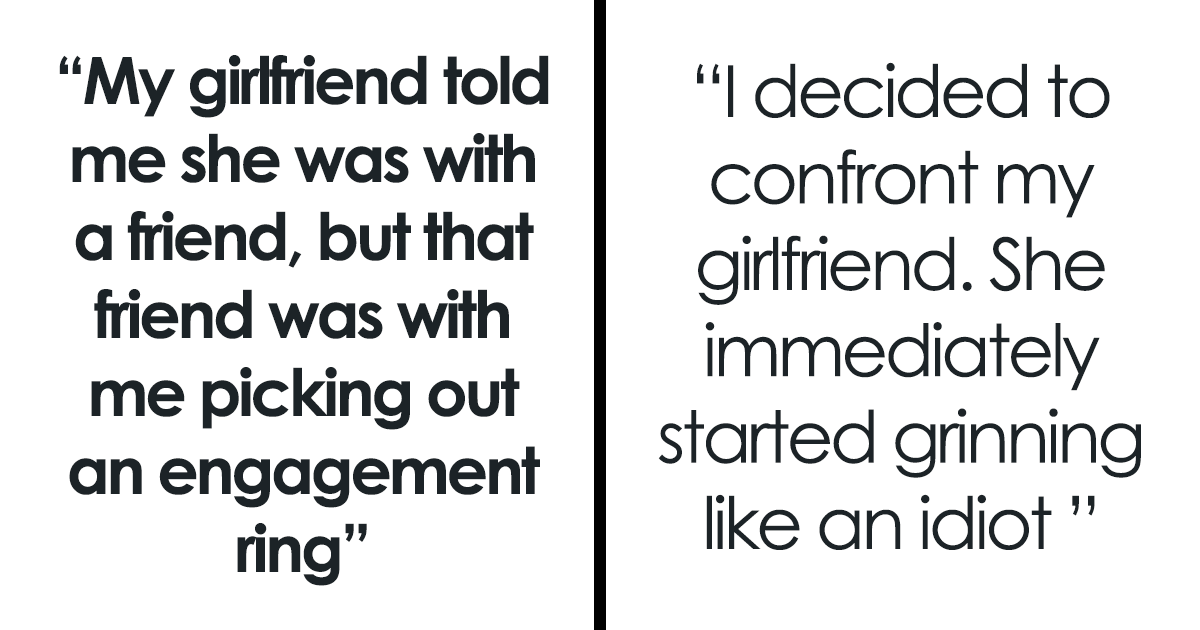
The story, which made waves online, begins like many modern relationship dramas: with suspicion, timing, and one suspiciously casual lie. A man was secretly preparing to propose to his girlfriend. He had been working with her best friend to choose an engagement ring, which is already high-stakes work. Picking a ring is not simply shopping; it is emotional engineering with gemstones. Meanwhile, his girlfriend appeared to be hiding something too. When he asked where she was, her answer did not line up with what he knew. Naturally, his brain did what anxious brains do best: sprinted directly to the worst-case scenario wearing tiny running shoes.
But instead of uncovering cheating, betrayal, or a dramatic secret boyfriend named Chad, the truth turned out to be sweet, funny, and surprisingly scaly. His girlfriend had been hiding her whereabouts because she was preparing a surprise for him: a Kenyan sand boa, something he had always wanted. In other words, the “other man” in this story was a tiny snake. Plot twist: adorable.
Why This Relationship Story Hit A Nerve Online
The reason this story became so shareable is simple: it plays with a fear many people understand. When someone you love lies about where they are, even once, it can shake your sense of safety. Trust is not only built through big promises. It is built through everyday consistency: showing up, telling the truth, answering questions honestly, and not making your partner feel like they need a detective badge to understand your Thursday afternoon.
At the same time, the story also reminds readers that not every secret is sinister. Sometimes people lie because they are planning a surprise, protecting a gift, coordinating with friends, or trying not to ruin a major romantic moment. That does not mean lying is automatically harmless. Even a well-intentioned secret can cause stress if it looks exactly like suspicious behavior from the outside. But it does mean context matters.
The Setup: A Proposal, A Best Friend, And A Suspicious Timeline
The boyfriend was not sitting around looking for drama. He was doing something deeply romantic: planning to propose. To make sure he chose the right engagement ring, he enlisted help from his girlfriend’s best friend. That was a smart move. When someone is about to buy jewelry meant to symbolize forever, getting backup is not weakness; it is survival.
While he and the best friend were coordinating, he tried to figure out how much time they had before his girlfriend returned. That is when things got weird. His girlfriend gave an answer about where she was that did not fit the situation. To someone outside the relationship, it might have looked like a small inconsistency. To someone preparing to propose, it felt enormous. When you are already emotionally vulnerable, a tiny crack in the story can look like the Grand Canyon.
His worry grew because, according to the story, they normally had a very open relationship. They told each other everything. That detail matters. A lie feels different when it happens in a relationship where secrecy is rare. If someone who usually communicates clearly suddenly becomes vague, evasive, or oddly defensive, the shift can feel louder than the words themselves.
Why A Lie About Location Feels So Serious
For many couples, location is not about control; it is about emotional security. Partners often share where they are because it helps with logistics, safety, and connection. “I am at the store” is usually not a legal deposition. It is just normal daily communication. But when the location is false, it can trigger a bigger question: “If this part is not true, what else is not true?”
That question is what makes suspicion snowball. The mind rarely stops at one explanation. It starts building a whole suspicious apartment complex. Maybe she is meeting someone. Maybe the best friend knows. Maybe the relationship has been different than he thought. Maybe the engagement ring was a mistake. Suddenly, one strange text becomes a full emotional emergency.
This is why trust and communication are so closely linked. Trust is not blind belief. It is the confidence that your partner’s words and actions generally match. When they do not match, even for an innocent reason, the nervous system may treat it as a threat.
The Wholesome Reveal: She Was Planning A Surprise Too
After wrestling with suspicion, the boyfriend confronted his girlfriend. This could have gone badly. Many internet relationship stories end with shouting, screenshots, and someone typing “update” at 3 a.m. But in this case, the explanation was not heartbreaking. It was heartwarming.
His girlfriend had not been sneaking around with another person. She had been sneaking around for him. She was arranging a surprise gift: a Kenyan sand boa, a pet he had wanted. The lie was not designed to hide betrayal. It was designed to protect the surprise.
And that is where the story flips from “possible cheating nightmare” to “relationship comedy with a reptile cameo.” Both partners were keeping secrets for loving reasons. He was hiding an engagement ring. She was hiding a snake. Honestly, if romantic comedies had more tiny boas and fewer airport chases, the genre would be stronger.
What This Story Teaches About Trust In Relationships
The most useful lesson is not “never worry when your partner lies.” That would be unrealistic and, frankly, terrible advice. A pattern of lying, secrecy, deleted messages, unexplained absences, or defensive behavior can be a serious red flag. People should not ignore their instincts when something feels wrong.
The better lesson is this: suspicion deserves a conversation before it becomes a conclusion. The boyfriend did not have all the information. He had a concerning detail, a mismatch in the timeline, and a lot of fear. Instead of secretly monitoring her forever or turning the situation into a courtroom drama, he eventually confronted her. That gave the truth a chance to appear.
Healthy Trust Is Not The Same As Never Asking Questions
In a healthy relationship, asking a question is not automatically an accusation. It can be a request for clarity. The tone matters. “Can you help me understand what happened?” lands very differently from “I know what you did.” One opens a door. The other throws a chair through the window.
Couples who communicate well usually know how to slow down tense moments. They use direct language, listen before reacting, and explain how something affected them. For example, a calmer version of the boyfriend’s concern might sound like: “I noticed your story did not match what I heard, and it scared me because we are usually open with each other. Can you tell me what is going on?”
That kind of statement shares the feeling without declaring guilt. It gives the other person room to explain. It also protects the speaker from swallowing anxiety until it turns into resentment.
When Is A White Lie Actually A Problem?
White lies are tricky little creatures. They often show up wearing a bow tie and claiming they are here to help. Sometimes they do. A person might hide a birthday party, a proposal plan, a meaningful gift, or an embarrassing attempt to bake a cake that looks like it fought a lawn mower. These secrets are usually temporary and intended to create joy.
But white lies can still hurt if they touch sensitive areas: trust, loyalty, money, safety, or emotional availability. A surprise gift is one thing. A hidden friendship with an ex, a secret dating app profile, or repeated lies about where someone spends the night is very different. The difference is not only the lie itself; it is the motive, the pattern, and the impact.
In this story, the girlfriend’s lie was temporary, specific, and tied to a loving surprise. Once revealed, it strengthened the relationship rather than exposing deeper dishonesty. That is why readers reacted so warmly. The lie looked scary, but the truth showed care.
Why Social Media Loves “Almost Disaster” Love Stories
Part of the appeal is emotional whiplash. Readers click expecting betrayal and leave smiling about a snake. That is a rare bargain on the internet, where many relationship posts make you want to drink tea while staring out a rainy window.
These stories also give people a safe way to explore their own fears. Many readers have experienced a moment when a partner’s behavior seemed suspicious. Maybe a text went unanswered. Maybe a story changed. Maybe someone became oddly protective of their phone. Online stories let people ask, “What would I do?” without being inside the panic themselves.
The wholesome ending offers relief. It says that sometimes love is clumsy, secrecy is poorly executed, and the thing hiding behind the curtain is not betrayal. Sometimes it is a thoughtful girlfriend holding a snake-shaped surprise.
How Couples Can Handle Suspicion Without Destroying Trust
Suspicion is emotionally loud, but it does not have to be destructive. The first step is separating facts from fears. A fact might be: “She said she was at one place, but she was somewhere else.” A fear might be: “She must be cheating.” The fear may feel convincing, but it is still an interpretation.
The second step is choosing a conversation over an investigation whenever possible. Going through a partner’s phone, tracking their movements, or testing them with traps can damage the relationship even if nothing bad is happening. If there is enough safety to talk directly, talk directly.
The third step is watching the response. A caring partner may be surprised, embarrassed, or even nervous, especially if they are hiding a surprise. But they should still care that you felt unsettled. They should be willing to explain, reassure, and repair. If someone responds with cruelty, manipulation, or repeated blame-shifting, that is worth paying attention to.
Specific Examples Of Better Communication
Imagine Partner A notices Partner B lied about going to lunch. Instead of opening with, “Who are you cheating with?” Partner A could say, “I am confused because you told me one thing, but I saw something different. I do not want to jump to conclusions, but I need honesty.” That phrasing is firm without being explosive.
Partner B, if the secret is innocent, can still take responsibility: “You are right. I lied because I was picking up your anniversary gift and panicked. I see why that looked bad. I should have said I was handling a surprise instead of making up a location.” That response does three things: explains, validates, and repairs.
For future surprises, couples can even create a playful rule. For example: “If one of us is planning something secret, we can say, ‘classified romantic business,’ and the other person agrees not to interrogate.” It sounds silly, but silly systems can save serious stress.
The Green Flag Hidden Inside The Drama
The biggest green flag in this story is not the snake, though the snake deserves honorable mention. The real green flag is that both people were trying to make the other happy. He was planning a proposal. She was planning a meaningful gift. Their secrets collided, but their intentions were aligned.
That is an important distinction. In unhealthy relationships, secrets often protect selfish behavior. In this story, the secrets protected generosity. The conflict came from poor timing, not lack of love.
Another green flag is that the truth eventually came out and transformed the moment. Instead of doubling down on a lie forever, the girlfriend’s surprise was revealed. Instead of assuming the worst forever, the boyfriend learned the full picture. The couple got a story they will probably tell for years: “Remember when you thought I was cheating, but I was actually buying you a snake?” That is not just a memory. That is wedding-toast material.
Experience Section: Real-Life Lessons From Similar Relationship Mix-Ups
Many couples have a version of this story, even if theirs does not involve a Kenyan sand boa. One partner acts strange, the other notices, and suddenly the relationship feels like a mystery novel with bad lighting. In real life, these moments often happen around birthdays, proposals, medical appointments, family surprises, financial planning, or private emotional struggles.
For example, one person might secretly meet a jeweler, a friend, or a family member to plan a proposal. From the outside, that can look suspicious. Why are they suddenly unavailable? Why did they change their password? Why are they whispering in the kitchen like they are negotiating with spies? The truth may be romantic, but the behavior can still trigger anxiety.
Another common experience involves gift planning. A partner may lie about going to the grocery store when they are actually picking up concert tickets, a custom item, or a pet adoption surprise. The intention is sweet, but the lie can backfire if the other person has past experiences with betrayal. Someone who has been cheated on before may not experience “I was just hiding a surprise” as cute at first. Their body may hear “I lied” before their heart hears “because I love you.”
This is why emotional history matters. Two people can face the same situation and react differently. A person with secure trust may laugh off a weird excuse. A person who has been burned before may need reassurance, patience, and a little extra clarity. That does not make them dramatic. It makes them human.
Couples can learn from this by building “surprise-safe” communication. Instead of inventing a detailed fake story, a partner can say, “I am doing something I cannot explain yet, but it is good and not anything that threatens us.” That kind of sentence keeps the surprise alive without making the other person feel foolish later.
There is also a lesson for the suspicious partner: do not punish someone for a crime your fear invented. Ask questions. Share the concern. But leave room for the possibility that the truth is better than your anxiety predicts. The boyfriend in this story had reasons to feel confused, but the final answer was love wearing a tiny reptile sweater.
In the end, these experiences show that relationships are not built by avoiding every misunderstanding. They are built by repairing them. A strange lie can become a fight, a breakup, or a funny story depending on how both people handle the reveal. When honesty returns quickly, empathy leads the conversation, and both partners care about the impact of their actions, even an awkward moment can become proof that the relationship is stronger than one bad assumption.
Conclusion
The story of the boyfriend who suspected his girlfriend might be cheating because she lied about where she was works because it begins with a familiar fear and ends with unexpected tenderness. His suspicion was understandable. Her secrecy looked bad. But the truth was not betrayal; it was a surprise gift from someone who clearly knew him well.
For readers, the takeaway is both practical and hopeful. Lies can damage trust, even when they are small. But not every secret is a scandal. Before turning one inconsistency into a full emotional verdict, couples should talk, listen, and make room for context. Sometimes the thing that looks like relationship doom is actually love trying very hard not to ruin a surprise.
And sometimes, yes, the suspicious third party is a Kenyan sand boa. Romance is weird. That is part of its charm.