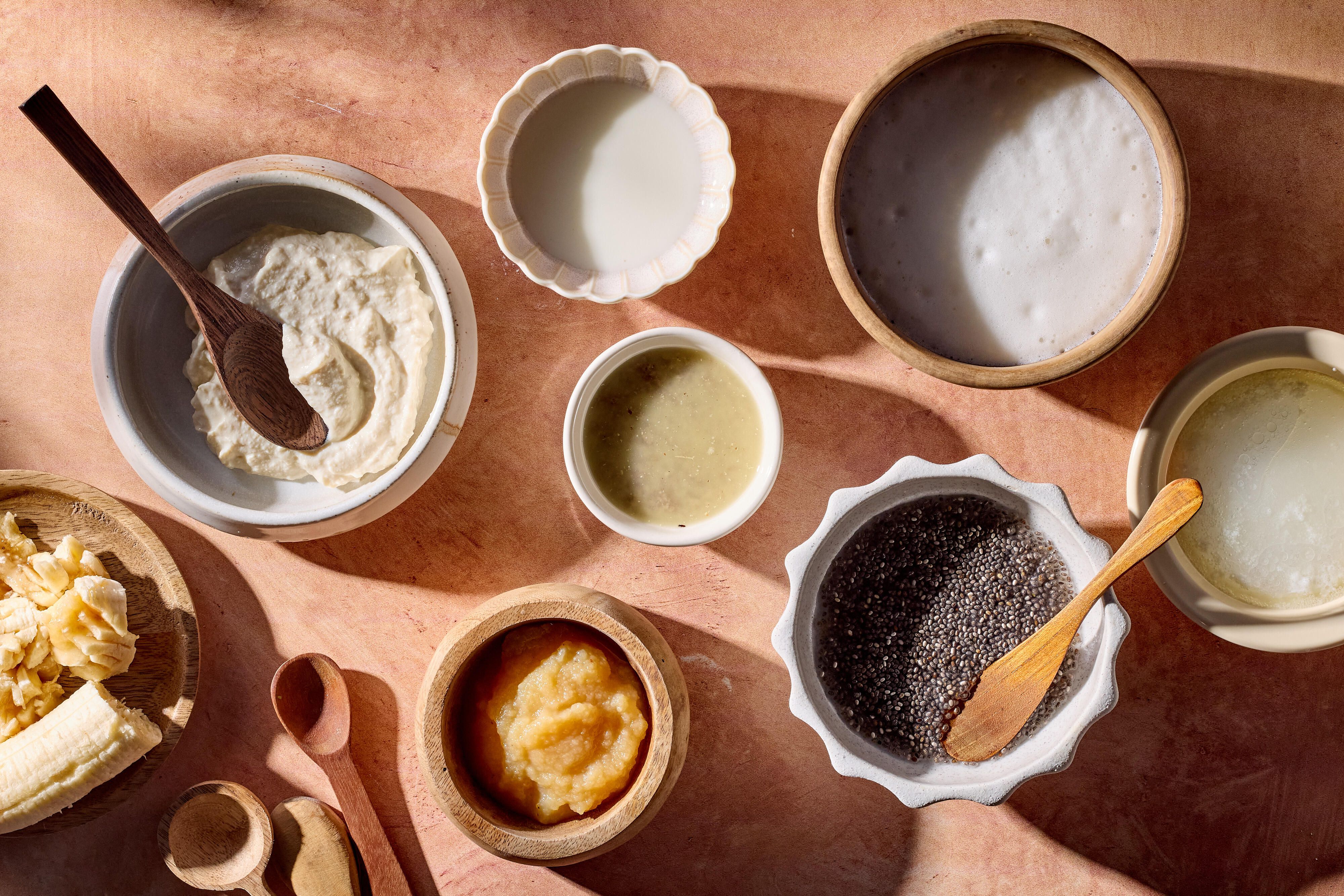
Eggs are the tiny overachievers of the kitchen. They bind, lift, thicken, shine, foam, emulsify, and somehow still find time to make brunch dramatic. So when you remove eggs from a recipe, you are not simply swapping one ingredient for anotheryou are replacing a multitasking kitchen intern with a whole committee of plant-based helpers.
The good news? Vegan egg substitutes have come a long way from “just add sadness and hope.” Today, you can make chewy cookies with flaxseed, fluffy pancakes with aquafaba, creamy quiche with silken tofu, and golden quick breads with mashed banana or applesauce. The trick is not asking, “What replaces an egg?” but “What job was the egg doing in this recipe?” Once you answer that, vegan cooking becomes much less mysterious and much more delicious.
This guide breaks down the best vegan egg substitutes for baking, cooking, breakfast dishes, desserts, batters, binders, and even recipes that need whipped egg whites. Whether you are vegan, baking for someone with an egg allergy, avoiding animal products, or simply staring into an eggless fridge like it owes you money, this article will help you choose the right substitute with confidence.
Why Eggs Matter in Recipes
Before choosing a vegan egg replacement, it helps to understand what eggs actually do. In baking and cooking, eggs can provide structure, moisture, richness, leavening, color, binding, and emulsification. Sometimes they do several of those jobs at once, because apparently eggs enjoy being difficult.
For example, in cookies, eggs often bind ingredients and add chew. In cakes, they may provide moisture and structure. In muffins and quick breads, they help hold the crumb together. In meringues, egg whites trap air and create foam. In custards, eggs thicken the mixture. In scrambles and omelets, they are the star ingredient, so the replacement needs body, protein, and flavor.
That is why one vegan egg substitute cannot rule them all. A flax egg may be wonderful in oatmeal cookies but completely wrong for a lemon meringue pie. Applesauce can make a cake moist, but it will not whip into stiff peaks unless you have discovered a new law of physics. Matching the substitute to the recipe is the secret sauce.
Quick Guide: Best Vegan Egg Substitutes by Recipe Type
| Recipe Type | Best Vegan Egg Substitute | Basic Ratio for 1 Egg |
|---|---|---|
| Cookies | Flax egg or chia egg | 1 tablespoon ground seeds + 3 tablespoons water |
| Muffins and quick breads | Mashed banana, applesauce, pumpkin puree, or flax egg | 1/4 cup puree or 1 flax egg |
| Cakes | Aquafaba, applesauce, vegan yogurt, or commercial egg replacer | 3 tablespoons aquafaba or 1/4 cup puree |
| Brownies | Flax egg, aquafaba, or silken tofu | 1 flax egg or 1/4 cup blended tofu |
| Pancakes and waffles | Flax egg, chia egg, aquafaba, or banana | 1 flax egg or 1/4 cup mashed banana |
| Meringue and mousse | Aquafaba | 3 tablespoons aquafaba per egg white |
| Scrambles and omelets | Tofu or chickpea flour | Use recipe-specific amounts |
| Veggie burgers and meatless loaves | Flax egg, chia egg, oats, or mashed beans | 1 flax egg per egg |
1. Flax Egg: The Reliable Binder for Everyday Baking
A flax egg is one of the most popular vegan egg substitutes because it is easy, affordable, and dependable. To make one, mix 1 tablespoon of ground flaxseed meal with 3 tablespoons of water. Let it sit for about 5 to 10 minutes until it becomes thick and gel-like.
Flax eggs work best in recipes that need binding rather than dramatic lift. Think cookies, muffins, pancakes, veggie burgers, brownies, and hearty quick breads. They add a mild nutty flavor, which is usually welcome in oatmeal cookies, banana bread, and chocolate desserts. In a delicate vanilla sponge cake, however, that earthy flavor may walk in wearing boots.
Best uses for flax eggs
Use flax eggs in chocolate chip cookies, oatmeal cookies, whole-grain muffins, zucchini bread, vegan pancakes, veggie patties, lentil loaves, and brownies. They are especially helpful when the recipe has a sturdy texture and does not rely heavily on eggs for height.
When to avoid flax eggs
Avoid flax eggs in recipes that need a very light, airy crumb or whipped egg whites. They bind beautifully, but they do not create the same lift as beaten eggs.
2. Chia Egg: A Neutral, Gel-Like Egg Replacement
A chia egg works almost the same way as a flax egg. Mix 1 tablespoon of ground chia seeds with 3 tablespoons of water, then let the mixture gel. Whole chia seeds can work, but ground chia creates a smoother texture and blends more easily into batters.
Chia eggs are excellent in pancakes, waffles, muffins, cookies, veggie burgers, and breakfast bars. Compared with flax, chia has a slightly more neutral flavor, although it can leave tiny specks in pale baked goods. That is not a problem unless your vanilla cupcake is trying to look like it has freckles.
Best uses for chia eggs
Use chia eggs when you want binding with minimal flavor impact. They are great in gluten-free baking because their gel helps hold ingredients together.
3. Aquafaba: The Magic Bean Water for Whipping and Lifting
Aquafaba is the liquid from canned chickpeas or home-cooked legumes. It looks humble, smells faintly bean-ish, and then whips into foam like it has been hiding a superhero cape in the pantry. For replacing egg whites, aquafaba is one of the best vegan options available.
Use 3 tablespoons of aquafaba to replace one whole egg in some baked goods, or about 2 to 3 tablespoons to replace one egg white. It can be whipped for meringues, macarons, mousses, vegan buttercream, cocktails, and airy pancakes. A pinch of cream of tartar can help stabilize the foam.
Best uses for aquafaba
Aquafaba shines in recipes that need air: meringue cookies, mousse, sponge-style pancakes, waffles, light cakes, and vegan cocktails. It can also help add lift to cakes and brownies when flax or chia would make the result too dense.
When aquafaba may not work
Aquafaba is not a perfect replacement in every recipe. Some delicate baked goods that depend heavily on egg structure may still be tricky. For complicated recipes like angel food cake or chiffon cake, it is often better to use a recipe designed specifically for vegan baking.
4. Applesauce: The Moisture Hero for Cakes and Muffins
Unsweetened applesauce is a classic vegan egg substitute for soft baked goods. Use 1/4 cup applesauce to replace one egg. It adds moisture, tenderness, and a subtle sweetness, making it ideal for muffins, snack cakes, spice cakes, carrot cake, and quick breads.
Because applesauce adds moisture but not much structure, it can make baked goods slightly denser. If your cake needs lift, add an extra 1/2 teaspoon of baking powder for each egg replaced. This small adjustment can help the crumb avoid becoming too heavy.
Best uses for applesauce
Use applesauce in banana bread, pumpkin muffins, chocolate cake, apple spice cake, carrot cake, and soft breakfast bars. It is especially good when the recipe already includes warm spices, cocoa, fruit, or nuts.
5. Mashed Banana: Sweet, Moist, and Not at All Shy
Mashed banana is another easy vegan egg replacement. Use 1/4 cup mashed ripe banana to replace one egg. It adds moisture, binding, sweetness, and a soft texture.
The important thing to remember is that banana brings banana flavor. This is wonderful in pancakes, banana bread, muffins, brownies, and chocolate cakes. It is less wonderful in a delicate lemon cake unless your goal is “surprise banana,” which is not always the party trick people asked for.
Best uses for mashed banana
Use banana in pancakes, waffles, muffins, quick breads, brownies, and oatmeal bars. It pairs especially well with chocolate, cinnamon, peanut butter, walnuts, oats, and coconut.
6. Silken Tofu: Creamy Structure for Dense Desserts and Savory Dishes
Silken tofu is smooth, mild, and protein-rich, making it a strong vegan egg substitute when you need creaminess and structure. Blend 1/4 cup silken tofu until completely smooth to replace one egg.
Silken tofu works best in dense cakes, brownies, custards, cheesecakes, puddings, quiches, and creamy fillings. It can make baked goods slightly heavier, so it is better for fudgy or rich recipes than fluffy sponge cakes.
Best uses for silken tofu
Use silken tofu in vegan cheesecake, chocolate mousse, pumpkin pie filling, quiche, brownies, pound-style cakes, and creamy breakfast casseroles. Blend it thoroughly so the final texture is smooth, not “tofu surprise.”
7. Chickpea Flour: The Savory Egg Substitute with Serious Breakfast Energy
Chickpea flour, also called garbanzo bean flour, is a fantastic choice for savory vegan egg recipes. When mixed with water and seasonings, it creates a batter that can be cooked into omelets, frittatas, pancakes, and egg-free breakfast patties.
Its flavor is slightly nutty and earthy, so it works best with savory ingredients like onions, peppers, spinach, mushrooms, nutritional yeast, garlic powder, turmeric, and black salt. Black salt, or kala namak, has a sulfur-like aroma that gives vegan egg dishes a more eggy flavor. Use it lightly unless you want your kitchen to smell like a science experiment with ambition.
Best uses for chickpea flour
Use chickpea flour for vegan omelets, savory pancakes, frittatas, breakfast wraps, and vegetable fritters. It is also useful as a binder in veggie burgers and meatless patties.
8. Vegan Yogurt: Tender Cakes with a Gentle Tang
Plain unsweetened vegan yogurt can replace eggs in cakes, muffins, cupcakes, and quick breads. Use 1/4 cup vegan yogurt for one egg. It adds moisture, tenderness, and a mild tang that works especially well in recipes with citrus, vanilla, berries, or spices.
Choose plain, unsweetened yogurt to avoid unexpected flavors. Strawberry yogurt may sound cute until your cornbread starts tasting like a smoothie had a meeting with a casserole.
Best uses for vegan yogurt
Use vegan yogurt in muffins, loaf cakes, cupcakes, pancakes, and tender quick breads. Soy yogurt often provides good structure, while coconut yogurt adds richness but may bring a coconut note.
9. Commercial Vegan Egg Replacers: Convenient and Consistent
Commercial vegan egg replacers are usually made from starches, leavening agents, and fibers. They are designed to replace eggs in baking and can be very helpful when you want consistency without experimenting with pantry chemistry.
These products work well in cookies, muffins, cakes, pancakes, and quick breads. They are not usually designed for scrambles unless the product specifically says so. Always follow the package directions because ratios vary by brand.
Best uses for commercial egg replacers
Use powdered vegan egg replacers when baking for guests, testing a recipe for a blog, or making something where you want fewer surprises. They are especially useful in neutral-flavored cakes where flax or banana might be too noticeable.
10. Baking Soda and Vinegar: Lift for Light Bakes
A mixture of baking soda and vinegar can help replace the leavening power of eggs in some recipes. A common ratio is 1 teaspoon baking soda plus 1 tablespoon vinegar to replace one egg. The reaction creates bubbles, which can help cakes and cupcakes rise.
This substitute works best when the recipe already has enough structure from flour, starch, or another binder. It is not ideal as the only egg replacement in recipes that need chew or firmness.
Best uses for baking soda and vinegar
Use this combination in cupcakes, light cakes, and fluffy quick breads. Apple cider vinegar or white vinegar both work, and the flavor usually disappears after baking.
11. Pumpkin Puree and Sweet Potato Puree: Rich, Cozy, and Moist
Pumpkin puree and sweet potato puree can replace eggs in many baked goods. Use 1/4 cup puree per egg. These substitutes add moisture, color, and gentle sweetness, making them excellent for fall baking, spice cakes, muffins, and hearty loaves.
They also add density, so they are best in recipes where a moist crumb is welcome. Pumpkin chocolate chip muffins? Yes. Ultra-light vanilla sponge? Not the best match.
12. Cornstarch, Arrowroot, or Tapioca Starch: Simple Binders for Sauces and Bakes
Starches can help bind ingredients and thicken mixtures. For one egg, mix 2 tablespoons starch with 3 tablespoons water. Cornstarch, arrowroot powder, and tapioca starch can work in cookies, puddings, sauces, and some cakes.
These substitutes are especially useful when you want a neutral flavor. They will not add richness or lift, so they work best as part of a recipe that already has enough fat and leavening.
How to Choose the Right Vegan Egg Substitute
The easiest way to choose the best vegan egg substitute is to identify the egg’s main function. If the recipe needs binding, choose flax, chia, or starch. If it needs moisture, choose applesauce, banana, pumpkin, sweet potato, or vegan yogurt. If it needs air, choose aquafaba. If it needs creamy structure, choose silken tofu. If it needs a savory egg-like base, choose tofu or chickpea flour.
Also consider flavor. Banana tastes like banana. Flax tastes a little nutty. Chickpea flour tastes savory. Applesauce adds sweetness. Silken tofu is mild but can make a recipe denser. Aquafaba is mostly neutral after baking, although it may smell like chickpeas before it is cooked or whipped.
Finally, avoid replacing too many eggs in a traditional recipe unless you are comfortable experimenting. If a recipe calls for one or two eggs, substitution is usually manageable. If it calls for four or more eggs, the eggs are probably central to the structure. In that case, start with a tested vegan recipe instead of trying to renovate a skyscraper with a spoon.
Best Vegan Egg Substitutes for Popular Recipes
Best vegan egg substitute for cookies
Flax eggs and chia eggs are the top choices for cookies. They provide binding and chew without adding too much moisture. For softer cookies, applesauce can work, but use it carefully because too much can make cookies cakey.
Best vegan egg substitute for cakes
Aquafaba, applesauce, vegan yogurt, and commercial egg replacers are strong options for cakes. For chocolate cake, applesauce or banana can work beautifully because cocoa hides stronger flavors. For vanilla cake, choose aquafaba, yogurt, or a neutral commercial replacer.
Best vegan egg substitute for brownies
Flax eggs are excellent for chewy brownies. Silken tofu creates a fudgy texture. Aquafaba can work when you want a lighter brownie, but results vary depending on the recipe.
Best vegan egg substitute for pancakes
Flax eggs, chia eggs, mashed banana, and aquafaba all work in pancakes. Banana makes them sweet and tender. Aquafaba helps them become lighter. Flax gives them structure and a cozy, whole-grain feel.
Best vegan egg substitute for scrambles
Firm tofu is the easiest vegan scramble base. Crumble it into a skillet with turmeric, nutritional yeast, garlic powder, onion powder, black salt, and a splash of plant milk. For a softer texture, mix firm tofu with a little silken tofu.
Best vegan egg substitute for quiche
Silken tofu is the winner for vegan quiche. Blend it with nutritional yeast, seasonings, plant milk, and a little starch, then fold in vegetables. The result is creamy, sliceable, and brunch-approved.
Best vegan egg substitute for meringue
Aquafaba is the best choice for vegan meringue. Whip it with sugar and a stabilizer until glossy peaks form. It takes patience, but the result can be surprisingly close to traditional meringue.
Common Vegan Egg Substitute Mistakes
The biggest mistake is using the same substitute everywhere. A flax egg is not aquafaba. Applesauce is not tofu. Chickpea flour is not banana, thankfully. Each option has strengths and limits.
Another common mistake is adding too much moisture. Fruit purees and yogurt can make baked goods tender, but too much can lead to gummy centers. Measure carefully, especially when adapting a recipe for the first time.
Finally, do not forget flavor. If you use banana in a delicate almond cake, people will notice. If you use chickpea flour in a sweet vanilla cupcake, people may ask questions. Possibly legal ones. Choose a substitute that complements the recipe, not one that crashes the party.
Personal Kitchen Experience: What Actually Works Best
After testing vegan egg substitutes in everyday cooking, the biggest lesson is this: the best substitute is rarely the fanciest one. Most of the time, the winner is the ingredient that matches the recipe’s personality. A chewy oatmeal cookie wants a flax egg. A fluffy mousse wants aquafaba. A creamy quiche wants silken tofu. A banana muffin is perfectly happy with mashed banana because, honestly, it was already headed in that direction.
For cookies, flax eggs have been the most dependable in my kitchen. They help dough hold together, add a pleasant chew, and do not require special equipment. The key is letting the flax mixture thicken before adding it to the batter. If you rush it, the mixture behaves more like wet sand with confidence issues. Ground flaxseed also works better than whole flaxseed because the meal releases more gel and blends into the dough.
For cakes, I have had the best results with a combination approach. Applesauce adds moisture, but it can make the crumb dense if used alone. Aquafaba adds lift, but it does not always provide enough richness. Vegan yogurt lands nicely in the middle, especially in loaf cakes and cupcakes. In chocolate cakes, applesauce is wonderfully forgiving because cocoa covers the fruit flavor. In vanilla cakes, I prefer aquafaba or a commercial vegan egg replacer because the flavor stays cleaner.
For brownies, silken tofu is underrated. When blended until smooth, it creates a dense, fudgy texture that feels intentional rather than “oops, this did not rise.” Flax eggs also work well, especially for chewy brownies with crisp edges. Aquafaba can be useful, but brownies are sensitive little squares of drama, so recipe balance matters. Too much liquid can push them from fudgy to weirdly soft.
For pancakes, mashed banana is the easy crowd-pleaser. It adds sweetness, moisture, and a breakfast-friendly flavor. But when I want pancakes that taste more neutral, I use a flax egg or aquafaba. Aquafaba makes the batter lighter, especially if whisked briefly before adding it. The difference is subtle but real: the pancakes feel less heavy and more diner-style.
For savory cooking, tofu is the champion. A tofu scramble with black salt, nutritional yeast, turmeric, garlic powder, and a splash of unsweetened plant milk can satisfy the breakfast craving without pretending too hard. Chickpea flour is another favorite for omelets and vegetable fritters. It sets well, browns nicely, and carries spices beautifully. The only rule is to cook it fully; undercooked chickpea flour tastes a little too “raw pantry,” which is not a flavor category anyone needs.
Aquafaba is the most magical substitute, but also the one that asks for the most patience. It can take several minutes to whip, and the bowl should be clean for best results. Adding sugar slowly helps meringue become glossy and stable. The first time aquafaba turns from bean liquid into fluffy peaks, it feels like kitchen witchcraft. The second time, it feels like you should probably start saving chickpea liquid in labeled containers like a very specific kind of genius.
My practical advice is to keep three vegan egg substitutes ready: ground flaxseed for binding, aquafaba for lift and foam, and silken tofu for creamy structure. Add applesauce or banana when the flavor fits. With those options, you can handle most cookies, muffins, pancakes, cakes, brownies, scrambles, and savory bakes without turning your kitchen into a laboratory. Although, to be fair, a little laboratory energy is part of the fun.
Conclusion
Vegan egg substitutes are not one-size-fits-all, and that is exactly what makes them useful. Instead of forcing one ingredient to do every job, choose the substitute that matches the recipe. Flax and chia eggs bind. Aquafaba whips and lifts. Applesauce, banana, pumpkin, and sweet potato add moisture. Silken tofu brings creamy structure. Chickpea flour and tofu step in for savory egg dishes. Commercial egg replacers offer convenience when you want predictable results.
Once you understand the role eggs play, vegan baking and cooking become much easier. You will stop guessing and start choosing. Your cookies will hold together, your muffins will stay tender, your pancakes will rise, and your brunch guests may never know the eggs stayed completely out of the invitation list.