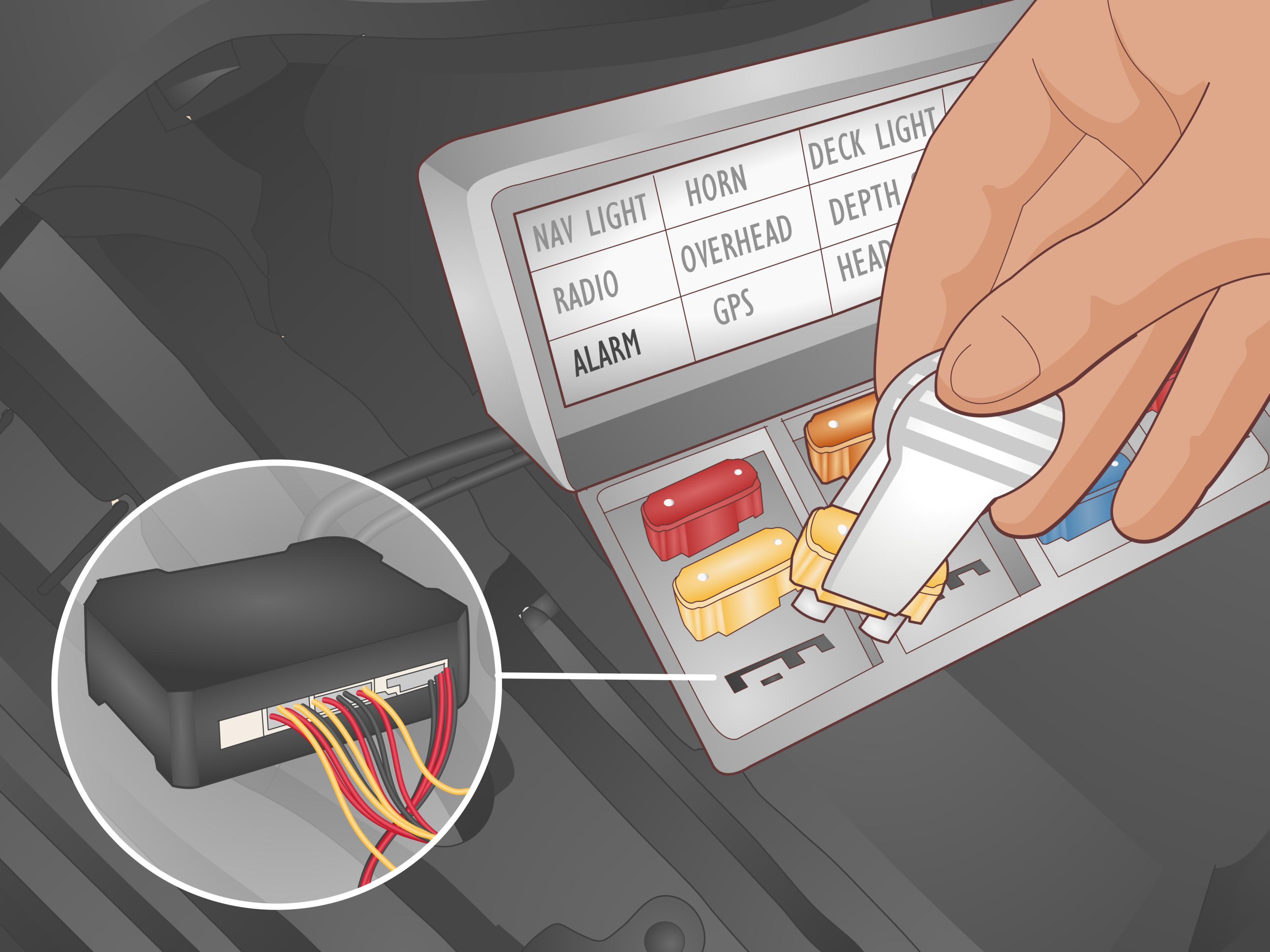
A car alarm is supposed to be the brave little guardian of your vehicle. It should shout when someone tries to break in, not when a leaf lands on the hood with the emotional weight of a soap opera. If your car alarm keeps going off for no clear reason, you are not alone. Random car alarms are common, annoying, and very good at turning friendly neighbors into curtain-peeking detectives.
The good news is that a car alarm going off randomly usually has a logical cause. The not-so-good news is that the cause can range from a weak key fob battery to a faulty hood latch sensor, a dying 12-volt battery, poor wiring, or an overly sensitive shock sensor that thinks every passing truck is a monster attack. This guide explains the six most common reasons your car alarm keeps going off, how to diagnose the problem, and what you can do before your driveway becomes the neighborhood’s least popular concert venue.
How a Car Alarm Works in Simple Terms
Most car alarm systems monitor a security loop. When the alarm is armed, the system watches doors, hood, trunk, movement, vibration, glass breakage, and sometimes cabin motion or vehicle tilt. If the system thinks someone opened, bumped, lifted, or entered the vehicle without authorization, it activates the horn or siren and flashes the lights.
Modern vehicles often combine the alarm with the body control module, door lock sensors, keyless entry system, immobilizer, and battery voltage monitoring. That is helpful for theft prevention, but it also means one small electrical glitch can set off a dramatic chain reaction. A corroded battery terminal, a wet connector, or a sensor that is slightly out of position can make the car believe it is under attack when, in reality, it is just parked next to a windy hedge.
Quick Symptom Checklist
Before replacing parts, pay attention to patterns. When does the alarm happen? What changed recently? Did you wash the car, replace the battery, drop the key fob, park under a tree, or notice a “door ajar” warning? Small clues often point to the right fix.
| Symptom | Likely Cause | First Thing to Check |
|---|---|---|
| Alarm goes off at night | Weak car battery, animals, sensitive sensor | Battery voltage and parking environment |
| Alarm sounds after rain or car wash | Moisture in latch, wiring, or fuse box | Hood latch, door seals, electrical connectors |
| Alarm goes off after battery replacement | System reset issue or loose connection | Battery terminals and alarm reset procedure |
| Alarm triggers when trucks pass | Overly sensitive shock sensor | Alarm sensitivity setting |
| Alarm goes off with “door ajar” warning | Faulty door, trunk, or hood sensor | Latch switches and wiring |
1. Weak or Dying Car Battery
A weak car battery is one of the biggest reasons a car alarm keeps going off randomly. Your alarm system depends on steady electrical voltage. If the 12-volt battery is weak, undercharged, old, or dealing with corroded terminals, voltage may fluctuate. The alarm module can misread that drop as tampering and sound the alarm.
This is especially common at night because temperatures often drop, the car sits for hours, and an aging battery may struggle to maintain charge. If the alarm goes off in the early morning and the car cranks slowly later, your battery is practically waving a tiny white flag.
Signs the car battery may be the problem
- The engine cranks slowly or hesitates before starting.
- Interior lights look dim.
- The alarm triggers more often after the car sits overnight.
- Battery terminals show white, green, or bluish corrosion.
- The battery is more than three to five years old.
What to do
Test the battery with a multimeter or have it tested at an auto parts store or repair shop. A fully charged 12-volt battery should generally read about 12.6 volts with the engine off. Also inspect the terminals. They should be clean, tight, and free of corrosion. If the battery fails a load test, replace it before chasing mysterious alarm demons through the wiring harness.
2. Faulty Key Fob or Low Key Fob Battery
Your key fob is small, convenient, and easy to blame because it spends most of its life getting dropped, sat on, washed in jeans, or thrown into a bag with keys, coins, and crumbs of unknown origin. A weak key fob battery, sticky panic button, damaged circuit board, or programming issue can send inconsistent signals to the vehicle.
In some cases, the fob may accidentally trigger the panic alarm. In other cases, the vehicle may not properly recognize the remote, especially if the fob battery is weak or the internal contacts are dirty. If you recently replaced the fob battery and the alarm problems started afterward, the fob may need to be reseated, cleaned, or reprogrammed.
Signs your key fob may be causing false alarms
- The alarm goes off when the fob is in your pocket or bag.
- The panic button feels stuck or overly sensitive.
- The fob only works close to the vehicle.
- Lock and unlock functions work intermittently.
- The issue stops when you use a spare fob.
What to do
Replace the key fob battery first. It is inexpensive, quick, and often solves the problem. Use the correct battery type listed in your owner’s manual. Then clean around the buttons and inspect the case for damage. If you have a spare key fob, use it for a few days. If the alarm stops misbehaving, congratulations: the original fob was the tiny chaos machine.
3. Dirty, Misaligned, or Faulty Hood Latch Sensor
A faulty hood latch sensor is a classic cause of random car alarm problems. Many alarm systems monitor the hood because thieves may open it to disconnect the battery or disable the siren. If the sensor is dirty, corroded, loose, wet, or misaligned, it may tell the alarm module that the hood has been opened even when it is closed.
This problem often shows up after rain, a car wash, engine bay cleaning, or dusty driving. The hood latch sits in a hardworking, dirty area. It deals with moisture, grease, road grit, heat, and vibration. In other words, it has the job description of a superhero and the comfort level of a toaster in a mud puddle.
Signs the hood latch sensor may be faulty
- The alarm goes off after rain or washing the car.
- A dashboard message says the hood is open when it is closed.
- The alarm triggers shortly after locking the vehicle.
- The hood does not close smoothly or feels slightly loose.
What to do
Open the hood and inspect the latch area. Look for dirt, corrosion, loose wiring, or a latch that does not fully engage. Clean the latch carefully with an appropriate electrical-safe cleaner or degreaser, then dry the area. Avoid blasting sensors with high-pressure water. If the warning continues or the alarm keeps triggering, a technician can test the hood switch and replace it if needed.
4. Door, Trunk, or Lock Sensor Problems
Your car alarm may keep going off because one of the doors, the trunk, or the hatch is not reporting correctly. Alarm systems rely on latch switches to confirm that everything is closed. If a door switch is worn out, the trunk latch is loose, or a wiring short sends an intermittent signal, the alarm may think someone opened the vehicle.
A helpful clue is the “door ajar” warning. If the dashboard occasionally says a door is open while you are driving, or the interior lights flicker for no reason, suspect a latch switch or wiring issue. Some vehicles are known for door-latch-related alarm problems, and moisture can make the symptoms worse.
How to check for latch sensor issues
- Close every door firmly and check the dashboard warning lights.
- Open and close the trunk or hatch several times.
- Look for interior lights that stay on after locking the car.
- Check whether the alarm happens after using one specific door.
- Inspect rubber seals for water leaks near doors or the trunk.
What to do
Start simple. Make sure no seat belt, floor mat, cargo strap, or trapped object is preventing a door or trunk from closing fully. Then check for warning lights. If the problem continues, a mechanic can scan body control module data to see which latch is reporting open. This is much better than replacing random parts and hoping the car appreciates your optimism.
5. Overly Sensitive Shock, Tilt, or Motion Sensors
Some car alarms are sensitive by design. Shock sensors detect impact or vibration. Tilt sensors can detect towing, jacking, or movement. Interior motion sensors can detect movement inside the cabin. These features are useful when tuned correctly. When they are too sensitive, your alarm may react to thunder, loud exhausts, garbage trucks, strong wind, motorcycles, hail, or a raccoon practicing parkour on your hood.
This is especially common with aftermarket alarm systems. A poorly adjusted shock sensor may interpret normal street vibration as attempted theft. If your alarm usually goes off when a large truck passes, during storms, or when parked on a busy street, sensitivity may be too high.
Signs sensor sensitivity is too high
- The alarm triggers when loud vehicles pass nearby.
- The alarm is worse during storms or heavy wind.
- The car is parked on a street with vibration or construction nearby.
- The issue began after an aftermarket alarm installation.
- The alarm goes off but no door, hood, or trunk warning appears.
What to do
Check your alarm owner’s manual for sensitivity adjustment instructions. Factory systems may require dealership or scan-tool settings, while aftermarket systems often have an adjustment knob or module under the dash. Do not disable all sensors unless necessary. The goal is not to make the alarm sleep through a burglary; the goal is to stop it from panicking every time a delivery truck exhales.
6. Wiring Faults, Water Intrusion, or Aftermarket Installation Issues
If the obvious causes do not fit, the problem may be electrical. Alarm systems depend on wiring, grounds, relays, fuses, control modules, and sensor circuits. Loose grounds, damaged wires, corroded connectors, water intrusion, or a poorly installed aftermarket alarm can all create false triggers.
Water is a sneaky troublemaker. A small leak near a windshield, door seal, sunroof drain, or under-dash fuse box can create intermittent electrical behavior. The alarm may work normally in dry weather and then become a horn-happy gremlin after a storm. Rodents can also chew wiring, especially in vehicles that sit for long periods.
When to suspect wiring or installation trouble
- The alarm problem started after stereo, remote start, or alarm installation.
- The issue appears after rain, snow, or a car wash.
- Other electrical problems happen at the same time.
- Lights flicker, locks cycle randomly, or fuses blow.
- The alarm sounds even after checking the battery, fob, and latches.
What to do
Electrical diagnosis is where professional help pays off. A qualified technician can inspect wiring, check grounds, test sensors, read body control module data, and look for stored fault codes. If you have an aftermarket alarm, take the car to a reputable installer or auto electrician. Poor installation can cause repeated false alarms and may even create battery drain or starting problems.
How to Stop a Car Alarm Quickly
If your car alarm is going off right now, try these steps before panic-ordering earplugs for the entire block:
- Press unlock on the key fob.
- Press the panic button again if it was accidentally activated.
- Use the physical key in the driver’s door to lock and unlock the car.
- Start the vehicle if it is safe to do so.
- Check that all doors, hood, and trunk are fully closed.
- Consult the owner’s manual for the alarm fuse or reset procedure.
Disconnecting the car battery should be a last resort. It can silence the alarm, but it may also erase vehicle settings, trigger warning lights, or require system relearning on some newer vehicles. If you must disconnect the battery, follow the owner’s manual and use proper safety precautions.
How to Diagnose the Problem Without Guessing
A random car alarm can feel mysterious, but a careful process saves time and money. Start with the easiest checks: key fob battery, car battery, door closure, hood latch cleanliness, and recent changes. Then look for patterns. Does the alarm happen only in one parking spot? Only after rain? Only after locking with the remote? Only when the spare fob is not used?
If the alarm system is connected to the vehicle’s body control module, a professional scan tool can often show which input triggered the alarm. For example, it may reveal that the hood switch reported open, the left rear door latch changed state, or the voltage dropped below a threshold. That data is much more useful than standing in the driveway whispering, “Please behave,” to a sedan at 2 a.m.
Prevention Tips: Keep the Alarm Useful, Not Annoying
A working car alarm is still a helpful theft deterrent. The goal is to keep it reliable, not silence it forever. Follow these practical habits:
- Replace weak key fob batteries before they fail completely.
- Test your car battery before winter or extreme heat.
- Keep battery terminals clean and tight.
- Clean hood and trunk latch areas during routine maintenance.
- Park in well-lit, visible areas when possible.
- Remove valuables from sight to reduce break-in risk.
- Use a professional installer for aftermarket alarms or remote start systems.
- Investigate water leaks quickly, especially near the windshield, doors, and fuse box.
Real-World Experiences: What Car Alarm Problems Usually Look Like
In real life, a car alarm that keeps going off rarely announces the exact problem with polite subtitles. It usually starts as a mystery. One driver may notice the alarm sounding every night at almost the same time. After blaming teenagers, ghosts, and a suspiciously confident squirrel, they discover the garbage truck passes at 4:30 a.m. and shakes the street just enough to trigger an overly sensitive shock sensor. A small adjustment fixes the issue, and the neighborhood finally sleeps again.
Another common experience happens after replacing a car battery. Everything seems normal until the alarm suddenly starts honking in the driveway. This can happen because the alarm system needs to be reset, the terminals are not fully tight, or the vehicle’s electronics are relearning after power was disconnected. The fix may be as simple as locking and unlocking the driver’s door with the physical key, pressing the disarm button, or tightening the battery cables. Of course, if warning lights remain or the alarm keeps cycling, that is a sign to get the electrical system checked.
Hood latch problems are another classic driveway drama. A vehicle may look completely closed, but the hood sensor may be dirty or slightly misaligned. The driver locks the car, walks inside, and five minutes later the alarm begins its solo performance. The clue is often a hood-open message that appears briefly, or an alarm that gets worse after rain. Cleaning the latch and checking the connector can help, but a failing switch usually needs replacement.
Key fob issues can be surprisingly sneaky. Someone may keep a fob in a tight pocket, purse, drawer, or gym bag where the panic button gets pressed accidentally. Other times, the fob battery is weak and the signal becomes unreliable. One easy test is to store the fob far away from the vehicle or use the spare fob for several days. If the alarm stops, the first fob was probably the culprit. It is a small device, but like a toddler with a whistle, it can cause a lot of noise.
Environmental triggers are also more common than many drivers expect. Cats, raccoons, windblown branches, hail, construction vibration, and loud motorcycles can all set off sensitive alarms. If the problem happens only in one parking spot, try parking somewhere else for a few nights. A cheap security camera can also help confirm whether an animal, person, or passing vehicle is causing the alarm. Sometimes the “random” trigger is not random at all; it is just happening when you are not watching.
Finally, older vehicles and aftermarket alarm systems often develop wiring-related issues. A splice that was fine years ago may corrode. A ground may loosen. A windshield leak may drip into a connector. These problems can be frustrating because they appear and disappear. The alarm may be quiet for a week and then go off three times after a storm. When symptoms are intermittent, professional diagnosis is usually worth it. A technician can test circuits, inspect previous installations, and find the fault without turning your car into a parts-replacement guessing game.
Conclusion
If your car alarm keeps going off, do not assume your vehicle is haunted, cursed, or auditioning for a marching band. Start with the most common causes: a weak car battery, faulty key fob, dirty hood latch sensor, bad door or trunk switch, overly sensitive shock sensor, or electrical wiring problem. Most false alarms can be traced with a simple pattern check, a battery test, and a careful look at latches and sensors.
The best approach is calm, practical troubleshooting. Replace inexpensive batteries first, clean obvious sensors, check for warning lights, and note when the alarm happens. If the problem continues, let a qualified technician scan the system and inspect the wiring. A reliable car alarm should protect your vehicle, not launch a midnight audio attack on everyone within three houses.
Note: This article is general educational guidance. Because alarm systems vary by make, model, year, and aftermarket equipment, always check your owner’s manual and consult a qualified mechanic, auto electrician, locksmith, or dealership when the problem involves wiring, immobilizer faults, repeated battery drain, or safety concerns.