Swedish death cleaning sounds like the title of a gloomy crime drama, but do not be fooled by the dramatic name. It is actually one of the kindest, most practical, and surprisingly life-affirming ways to declutter a home. Known in Swedish as döstädning, this method is abour family does not have to discover a drawer full of mystery cables, expired coupons, and birthday candles shaped like numbers you no longer admit to using.
The Swedish death cleaning method became widely known through Margareta Magnusson, author of The Gentle Art of Swedish Death Cleaning. Her approach is not about panic, perfection, or living in an empty white room with one wooden chair and a judgmental plant. It is about making thoughtful decisions. What do you use? What do you love? What tells your story? What will make your loved ones say, “Thank you,” instead of “Why did they keep 47 hotel shampoos?”
This Swedish death cleaning checklist will walk you through the method, steps, categories, emotional decisions, legal documents, digital clutter, and practical ways to keep the process manageable. Whether you are downsizing, helping aging parents, simplifying your home, or just tired of fighting your linen closet like it owes you money, this guide will help.
What Is Swedish Death Cleaning?
Swedish death cleaning is a long-term decluttering and organizing practice designed to reduce the burden your possessions may place on others after you die. It sounds blunt because it is. But that bluntness is part of its charm. Instead of pretending that clutter will magically organize itself someday, the method asks a mature and useful question: “Who will deal with this when I am gone?”
Unlike quick decluttering challenges, Swedish death cleaning is not only about creating a tidy home. It is about responsibility, memory, generosity, and clarity. You are not simply throwing things away. You are deciding what deserves space in your life and what should be released, donated, sold, gifted, recycled, digitized, or documented.
Is Swedish Death Cleaning Only for Older Adults?
No. The method is especially useful for older adults, retirees, widows, widowers, and people preparing to downsize, but anyone can practice it. In fact, starting earlier makes the process easier. A person in their 40s cleaning out a garage has more energy than a person in their 90s trying to sort a basement while wondering why anyone ever bought a bread machine.
Swedish death cleaning can also help young families, empty nesters, remote workers, frequent movers, and anyone who feels emotionally or physically weighed down by too much stuff. The goal is not to live with nothing. The goal is to live with fewer unnecessary things and more peace.
The Swedish Death Cleaning Mindset
Before touching a single closet, adjust the mindset. This is not a punishment. It is not a sign that life is ending. It is a way to make life lighter now and kinder later.
Ask yourself three guiding questions:
- Does this item serve my current life?
- Would someone else realistically want, need, or understand this?
- Am I keeping it from love, guilt, fear, or habit?
That last question is the sneaky one. Guilt is responsible for many crowded closets. Gifts you never liked, wedding china no one uses, inherited furniture that fits neither your style nor your spine, and craft supplies from hobbies you abandoned in 2009 all have a way of whispering, “But what if?” Swedish death cleaning politely replies, “But what if not?”
Swedish Death Cleaning Checklist: The Complete Method
Use this checklist as a practical roadmap. You do not have to finish everything in one weekend. In fact, please do not. That is how people end up sitting on the floor at midnight reading old greeting cards and eating crackers for dinner.
1. Tell Your Family What You Are Doing
Start with a conversation. Let your family or trusted friends know you are simplifying your belongings. This prevents confusion and gives people a chance to speak up if there is something meaningful they would truly like to keep.
Keep the tone relaxed. You might say, “I am organizing the house so things are easier later, and I would love to know if there are any items that matter to you.” This is more helpful than dramatically announcing, “Gather around, everyone, I have begun death cleaning,” during dessert.
These conversations can reveal surprises. A grandchild may want your recipe box. A niece may love your old record collection. Your adult children may not want the giant dining table you assumed would become a family heirloom. Better to learn that now than after someone rents a truck out of obligation.
2. Start With Easy, Non-Sentimental Items
Do not begin with love letters, baby clothes, military medals, or the box labeled “Mom.” Start with categories that carry less emotional weight. Good first areas include:
- Bathroom products
- Cleaning supplies
- Expired pantry items
- Old towels and sheets
- Duplicate kitchen tools
- Clothing that no longer fits or feels good
- Broken electronics and mystery cords
Early wins build confidence. Clearing one bathroom drawer may not change the universe, but it can make you feel like a person who has their life together. Sometimes that feeling is enough to tackle the next shelf.
3. Declutter by Category, Not by Chaos
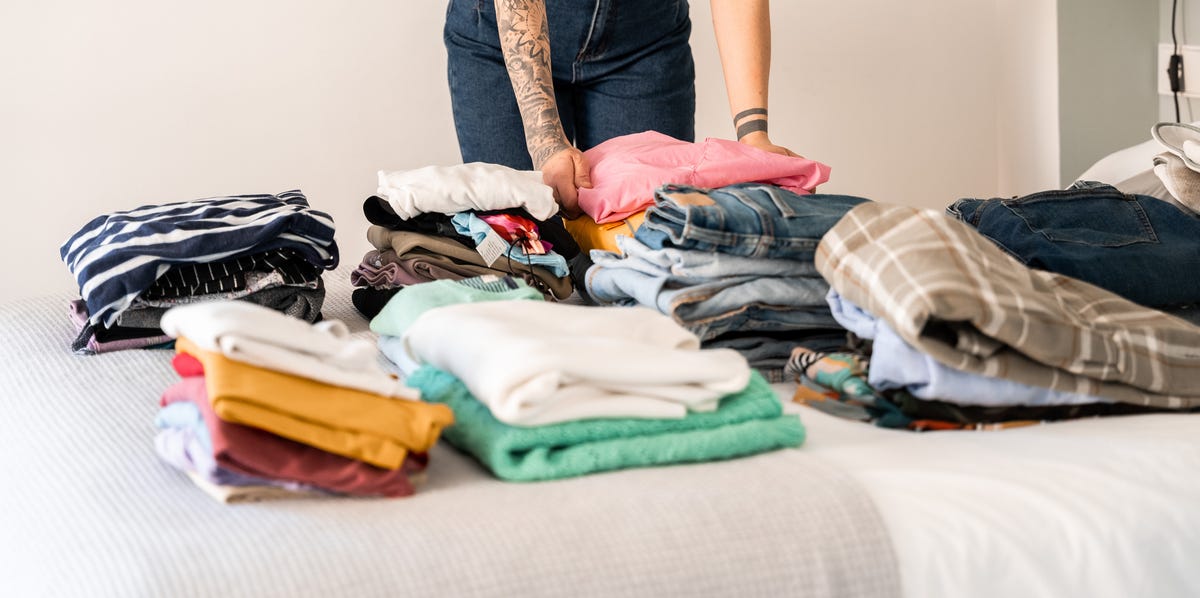
Moving randomly from room to room can make the process feel endless. Instead, work by category. For example, gather all scarves, all books, all tools, or all photo albums in one place. Seeing the full quantity helps you make better decisions.
Categories to review include:
- Clothing and accessories
- Books, magazines, and paperwork
- Kitchenware and serving pieces
- Furniture and decor
- Holiday decorations
- Tools, hobby supplies, and sports gear
- Photos, letters, journals, and keepsakes
- Legal, medical, financial, and digital records
For each category, create clear piles: keep, gift, donate, sell, recycle, trash, and decide later. Use the “decide later” pile carefully. It should be a small parking space, not a retirement community for indecision.
4. Use the “Who Benefits?” Rule
Swedish death cleaning is generous. It asks who benefits from an item staying in your home. If you use it or love it, you benefit. If someone else would enjoy it, they benefit. If no one benefits and the item is just taking up rent-free space, it may be time to let it go.
This rule works especially well for inherited items. You can honor a loved one without keeping every object they owned. Keeping one beautiful teacup may be more meaningful than storing twelve boxes of dishes you never use. Memory does not require square footage.
5. Gift Meaningful Items While You Are Alive
One of the most beautiful parts of Swedish death cleaning is giving things away while you can still enjoy the giving. Instead of leaving a necklace, painting, quilt, or tool set for someone to discover later, offer it now.
There is one important rule: ask first. A gift is only a gift if the other person wants it. Otherwise, it is clutter wearing a ribbon. Say, “Would you like this?” not “I have decided this is yours forever.”
When someone accepts, share the story behind the item. A simple note can help: “This vase belonged to your grandmother and was always on the Thanksgiving table.” That turns an object into a memory, and memories are much easier to cherish than unexplained ceramic birds.
6. Create a Keepsake Box With Limits
Sentimental items are the hardest part of the Swedish death cleaning process. The solution is not to become emotionless. The solution is to create boundaries. Choose a keepsake box, cabinet, or small storage area for your most meaningful personal items.
Keep things that tell your story clearly: a handful of letters, favorite photographs, a small collection of family recipes, medals, meaningful jewelry, or one beloved childhood item. Avoid keeping every greeting card, every school paper, or every souvenir from every vacation unless you want your heirs to become unpaid museum curators.
If you cannot part with something but do not need the physical object, take a photo. Digital memory takes less space than a basement.
7. Organize Important Documents
Swedish death cleaning is not only about closets. It is also about making essential information easy to find. A beautifully decluttered home is helpful, but if your family cannot locate your insurance policy, bank accounts, will, or medical wishes, they will still face stress.
Create one secure “need-to-know” file. It may be a binder, fire-resistant box, locked drawer, or encrypted digital folder. Include copies or location notes for:
- Will or trust documents
- Power of attorney
- Advance health care directive or living will
- Birth certificate, marriage certificate, divorce decree, or military records
- Insurance policies
- Bank, investment, and retirement account information
- Property deeds, vehicle titles, and mortgage documents
- Tax records
- Funeral or burial preferences
- Contact information for attorney, accountant, doctor, and financial advisor
Tell a trusted person where this file is kept. Do not hide it so well that it becomes a treasure hunt with legal consequences.
8. Clean Up Your Digital Life
Modern clutter is not limited to attics. It also lives in phones, laptops, cloud drives, email accounts, photo libraries, subscriptions, and password managers. Digital Swedish death cleaning is essential because online accounts can create confusion, costs, and privacy risks after death.
Make a digital inventory that includes:
- Email accounts
- Phone and computer passcodes
- Password manager information
- Cloud storage accounts
- Social media profiles
- Online banking and investment platforms
- Subscription services
- Digital photo libraries
- Cryptocurrency or digital wallets, if applicable
- Instructions for accounts you want memorialized, deleted, or preserved
Do not write sensitive passwords in a will, because wills can become public records during probate. Instead, use a secure password manager or a protected document and tell your trusted person how to access it when needed.
9. Remove What Is Unsafe, Broken, or Burdensome
Some belongings are not sentimental. They are simply hazardous, expired, broken, or annoying. Swedish death cleaning should include practical safety checks.
Look for:
- Expired medications
- Old paint, chemicals, or cleaners
- Broken furniture
- Wobbly ladders
- Unlabeled boxes in garages or sheds
- Stacks of paper that could become fire hazards
- Cluttered walkways that increase fall risk
Follow local rules for medication disposal, hazardous waste, electronics recycling, and document shredding. The goal is not just a nicer-looking home. It is a safer and more functional one.
10. Sell, Donate, Recycle, and Discard Responsibly
Once you decide what should leave, choose the best exit route. Valuable items can be sold through local marketplaces, estate sale companies, consignment shops, or specialty dealers. Useful items can be donated to charities, shelters, libraries, schools, community groups, or Buy Nothing groups. Paper can be recycled or shredded. Broken items should be disposed of properly.
Be realistic about selling. Some items are worth money. Others are worth the freedom of being gone. If selling one lamp takes six weeks, twelve messages, and a stranger asking if you will deliver it across town for three dollars, donation may be the luxury option.
Room-by-Room Swedish Death Cleaning Checklist
Bedroom
- Keep clothing that fits, feels good, and suits your current life.
- Donate shoes, bags, and accessories you no longer use.
- Limit spare bedding to what your household actually needs.
- Review jewelry and decide what to wear, sell, gift, or document.
Kitchen
- Remove duplicate utensils and gadgets.
- Check expiration dates in pantry and spices.
- Keep serving pieces you use or truly love.
- Ask family before assigning heirloom dishes to anyone.
Living Room
- Evaluate books, decor, framed photos, and collections.
- Remove furniture that blocks movement or no longer serves a purpose.
- Digitize media when practical.
- Keep meaningful objects displayed instead of buried in storage.
Garage, Basement, and Attic
- Sort tools, paint, holiday bins, sports gear, and storage boxes.
- Label anything that stays.
- Dispose of hazardous materials safely.
- Do not keep mystery boxes. Mystery is for novels, not crawl spaces.
Office and Paperwork
- Shred outdated financial documents you no longer need.
- Create a secure file for essential records.
- Scan documents when useful.
- Update contact lists for professionals and family members.
Common Mistakes to Avoid
Starting With the Most Emotional Items
If you start with old photographs, you may lose three hours and gain zero floor space. Build your decision-making muscles first with easier categories.
Assuming Your Children Want Everything
Many adult children already have full homes, different tastes, or no room for large furniture. Ask before saving items for them. This prevents guilt, resentment, and the awkward afterlife of unwanted hutches.
Keeping Things Only Because They Were Expensive
The money was spent long ago. Keeping an unused item does not refund the purchase. It only charges you in space, attention, and dusting time.
Doing Everything Alone
Swedish death cleaning can be emotional. Invite a trusted friend, family member, professional organizer, senior move manager, or estate planning professional when appropriate. Help is not weakness. It is efficiency with witnesses.
How to Make Swedish Death Cleaning Less Overwhelming
Use small sessions. Set a timer for 30 to 60 minutes. Choose one drawer, one shelf, or one category. Stop before you are exhausted. The process should feel steady, not punishing.
Try this simple weekly rhythm:
- Week 1: Bathroom and expired products
- Week 2: Clothing and shoes
- Week 3: Kitchen duplicates
- Week 4: Books and paper
- Week 5: Garage or storage area
- Week 6: Keepsakes and family items
- Week 7: Important documents
- Week 8: Digital accounts and subscriptions
Repeat as needed. Swedish death cleaning is not a weekend project. It is a lifestyle adjustment. The best version happens gradually, with thought and compassion.
Personal Experiences and Practical Lessons From Swedish Death Cleaning
One of the most powerful lessons from Swedish death cleaning is that objects often carry stories, but not every story needs a physical object attached to it. Many people begin the process thinking they are simply clearing shelves. Then they discover they are sorting through identity, family roles, old dreams, unfinished hobbies, and decades of “I might need this someday.” That sentence, by the way, is the national anthem of clutter.
A practical experience many people share is the strange relief that comes after the first donation run. At first, letting go feels risky. What if you need the old lamp? What if the extra casserole dish becomes essential? What if shoulder pads return and your 1980s blazer becomes fashion gold? But after the bags leave the house, the space feels calmer. You may even realize you do not miss the items. You miss the version of yourself who once used them, wanted them, or hoped to become someone who used them.
Another common experience is learning that family members value different things than expected. A parent may assume children want formal china, silverware, or antique furniture. The children may actually want handwritten recipes, photo albums, a fishing rod, a quilt, or a silly mug connected to Sunday mornings. This is why conversation matters. Swedish death cleaning gives families a chance to talk while stories can still be told. Instead of leaving heirs to guess, you can explain: “This ring came from your great-aunt,” or “This toolbox helped build the porch.” Suddenly, the item has context.
There is also humor in the process, which helps. Almost every home contains evidence of optimism: unused exercise equipment, unread books, craft supplies for a project that never reached its golden era, and storage containers purchased to organize clutter that should have simply left the house. Laughing at these discoveries makes the work lighter. You are not a failure because you owned too many mugs. You are a human being who once believed every visitor needed twelve beverage options.
People who practice Swedish death cleaning often report that the method changes their shopping habits. Once you have spent an afternoon deciding what to do with years of accumulated stuff, impulse buying becomes less charming. You start asking, “Will this make my life better, or will it become another thing someone has to sort?” That question is wonderfully clarifying. It does not ban joy. It simply filters out future clutter wearing a sale tag.
The emotional side can be tender. Sorting a spouse’s belongings, a parent’s boxes, or your own keepsakes can bring grief to the surface. Go slowly. Take breaks. Keep tissues nearby. Invite someone kind to sit with you. Some items can be decided quickly; others need time. A good rule is to keep the best representative piece rather than the entire category. One handwritten letter may hold more meaning than a box of cards you never reread.
Perhaps the most rewarding experience is the feeling of leaving love instead of labor. A clean drawer is nice. A labeled file is nicer. A family that knows your wishes, understands your important documents, and does not have to dig through mountains of unlabeled belongings during grief is a genuine gift. Swedish death cleaning may begin with stuff, but it ends with care. It says, “I thought about you. I made this easier. I lived fully, and I did not leave you the junk drawer as my final puzzle.”
Conclusion
Swedish death cleaning is not about being morbid. It is about being considerate, practical, and honest about the fact that our belongings do not manage themselves. By using a Swedish death cleaning checklist, you can simplify your home, protect your loved ones from unnecessary stress, organize important records, reduce digital confusion, and enjoy your favorite things more because they are no longer buried under everything else.
Start small. Choose one drawer, one shelf, one category, or one conversation. Gift meaningful items while you can share their stories. Keep what serves your life. Release what only serves guilt. Label the important papers. Clean up the digital mess. And please, for the sake of future generations, identify the mystery cables.
Note: This article is for general organizing and planning purposes only. For estate documents, advance directives, financial planning, tax questions, or legal instructions, consult qualified professionals in your state.