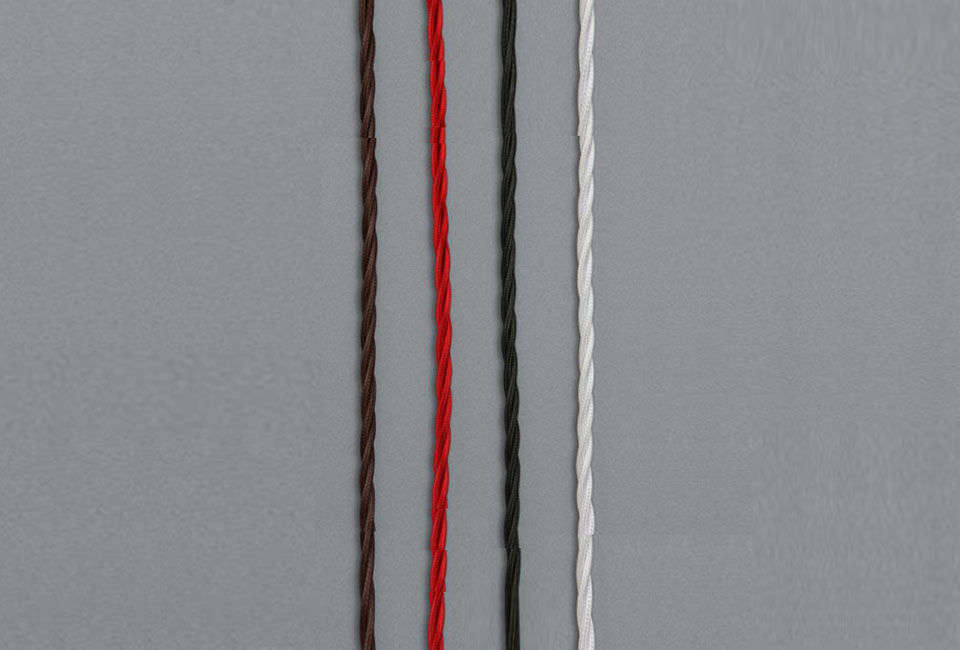
Fabric cable is what happens when electricity decides to put on a nice jacket. Instead of the plain plastic look most cords wear around the house, fabric cables use a braided or woven outer covering that adds texture, color, flexibility, and a little personality. They show up in pendant lights, vintage lamps, USB-C chargers, desk setups, audio gear, extension cords, and interior design projects where a black rubber cord would look about as elegant as a garden hose at a wedding.
But fabric cable is not just a pretty face. The best versions combine style with real engineering: copper conductors inside, insulation around the conductors, protective textile sleeving on the outside, and safety certifications that prove the cord is suitable for its intended job. The not-so-great versions? They may look charming online, but charm does not stop overheating, fraying, voltage drop, or a sad little spark show behind the couch.
This guide explains what fabric cable is, where it is used, how to choose it, and how to avoid turning your “cozy vintage lamp project” into a call to an electrician. Let’s plug in carefully.
What Is Fabric Cable?
Fabric cable, also called cloth-covered cable, braided cable, woven cable, textile cable, or cloth-covered wire, is an electrical or electronic cable with a fabric-style outer layer. That outer layer may be cotton, rayon, linen, nylon, polyester, or another woven material. In decorative lighting, the fabric covering is often chosen for appearance. In phone and laptop charging cables, braided nylon or woven fiber is usually used to improve durability and reduce tangling.
Inside, a fabric cable still works like other cables. It contains conductive metal wires, usually copper, that carry electricity or data. Around those conductors is insulation, commonly PVC, rubber, silicone, or another insulating material. The fabric braid is usually not the main electrical insulation; it is the outer design and protection layer. That detail matters. A cable is safe because of its total construction and rating, not because the braid looks expensive.
Why Fabric Cable Became Popular Again
Fabric cable has a long design history. Older lamps, radios, and early electrical fixtures often used cloth-covered cords before modern plastics became common. Today’s cloth-covered wire gives that nostalgic look while using modern insulated conductors underneath. In other words, it can look like it came from a 1920s workshop without behaving like it survived a 1920s basement.
The modern comeback is mostly driven by interior design. Exposed cords are now part of the room instead of something to hide behind furniture. Pendant lights with colorful fabric cords, plug-in sconces with twisted cloth wire, and minimalist bulbs hanging from patterned cable have become common in restaurants, loft apartments, studios, and carefully curated home offices where even the stapler has a vibe.
Fabric cable also grew in consumer electronics. Braided USB-C and charging cables are popular because they feel sturdier, resist everyday abrasion, and often look better on a desk. A woven cable beside a laptop simply looks more intentional than a tired plastic cable slowly developing the posture of a cooked noodle.
Common Types of Fabric Cable
Cloth-Covered Lamp Wire
This is one of the most common decorative fabric cable types. It is used for table lamps, pendant lights, chandeliers, sconces, and restoration projects. Many cloth-covered lamp wires are sold by the foot and come in solid colors, twisted pairs, round pulley cord styles, and patterned designs such as herringbone, chevron, stripes, or speckles.
For lighting, common specifications include 18 AWG conductors and 2-conductor or 3-conductor formats. A 2-conductor cable is used for many basic lamps, while a 3-conductor cable includes a grounding conductor and is appropriate for fixtures that require grounding. Always match the cord type to the fixture design, socket, plug, and electrical requirements.
Braided USB and Charging Cables
Fabric-style charging cables usually use nylon or woven fiber instead of cotton or rayon. They are common for USB-C, Lightning, USB-A, HDMI, and audio cables. The braid helps protect the cable from rubbing, coiling, and repeated daily handling. Good braided charging cables also include reinforced connectors because the connector joint is where many cables fail first. The cable may have a tuxedo, but the ankle still matters.
For USB-C cables, look beyond the fabric finish. Important details include charging wattage, data speed, USB-IF certification, e-marker support for higher-power cables, and compatibility with your charger and device. A cable can be beautifully braided and still be painfully slow if it only supports basic charging or USB 2.0 data transfer.
Fabric-Covered Extension Cords
Some extension cords and power strips use woven outer coverings for home décor. These can look great in living rooms and offices, especially when the cord must remain visible. However, an attractive extension cord is still an extension cord. It should be used temporarily, matched to the load, kept visible, and never hidden under rugs, pinched behind furniture, or used as a substitute for permanent wiring.
Audio and Instrument Cables
Guitar cables, headphone cables, microphone cables, and speaker cables sometimes use braided fabric jackets. In audio, the fabric covering may help with handling feel and aesthetics, but shielding, conductor quality, connector quality, and strain relief are usually more important for performance.
Benefits of Fabric Cable
It Looks Better in Visible Spaces
The biggest advantage is visual appeal. Fabric cable can match a room’s color palette, add contrast, or make a fixture feel custom. A mustard-yellow twisted cord can make a simple bulb look like a design choice. A black-and-white herringbone cord can bring subtle texture to a modern kitchen pendant. A natural linen cord can soften a room full of metal and glass.
It Adds Texture Without Taking Over
Interior designers love texture because it makes a room feel layered. Fabric cable is a small detail, but small details often do the heavy lifting. A visible cord can either whisper, “I belong here,” or shout, “Someone forgot cable management.” Fabric covering helps it whisper.
It Can Improve Durability
In braided electronic cables, the woven jacket can help resist abrasion, reduce splitting, and make the cable feel stronger during daily use. Many premium charging cables advertise bend-test ratings, reinforced overmolds, and improved strain relief. Those features matter more than the braid alone, but the braid can be part of a tougher overall design.
It Offers Customization
Fabric cable is available in many colors, patterns, gauges, lengths, and plug styles. This makes it useful for DIY lighting, retail displays, restaurants, boutique hotels, craft studios, and historic restoration projects. You can choose a cord that disappears into the background or one that proudly says, “Yes, I am the accessory.”
Drawbacks and Limitations
Not Every Fabric Cable Is Rated for Every Job
A decorative lamp cord is not automatically suitable for high-wattage appliances, outdoor use, power tools, or in-wall wiring. The rating printed on the product or packaging matters. Look for voltage, amperage, wattage, conductor size, temperature rating, indoor/outdoor rating, and certification marks.
Fabric Can Collect Dust
Fabric coverings can hold dust more visibly than smooth plastic. In kitchens, workshops, or pet-heavy homes, textured cords may need occasional cleaning. Use a dry microfiber cloth or gentle vacuum brush. Do not soak electrical cords, because electricity and spa day energy are not friends.
Cheap Versions May Fray
Low-quality textile jackets can fuzz, snag, or loosen over time. This is especially common when cables are dragged across rough surfaces or bent sharply near plugs. Good strain relief and careful handling extend cable life.
Decorative Does Not Mean Fireproof
A fabric exterior may look soft and safe, but overloaded cords can still overheat. Never assume a cord is safe just because it looks premium. Check the rating. If the cord gets warm, smells odd, sparks, trips a breaker, or shows exposed insulation, stop using it.
How to Choose the Right Fabric Cable
1. Start With the Purpose
Before choosing a color, decide what the cable must do. Is it for a lamp? A pendant light? A phone charger? A laptop cable? An extension cord? Audio gear? Each use has different safety and performance requirements. A cable meant for a small lamp should not be asked to power a space heater. That is like asking a violinist to tow a truck.
2. Check Certification Marks
For electrical cords in the United States, look for marks from recognized testing laboratories such as UL, ETL, or CSA. For USB-C cables, look for USB-IF certification when performance and compatibility matter. Certification does not make a cable indestructible, but it is a strong sign that the product has been tested against recognized standards.
3. Match Gauge to Load
Wire gauge affects how much current a cable can safely carry. In American Wire Gauge, lower numbers mean thicker wire. For example, 14 AWG is thicker than 18 AWG. Many decorative lamp cords use 18 AWG because lamps often draw modest power, but heavier loads require heavier cable. When in doubt, read the fixture instructions or consult a licensed electrician.
4. Choose the Right Number of Conductors
A 2-conductor fabric cable is common for simple lamps. A 3-conductor cable includes a ground wire and is needed for many metal fixtures or grounded plugs. Do not remove a ground pin to force a plug into an older outlet. The ground pin is not decorative. It is not there for moral support.
5. Look at Indoor vs. Outdoor Use
Indoor fabric cords should not be used outdoors unless they are specifically rated for outdoor use. Outdoor cords need jackets designed to resist moisture, temperature changes, sunlight, and abrasion. A pretty cloth cord on a patio may look charming for one evening, but rain has a way of turning charm into a safety inspection.
6. Consider Length Carefully
Longer cables can create more resistance and voltage drop, especially with higher loads. Choose a cable long enough to reach comfortably but not so long that it becomes a decorative tripwire. Avoid daisy-chaining multiple cords together. If you constantly need a longer cord, the better solution may be a new outlet installed by a professional.
7. Inspect the Connector Quality
For charging and data cables, the connector is crucial. Look for reinforced ends, snug fit, clear wattage and data ratings, and compatibility with your device. For lamp cords, inspect the plug, socket, strain relief, and canopy hardware. A beautiful cord connected to cheap hardware is like wearing designer shoes with cardboard soles.
Fabric Cable for Lighting Design
Lighting is where fabric cable shines brightest, both literally and stylistically. A simple pendant light can become a focal point with the right cord. In a farmhouse kitchen, twisted brown or linen cable can support a warm, handmade look. In a modern loft, matte black cloth-covered cable can make exposed bulbs feel intentional. In a child’s room, a pastel cord can add playfulness without repainting the wall.
For vintage restoration, cloth-covered wire can help preserve the look of old fixtures while using safer modern construction. However, restoring antique lamps should be done carefully. Old sockets, brittle insulation, missing strain relief, or ungrounded metal parts may create hazards. If the lamp has sentimental value or metal parts, professional rewiring is often worth it.
Fabric Cable for Desk Setups and Tech
In workspaces, braided charging cables solve two problems: they look cleaner and often survive daily abuse better than basic plastic cords. People coil them, toss them into backpacks, drag them behind monitors, and occasionally trap them under a chair wheel while pretending nothing happened. A well-made braided cable is better prepared for this lifestyle.
For a modern desk, choose fabric cables with clear specs. A laptop may need a 100W or 240W USB-C cable, while a phone may need far less. Some cables are charge-only or support slower data speeds. If you move large files, connect monitors, or use docking stations, check data ratings such as USB 3.2, USB4, Thunderbolt compatibility, or 40Gbps support. The fabric braid does not determine speed; the internal wiring and certification do.
Safety Tips for Using Fabric Cable
Do Not Use Extension Cords as Permanent Wiring
Fabric-covered extension cords may look nicer than plastic cords, but they are still temporary power tools. If a cord lives in the same place all year, runs behind furniture, and powers everyday appliances, it is probably time to add a proper outlet.
Never Run Cords Under Rugs
Hiding a cord under a rug may make the room look cleaner, but it traps heat and exposes the cord to foot traffic. That can damage insulation and increase fire risk. Use floor-rated cord covers or furniture placement instead.
Avoid High-Wattage Appliances
Space heaters, air conditioners, microwaves, refrigerators, and other high-load appliances should generally be plugged directly into properly rated wall outlets. Fabric cable is lovely. It is not a superhero cape for overloaded circuits.
Inspect Before Use
Look for fraying, cuts, crushed spots, loose plugs, bent prongs, exposed insulation, discoloration, or a burnt smell. If the cable feels hot during use, unplug it and reassess the load and rating.
Keep Cables Away From Water
Unless specifically rated for wet or outdoor use, keep fabric cable away from sinks, bathrooms, patios, aquariums, and damp floors. Water plus electricity is the villain in too many safety posters.
Design Ideas Using Fabric Cable
Minimalist Pendant Light
Use a single matte black or natural linen fabric cord with a simple socket and warm LED bulb. This works beautifully over a reading nook, bedside table, or kitchen island.
Color-Pop Desk Lamp
Replace a plain lamp cord with a bright red, blue, green, or yellow cloth-covered cord. Pair it with a neutral shade so the cable becomes the fun detail.
Vintage Radio or Lamp Restoration
Choose brown, gold, black, or twisted cloth-covered wire for a period-inspired look. Use modern, certified wire and safe plugs rather than relying on original brittle cordage.
Organized Charging Station
Use matching braided charging cables in consistent lengths. Short cables work well for charging docks, while longer cables are better for nightstands and sofas. Add cable clips so the setup does not become a spaghetti exhibit.
Restaurant or Café Lighting
Fabric cable is excellent for commercial-style exposed lighting, but commercial installations should follow local code and be handled by qualified professionals. In hospitality spaces, aesthetics matter, but safety and inspection approval matter more.
Maintenance and Cleaning
Fabric cable does not need complicated care. Keep it dry, avoid sharp bends, and wipe dust with a soft cloth. For woven tech cables, unplug before cleaning and gently remove lint from the braid. For lamp cords, check the plug and socket area occasionally because heat and movement often concentrate near connection points.
Do not paint fabric cable unless the product specifically allows it. Paint can stiffen the braid, hide damage, and interfere with heat dissipation. If you want a different color, buy a different cord. The cable will appreciate not being turned into a craft experiment against its will.
Fabric Cable Buying Checklist
- Choose the cable based on use first, appearance second.
- Look for UL, ETL, CSA, or USB-IF certification where applicable.
- Match gauge, voltage, wattage, and amperage to the device or fixture.
- Use 3-conductor grounded cable when the fixture or appliance requires grounding.
- Confirm indoor or outdoor rating before use.
- Avoid damaged, hot, frayed, or unmarked cords.
- Do not run cords under rugs, through walls, or through doorways.
- Do not use decorative cords for heavy appliances unless specifically rated.
Real-World Experiences With Fabric Cable
After working with fabric cable in different home and office setups, one lesson stands out: it is a small detail that can change the mood of an entire object. A basic pendant light with a plastic cord often feels temporary, almost like it is waiting for a better idea to arrive. Replace that cord with a textured cloth-covered cable in black, linen, rust, or deep green, and suddenly the fixture looks designed instead of assembled during a lunch break.
One practical experience comes from desk organization. A braided USB-C cable feels better in daily use because it is easier to grab, easier to identify, and less likely to become a sad knot behind the monitor. A plain white cable can disappear into the chaos of adapters, headphones, and mouse cords. A gray or black woven cable, especially one with a Velcro tie, looks intentional and survives repeated coiling better. The trick is not to buy based on the braid alone. The best charging cable is the one that has the right wattage, the right length, and strong connector reinforcement. A beautiful cable that charges a laptop slowly is basically jewelry with a deadline problem.
Fabric cable also teaches you to respect length. For lamps, an extra-long cord may seem convenient, but excess cable can look messy unless it is routed carefully. For chargers, a six-foot cable is wonderful beside a bed or sofa, but annoying on a compact desk where one foot would do. The best setup usually uses different lengths for different places: short cables for charging stations, medium cables for desks, and longer ones for living rooms or travel.
Another experience: color samples are worth it. Online photos can be misleading because fabric texture changes under warm bulbs, daylight, and shadows. A “natural linen” cord may look beige in one room and gray in another. A red cord may look playful in photos but aggressive beside wood furniture. Ordering a small sample or comparing the cord near your actual wall, lamp shade, and hardware finish can prevent design regret.
For DIY lighting, fabric cable rewards patience. Cutting and stripping cloth-covered wire requires a cleaner touch than ordinary plastic cord. The braid can fray if you rush. A sharp cutter, proper wire stripper, and neat strain relief make the finished project look professional. It is also wise to photograph the original wiring before replacing a lamp cord, label parts, and stop immediately if the fixture has confusing wiring or metal parts that may need grounding. There is no shame in calling an electrician. Electricity is one of those topics where confidence and competence should be introduced before they move in together.
The most satisfying use of fabric cable is when it solves both a design and a practical problem. A visible plug-in pendant with a patterned cord can bring light to a rental apartment without opening a wall. A braided charger can make a travel bag easier to manage. A cloth-covered lamp cord can make an antique piece feel restored rather than merely repaired. Fabric cable is not magic, but when chosen correctly, it turns a necessary object into a thoughtful detail. That is the whole appeal: power with manners.
Conclusion
Fabric cable blends function and style in a way few electrical details can. It can make a pendant light feel custom, a desk setup feel cleaner, and an old lamp feel alive again. But the golden rule is simple: choose safety before style. Look for proper certification, match the cable rating to the job, respect indoor and outdoor limits, and avoid unsafe shortcuts like running cords under rugs or using decorative cables for heavy appliances.
When selected carefully, fabric cable is more than a pretty covering. It is a design detail, a practical upgrade, and a reminder that even the humble cord can clean up nicely when invited into the room.
Note: This article was written from synthesized, real-world U.S.-relevant information on cloth-covered lamp wire, braided charging cables, flexible cord safety, certification marks, and common electrical-use guidelines.