Most people see an old dresser drawer and think, “That belongs in the garage until I decide whether I am emotionally ready to throw it away.”indow box with history, personality, and just enough oddball charm to make the neighbors slow down.
That is why she hangs drawers under her windows. Not because she misplaced the dresser. Not because her home is being haunted by a particularly organized ghost. She does it because old drawers can become beautiful, practical upcycled window box planters that add flowers, herbs, color, and character to an exterior wall.
The Brilliant Idea Behind Hanging Drawers Under Windows
The magic of a drawer window box is that it solves several decorating problems at once. It turns a forgotten object into a focal point, softens a plain wall, makes windows look more intentional, and creates a small garden where there may not be room for one on the ground.
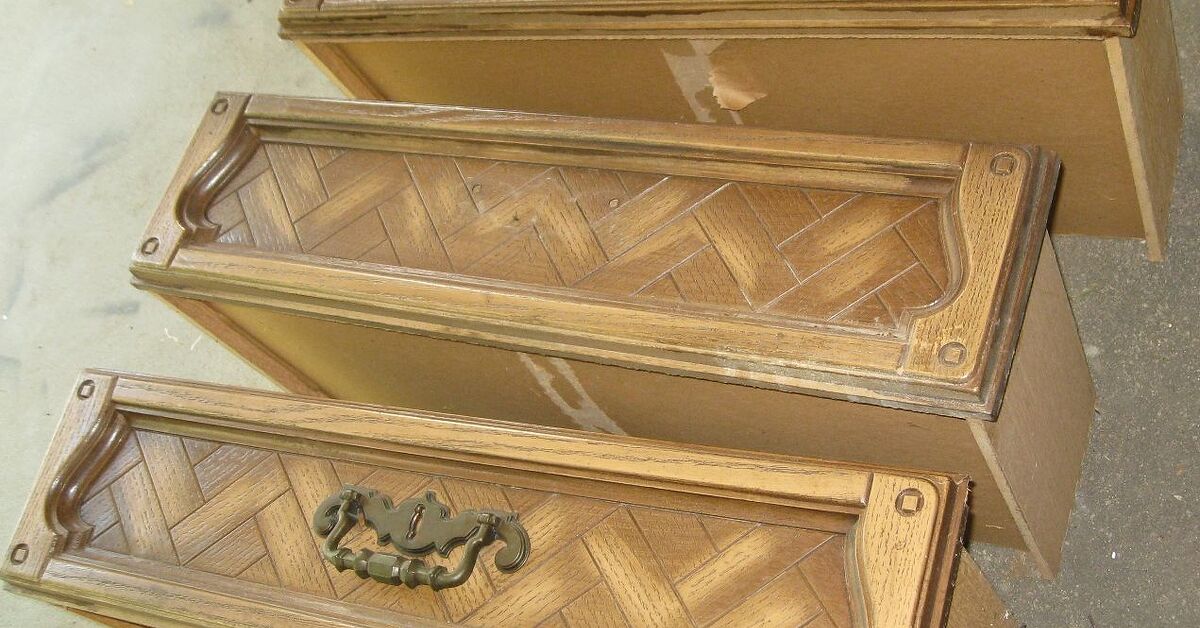
Traditional window boxes are lovely, but they can sometimes look like they arrived with the house and have been quietly judging everyone ever since. A reclaimed drawer has more personality. It may have a curved front, old brass hardware, faded paint, dovetail joints, or a knob that looks like it came from a Victorian aunt with strong opinions about wallpaper.
When mounted beneath a window, a drawer becomes a visual frame. It gives the window a base, much like a great pair of shoes gives an outfit a landing place. Fill it with trailing flowers, compact herbs, leafy greens, or seasonal branches, and suddenly a plain exterior becomes a tiny stage set.
The practical appeal matters, too. Window boxes make plants easier to see, water, trim, and harvest. Instead of hiking across the yard for basil while dinner burns, you can lean out the kitchen window and snip a few leaves. That is not laziness. That is efficient domestic theater.
Why Reclaimed Drawer Planters Feel More Special Than Store-Bought Boxes
They Give Old Furniture a Useful Second Life
A discarded drawer is already shaped like a planter. It is long, shallow, open at the top, and usually sturdy enough to hold a liner and potting mix after a little preparation. Rather than sending usable material to a landfill, homeowners can transform it into outdoor décor with a clear purpose.
The goal is not to make the drawer look brand-new. In fact, the small imperfections are part of the appeal. A little wear can make the planter feel collected instead of manufactured. Think less “fresh from a warehouse shelf” and more “found at a flea market while wearing a hat that is too large for the occasion.”
They Create Instant Curb Appeal
A row of flowers beneath a window makes even a modest home feel warmer and more cared for. Drawer planters add an unexpected twist because they introduce texture and storytelling. Visitors may not immediately realize what they are seeing. Then they notice the knob, the drawer face, or the old pull handle and say, “Wait, is that a dresser drawer?”
That small pause is the whole point. Good outdoor design should have one detail that makes people look twice.
They Work in Small Spaces
Not everyone has room for raised beds, patio pots, or a backyard that could host a minor gardening television series. Hanging drawers under windows uses vertical space that would otherwise do nothing except hold up the sky.
A drawer planter can hold flowers, trailing foliage, herbs, lettuce, strawberries, or a simple mix of ornamental plants. University extension guidance consistently notes that window boxes and other containers can support herbs, leafy greens, and many ornamental plantings when the container has adequate drainage, suitable growing medium, and enough light. ion>
Before You Hang a Drawer Under a Window, Start With Safety
This project becomes brilliant only when it stays attached to the house. A drawer full of wet potting mix is far heavier than it looks. Add water, plant roots, fertilizer, and the occasional squirrel with questionable intentions, and you have a serious load.
Choose the Right Drawer
Solid wood drawers are generally the best candidates because they are stronger, easier to drill, and more forgiving outdoors than particleboard or MDF. Avoid drawers that are warped, cracked, moldy, badly rotted, or held together mostly by hope.
Look for a drawer with a sturdy bottom and sound joints. A shallow drawer can work for flowers and herbs, while a deeper one offers more soil volume and more flexibility. The best drawer is not necessarily the prettiest one in the thrift store. It is the one that can safely become a planter without collapsing into a sad wooden taco.
Do Not Trust Decorative Hardware to Hold a Garden
Drawer pulls, knobs, and original furniture brackets are decorative details, not structural support. Use exterior-rated mounting brackets designed for window boxes or planter boxes. Attach the brackets securely to appropriate framing, masonry, or another solid mounting surface rather than relying on thin siding alone.
For brick, vinyl, wood, and other exterior materials, the mounting method should match the wall construction. Home-improvement guidance for window boxes emphasizes using brackets and corrosion-resistant fasteners appropriate to the surface, with enough support to carry the weight of soil, water, and mature plants. >Keep Windows Functional
Do not mount a drawer planter where it blocks an emergency exit, prevents a window from opening, interferes with screens, crowds a walkway, or creates a hazard beneath a high-traffic area. A window box should add charm, not turn the route to the front door into an obstacle course.
Renters and condo owners should also check lease rules, HOA restrictions, and local requirements before drilling into an exterior wall. The most beautiful planter in the neighborhood is less delightful when it comes with an unhappy property manager and a repair invoice.
Be Careful With Vintage Paint
Old painted drawers can be beautiful, but unknown paint should be treated with caution. Avoid dry-sanding or aggressively scraping vintage painted surfaces without considering the possibility of lead-containing paint. EPA guidance for older painted surfaces recommends lead-safe practices that minimize dust and contain debris, especially when working around homes built before 1978. f the drawer has questionable paint, consider leaving the surface intact, sealing it appropriately, or choosing another piece. A planter project should grow petunias, not problems.
How to Turn a Drawer Into a Window Box Planter
Step 1: Clean and Inspect the Drawer
Remove loose paper, old drawer liners, nails, staples, and anything that could trap moisture. Clean the drawer thoroughly and let it dry. Tighten loose joints with exterior-rated wood glue and screws where needed.
If you want to preserve the aged appearance, clean gently rather than sanding every imperfection away. Patina is just a fancy word for “this object has survived some things.”
Step 2: Add Drainage Holes
Drainage is not optional. Plants need oxygen around their roots, and excess water must be able to escape. Drill multiple drainage holes through the bottom of the drawer, spacing them so water can leave freely rather than pooling in one gloomy corner.
Container-gardening experts consistently stress that drainage holes are essential because waterlogged soil can deprive roots of air and lead to poor plant health. Use a potting mix designed for containers rather than heavy garden soil. >Step 3: Protect the Wood Without Creating a Bathtub
Line the interior with a weather-resistant liner, such as heavy plastic or pond liner, to slow moisture damage. Bring the liner slightly up the sides and secure it near the top edge. Then pierce the liner where the drainage holes are so water can still escape.
You can also coat the exterior with an outdoor-rated paint, stain, or sealer. The goal is to protect the wood from rain and sun, not to seal every surface so tightly that moisture becomes trapped inside.
Step 4: Mount the Drawer Before Filling It
Install the brackets while the drawer is empty. Confirm that the drawer sits level and feels secure before adding soil. A slightly tilted planter may look charming in a storybook illustration, but it usually looks less charming when water drips down the siding and the plants slide toward one side like commuters on a sharp train turn.
Use corrosion-resistant screws and hardware made for outdoor conditions. If you are not confident about wall structure, fastener choice, or load capacity, hire a qualified professional. There is no prize for turning a DIY garden project into an unintended gravity demonstration.
Step 5: Fill It With Lightweight Potting Mix
Use a quality potting mix formulated for containers. It should hold moisture while remaining loose enough for roots to breathe. Avoid filling the drawer with soil dug straight from the yard; garden soil is usually too dense for container use and can compact over time.
For a fuller display, arrange plants using a simple layered design: taller plants toward the back or center, rounded plants through the middle, and trailing plants near the front edge. This gives the window box height, texture, and movement without making it look like a botanical traffic jam.
What to Plant in a Drawer Window Box
For Sunny Windows
South- and west-facing windows usually receive more direct sun and heat. These spots can support sun-loving flowers and herbs, provided the drawer receives enough light and regular watering. Petunias, calibrachoa, lantana, marigolds, thyme, basil, oregano, and compact peppers can all be considered depending on your climate and container depth.
Warm-season vegetables such as tomatoes, peppers, eggplant, and squash generally need six to eight hours of direct sun, while leafy greens can succeed with fewer hours. Because many drawers are shallow, they are often better for herbs, greens, and flowers than for large fruiting vegetables with bigger root systems. >For Shadier Windows
North- and east-facing windows are often cooler and shadier, which can be excellent for impatiens, begonias, coleus, ferns, heuchera, and certain leafy greens. Shade does not mean boring. A mix of chartreuse foliage, dark purple leaves, silver accents, and delicate flowers can look more sophisticated than an all-petunia parade.
For Kitchen Windows
A kitchen-facing drawer planter can become a tiny edible garden. Plant parsley, chives, thyme, mint in its own contained section, cilantro, oregano, or baby lettuce. The trick is to choose plants you will actually use. A drawer filled with twelve varieties of ornamental kale is beautiful. A drawer filled with herbs you use in pasta on Tuesday is beautiful and smugly practical.
For Pollinator-Friendly Color
Choose flowers with open blooms and nectar-rich varieties that suit your region. Annual flowers can provide ongoing color through the growing season, and a diverse planting adds visual interest while creating a small stopover point for beneficial insects. Native or regionally adapted choices are often the easiest place to start.
The Maintenance Reality: Drawer Planters Are Cute but Thirsty
Window boxes dry out faster than plants in the ground because their sides are exposed to sun and moving air. A wooden drawer planter may need frequent checks during hot, dry weather, especially if it faces south or west.
Water deeply enough for excess moisture to drain from the bottom. Do not let the container repeatedly dry out completely, but do not keep it soggy either. Extension guidance notes that container plants may need daily watering in warm conditions, and sometimes more frequent watering as temperatures rise or plants become larger. eed plants according to the needs of what you are growing and the instructions on the fertilizer label. Many container mixes contain starter nutrients, but flowering annuals and fast-growing plants can benefit from regular, moderate feeding. The key word is moderate. Over-fertilizing does not produce a lush paradise; it often produces a stressed plant with the emotional energy of a teenager after three energy drinks.
Common Mistakes That Can Ruin a Drawer Window Box
- Skipping drainage holes: A gorgeous drawer with soggy roots is still a failed planter.
- Using garden soil: It is usually too heavy and compact for a hanging container.
- Mounting into weak material: Decorative siding is not a substitute for secure structural support.
- Overplanting immediately: Plants grow. Give them room before they begin competing like contestants on a reality show.
- Ignoring sun direction: Shade plants will not suddenly become sun worshippers because the planter looks cute.
- Forgetting seasonal care: Wood, soil, roots, freezing temperatures, and standing water all need attention.
- Making it too heavy: Use lightweight potting media and choose plants that suit the drawer’s size.
What Living With Drawer Window Boxes Really Feels Like
The following is a composite experience based on common homeowner observations and practical container-gardening realities, not the story of one identifiable person.
At first, hanging a drawer under a window feels like a small decorating experiment. You find an old drawer at a thrift store, garage sale, basement, or the back of a closet where it has apparently been waiting since 2009 for a purpose beyond holding tangled extension cords. You clean it, line it, drill drainage holes, and mount it beneath the kitchen window. It looks interesting before you even add plants.
Then you fill it with potting mix, tuck in a few herbs, add trailing flowers near the front, and step back. Suddenly, the window does not just belong to the house anymore. It belongs to the garden, too. The view from inside changes. Instead of seeing only a driveway, fence, or blank strip of yard, you see leaves moving in the breeze and flowers nodding at the glass like polite little neighbors.
During the first week, you will probably check the planter too often. You will water it, inspect it, rearrange one plant by half an inch, and then stand several feet away to make sure the arrangement is still “casual.” This is normal. Every good DIY project creates a brief period where the creator becomes convinced that everyone walking past is studying the bracket alignment.
By the second or third week, the drawer starts doing what makes window boxes so satisfying: it begins to soften the house. Trailing plants spill over the front. A little basil becomes useful. Flowers fill out. The hardware that once opened a dresser drawer now becomes a conversation detail. Someone notices it and asks whether it is an antique planter. You get to say, “It used to be a drawer,” which is objectively more fun.
There are practical lessons, of course. A shallow drawer can dry quickly, especially in direct afternoon sun. The first heat wave may reveal that your planter needs water more often than expected. You may also learn that one enormous plant was a bad idea, no matter how confident it looked in its nursery pot. Window box gardening rewards people who notice details early: drooping leaves, blocked drainage holes, a plant that needs trimming, or soil that has settled after several waterings.
Seasonal changes are part of the charm. In spring, the drawer can hold pansies, violas, early greens, or fresh herbs. In summer, it can become a bright flower box or a kitchen herb garden. In fall, swap in ornamental peppers, mums, small grasses, kale, or branches with seed heads. In winter, depending on your climate, it can hold evergreen cuttings, pinecones, dried stems, and battery-operated lights. The drawer becomes less of a planter and more of a rotating outdoor display.
Over time, the best part is not that the project saves money or wins compliments. It is that the planter changes how you interact with the exterior of your home. You notice the morning light. You notice which plants attract bees. You remember to grab rosemary before roasting potatoes. You learn that a tiny piece of vertical space can have more impact than a large, expensive landscaping project.
That is why hanging drawers under windows feels so smart. It is not just a recycling project, and it is not just a gardening trick. It is a way to make a home feel more personal. The drawer once held socks, receipts, and mysterious batteries. Now it holds living color. Honestly, that is a pretty solid career change.
Final Thoughts: A Drawer Is Only Junk Until Someone Sees the Possibility
Why does this brilliant woman hang drawers under her windows? Because she understands that useful design does not always come from a catalog. Sometimes it comes from looking at an old object and asking a better question.
With secure mounting, proper drainage, lightweight potting mix, and plants suited to the available sun, a reclaimed drawer can become a distinctive drawer window box planter. It adds color, creates a small growing space, and gives a home the kind of personality that cannot be ordered in a flat-pack box.
So before you throw away that old drawer, look at it one more time. It may not be broken furniture. It may be the beginning of your favorite window.