Trees are the quiet overachievers of the natural world. They cool streets, shelter wildlife, slow stormwater, store carbon, filter air, protect soil, and somehow still find time to make autumn look like a professional photo shoot. Yet saving trees is not limited to donating to a faraway rainforest campaign or planting a sapling on Earth Day. Many of the most effective actions begin at home, at work, in stores, and at city hall.
The good news is that tree conservation does not require a cabin in the woods or a heroic relationship with a shovel. It requires better habits: using less paper, recycling correctly, choosing responsibly sourced products, protecting mature trees, planting suitable native species, and supporting communities that maintain healthy tree canopies. Here are 10 practical ways to save trees and turn everyday decisions into real forest protection.
Why Saving Trees Matters
Trees are living infrastructure. In cities, they provide shade, help reduce heat, intercept rainfall, improve air quality, and create habitat. In forests, they support complex ecosystems, stabilize soil, protect watersheds, and store carbon in trunks, roots, branches, and surrounding soils. A healthy tree can provide benefits for decades, while a poorly planned planting may struggle for a few seasons and then become expensive mulch.
That is why the smartest approach is not simply “plant more trees.” It is “protect existing trees, reduce unnecessary demand for forest products, and plant the right trees where they can thrive.” Tree conservation works best when prevention, responsible consumption, restoration, and long-term care all grow together.
1. Use Less Paper Before You Recycle It
Recycling matters, but reducing paper use comes first. A sheet that is never printed does not need raw material, manufacturing, shipping, storage, or a dramatic final journey into the office recycling bin.
Simple paper-saving habits
Switch bills and statements to digital delivery, share documents electronically, unsubscribe from unwanted catalogs, and print only when a hard copy serves a real purpose. Set printers to double-sided mode by default, use print preview to catch blank pages, and avoid printing long email chains filled with signatures, logos, and the same legal disclaimer twelve times.
At schools and workplaces, create shared digital folders and use online forms instead of paper handouts. When printing is necessary, reduce margins, choose an efficient font size, and print multiple slides or draft pages on one sheet. These small changes can sharply reduce paper purchasing without turning daily life into a technology obstacle course.
2. Reuse and Recycle Paper Correctly
Paper fibers can be recovered and used in new products, reducing demand for virgin material. However, recycling works only when people follow local rules. Greasy food boxes, plastic-lined paper, receipts, tissues, and heavily contaminated paper may not belong in a curbside bin.
Give paper more than one job
Use one-sided sheets for notes, shopping lists, craft projects, packing material, or scratch paper. Reuse gift bags and shipping boxes. Then place clean, accepted paper and cardboard in the proper recycling stream. Flatten boxes, remove prohibited packaging, and keep recyclables dry.
Check the guidance from your city or waste hauler because programs differ. “Wish-cycling”tossing questionable items into the bin and hoping for a miraclecan contaminate loads and increase processing costs. Recycling is environmental housekeeping, not a game show.
3. Buy Recycled and Responsibly Certified Products
Recycling a product is only half the loop. Buying products made with recycled content creates demand for the recovered material. Look for recycled-content printer paper, notebooks, tissues, paper towels, packaging, and office supplies. When possible, compare the percentage of post-consumer recycled fiber rather than relying on vague green leaves printed on the package.
Look for credible forest certification
For wood, paper, furniture, flooring, and packaging made from new fiber, choose products carrying a recognized responsible-forestry certification, such as the Forest Stewardship Council label. Certification is not a magic wand, but it gives shoppers a practical way to favor supply chains with established forest-management standards.
Also consider reclaimed wood, repaired furniture, antiques, and secondhand items. The most forest-friendly dining table may be the sturdy one already sitting in someone else’s garage, waiting for a light sanding and a less tragic coat of paint.
4. Plant the Right Tree in the Right Place
Planting trees can restore habitat and expand neighborhood canopy, but species and location matter. A tree selected only because it looked adorable at the nursery may eventually buckle a sidewalk, crowd a power line, invade a septic field, or discover that your climate is personally offensive.
Choose native and climate-appropriate species
Start with trees suited to your region, soil, rainfall, available space, and sunlight. Native trees often provide especially valuable food and shelter for local birds, insects, and other wildlife. Aim for species diversity so one pest or disease cannot wipe out an entire block of identical trees.
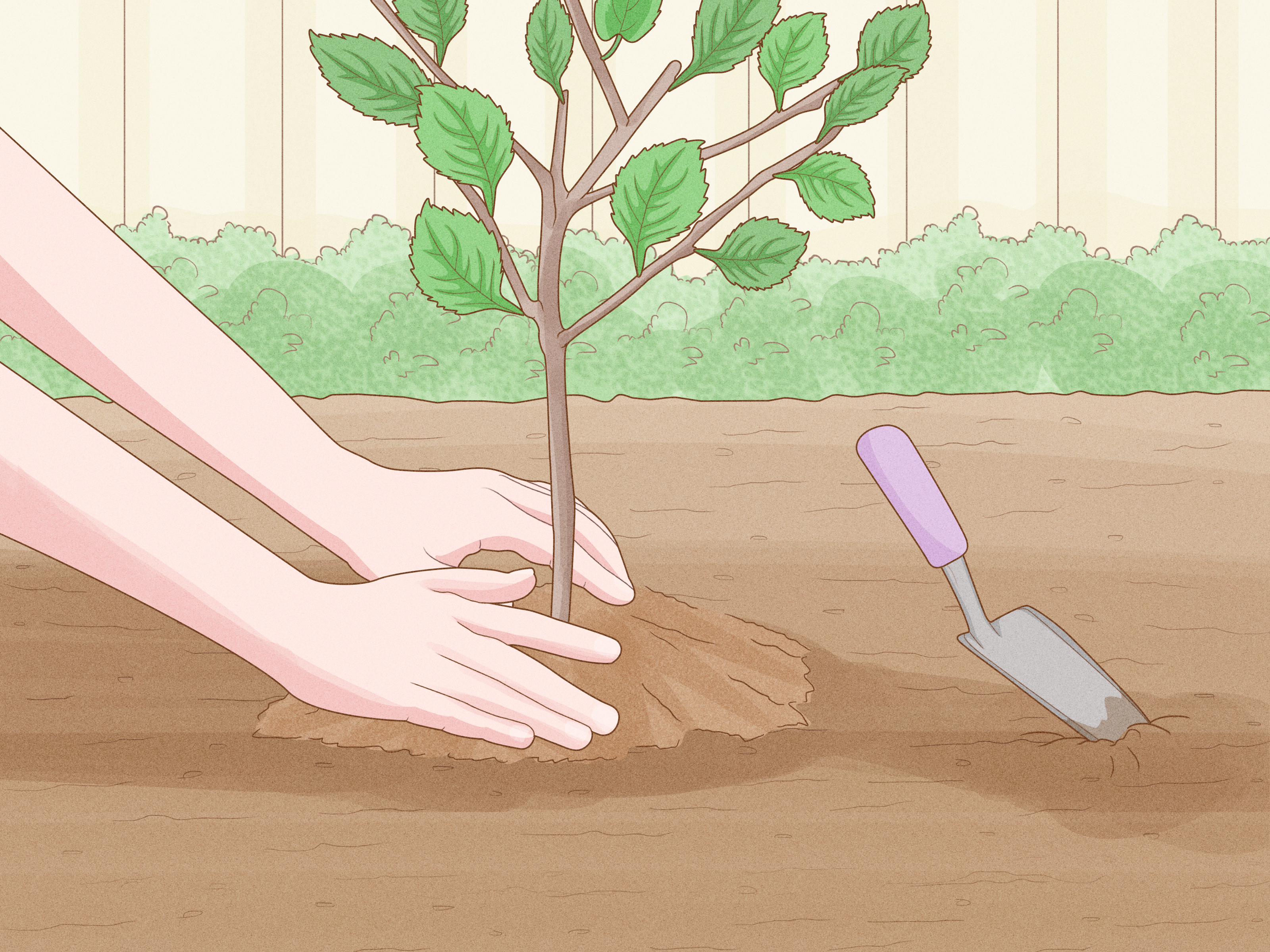
Before planting, check the tree’s mature height and canopy spread, locate underground utilities, and leave adequate distance from buildings and pavement. Plant at the correct depth, keep mulch away from the trunk, and provide consistent water during establishment. The goal is not to stage a planting photo; it is to grow a healthy tree that is still standing decades later.
5. Protect and Care for Mature Trees
A large, healthy tree already provides shade, habitat, carbon storage, and stormwater benefits that a new seedling will need many years to approach. Protecting mature trees is therefore one of the fastest ways to save trees.
Avoid common tree-care mistakes
Do not pile mulch against the trunk like a tiny wooden volcano. Avoid cutting large roots, compacting soil with parked vehicles, attaching permanent hardware, or removing major limbs without a clear reason. Water during prolonged drought when appropriate for the species and local conditions.
For structural problems, disease symptoms, large pruning jobs, or possible removals, consult a qualified arborist. Tree work can be dangerous, and improper pruning can create weak growth or permanent damage. A chainsaw plus confidence is not the same thing as professional training.
6. Shield Trees During Construction and Landscaping
Construction damage often begins underground. Heavy equipment compacts soil, trenches cut roots, fill soil changes oxygen levels, and repeated traffic injures the root zone. A tree may remain green during construction but decline months or years later.
Plan around trees before work begins
Identify high-value trees during the design stage, not after the driveway has been poured. Route buildings, utilities, access roads, and storage areas away from trees whenever possible. Install sturdy protection fencing around a generous root area and keep materials, vehicles, chemicals, and excavated soil outside it.
Include tree-protection requirements in contractor documents and monitor the site. A bright ribbon tied around a trunk is not a protection plan; it is decorative optimism. For major projects, involve an arborist early enough to influence grading, trenching, and access decisions.
7. Reuse Wood, Repair Furniture, and Waste Less
Extending the life of wood products reduces the need to manufacture replacements. Repair a loose chair, refinish a dresser, donate usable lumber, and choose durable furniture that can survive more than one apartment and one decorating trend.
Give salvaged wood a second life
Reclaimed lumber can become shelving, flooring, garden structures, picture frames, or small household projects. Clean wood scraps may be useful to schools, makerspaces, theater groups, or community workshops. Before disposal, check whether your local reuse center, construction-material exchange, or municipal program accepts wood.
Plan woodworking cuts carefully to reduce offcuts, and save suitable scraps for future repairs. Avoid burning painted, pressure-treated, or unknown wood, which may release hazardous substances. Saving trees is helpful; creating mysterious backyard smoke is less so.
8. Support Forest Restoration and Conservation
Individual habits matter, but forests also need organized protection, science-based management, and long-term restoration. Support reputable organizations that conserve land, restore native forests, improve wildlife habitat, or help communities care for urban trees.
Ask what happens after planting day
Before donating, look for clear project locations, appropriate species selection, survival monitoring, maintenance plans, local partnerships, and transparent reporting. A campaign that counts seedlings but ignores watering and survival may produce impressive numbers and disappointing forests.
You can also volunteer for invasive-plant removal, seed collection, trail restoration, tree inventories, stream-buffer planting, or young-tree care. In many projects, the glamorous moment is planting; the lifesaving work is watering in August when nobody is taking pictures.
9. Help Build Greener, Fairer Communities
Tree cover is not distributed evenly. Some neighborhoods have mature canopies and shaded sidewalks, while others have hotter streets, fewer parks, and little protection from extreme heat. Saving trees should include protecting canopy where it exists and expanding it where residents have historically received fewer environmental investments.
Participate in local decisions
Attend planning meetings, support municipal forestry budgets, report damaged public trees, and ask how development proposals will replace or protect canopy. Encourage schools, landlords, businesses, and neighborhood associations to plant and maintain trees in suitable locations.
Good urban forestry includes community input. Residents should help choose planting locations and species, especially where concerns involve visibility, allergies, utilities, maintenance, safety, or access. A successful tree program grows trust along with roots.
10. Become a Consistent Tree Advocate
One person cannot protect every forest, but one person can influence a household, workplace, school, business, or block. Share practical information, organize a paper-reduction challenge, request recycled-content supplies, adopt a young street tree, or help a neighbor contact an arborist before an unnecessary removal.
Turn tree saving into a routine
Choose one measurable action each month. Cancel junk mail, set the office printer to duplex, repair a wood item, water a newly planted public tree with permission, or write to local officials about canopy protection. Small actions become powerful when they are repeated and copied.
Avoid shaming people for imperfect choices. Environmental habits spread more easily through convenience, useful information, and visible results than through lectures delivered with the emotional warmth of a parking ticket.
Practical Experiences: What Saving Trees Looks Like in Real Life
Note: The following examples are realistic composite experiences based on common household, workplace, school, and neighborhood conservation projects. They are included to show how the ideas above can work in everyday settings.
The office paper audit that began with one recycling bin
A small office wanted to become “greener,” so the first idea was to buy an impressive-looking recycling station. That helped, but a one-week paper audit revealed a bigger opportunity: much of the discarded paper should never have been printed. Meeting agendas were printed for people who brought laptops, invoices were duplicated for several folders, and printers produced single-sided pages by default.
The office changed default settings to double-sided printing, moved routine forms online, reduced automatic report distribution, and placed a tray beside each printer for clean one-sided scrap paper. Employees still printed contracts and documents that genuinely required hard copies, but casual printing declined. The lesson was simple: the recycling bin was useful, yet prevention saved more paper, money, storage space, and staff time.
The bargain tree that almost became an expensive mistake
A homeowner purchased a fast-growing tree because it was inexpensive and promised quick shade. Before planting, a neighbor asked one useful question: “How big does that get?” The answer was much bigger than the narrow space between the driveway and utility line. Instead of forcing the wrong tree into the wrong site, the homeowner contacted a local extension office and chose a smaller native species suited to the soil and available space.
The new tree received a wide mulch ring, regular deep watering during dry periods, and no decorative mulch mountain. It grew more slowly than the original impulse purchase, but it did not threaten the roof, pavement, or overhead wires. That experience showed that saving trees includes preventing predictable removals. Good planning is less exciting than spontaneous planting, but it is considerably cheaper than hiring a crew to correct enthusiasm ten years later.
The construction fence that saved an old shade tree
During a home addition, the initial plan placed equipment and building materials beneath a mature tree. The trunk was not going to be cut, so everyone assumed the tree was safe. An arborist explained that soil compaction and root damage could cause long-term decline even if the canopy looked healthy during construction.
The family and contractor shifted the material-storage area, installed sturdy fencing around the root zone, and adjusted a trench route. The changes required planning but little additional construction time. Several years later, the tree continued shading the house and patio. The practical takeaway was that tree protection must appear in the site plan and contract before machines arrive. Once roots are crushed or severed, apologies do not perform photosynthesis.
The community planting that focused on survival, not selfies
A neighborhood group organized a planting day in an area with little shade. Instead of measuring success only by the number of seedlings placed in the ground, organizers assigned watering teams, mapped every tree, selected species appropriate for each location, and scheduled follow-up inspections. Residents were invited to report broken stakes, vandalism, drought stress, and blocked sidewalk access.
Some trees still failed, as living projects sometimes do, but the survival rate improved because maintenance had owners, dates, and a budget. The group also learned that residents were more supportive when they helped select locations rather than discovering a surprise tree outside their homes. The experience proved that planting is an event, while growing a canopy is a relationship.
Conclusion
The best ways to save trees are practical, repeatable, and connected. Reduce paper use before recycling it. Buy recycled and responsibly certified products. Repair wood items instead of replacing them. Protect mature trees, plan carefully around roots, and plant native or climate-appropriate species where they have room to thrive. Support conservation organizations and local forestry programs that measure long-term results, not just planting-day totals.
No single action will solve deforestation, urban heat, habitat loss, or waste. Together, however, millions of ordinary choices can reduce pressure on forests and strengthen the trees growing outside our homes, schools, businesses, and sidewalks. Trees spend decades giving quietly. Returning the favor is not only possible; it is surprisingly practical.