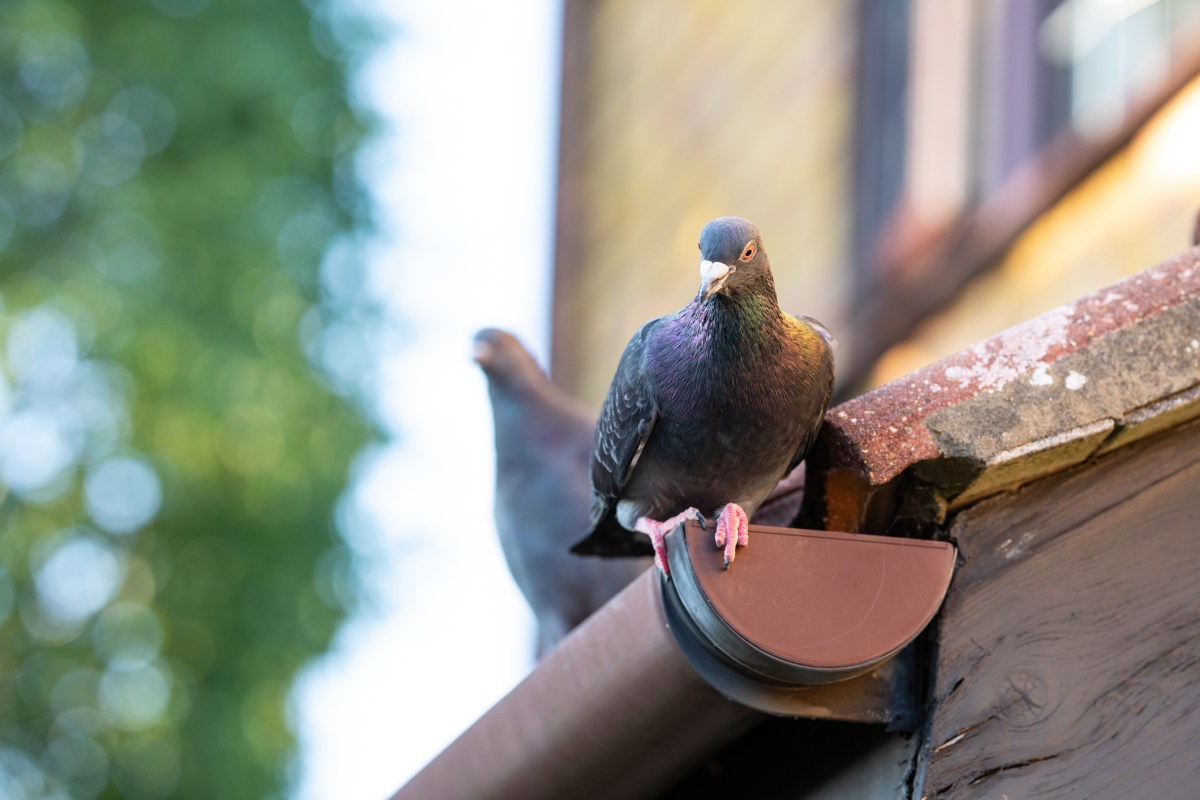
Birdsong in the morning is charming. A bird nest jammed into your gutters right before a heavy rain? Less charming. That is how a cute backyard moment turns into a home maintenance plot twist nobody asked for. Gutters are supposed to move water away from your roof, siding, fascia, and foundation. Birds, on the other hand, see them as elevated starter apartments with a nice view and surprisingly good curb appeal.
If you have ever looked up and spotted twigs, feathers, nesting fluff, or a very judgmental robin peeking over the edge of your roofline, you already know the problem is real. Keeping birds out of your gutters is not about being anti-bird. It is about protecting your house, avoiding water damage, and solving the issue in a humane, legal, and smart way. The goal is simple: keep the birds safe, keep the rain moving, and keep your home from turning into a soggy wildlife condo.
Why Keeping Birds Out of Gutters Is a Must
Gutters have one job: collect rainwater and move it safely through downspouts and away from your home. When birds build nests in them, that system starts to fail. Twigs, leaves, mud, feathers, and droppings combine into a messy little dam. Add one hard rain, and suddenly the water has nowhere useful to go. Instead of draining properly, it overflows over the gutter edge, backs up under roofing materials, or pours too close to the foundation.
That overflow can trigger a long list of expensive annoyances. Fascia boards can stay damp and begin to rot. Paint can peel. Siding can stain. Soil near the house can get oversaturated. Basements and crawl spaces may become more vulnerable to moisture problems. In other words, a nest that weighs less than a bag of flour can help create repair bills that feel more like a second mortgage.
There is also the maintenance issue. Once birds discover that your gutters make a decent nesting site, they may return or attract other birds to similar protected spots around the roofline. Some species are persistent. They do not see your “No Vacancy” vibes. They see premium eaves, nearby trees, and shelter from wind. If you ignore the problem one season, you may end up with a repeat performance the next.
And then there is the legal and ethical piece. Many native birds in the United States are protected during active nesting. That means you cannot simply yank out every nest the moment you notice one and call it a victory lap. Timing matters. Species identification matters. Humane exclusion matters. So yes, keeping birds out of gutters is a mustbut doing it the right way is just as important as doing it at all.
Why Birds Love Your Gutters So Much
Birds do not choose gutters because they enjoy causing homeowner stress. They choose them because gutters check several survival boxes at once. They are elevated, which helps birds feel safer from ground predators. They often sit under roof edges that provide shelter from wind and rain. If nearby trees, shrubs, feeders, or water sources are present, the area becomes even more attractive.
Some birds also like the shape of a gutter. It is narrow, linear, and partly enclosed by the roof edge, which can make it feel stable enough to anchor nesting material. Add a neglected layer of leaves and debris, and your gutter becomes less of a drainage channel and more of a furnished studio apartment. Convenient for birds. Terrible for drainage.
Warmth matters, too. Rooflines hold heat, and the sheltered edge where the roof meets the gutter can be more comfortable than a fully exposed branch. That is especially true in early spring, when birds are scouting places to build before the neighborhood is buzzing with activity. The quieter and less disturbed the location, the better your odds of being selected by an ambitious avian real estate committee.
Before You Remove Anything: Know the Rules
This is the part where home maintenance meets wildlife law. If birds are actively nesting in your gutters, do not assume you can remove the nest right away. In the United States, many native birds and their active nests are protected. If a nest contains eggs or chicks, or if young birds still depend on that nest, removing it can be illegal.
That is why the first step is not grabbing gloves and going full demolition mode. First, observe. Are birds actively using the nest? Do you see eggs, chicks, or parents making repeated trips? If yes, pause. Wait until the young have fledged and the nest is no longer active before taking action, unless a licensed wildlife professional advises otherwise.
Species also matter. Some nonnative birds, such as house sparrows and European starlings, are treated differently under federal law than protected native species. Still, do not rely on guesswork. A brown bird is not a species identification strategy. If you are unsure, contact a local wildlife rehabilitator, birding organization, extension office, or qualified pest and wildlife professional before doing anything drastic.
Humane control starts with getting the timing right. The best time to bird-proof your gutters is before nesting begins or after a nest is clearly inactive. Prevention is easier, cleaner, and much less stressful than dealing with an active nest during breeding season.
How to Keep Birds Out of Your Gutters
1. Clean the Gutters and Remove the “Welcome Mat”
Bird-proofing begins with plain old cleaning. Leaves, seed hulls, moss, twigs, and soggy debris create the perfect base layer for a nest. If gutters are already dirty, birds have less work to do. Remove the debris, flush the gutters, and make sure the downspouts are clear. Think of it as eliminating the furnished rental vibe.
While cleaning, inspect for rust, sagging sections, loose hangers, leaking seams, and spots where water stands instead of draining. Birds are more likely to revisit gutters that trap debris and moisture. A clean, properly sloped gutter is less inviting and much better at doing its actual job.
2. Install Gutter Guards or Covers
One of the best long-term solutions is a properly fitted gutter guard or gutter cover. These systems help reduce the buildup of leaves and debris, which means birds have fewer materials to work with and less comfortable footing for nest building. They also reduce the maintenance burden on you, which is always a beautiful sentence in homeownership.
That said, gutter guards are not magic. They need to be installed correctly and checked periodically. Some products can shift, collect debris on top, or allow buildup in problem spots. Choose a design that fits your roof and tree conditions, and make sure water still flows properly into the gutter system rather than overshooting it.
3. Block Nearby Access Points Around Eaves and Roofline Gaps
Birds that start in the gutter often graduate to other parts of the roofline, especially vents, eaves, soffits, and gaps around fascia. If you are already solving one nesting issue, take the opportunity to inspect nearby openings. Small access gaps can turn into repeat nesting sites or roosting spots.
Use durable materials such as hardware cloth, exclusion mesh, or professionally designed covers where appropriate. The idea is to block access without trapping animals inside and without interfering with ventilation or drainage. If you are working around vents, keep airflow and fire-safety requirements in mind. When in doubt, a roofer or wildlife exclusion pro is worth the call.
4. Use Netting or Mesh in Specific Problem Areas
If birds repeatedly target a section of roofline above the gutters, netting or mesh can be effective when installed correctly. This works especially well under eaves, around overhangs, or in architectural pockets where birds like to perch before dropping into the gutter. The point is not to create a tangled obstacle course. It is to remove access cleanly and safely.
Good installation matters here. Loose or damaged netting can injure birds or create a maintenance mess. Tension, placement, and material choice all matter. If the area is high, wide, or hard to reach, professional installation is usually the smarter option.
5. Add Perch Deterrents to Landing Zones, Not Inside the Gutter Trough
Bird spikes and similar perch deterrents can help when birds use the edge of the roof, nearby ledges, or decorative trim as staging areas before nesting. Properly installed spikes do not harm birds; they simply make landing awkward enough that birds choose another spot. They are most useful on flat perching surfaces, not as random metal confetti thrown into the gutter itself.
That distinction matters. Do not block water flow with homemade deterrents jammed inside the gutter channel. A bird problem is annoying. A bird problem plus a flooded gutter system is a sequel nobody needs.
6. Trim Branches and Reduce Convenient Attractions
Birds love efficiency. If tree limbs hang over the roof, shrubs brush the siding, or water regularly pools nearby, your gutters become easier to access and more appealing. Trimming back branches can reduce easy approach routes and cut down on leaves that feed both clogs and nest-building.
If you maintain bird feeders, consider placement as well. A feeder right beside the house can increase activity around the roofline. You do not need to banish every bird-friendly feature from your yard, but a little distance between wildlife amenities and your gutters can go a long way.
7. Offer a Better Alternative
If you want to protect your home without turning your yard into a bird-hostile zone, give birds somewhere better to go. A properly placed birdhouse or nest box suited to the right species can redirect at least some nesting pressure away from your roofline. This will not solve every gutter problem, but it can be part of a balanced approach if you enjoy backyard birds and want a humane solution.
The keyword there is properly. Nest boxes should be matched to the species you want to attract, mounted at suitable heights, and maintained correctly. A random decorative birdhouse from the garden store may be adorable, but adorable is not the same thing as functional.
8. Time Your Prevention Work Smartly
The best bird deterrent is often early action. If your gutters have been a nesting hotspot before, inspect and secure them before spring nesting ramps up. In many areas, late winter and very early spring are ideal times to clean, repair, and install deterrents. Once nesting is underway, your options become more limited, both practically and legally.
If a nest is already active and belongs to a protected native bird, let the nesting cycle finish. Then remove the old material, clean the gutter thoroughly, and install the long-term deterrents right away before the site gets reused.
What Not to Do
First, do not remove an active nest just because it is inconvenient. That can create legal trouble and harm birds unnecessarily. Second, do not rely only on gimmicks. Fake owls, shiny tape, and scare devices may work briefly, but birds often adapt, especially when the nesting spot is otherwise ideal. If you use visual deterrents, think of them as supporting actors, not the star of the show.
Third, do not use anything that could trap, injure, or poison birds. Sticky substances, unsafe netting, and improvised barriers can create more harm than help. Fourth, do not ignore ladder safety. Cleaning and bird-proofing second-story gutters is not the moment to discover you are “pretty sure” the ladder is stable. If the roof is steep, the height is substantial, or the area is difficult to access, hire a pro.
A Practical Seasonal Plan
Late winter to early spring: Inspect gutters, remove debris, repair sagging sections, and install guards or exclusion devices before nesting begins.
Spring to early summer: Monitor for activity. If birds begin using the gutters, identify the species and check whether the nest is active. Avoid disturbing protected nests.
Mid to late summer: Once inactive nests are no longer in use, remove them, clean the gutters again, and install any additional deterrents needed.
Fall: Clean out leaves, inspect guards and strainers, and trim branches before winter storms turn small drainage problems into bigger repair bills.
Winter: Review what worked and what did not. If birds returned despite your efforts, upgrade the system before the next nesting season rather than waiting for another surprise rooftop nursery.
When to Call a Professional
There is no trophy for doing dangerous roofline work yourself. Call a professional if the nest is high up, if you cannot identify the birds, if the area includes vents or structural damage, or if your gutter problem keeps coming back despite basic fixes. Wildlife exclusion specialists, roofers, and gutter professionals can often solve the root problem faster than endless rounds of trial and error.
You should also bring in help if you suspect water damage has already begun. Soft fascia, peeling paint, interior moisture stains, moldy odors, or recurring overflow during rain are signs that the gutter issue may have moved beyond simple cleaning.
Common Homeowner Experiences With Birds in Gutters
One of the most common experiences homeowners report is discovering the problem way too late. Everything looks fine from the ground, and then a spring rainstorm hits. Instead of hearing the satisfying rush of water through the downspouts, they hear splashing at the front porch and watch water sheet over the gutter edge. A quick look reveals the culprit: a packed mix of leaves, mud, and nest material wedged into the corner of the gutter like nature’s least helpful sponge. Many people first notice a bird issue not because they saw birds building, but because their gutter system suddenly stopped acting like a gutter system.
Another frequent experience is confusion about whether to remove the nest immediately. A homeowner spots twigs in the gutter, figures it is just debris, and heads for the ladder. Then a bird darts out. Maybe two. Suddenly the task feels less like routine maintenance and more like an unplanned wildlife documentary. People are often surprised to learn that timing matters and that active nests of many native birds should be left alone until the young are gone. That realization usually changes the whole strategy. The focus shifts from “How do I get rid of this right now?” to “How do I prevent this from happening again once it is safe?”
Many homeowners also describe how repeat nesting taught them that cleanup alone is not enough. They cleaned the gutter once, felt victorious for about six days, and then noticed new twigs appearing like a very rude magic trick. That is when the lesson clicks: birds return to places that still feel safe and convenient. A clean gutter is a good start, but a clean gutter plus a gutter guard, trimmed branches, and blocked access points is what usually turns the corner. The real victory is not removing one nest. It is making the roofline so unappealing for nesting that birds decide to build somewhere else.
There is also the experience of discovering related damage during the fix. Homeowners often begin with “I just need to get the birds out of the gutters,” and end with “Why is this fascia soft?” or “Why is the paint bubbling under the eaves?” Bird nesting often exposes neglected maintenance that was already brewing in the background. A sagging gutter, standing water, rusting fasteners, or a partially clogged downspout can all contribute to the problem. In that sense, birds sometimes act like feathery inspectorsuninvited, yes, but annoyingly effective at revealing weak spots around the roofline.
Finally, a lot of people come away from the experience with a more balanced view. They do not end up hating birds. They just learn that good intentions need boundaries. Backyard birds are wonderful in trees, shrubs, and proper nest boxes. They are much less wonderful when they are turning your rain management system into a nursery. The homeowners who solve this problem best are usually the ones who stop thinking in extremes. They do not ignore the issue, and they do not go full villain mode. They use humane exclusion, better maintenance, and smarter timing. That combination protects the house, respects wildlife, and keeps future storms from becoming expensive drama with wings.
Final Thoughts
Keeping birds out of your gutters is one of those chores that sounds minor until it is suddenly very not minor. A nest can clog drainage, trap moisture, encourage repeat activity, and make a normal rainstorm much harder on your home than it should be. The smartest approach is preventive: clean the gutters, repair what is broken, install guards or exclusion tools, trim back easy access, and act before nesting season gets rolling.
Most of all, remember this: the best solution is not the loudest, harshest, or most dramatic one. It is the one that is humane, legal, and effective for the long haul. Your gutters are built for water, not wildlife. With a little planning, you can keep them that waywithout picking a fight with every bird in the neighborhood.