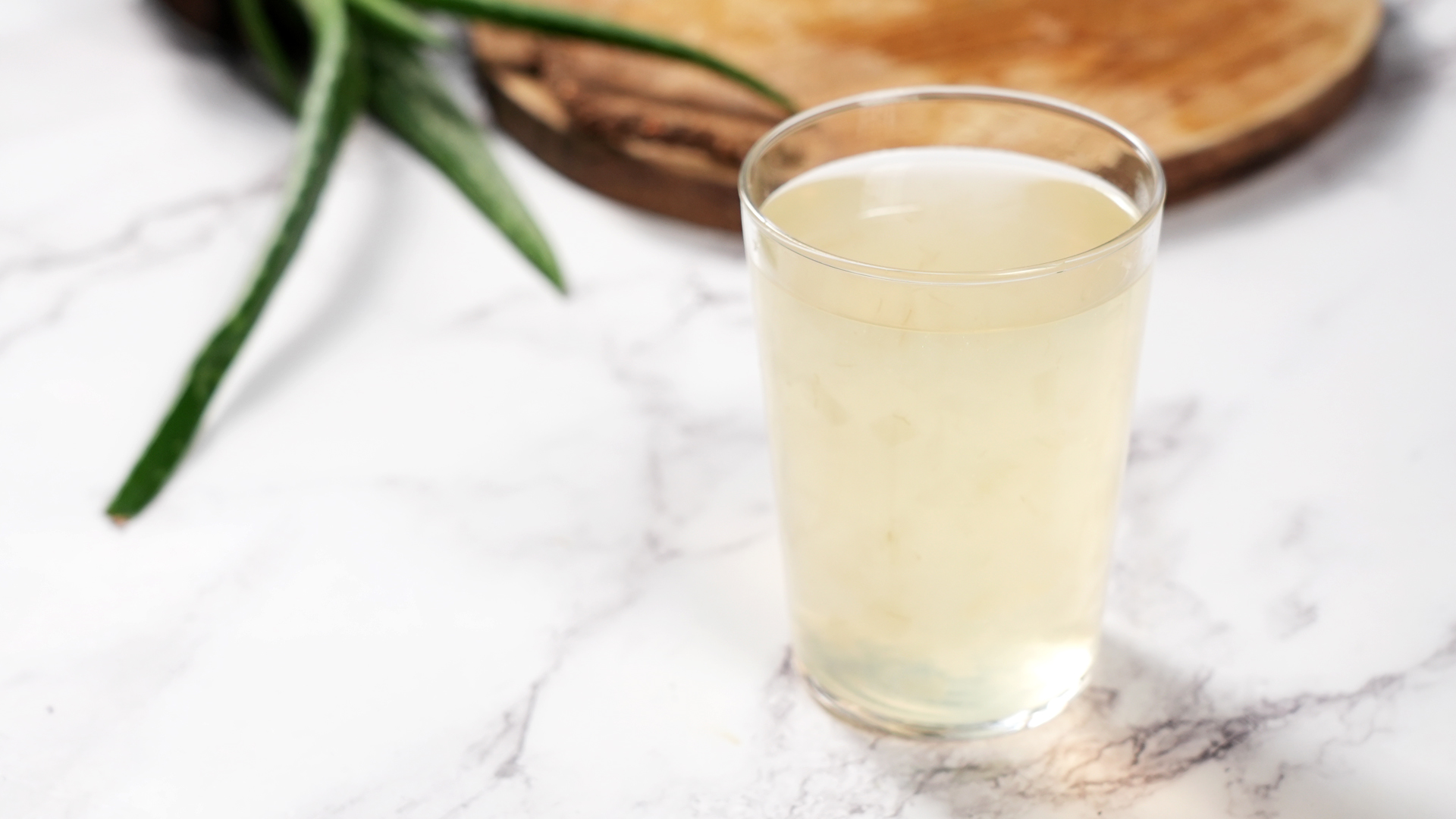
Aloe vera has a reputation that’s basically the botanical equivalent of that friend who’s “good at everything.” Sunburn? Aloe. Dry skin? Aloe. Social anxiety at brunch? (Okay, noplease don’t.) But when it comes to drinking aloe vera, the conversation gets a little more serious: the right aloe can be a refreshing add-on to your routine, while the wrong aloe can turn your digestive system into a drum solo.
This guide will show you how to drink aloe vera safely, how to choose an aloe vera juice that isn’t secretly a laxative in disguise, and how to make it taste like something you’d willingly sip twice. You’ll get a clean, practical 10-step process, plus real-world “what it’s actually like” tips at the end.
Quick note: This is educational info, not personal medical advice. If you’re pregnant, breastfeeding, managing a medical condition, or on medications, check with your clinician first.
Before You Sip: Choose the Right Aloe (and Avoid the Wrong Kind)
Aloe products are made from different parts of the leaf. That matters because the leaf contains two “zones”: the inner gel (clear, mild) and the latex (yellow, bitter, and responsible for most “uh-oh” stories). When people run into trouble with aloe drinks, it’s often due to whole-leaf products that still contain latex compounds (commonly discussed as aloin and related anthraquinones).
If you’re buying aloe vera juice in the U.S., look for language like: “inner leaf,” “inner fillet,” “purified,” or “decolorized whole leaf”. “Decolorized” typically refers to processing (often with filtration) designed to reduce latex constituents. Translation: you want aloe that’s been politely asked not to behave like a stimulant laxative.
If you’re preparing aloe at home from a fresh leaf, your mission is simple: remove the latex thoroughly and use only the clear gel. Do that well, and aloe can be a mild, slippery-cool ingredient that blends nicely into smoothies, citrus drinks, and “hydration” recipes.
How to Drink Aloe Vera: 10 Steps
Step 1: Decide your aloe format (bottled juice vs. fresh gel)
Bottled aloe vera juice is convenient and consistent, but you’ll want to read labels carefully (we’ll cover that). Fresh aloe gel gives you control, but requires extra attention to food safety and latex removal. Pick the format that matches your lifestyle, not your fantasy self who “meal preps every Sunday.”
Step 2: If buying bottled, scan for “inner leaf” or “purified/decolorized” wording
Prioritize products described as inner leaf (also called inner fillet) or purified/decolorized whole leaf. Avoid anything that implies it’s designed for “cleansing” or “laxative” effects. A gentle aloe drink should feel like hydration support, not a surprise sprint to the bathroom.
Step 3: Check the ingredient list like a detective, not a dreamer
Ingredients matter. Some aloe “juices” are mostly sweeteners, flavors, thickeners, and a cameo appearance by aloe. Others include citric acid (fine for preservation), or added juices for taste. What you’re trying to avoid is a product that’s effectively a sugar drink with aloe branding as a hat.
Step 4: Start small (your gut deserves a warm-up lap)
Even when aloe is properly processed, people vary. Start with a small amount (think: a splash), then increase gradually if you tolerate it. Your body’s feedback is the real user manual. If you notice cramping, diarrhea, or nausea, scale back or stop.
Step 5: Dilute itespecially the first few times
Many people find aloe easier on the stomach (and more pleasant) when diluted with water or mixed into a drink. A simple approach: add aloe to a glass of water and stir, or blend it into a smoothie. Dilution also helps with taste, which can be… let’s call it “cucumber-adjacent with a science experiment aftertaste.”
Step 6: Pick a “delivery method” you’ll actually use
Aloe is easiest to keep consistent when it has a role: morning smoothie booster, post-meal mixer, or a midday hydration add-on. If it’s just “a bottle in the fridge you fear,” it won’t become a habit.
Step 7: If using fresh leaves, drain and rinse to remove latex
If you’re working from a fresh aloe leaf, don’t skip this. The yellow latex just under the skin is the troublemaker. A practical home method: cut the leaf, stand it upright to drain, then rinse thoroughly before filleting. When in doubt, rinse again. You’re not “washing away nutrients”you’re washing away regret.
Step 8: Fillet the leaf and use only the clear gel
After draining and rinsing, slice off the spiny edges, remove the green skin, and scoop the clear gel. Avoid any yellow tint. The gel should be translucent and slippery. If it smells sharply bitter or looks yellowish, treat that as your aloe waving a red flag.
Step 9: Blend (then strain if texture bothers you)
Fresh gel can be chunky and “bouncy.” Blend it with water or juice until smooth. If the texture still feels weird, strain it through a fine mesh sieve. Bonus: blending with pineapple, citrus, or cucumber-mint can make it taste like a spa day instead of a houseplant.
Step 10: Store safely and keep it fresh
Fresh aloe gel doesn’t have the shelf-life of a canned soup. Refrigerate it promptly in a clean container and use it quickly. For bottled aloe, follow label storage directions and keep an eye on the “use within” guidance after opening. If it smells off, tastes funky, or looks suspiciously bubbly, do not “power through.” That’s how villains are made.
Smart Dosage & Timing (Because “More” Isn’t Always “Better”)
There isn’t one universal dose that fits everyone, because aloe products vary widely by processing and concentration. The safest rule is: follow the product label and start with less. Many people do well with small daily servings mixed into water or smoothies.
Timing-wise, aloe is often easiest with food or after a meal, especially if you’re sensitive. If you try it on an empty stomach and your body responds with dramatic monologues (cramps, urgency), switch to a post-meal routine or stop altogether.
If your goal is hydration, remember: aloe is an add-on, not a substitute for water. If your goal is digestive comfort, treat it like a gentle experimentone variable at a time, not “aloe plus three new supplements plus spicy wings.”
Safety Checklist: Who Should Avoid Drinking Aloe Vera (or Get Medical Advice First)
Aloe gel (inner leaf) is generally considered the safer oral option compared with aloe latex or non-purified whole-leaf preparations. Still, oral aloe isn’t for everyone.
- Pregnant or breastfeeding: Skip unless your clinician specifically approves.
- Kidney disease or kidney risk: Avoid oral aloe unless advised by your medical team.
- Diabetes or blood sugar medications: Aloe may affect glucose; monitor and consult your clinician.
- Heart medications / electrolyte-sensitive meds: Laxative effects can alter potassium and hydration status.
- Blood thinners or bleeding disorders: Some sources note potential interaction risk; ask a clinician.
- Children: Avoid giving oral aloe unless a pediatric clinician recommends it.
Stop and reassess if you get cramping, diarrhea, weakness, dizziness, rash, or any symptom that feels “not normal for you.” The “detox” you want is a better sleep schedule, not electrolyte imbalance.
Tasty Ways to Drink Aloe Vera Without Feeling Like You Lost a Bet
Aloe’s flavor is mild, but its texture can be… memorable. Here are easy, realistic ways people enjoy it:
1) Citrus Aloe Refresher
Mix aloe with cold water, lemon or lime juice, and a little honey (optional). Citrus masks bitterness and makes it bright.
2) Pineapple Smoothie “Texture Distraction”
Blend pineapple, banana, spinach, ice, and a small amount of aloe gel or juice. Pineapple is the social butterfly of fruitsit makes everything feel more fun.
3) Cucumber-Mint Hydration Mix
Blend cucumber + mint + water, then add aloe. This is the “I definitely have my life together” optioneven if you don’t.
4) Ginger-Aloe After-Meal Sipper
Add a small amount of aloe to warm (not boiling) water with ginger and a squeeze of lemon. Ginger’s boldness can help aloe blend in politely.
Real-World Drinking Experiences (About ): What It’s Like, What People Notice, and How to Make It Stick
Let’s talk about what happens in real kitchens and real fridgesbecause “drink aloe daily” sounds simple until you taste it. Many first-timers describe aloe vera juice as mildly grassy, lightly tart (depending on additives), and not offensive until the texture shows up like an uninvited guest. Fresh gel can be slippery and a bit gelatinous, which some people love (hello, boba fans) and others immediately label “forbidden frog spawn.” If you’re in the second group, blending thoroughly and straining helps a lot.
A common early experience is the “too much too soon” mistake. People try a big gulp expecting instant wellness and end up with stomach rumbling, urgency, or cramping. That doesn’t automatically mean aloe is “bad” it often means the amount was too high, the product wasn’t properly purified, or it was taken on an empty stomach. The gentlest path is small servings, diluted, and paired with food until you know how you respond.
Another real-world lesson: not all aloe products are created equal. Some bottled options taste clean and neutral. Others taste sharply bitter, which can be a clue you’re dealing with more latex compounds than you want. If a product is marketed heavily for “cleansing” or “fast results,” that’s usually your cue to walk away slowly, like you just heard the theme music from a horror movie.
For people who do enjoy aloe, the “sticky habit” usually comes from a routine that feels effortless. The most sustainable strategies tend to be: (1) adding a measured splash to water, (2) making aloe part of a smoothie, or (3) using it in a simple citrus drink. When aloe becomes an ingredient instead of a “daily challenge,” it’s easier to keep consistent without overthinking it.
You’ll also notice that aloe is often discussed online as a cure-all. In reality, most evidence for oral aloe is limited and mixed, and benefits can depend on the specific product and your personal context. A balanced mindset helps: treat aloe as a supportive beverage ingredient, not a replacement for medical care, a magic fix for digestion, or a shortcut to weight loss. If you want to run an honest experiment, keep everything else steady for a couple weeks and track only a few signals (comfort after meals, hydration habits, how you feel overall).
Finally, here’s a small but powerful tip: make it taste good on purpose. If you’re forcing yourself to drink something you dislike, you’ll quit, and then the bottle will sit in the fridge until it becomes a science fair project. Citrus, pineapple, cucumber, and mint are popular because they don’t just “hide” aloe they turn it into a drink you’d actually offer a friend.
Conclusion
Drinking aloe vera can be simple and enjoyable when you choose purified/inner leaf products (or prep fresh gel carefully), start with small diluted servings, and pay attention to safetyespecially around latex/aloin, medication interactions, and sensitive health conditions. Keep it practical, keep it tasty, and your aloe routine is far more likely to last.