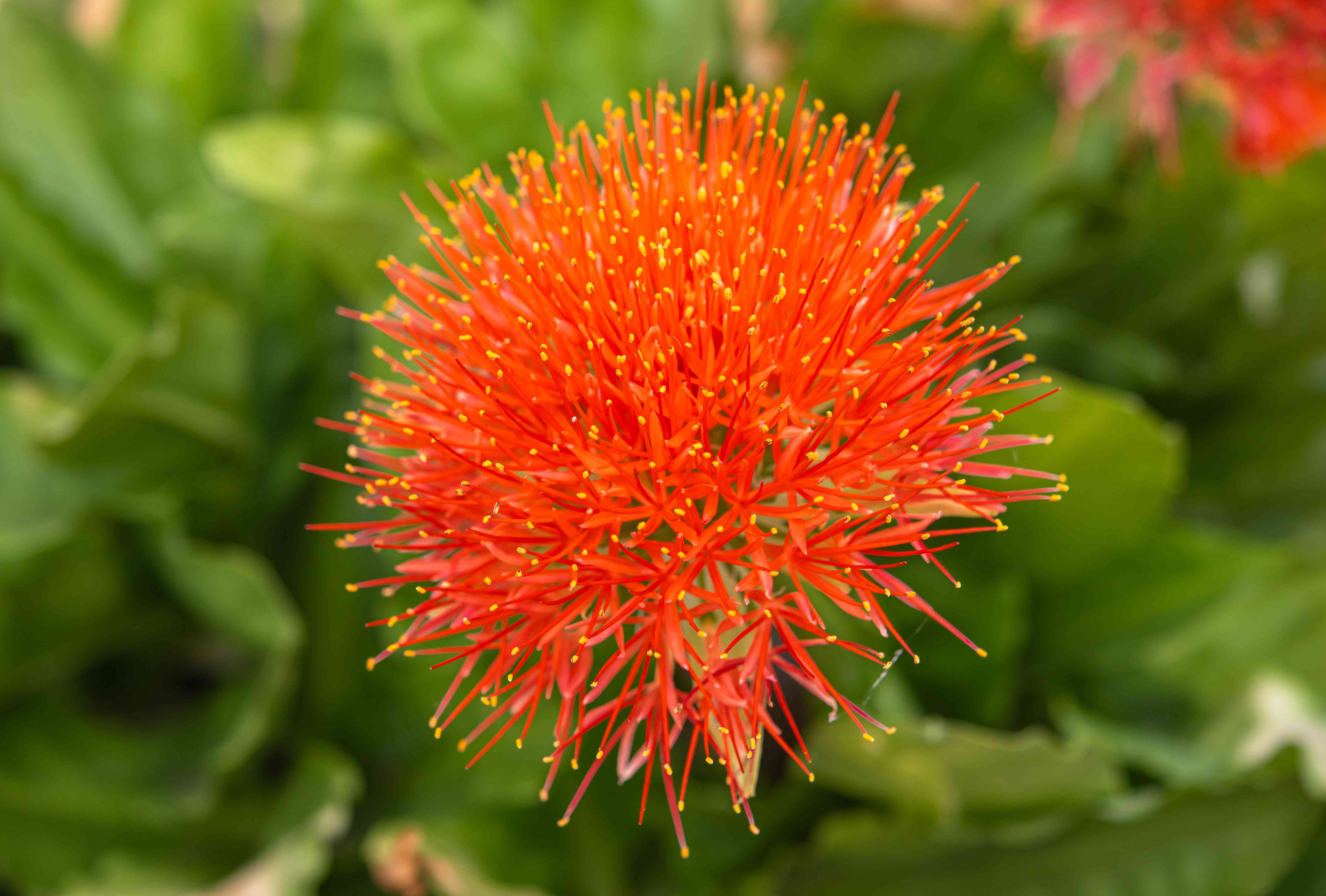
If your garden could use a little dramawithout the plot twists of a high-maintenance divathe blood lily may be your plant. Known botanically as Scadoxus multiflorus, this tropical bulb produces a round, firework-like bloom packed with tiny red florets. It looks like a floral pom-pom designed by someone who had both excellent taste and a flair for the theatrical.
Despite its exotic appearance, blood lily care is surprisingly straightforward once you understand its rhythm. This is not a plant that wants to be fussed over every morning with a tiny watering can and motivational speech. It wants warmth, bright filtered light, rich well-drained soil, steady moisture while actively growing, and a drier rest period when it goes dormant. Give it that, and it can reward you with one of the boldest blooms in the summer garden or indoor plant collection.
This in-depth growing guide explains how to plant blood lily bulbs, care for them indoors or outdoors, encourage blooming, avoid common mistakes, and keep this show-stopping plant healthy year after year.
What Is a Blood Lily?
Blood lily is a common name most often used for Scadoxus multiflorus, also called African blood lily, blood flower, fireball lily, powderpuff lily, or Katherine-wheel. It belongs to the Amaryllidaceae family, the same broad plant family that includes amaryllis and clivia. Like those relatives, blood lily grows from a bulb-like underground structure that stores energy for future leaves and flowers.
The plant is native to tropical and subtropical parts of Africa and nearby regions of Arabia. In warm climates, it may be grown outdoors in shaded garden beds. In cooler areas, it is usually grown in containers so gardeners can move it indoors before chilly weather arrives. This makes it a wonderful choice for patios, porches, sunrooms, bright windowsills, and protected garden corners.
Why Gardeners Love Blood Lily
The main attraction is the bloom. A mature bulb can send up a thick flower stalk topped with a rounded cluster of red, orange-red, or scarlet flowers. From a distance, it looks like a glowing ball. Up close, the flower head reveals dozens or even hundreds of tiny starry florets with long stamens. It is the kind of plant guests notice immediately, often followed by the question, “What on earth is that?”which is always a proud gardener moment.
After flowering, blood lily usually produces broad green leaves that help the bulb recharge. Some plants bloom before the leaves appear, while others flower alongside emerging foliage. In the right conditions, blooms may be followed by decorative orange-red berries. The entire display feels tropical, sculptural, and just unusual enough to make a garden look curated rather than randomly assembled after a weekend sale at the nursery.
Quick Blood Lily Care Summary
- Botanical name: Scadoxus multiflorus
- Common names: Blood lily, African blood lily, fireball lily, blood flower
- Plant type: Tender bulbous perennial
- Light: Bright indirect light, dappled shade, or morning sun
- Soil: Rich, loose, well-drained soil with organic matter
- Water: Even moisture during active growth; reduced water during dormancy
- USDA zones: Best outdoors in warm, frost-free regions, commonly zones 9–11
- Bloom time: Usually late spring to summer, depending on climate and growing conditions
- Toxicity: Toxic if ingested; keep away from children and pets
Blood Lily Light Requirements
Blood lily enjoys bright light, but it does not appreciate being roasted like a vegetable. In hot climates, direct all-day sun can scorch the leaves and stress the plant. The best outdoor location is a spot with filtered shade, dappled sunlight beneath trees, or a few hours of gentle morning sun. Afternoon shade is especially helpful in regions with intense summer heat.
Indoors, place blood lily near a bright window where it receives strong indirect light. An east-facing window is often ideal because it offers morning sun without the harshest afternoon rays. A bright south- or west-facing window can also work if the plant is set back from the glass or protected by a sheer curtain.
Signs the Light Is Wrong
If the leaves look pale, stretched, or weak, the plant may need more light. If the leaf edges brown or the foliage appears bleached, the light may be too intense. Think of blood lily as a tropical guest who likes a sunny vacation but still wants access to shade, iced tea, and a sensible hat.
Best Soil for Blood Lily
The best soil for blood lily is fertile, airy, and fast-draining. The bulb needs moisture while growing, but it should never sit in soggy soil. Wet, compacted conditions can cause rot, which is the gardening equivalent of losing the game before the first inning.
For outdoor planting, improve the soil with compost, leaf mold, or other organic matter. If your garden soil is heavy clay, consider growing blood lily in a raised bed or container instead. For pots, use a high-quality potting mix amended with perlite, coarse sand, pumice, or orchid bark to improve drainage.
Simple Container Soil Mix
A reliable homemade mix for potted blood lily includes two parts quality potting soil, one part perlite or pumice, and one part compost or fine bark. This combination holds enough moisture to support growth while allowing extra water to escape. Always use a pot with drainage holes. A decorative cachepot is fine, but do not let the nursery pot sit in standing water.
How to Plant Blood Lily Bulbs
Plant blood lily bulbs in spring after the danger of frost has passed. In containers, you can start bulbs indoors earlier if you can provide warmth and bright light. The bulb should be planted shallowly, with the neck at or slightly above the soil surface. Burying it too deeply can slow growth and increase the risk of rot.
Outdoor Planting Steps
- Choose a warm, protected site with bright shade or morning sun.
- Loosen the soil and mix in compost for fertility and drainage.
- Plant the bulb so the neck is just visible above the soil line.
- Space bulbs about 10 to 12 inches apart for a fuller display.
- Water lightly after planting, then increase watering once growth begins.
For a dramatic garden effect, plant blood lilies in small groups rather than lonely single bulbs. One blood lily is beautiful; five blood lilies look like your garden hired a fireworks technician.
Container Planting Tips
Choose a pot that is wide enough for the bulb and roots but not excessively large. A pot that is too roomy can hold more moisture than the plant needs, especially during dormancy. Set the bulb high in the mix, water gently, and place the pot somewhere warm. Blood lily can be slow to wake up, so do not panic if nothing happens immediately. Bulbs often operate on their own mysterious calendar.
Watering Blood Lily
Watering is one of the most important parts of blood lily care. During active growth, the plant prefers consistent, even moisture. The soil should feel lightly moist but not soggy. Let the top inch of soil dry slightly between waterings, then water thoroughly until excess drains away.
When the leaves begin to yellow and die back, reduce watering. This signals the plant is entering dormancy. During dormancy, the bulb needs rest, not a swamp. Keep the soil barely moist or almost dry, depending on your climate and whether the bulb is indoors or outdoors.
Watering Mistakes to Avoid
The most common mistake is watering heavily before the bulb has begun active growth. Another is continuing to water as if the plant were still growing after the foliage fades. Both habits can encourage bulb rot. A good rule is simple: more water when leaves are growing, less water when the plant is resting.
Temperature and Humidity
Blood lily is a warm-climate plant and does not tolerate frost. It grows best in mild to warm temperatures and should be protected when temperatures drop. In cooler regions, containers should be brought indoors before nights become cold. Many growers treat blood lily much like a tropical patio plant: outdoors in warm months, indoors during winter.
Average household humidity is usually acceptable, but the plant appreciates moderate humidity during active growth. If indoor air is very dry, group it near other houseplants or place the pot on a pebble tray filled with water, making sure the pot itself is not sitting directly in water.
Fertilizing Blood Lily
Blood lily is not a heavy feeder, but it benefits from gentle nutrition during active growth. Use a balanced, diluted liquid fertilizer every four to six weeks while leaves are present. You can also top-dress outdoor plants with compost in spring.
Avoid overfertilizing, especially with high-nitrogen products. Too much nitrogen may encourage leafy growth at the expense of flowers. Once the plant begins to go dormant, stop feeding. Dormant bulbs do not need fertilizer; they need rest, peace, and a break from your gardening enthusiasm.
How to Encourage Blood Lily to Bloom
A healthy blood lily usually blooms when the bulb is mature and has stored enough energy. However, several factors influence flowering. The plant needs bright filtered light, warm temperatures, proper watering, and a restful dormant period. If your blood lily grows leaves but refuses to bloom, review its care routine.
Common Reasons Blood Lily Does Not Flower
- The bulb is too young: Small bulbs may need time to mature before flowering.
- Not enough light: Deep shade can reduce blooming.
- Too much water during dormancy: A soggy resting period can weaken the bulb.
- Poor soil drainage: Stressed roots and bulbs are less likely to perform well.
- Foliage removed too soon: Leaves recharge the bulb, so let them yellow naturally.
Patience matters. Blood lily is not always an instant-gratification plant. Sometimes it spends a season building strength underground before making its big red-carpet entrance.
Growing Blood Lily Indoors
Blood lily can be an excellent indoor plant if you can provide enough light and respect its seasonal cycle. A bright windowsill, sunroom, enclosed porch, or greenhouse is ideal. Keep the plant warm while it is growing and avoid cold drafts from doors, windows, or air-conditioning vents.
Use a well-draining potting mix and water carefully. Indoor containers dry more slowly than outdoor pots, so always check the soil before watering. During dormancy, move the pot to a cooler, dry, frost-free location and water sparingly. When new growth appears, bring it back into brighter light and gradually resume normal watering.
Repotting Indoor Blood Lily
Blood lily does not need frequent repotting. In fact, many bulbs bloom better when slightly snug. Repot every few years or when the mix breaks down, the bulb has multiplied, or drainage becomes poor. Handle the bulb gently and avoid damaging the roots. If offsets have formed, you can separate them and grow new plants.
Growing Blood Lily Outdoors
In warm, frost-free climates, blood lily can grow outdoors in the ground. It is especially attractive in shaded borders, tropical-style gardens, woodland edges, and beneath open-canopied trees. The bold flowers pair beautifully with ferns, caladiums, elephant ears, hostas in mild climates, and other shade-loving foliage plants.
In cooler climates, gardeners can sink potted blood lilies into garden beds for the summer, then lift the entire pot before cold weather. This gives the look of an in-ground planting while keeping winter protection simple.
Winter Care Outdoors
Where winters are mild, allow the foliage to die back naturally and keep the soil on the drier side during dormancy. In marginal climates, mulch may help protect bulbs, but frost remains a serious risk. If you are unsure whether your climate is warm enough, container growing is the safer choice.
Pruning and Maintenance
Blood lily requires very little pruning. Remove spent flower stalks once the display fades, unless you want to enjoy the decorative berries that may follow. Leave the leaves in place until they yellow naturally. Those leaves are solar panels for the bulb, gathering energy for next year’s growth and flowers.
Trim dead foliage only after it has fully declined. Keep the planting area free from soggy leaf litter, especially in humid climates, to reduce disease risk. For container plants, clean away old debris from the soil surface before storing the bulb for dormancy.
Propagating Blood Lily
Blood lily can be propagated by offsets or seeds. Offsets are the easiest method for home gardeners. Mature bulbs may produce small side bulbs, which can be separated during repotting. Plant each offset in its own small pot with well-drained mix, keeping the neck near the soil surface.
Seed propagation is possible if berries develop, but it takes longer. Fresh seeds generally perform best. Clean them from the fruit and sow them promptly in a moist, well-draining medium. Seed-grown plants may take several years to reach flowering size, so this method is best for patient gardenersthe same people who read plant catalogs in January for emotional support.
Pests and Problems
Blood lily is generally not a pest magnet, but it can occasionally attract common houseplant and garden pests such as aphids, mealybugs, spider mites, or scale. Inspect leaves regularly, especially indoor plants. Treat minor infestations by wiping leaves with a damp cloth or using insecticidal soap according to label directions.
The biggest problem is usually bulb rot caused by poor drainage or overwatering. If the bulb becomes soft, smells unpleasant, or collapses, rot may be present. Prevention is far easier than rescue: use a draining mix, avoid oversized pots, and reduce water during dormancy.
Yellow Leaves: Normal or Trouble?
Yellow leaves are normal when blood lily is entering dormancy. However, yellowing during active growth may indicate overwatering, poor drainage, insufficient light, or root stress. Check the soil first. If it is wet and heavy, improve drainage and reduce watering.
Is Blood Lily Toxic?
Yes. Blood lily should be considered toxic if ingested. The bulb and other plant parts may contain alkaloids that can cause unpleasant or serious symptoms. Keep the plant away from children, curious pets, and livestock. Wear gloves if you have sensitive skin, and wash your hands after handling bulbs or sap.
It is also worth noting that “lily” is a confusing common name. Blood lily is not the same as true lilies in the genus Lilium, which are famously dangerous to cats. Still, blood lily is not a snack, not a garnish, and definitely not something to test because a gardening forum sounded casual about it. When in doubt, treat ornamental bulbs with caution.
Blood Lily vs. Haemanthus: What Is the Difference?
Gardeners sometimes confuse Scadoxus and Haemanthus because both may be called blood lily or blood flower. They are related, but they are not identical. Scadoxus multiflorus usually has a spherical flower head with many small red florets and often produces spirally arranged leaves. Haemanthus species may have different growth patterns, often with leaves arranged in two ranks.
For care purposes, always check the botanical name on the plant label. A plant sold simply as “blood lily” may need slightly different seasonal care depending on whether it is Scadoxus multiflorus, Scadoxus puniceus, or a Haemanthus species. Botanical names may look like someone spilled alphabet soup on a tag, but they save gardeners from expensive confusion.
Best Uses in Garden Design
Blood lily is a natural focal point. Use it where the flower can be seen and appreciated: near a patio, along a shaded path, in a tropical container arrangement, or beneath small ornamental trees. The bloom is short-lived compared with some perennials, but it is unforgettable.
Pair blood lily with plants that provide textural contrast. Ferns create softness, caladiums echo the tropical mood, and dark-leaved colocasia can make the red blooms look even brighter. In containers, keep the design simple so the flower remains the star. Blood lily does not need backup dancers wearing sequins; it already brought the fireworks.
Seasonal Blood Lily Care Calendar
Spring
Plant bulbs after frost danger has passed. Repot container plants if needed. Begin watering lightly when warmth returns and increase watering once growth appears.
Summer
Maintain even moisture, provide bright filtered light, and fertilize lightly. Watch for flowers and enjoy the bold display. Remove spent blooms if berries are not desired.
Fall
Allow leaves to yellow naturally. Gradually reduce watering as the plant slows down. Bring containers indoors before cold nights arrive.
Winter
Keep dormant bulbs dry to barely moist in a frost-free place. Do not fertilize. Check occasionally for rot, pests, or overly dry shriveling.
Experience Notes: What Growing Blood Lily Teaches You
One of the best experiences with blood lily is learning to trust the bulb. Many gardeners are used to plants that provide constant feedback: a new leaf here, a droop there, a dramatic wilt if you forget one watering. Blood lily is different. It may sit quietly in its pot for weeks, looking like nothing is happening. Then, almost suddenly, a thick shoot appears and begins its transformation into a remarkable flower. It is a good reminder that not all growth is visible right away.
Container growing offers some of the most practical lessons. A blood lily in a pot teaches you the value of drainage faster than almost any gardening lecture. If the potting mix is too dense or the container has poor drainage, the bulb can struggle. But when the mix is airy and the watering routine matches the season, the plant behaves beautifully. This makes it a great plant for gardeners who want to improve their instincts with bulbs, dormancy, and tropical perennials.
Another experience many growers share is the joy of moving the plant around for display. Because blood lily blooms are so unusual, a container-grown plant can be placed on a patio table, near an entryway, or in a bright indoor spot while flowering. It becomes a living conversation piece. People may walk past petunias politely, but blood lily stops them in their tracks. It has that rare quality of looking both elegant and slightly unbelievable.
Blood lily also teaches restraint. The temptation to overwater a dormant bulb is real, especially for attentive gardeners who equate care with action. But sometimes the best care is doing less. Letting the plant rest, allowing the leaves to fade naturally, and resisting the urge to constantly repot or feed it can produce better results than nonstop intervention. In that sense, blood lily is a small botanical coach whispering, “Relax. I’ve got this.”
For outdoor gardeners in warm regions, blood lily can bring a lush tropical feeling to shaded beds without requiring the constant maintenance of some showier plants. It works especially well where it receives filtered light and has companions that keep the bed attractive after the flowers fade. For gardeners in colder regions, it offers the pleasure of growing something exotic without needing a full greenhouse. A sunny window, a good pot, and winter protection are often enough.
The most satisfying moment comes when a mature bulb blooms after a proper rest period. That red globe of flowers feels like a reward for patience, timing, and good observation. It is not just a pretty plant; it is a seasonal event. Grow it well, and blood lily becomes one of those plants you look forward to every yearthe garden equivalent of a surprise party, except the guest of honor is a scarlet flower ball and nobody has to pretend they did not know.
Conclusion
Blood lily is bold, tropical, and far easier to grow than its dramatic flowers suggest. The secret is understanding its natural cycle. Give it bright filtered light, warm temperatures, rich well-drained soil, steady moisture during active growth, and a drier dormancy period. Avoid overwatering, protect it from frost, and let the foliage recharge the bulb before trimming it away.
Whether grown in a shaded Florida garden, a summer patio container, or a bright indoor room in a colder climate, blood lily delivers unforgettable color and structure. It is not the longest-blooming plant in the garden, but it may be one of the most memorable. And really, some plants whisper. Blood lily enters the scene with a drumroll.
Note: Blood lily is grown for ornamental use only. Keep bulbs, leaves, flowers, and berries away from children and pets, and contact a veterinarian or poison control professional if accidental ingestion occurs.