Gardening trends are having a moment, and honestly, it is about time. After years of people treating the backyard like a green carpet that needed a weekly haircut, gardeners across America are asking smarter questions. Can this space support pollinators? Can it grow dinner? Can it survive a heat wave without demanding a dramatic water bill? Can it look beautiful without requiring the owner to spend every Saturday muttering at weeds in cargo shorts?
The answer, increasingly, is yes. The biggest gardening trends today are not random fads cooked up by someone who owns six decorative watering cans and one tomato plant named Steve. They are practical responses to how people live now: smaller spaces, tighter budgets, hotter summers, more interest in wellness, and a growing desire to make outdoor spaces feel alive instead of overly controlled. Current gardening culture blends beauty, function, ecology, and a little rebellion against the old idea that a “nice yard” has to mean lots of turf, constant maintenance, and zero personality.
So what is shaping modern gardens? Let’s dig into the gardening trends that are changing patios, porches, front yards, raised beds, balconies, and community plots across the country.
1. Native plants are no longer the quiet kids in the back row
One of the most important gardening trends is the rise of native plants. Gardeners are choosing species adapted to their local climate and soil instead of forcing thirsty, fussy plants to perform like Broadway stars in the wrong zip code. Native plants do more than survive with less drama. They also support birds, bees, butterflies, and beneficial insects in ways many non-native ornamentals cannot.
This shift makes sense for both practical and environmental reasons. Native gardens usually need less fertilizer, fewer chemical inputs, and less babysitting once established. They can also help create habitats that feel more connected to the local landscape rather than copied from a catalog with suspiciously perfect lighting. Whether it is milkweed in the Midwest, blanket flowers in the Southwest, or native asters in the Northeast, regionally appropriate planting is now a badge of gardening intelligence.
In other words, gardeners are finally realizing that the best flex is not making a plant suffer beautifully. It is choosing the right plant in the first place.
2. Pollinator gardens are becoming standard, not special
Pollinator-friendly gardening is closely tied to the native-plant movement, but it deserves its own spotlight. More people now want gardens that buzz, flutter, and hum with life. That means planting nectar-rich flowers, layering bloom times from spring through fall, and mixing in herbs, flowering vegetables, and habitat features that support bees, butterflies, hummingbirds, and other helpful visitors.
Today’s pollinator gardens are also more stylish than the old stereotype of a shaggy patch that looked like it forgot to brush its hair. Gardeners are designing pollinator beds with clear structure, repeated plant groupings, and intentional color palettes. The result is a garden that feels both ecological and elegant. It says, “Yes, I care about biodiversity, and yes, I also care that this border does not look like a botany experiment gone rogue.”
3. Edible gardening is moving beyond the basic tomato cage
Another major gardening trend is the continued rise of edible gardening. People still love growing tomatoes, peppers, lettuce, and herbs, but the movement has matured. It is less about panic-planting a few cucumbers and more about designing productive, beautiful spaces that fit everyday life. Kitchen gardens, patio vegetables, berry containers, dwarf fruit trees, and herb borders are all gaining traction.
Gardeners are also blending food plants into ornamental spaces. Kale can be gorgeous. Basil smells amazing. Blueberry shrubs pull double duty as useful and attractive landscape plants. Nasturtiums, calendula, chives, and rosemary make a garden look lush while still earning their keep. This “edimental” approach is one of the smartest gardening trends because it combines flavor, savings, and visual appeal in one move.
For families, edible gardens also create a strong sense of participation. Kids who would never volunteer to eat a bean are strangely willing to sample one if they picked it themselves. Gardening remains the only hobby where a child can proudly hand you a crooked carrot as if it were a Nobel Prize, and honestly, that kind of confidence should be studied.
4. Water-wise gardening is no longer optional in many places
As weather patterns become less predictable, climate-aware gardening is moving to the center of the conversation. Homeowners are paying more attention to drought tolerance, soil health, shade creation, mulch, drip irrigation, and plant choices that can handle heat and irregular rainfall. Water-wise gardening is especially strong in drier regions, but the principles are spreading nationwide.
This trend includes replacing water-hungry lawn sections with low-water ground covers, planting in drifts to reduce evaporation, and using rain gardens or swales to slow runoff and capture water more effectively. Gardeners are also learning that healthy soil works like a savings account for moisture. Add compost, reduce disturbance, mulch generously, and the soil becomes better at holding water when the weather gets rude.
What makes this trend stick is that it is not just environmentally responsible. It is also cheaper, easier, and less stressful over time. A climate-resilient garden may still ask for attention, but it does not collapse into a melodrama every time the forecast misses the mark.
5. Less lawn, more life
Large manicured lawns are losing their grip on the American imagination. People are questioning whether endless turf really deserves the space, water, fertilizer, mowing, edging, and emotional energy it demands. The answer, more and more often, is a polite but firm no.
One of the biggest gardening trends is reducing lawn area in favor of planting beds, mixed borders, clover blends, meadows, gravel gardens, edible plots, and outdoor living spaces. This does not mean every yard now looks like a tiny prairie documentary. It means homeowners are becoming more selective. They keep lawn where it is useful, then turn the rest into something more interesting and ecologically valuable.
That shift also opens the door to more personality. A front yard can now include pollinator drifts, a cut-flower patch, a row of herbs, a rain garden, or a living fence that softens the property line and supports wildlife. Compared with a giant lawn, these choices simply do more.
6. Small-space gardening is getting seriously sophisticated
Not everyone has a sprawling yard, and today’s gardeners are done apologizing for that. Small-space gardening is one of the strongest gardening trends because it meets people where they actually live. Balconies, rooftops, windowsills, patios, stoops, and tiny side yards are all being used creatively.
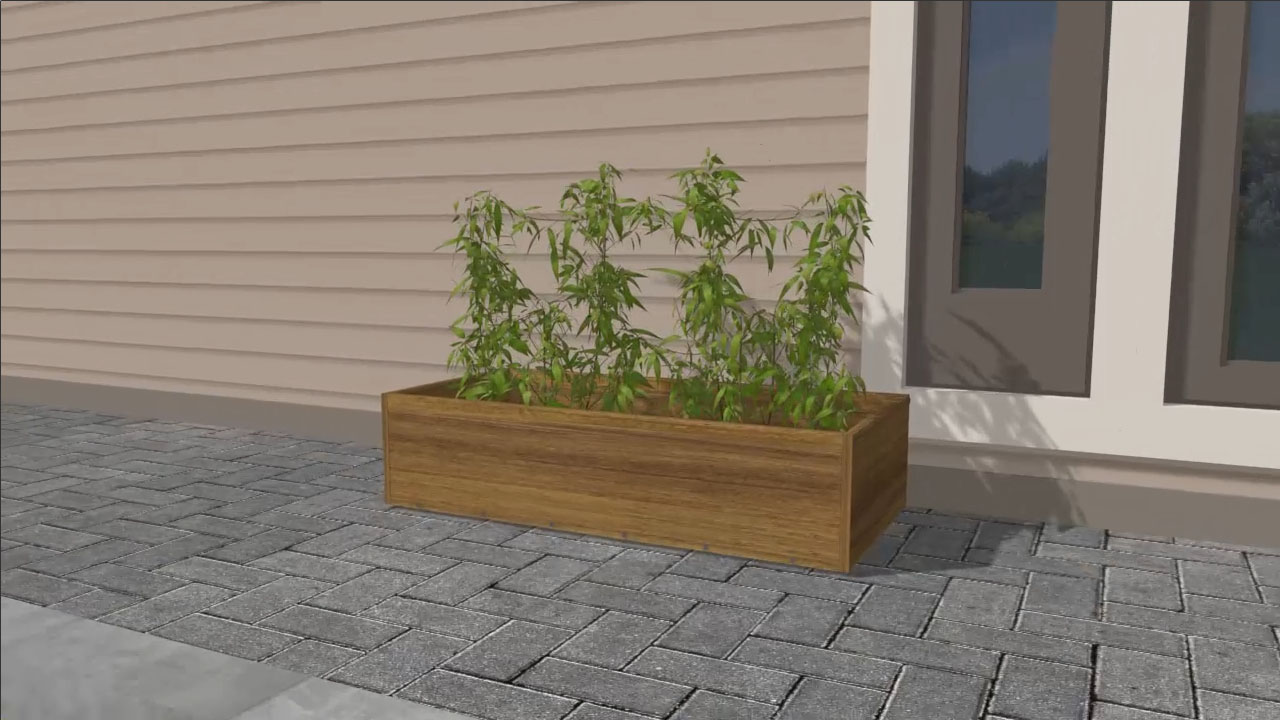
Container gardening has evolved from a few petunias by the door into a design strategy. Gardeners are mixing flowers, herbs, vegetables, compact shrubs, and even dwarf fruit trees in pots that function like movable garden rooms. Vertical gardening is also growing in popularity, especially for renters and urban gardeners. Trellises, wall planters, hanging baskets, and tiered shelves help people grow more in less square footage.
Indoor gardening is part of this trend, too. Grow lights, stylish planters, and better access to plant care information have made houseplants and indoor edibles more approachable. Even people without outdoor space can join the gardening party now, which is good news for basil, bad news for underused windowsills.
7. Cut-flower gardens are back, and they are not shy about it
Fresh flowers are no longer reserved for special occasions or grocery-store impulse buys. More gardeners are planting cut-flower gardens filled with zinnias, cosmos, dahlias, celosia, sunflowers, snapdragons, and other bloom-heavy favorites. This trend mixes beauty, abundance, and a little main-character energy. Why grow only one bouquet when you can grow twelve and pretend your kitchen is a very charming floral studio?
Part of the appeal is emotional. Cut flowers make gardens feel generous. They encourage sharing, decorating, and slowing down enough to notice what is blooming. They are also productive in a way that ornamental-only plantings sometimes are not. A cutting garden keeps giving, especially when gardeners succession-sow annuals for longer harvest windows.
8. Low-maintenance is no longer a guilty phrase
For years, some gardeners acted as if “low-maintenance” meant boring. Not anymore. One of the healthiest gardening trends is the move toward landscapes that look good without demanding constant intervention. That includes choosing resilient plants, grouping them by water needs, mulching well, composting, pruning with purpose, and building soil instead of fighting it.
No-till and soil-first ideas are also influencing home gardening more than before. Gardeners are disturbing the soil less, adding organic matter from the top, and focusing on long-term health rather than quick cosmetic results. This approach supports moisture retention, microbial life, and a more stable growing system.
Low-maintenance does not mean no effort. It means smart effort. It means creating a garden that works with reality instead of pretending you have unlimited time, money, rainfall, and lower back flexibility.
9. Gardens are becoming wellness spaces
Another defining gardening trend is the idea of the garden as a place to feel better, not just a place to impress the neighbors. Outdoor spaces are being designed for calm, restoration, and everyday use. Fragrant plants, soothing color palettes, shaded seating, pathways, bird-friendly plantings, and sensory-rich combinations are all part of this shift.
The garden is increasingly viewed as an antidote to screen fatigue and a way to reconnect with the physical world. You cannot doomscroll while deadheading zinnias with both hands. Well, technically maybe someone has tried, but the spirit of the trend remains noble.
This focus on well-being also explains why community gardens, plant swaps, and neighborhood gardening groups continue to matter. Gardening may start as a solo hobby, but it often turns social quickly. One minute you are looking up mulch depth. The next minute you are discussing tomato blight with a stranger like you are both in a very leafy support group.
10. Technology is entering the garden, but carefully
Technology is another trend worth watching. Some gardeners are embracing smart irrigation, moisture sensors, garden planning apps, digital pest identification, and weather-based watering tools. These tools can reduce guesswork, save water, and make gardening more accessible for beginners.
At the same time, there is a funny split in the trend. Some people want more data-driven gardening, while others want the garden to be the place where technology politely stays in its lane. That tension is part of the current gardening moment. People want help, but they do not want the hobby to feel like a software subscription with aphids.
The most successful approach is balance. Use technology where it genuinely improves outcomes, but keep the joy of observation, experimentation, and hands-in-the-dirt learning at the center.
11. Gardening style is getting more personal
Finally, one of the most interesting gardening trends is personalization. Gardens are becoming more expressive. Instead of chasing a single ideal, people are building spaces that reflect how they live. That might mean pet-friendly patios, calming neutral plant palettes, collector-style houseplant shelves, fragrance gardens, pollinator corridors, Mediterranean-inspired gravel beds, or living fences for privacy and beauty.
This trend is healthy because it invites more people into gardening. You do not need a giant yard, formal training, or a perfect design vocabulary. You just need a clear sense of what you want your space to do. Feed you. Relax you. Welcome birds. Host friends. Smell incredible. Survive August. All of those are valid goals, and the best gardens often do several at once.
Experiences That Show Why Gardening Trends Are Changing
Spend time talking to real gardeners and these trends stop sounding theoretical. They become stories. A homeowner replaces part of the front lawn with native grasses and flowering perennials, then notices more bees by midsummer and fewer hours spent mowing. A renter starts with three containers on a balcony, then discovers that cherry tomatoes, basil, and marigolds can make even a tiny outdoor corner feel like a personal retreat. A family plants herbs and salad greens in raised beds because groceries feel expensive, and suddenly dinner tastes fresher while the kids start arguing over whose turn it is to harvest lettuce. That might be the rarest miracle in modern parenting.
Another common experience is frustration turning into strategy. Gardeners who once bought plants based only on looks are learning to ask tougher questions: Will this survive my heat? Does it need more water than I can realistically provide? Is this plant helping anything besides my need for instant color? Those questions lead people toward natives, drought-tolerant species, pollinator plants, and better soil practices. In many cases, the garden actually improves when the shopping gets less impulsive. Fewer “rescue plants” from the clearance rack, more long-term success.
There is also a noticeable emotional side to gardening now. People describe the garden as the one place where their attention slows down. Watering in the evening, clipping flowers for the table, noticing the first pepper forming, watching a goldfinch bounce on a coneflower stem, or seeing a child yank up a radish with the seriousness of an archaeologistthose moments create a different kind of value. They are hard to measure, but easy to feel. That is why wellness gardening, sensory planting, and community growing keep gaining momentum. The reward is not just visual. It is personal.
Even the rise of technology reflects lived experience. Beginners who used to feel overwhelmed now use apps, moisture meters, and local weather tools to gain confidence. Experienced gardeners may joke about gadgets, but many still appreciate drip irrigation timers or better planning tools when summer gets hectic. The key lesson from real gardens is simple: people adopt trends that make the hobby more useful, more beautiful, more resilient, or more enjoyable. The trends that last are the ones that solve actual problems while keeping the magic intact.
Conclusion
Today’s gardening trends are less about perfection and more about purpose. American gardeners are choosing native plants, pollinator support, edible landscapes, climate resilience, smaller-space solutions, and more personal outdoor design. They want gardens that work harder, waste less, feel better, and invite more life into the landscape. In short, the modern garden is no longer just decoration. It is habitat, pantry, therapy session, design statement, and weekend science project all rolled into one. And somehow, against all odds, it still makes mud look classy.