Money in America has a personality. It works hard, moves fast, complains about rent, flirts with the stock market, and occasionally disappears into a drive-thru lane with no explanation. The way Americans save, spend, and invest tells a bigger story than any single paycheck can show. It reflects housing costs, wage growth, inflation, debt, technology, retirement expectations, family responsibilities, and that mysterious monthly subscription nobody remembers signing up for.
Understanding how Americans manage money is not just useful for economists in gray suits. It matters for families planning a budget, young professionals building credit, retirees protecting income, and anyone wondering why a grocery cart seems to cost more than a weekend vacation used to. In the United States, personal finance is a daily balancing act between today’s needs and tomorrow’s dreams.
This guide explores how Americans save money, where they spend the most, how they invest for the future, and why financial habits vary so widely across income levels, generations, education backgrounds, and life stages. The good news? Americans are not one financial stereotype. Some are disciplined savers. Some are bold investors. Some are debt jugglers. And some are still trying to figure out whether “cash back” counts as a retirement plan. Spoiler: it does not.
The Big Picture: American Money Habits in 2026
American financial behavior is shaped by a simple reality: income has grown for many households, but expenses have grown too. The typical household budget is under pressure from housing, transportation, food, insurance, health care, childcare, education, and interest payments. Even when wages rise, many Americans feel as if their money is jogging on a treadmill: moving quickly, sweating heavily, and not getting very far.
Recent U.S. data shows that median household income remains relatively high by global standards, yet financial comfort is uneven. A household earning a solid income in a low-cost town may save comfortably, while a household earning more in a high-cost metro area may feel squeezed by rent, commuting, taxes, and childcare. That is why the question is not simply, “How much do Americans make?” The better question is, “How much can they keep?”
In broad terms, Americans tend to divide money into three major lanes: spending for daily life, saving for emergencies and short-term goals, and investing for retirement or wealth building. The challenge is that all three lanes are crowded. Bills arrive now. Emergencies arrive uninvited. Retirement arrives later, but it demands early attention. It is like trying to feed three hungry dogs with one sandwich.
How Americans Spend: Housing Still Wears the Crown
When it comes to spending, housing is the heavyweight champion. Rent, mortgage payments, property taxes, utilities, maintenance, and insurance take the largest bite out of many household budgets. For renters, rising rents in major cities and popular suburbs can limit saving. For homeowners, higher mortgage rates, insurance premiums, repairs, and property taxes can make ownership feel less like a dream and more like a group project with a very expensive house.
Transportation is usually the next major spending category. Americans often rely heavily on cars because many communities are designed around driving. A car is not just a vehicle; it is a moving bundle of expenses: loan payments, insurance, gas, repairs, registration, parking, tires, and the occasional mysterious dashboard light that looks like a tiny submarine. For households without strong public transit options, transportation is not optional. It is the cost of getting to work, school, medical appointments, and grocery stores.
Food is another major category, and it has become more emotionally charged as grocery prices remain a top concern. Americans spend on groceries, restaurants, takeout, coffee, snacks, school lunches, and convenience meals. Dining out is often framed as “wasteful,” but the reality is more complicated. Long work hours, commuting, parenting, and limited time push many households toward convenience. Sometimes the true luxury is not the meal; it is not having to cook it after a 10-hour day.
Needs, Wants, and the Blurry Middle
Budgeting advice often divides spending into “needs” and “wants,” but real life is messier. A phone is a need if it is required for work. Internet is a need for remote jobs, school assignments, banking, and job applications. A reliable car may be a need in a region without transit. Even streaming services can become part of family entertainment when outside activities are expensive.
The blurry middle is where Americans make daily decisions. Is a gym membership health spending or lifestyle spending? Is a meal delivery order convenience or survival after a brutal workday? Is buying a newer car a bad choice, or a reasonable move when repairs on the old one cost more than the car is worth? Smart financial planning recognizes trade-offs instead of pretending everyone lives inside a spreadsheet.
How Americans Save: Emergency Funds Come First
Saving in America usually starts with the emergency fund. This is the money that keeps a flat tire from becoming credit card debt and a medical bill from becoming a financial crisis. Experts often recommend saving three to six months of essential expenses, but many Americans are still working toward the first $500 or $1,000. That first cushion matters. It may not sound glamorous, but neither does paying 25% interest because the water heater decided to retire early.
The personal saving rate in the United States moves up and down with income, spending, taxes, inflation, interest rates, and consumer confidence. During times of economic uncertainty, some households try to save more. During periods of high prices, many households save less because essentials absorb more of their income. The result is a savings landscape that looks very different from one family to another.
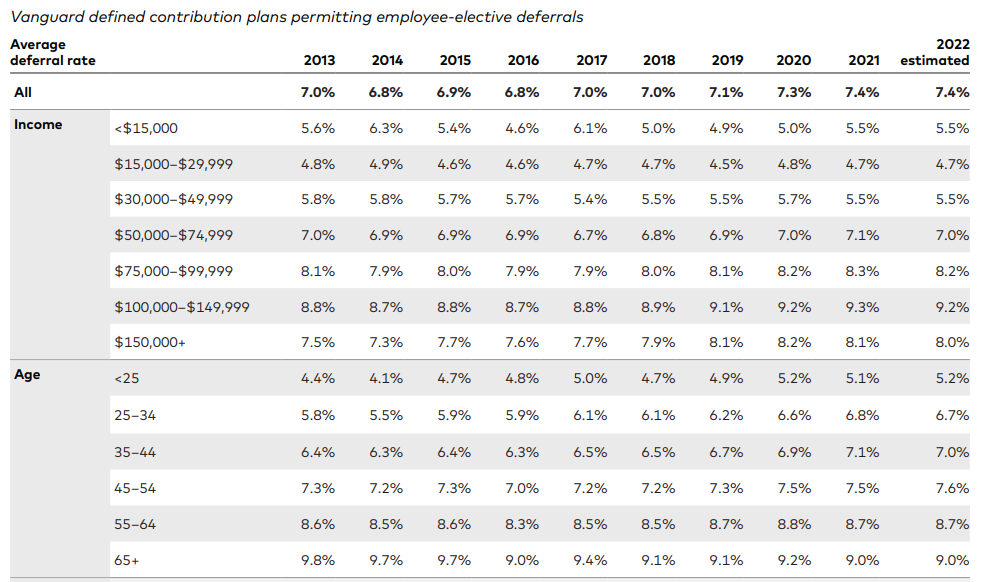
Higher-income households generally have more room to save, especially when their housing costs are manageable. Lower-income households often know exactly how to budget but lack enough income to create breathing room. This is an important distinction. Financial stress is not always caused by poor discipline. Sometimes the math simply refuses to cooperate.
Popular Saving Strategies in American Households
Many Americans use automatic transfers to move money into savings right after payday. This “pay yourself first” method works because it removes the need for heroic willpower. Willpower is useful, but it also gets tired, especially near a bakery. Automation makes saving boring, and boring is often beautiful in personal finance.
Another common strategy is separate savings accounts for different goals. One account might be for emergencies, another for travel, another for taxes, and another for a down payment. This approach helps people avoid accidentally spending money meant for something important. When every dollar sits in one checking account, it is easy to feel richer than you are. The account says, “Look at all this money!” The rent says, “Actually, most of that is mine.”
Many households also use high-yield savings accounts, certificates of deposit, money market accounts, and Treasury bills for cash they do not want exposed to stock market risk. After years of very low interest rates, higher yields made cash savings more rewarding. Still, emergency savings should prioritize safety and access over chasing the highest return.
How Americans Spend With Credit
Credit is deeply woven into American financial life. Credit cards, auto loans, student loans, mortgages, personal loans, and buy now, pay later services all shape spending behavior. Used carefully, credit can provide convenience, fraud protection, rewards, and access to major purchases. Used carelessly, it can become a very polite trap with a very rude interest rate.
Credit cards are especially common because they are easy to use and often reward spending with points, miles, or cash back. But credit card debt can become expensive quickly when balances are carried month to month. A $40 dinner can become a long-term financial souvenir if it sits on a high-interest card.
Student loans also affect how many Americans save and invest. Graduates with manageable debt may still contribute to retirement plans and build emergency funds. Borrowers with heavy payments may delay homeownership, investing, marriage, entrepreneurship, or family planning. Debt does not only cost money; it can cost flexibility.
The American Relationship With “Monthly Payments”
One major feature of U.S. consumer culture is the monthly payment mindset. Cars, phones, furniture, appliances, software, entertainment, and even some medical bills are often framed as monthly costs instead of total prices. This can make expensive purchases feel affordable. A $45 monthly payment sounds harmless until it brings twelve friends named Subscription, Insurance, Storage, Premium Plan, and Extended Warranty.
Smart consumers look at both the monthly payment and the total cost. They ask: How long will I be paying? What is the interest rate? Is this purchase helping my life enough to justify the obligation? The goal is not to avoid all payments. The goal is to avoid letting small payments quietly form a financial marching band.
How Americans Invest: Retirement Accounts Lead the Way
For many Americans, investing begins at work through a 401(k), 403(b), 457 plan, or similar employer-sponsored retirement account. These accounts are popular because they make investing automatic. Money comes out of each paycheck before it can be spent, and many employers offer matching contributions. An employer match is often described as free money, which is one of the few phrases in finance that deserves confetti.
Target-date funds are widely used in workplace retirement plans because they automatically adjust the investment mix as the investor approaches retirement. Younger workers usually hold more stocks for growth, while older workers gradually shift toward a more conservative mix. This hands-off structure helps people who want long-term investing without becoming part-time portfolio managers.
Individual retirement accounts, including traditional IRAs and Roth IRAs, are also common. Roth accounts are especially attractive to younger workers who expect their income and tax rate to rise over time. Contributions are made with after-tax dollars, but qualified withdrawals in retirement are tax-free. In plain English: pay taxes now, enjoy fewer tax headaches later.
Stock Ownership and the Wealth Gap
Stock ownership has become more accessible through retirement accounts, brokerage apps, fractional shares, and low-cost index funds. Still, participation is not equal. Higher-income households are more likely to own stocks and benefit from market growth. Lower-income households may want to invest but need cash for rent, food, repairs, or debt payments first.
This difference matters because long-term stock market returns have historically played a major role in wealth building. A household that invests consistently over decades may benefit from compounding, dividends, and market appreciation. A household that cannot afford to invest misses out on those gains, even if its members work just as hard. That is one reason wealth inequality can widen during strong market periods.
Index funds and exchange-traded funds have changed the investing landscape. Instead of picking individual stocks, many Americans now buy broad funds that track the S&P 500, total U.S. stock market, international markets, or bond indexes. This approach is low-cost, diversified, and simple enough for beginners. It does not promise excitement. That is the point. Good investing is often less “movie trailer” and more “watching paint dry while your future self applauds.”
Generational Differences in Saving, Spending, and Investing
Baby boomers, Gen X, millennials, and Gen Z often face different financial realities. Boomers are more likely to own homes and may be retired or nearing retirement. Some benefit from pensions, Social Security, home equity, and decades of market growth. Others face rising medical costs, insufficient savings, or the challenge of supporting adult children.
Gen X is often called the sandwich generation because many are helping both children and aging parents while trying to prepare for retirement. Their peak earning years can be powerful, but they also come with peak obligations: mortgages, college costs, insurance, and caregiving expenses.
Millennials entered adulthood during or after the Great Recession, often with student debt and high housing costs. Many delayed homeownership but became serious users of digital banking, investing apps, side hustles, and online financial education. Gen Z, meanwhile, started investing earlier than previous generations in many cases, thanks to mobile apps and social media. Their advantage is time; their risk is confusing viral finance content with actual financial planning.
Financial Technology Changed the Game
Americans now manage money through apps for banking, budgeting, investing, credit monitoring, taxes, payments, and shopping. Financial technology has made money more visible and more movable. A person can transfer savings, buy an index fund, split dinner, check a credit score, and apply for a loan from a phone before finishing a cup of coffee.
Convenience is powerful, but it cuts both ways. The same phone that helps someone invest automatically also makes impulse spending dangerously easy. One-click checkout is not a budgeting tool. It is a tiny trapdoor under your financial self-control.
What Americans Can Learn From Current Money Trends
The most important lesson from American financial behavior is that cash flow is king. Budgeting, saving, and investing all depend on the gap between income and expenses. When that gap is wide, financial progress feels easier. When that gap is narrow, even excellent habits may produce slow results.
A practical money system usually starts with tracking spending, building a starter emergency fund, paying down high-interest debt, capturing employer retirement matches, and gradually increasing investments. This order is not glamorous, but it works because it respects risk. Investing is important, but investing while relying on credit cards for emergencies can create a fragile foundation.
Another lesson is that lifestyle inflation is sneaky. As income rises, spending often rises too. A raise can improve life, but if every raise becomes a bigger apartment, newer car, upgraded phone, and more expensive vacation, savings may remain stuck. The trick is to enjoy some of the raise while assigning part of it to savings and investments before it disappears into “just this once” purchases.
Common Experiences: How Americans Actually Handle Money Day to Day
In real life, Americans rarely manage money in a perfectly organized way. Most people learn by bumping into problems, making adjustments, and promising themselves that next month will be the month the budget finally behaves. A common experience is the “payday high.” The paycheck arrives, the checking account looks healthy, and optimism fills the room. Then rent, utilities, insurance, groceries, subscriptions, gas, and a credit card payment march in like they own the place. By the second week, the same household may be wondering how payday was both yesterday and three years ago.
Another common experience is the emergency that exposes the budget. A car repair, dental bill, broken phone, pet illness, or surprise travel need can reveal whether a household has a real safety net. People who have even a small emergency fund often describe feeling calmer, not because the emergency is fun, but because it does not immediately become debt. The first $500 saved can feel like a financial force field. The first $1,000 can feel like a deep breath.
Many Americans also experience the emotional tug-of-war between saving and enjoying life. They want to be responsible, but they also want dinner with friends, a family vacation, birthday gifts, decent shoes, and a home that does not feel like a storage unit with Wi-Fi. This is why extreme budgeting often fails. A plan that allows no joy tends to collapse the moment someone smells pizza. A better approach is intentional spending: cut what does not matter, protect what does, and stop pretending every small pleasure is a moral failure.
Investing brings its own emotional lessons. New investors often check their accounts too frequently. When the market rises, they feel brilliant. When it falls, they wonder whether capitalism has personally betrayed them. Experienced investors usually learn that volatility is normal, diversification matters, and long-term contributions are more important than guessing the perfect day to buy. Many Americans build wealth not through dramatic stock picks, but through years of boring, automatic contributions. Boring wins more often than people expect.
Debt repayment is another deeply familiar experience. Some households use the debt snowball method, paying off the smallest balance first for motivation. Others use the avalanche method, attacking the highest interest rate first to save money. Both methods can work if they keep the borrower moving. The hardest part is not usually the math; it is staying motivated when progress feels slow. Paying down debt can feel like draining a swimming pool with a coffee mug, but every payment still lowers the waterline.
The strongest financial experiences often involve identity. People begin to see themselves as savers, investors, homeowners, debt-free families, entrepreneurs, or careful planners. That identity shift matters. Once someone believes, “I am the kind of person who saves first,” behavior becomes easier to repeat. American money habits are not just about dollars. They are about confidence, stability, choices, and the quiet satisfaction of knowing that future-you might actually send present-you a thank-you card.
Conclusion
How Americans save, spend, and invest reveals a country full of ambition, pressure, creativity, and contradiction. Americans spend heavily on housing, transportation, food, health care, and debt payments. They save for emergencies, vacations, homes, education, and peace of mind. They invest through retirement plans, brokerage accounts, index funds, real estate, and business ownership. Some are thriving, some are stretched, and many are doing both at the same time depending on the week.
The clearest path forward is not a secret formula. It is a system: spend with awareness, save automatically, avoid expensive debt when possible, invest consistently, and make financial decisions that match real life rather than internet fantasy. Money does not have to be perfect to be powerful. Small habits, repeated long enough, can turn financial chaos into financial confidence.
Note: This article is educational content based on current U.S. financial trends and public economic data. It is not personalized financial, tax, or investment advice.