Thrift stores are funny places. One aisle looks like your grandma’s attic had a yard sale with a college dorm, and the next aisle holds a piece that would cost ten times more at a boutique vintage shop. That is the magic of secondhand shopping: buried among the wobbling lamps, mystery baskets, and enough floral mugs to stock a small diner, there are genuinely valuable thrift store finds hiding in plain sight.
The trick is knowing what kind of value you are after. Sometimes it is resale value. Sometimes it is quality that would cost a fortune if bought new. Sometimes it is timeless style, the kind that makes your home look collected instead of copied from page 14 of a catalog. The best thrift store items often hit all three at once: they are useful, durable, and interesting enough to feel special.
If you want to thrift smarter, not just harder, start with six categories that consistently punch above their price tags. These are the kinds of thrift store finds seasoned shoppers, designers, and vintage lovers keep grabbing for a reason. If you see them in good condition, do not overthink it. Put them in your cart before someone else casually strolls by and says, “Oh wow, this is amazing,” while you stand there regretting your life choices.
Why Some Thrift Store Finds Are Actually Valuable
Before we get to the list, let’s define what makes something a valuable thrift store item. It is not just age. Old does not automatically mean rare, and dusty certainly does not mean expensive. Real value usually comes from one or more of these factors:
- Quality materials: solid hardwood, sterling silver, thick glass, real brass, and heavy cast iron usually age better than flimsy modern substitutes.
- Craftsmanship: dovetail joints, hand-finished details, original hardware, and signed work can all point to a piece with lasting worth.
- Collectibility: certain brands, patterns, and makers have loyal followings, especially in cookware, glassware, ceramics, and furniture.
- Versatility: the best thrifted pieces work in real life, not just in a fantasy mood board. A beautiful item you can actually use is a win.
- Condition: this is the big one. Chips, cracks, missing parts, broken wiring, and weird smells can turn a bargain into a burden.
With that in mind, here are the six thrift store treasures most worth grabbing when you spot them.
1. Solid Wood Furniture With Good Bones
If there is one category that almost always deserves a second look, it is solid wood furniture. Dressers, side tables, nightstands, buffets, dining chairs, and bookcases made from oak, walnut, mahogany, or other hardwoods often outperform brand-new furniture that looks nice online but arrives feeling suspiciously like decorative cardboard.
Why It’s Valuable
Older wood furniture was often built to survive actual human life. You will see thicker materials, sturdier joinery, real drawer construction, and hardware with character. Even when the finish looks tired, the frame underneath may still be excellent. That means you are not just buying a used piece. You are buying structure, longevity, and design presence at a fraction of replacement cost.
Midcentury and vintage furniture is especially worth watching because the proportions tend to be clean, the materials are better, and the resale market remains strong for quality pieces. A heavy, well-made side table or dresser can serve your home for years and still hold value if you later decide to sell it.
What to Check Before You Buy
- Lift it slightly. Quality wood furniture is usually heavier than particleboard pieces.
- Open the drawers. Dovetail joints are a great sign.
- Look underneath for solid wood, labels, stamps, or maker’s marks.
- Check for veneer damage, water stains, cracks, and repairs that look questionable.
- Make sure it does not wobble like it just finished leg day.
A scratched top or dated finish should not scare you off. Cosmetic flaws are often fixable. Structural flaws are where the real trouble starts.
2. Cast Iron Cookware
A thrift store cast iron pan is one of those rare finds that can be practical, collectible, and oddly emotional all at once. There is something satisfying about bringing home a skillet that has already cooked thousands of meals and still has plenty of life left. It is basically kitchen immortality with a handle.
Why It’s Valuable
Cast iron lasts an absurdly long time when cared for properly. That is why both everyday cooks and collectors love it. Vintage skillets from respected makers can be worth real money, especially when they have recognizable maker’s marks and smooth cooking surfaces. Even if you are not hunting for collector brands, a good cast iron pan can outperform many modern pans and keep going for decades.
This is also one of the easiest categories to restore. Surface rust looks dramatic, but it is not always a deal-breaker. In many cases, the pan can be cleaned, re-seasoned, and brought back into service. That is the kind of redemption story thrift shoppers adore.
What to Check Before You Buy
- Look for cracks, chips, deep pitting, or warping.
- Set the pan on a flat surface to see whether it rocks.
- Check for a visible maker’s mark or stamp on the bottom.
- Do not panic over light rust; do worry about structural damage.
If it is sound, buy it. A good cast iron skillet is one of the best-value thrift store finds around because it is both useful and built to outlive trends, fads, and probably several kitchen remodels.
3. Vintage Pyrex and Fire-King Bakeware
There are two kinds of people in the thrift store world: people who casually walk past a stack of old casserole dishes, and people whose heart rate spikes at the sight of a pastel mixing bowl. The second group is not being dramatic. They have seen what vintage Pyrex and Fire-King can do.
Why It’s Valuable
Vintage Pyrex and Fire-King sit in the sweet spot between collectible and functional. They are cheerful, durable, deeply nostalgic, and still useful if found in solid condition. Certain patterns and colors are especially sought after, and complete sets can be much more valuable than random single pieces. Even common patterns are often worth picking up because the quality and charm are hard to replicate.
Collectors love the midcentury designs, but everyday shoppers love them too. A bowl or casserole dish that looks great on open shelving and can still serve brownies or baked pasta? That is multitasking at its finest.
What to Check Before You Buy
- Inspect carefully for chips, hairline cracks, and rough edges.
- Look for clear pattern definition; dishwasher damage can make colors hazy and faded.
- Check for matching lids or companion pieces.
- Turn pieces over to inspect stamps and brand markings.
Patterns like Gooseberry, Butterprint, Friendship, and some rare promotional pieces get collectors especially excited, but even less famous finds can be worth bringing home. In thrifting terms, vintage Pyrex is the equivalent of finding a designer coat in your size with the tags still on: rare enough to thrill, common enough to hope for again.
4. Silver and Brass Serving Pieces
Tarnish scares people. That is excellent news for you. While some shoppers see a darkened tray or dingy candlestick and keep moving, experienced thrifters know that silver and brass can be some of the smartest buys in the building.
Why It’s Valuable
Silver and brass pieces bring instant polish to a room. A silver tray can dress up a coffee table, bar cart, vanity, or entry console in about five seconds flat. Brass candlesticks, napkin rings, figurines, bowls, and ice buckets also have that rare ability to make a space feel layered and expensive without trying too hard.
Some pieces carry intrinsic metal value, while others are valuable because of craftsmanship, brand, or decorative appeal. Small sterling items, picture frames, and table accessories can punch far above their thrift-store price tags. Even silverplate pieces can be worth buying if the form is great and the wear is minimal.
What to Check Before You Buy
- Search for marks such as sterling or 925 on silver items.
- Look for sets of four, six, or eight when shopping table pieces.
- Check for excessive flaking on silverplate.
- Make sure brass is not badly dented or repaired poorly.
Do not dismiss a piece because it looks dull. Often, a quick polish transforms it completely. In other words, the thrift store’s ugliest duckling may only need ten minutes and a soft cloth to become your swan.
5. Original Artwork and Signed Prints
Mass-produced wall art has its place, but it rarely makes anyone feel much of anything beyond “Well, yes, that is technically a wall.” Original artwork is different. It brings texture, personality, and the possibility that you just found something special for the price of two takeout lunches.
Why It’s Valuable
Artwork is one of the few thrift store categories where value can be financial, decorative, and emotional all at once. A signed painting, sketch, mixed-media piece, or numbered print may be one-of-a-kind or part of a limited run. Even if the artist is not famous, handmade work has depth that factory-made decor cannot fake.
Original art also gives your home individuality. That matters. A room filled with thrifted artwork feels discovered, not copied. And from a purely practical standpoint, original work is often far more affordable secondhand than new gallery-bought art.
What to Check Before You Buy
- Look for signatures, dates, labels, or gallery stickers on the front or back.
- Check for visible brushstrokes, texture, or pencil work.
- Inspect the canvas, paper, or board for water damage and mold.
- Do not ignore the back; artist info often hides there.
Buy what speaks to you, yes, but also be strategic. Landscapes, portraits, abstract works, charcoal sketches, and vintage oil paintings can all be excellent thrift store finds. If it feels handmade and memorable, it is worth a closer look.
6. Vintage Frames, Mirrors, Glassware, and Coffee Table Books
This last category is the thrift store equivalent of a sleeper hit. It may not shout at you from across the room, but it quietly delivers incredible value. Frames, mirrors, barware, decorative glassware, and beautiful old books are often inexpensive secondhand and surprisingly expensive to replace new.
Why They’re Valuable
Vintage frames and mirrors can elevate an entire room. Gilded, wooden, or unusual frames are often worth buying for the frame alone, even if the picture inside looks like it came from a motel liquidation sale. Mirrors are another smart buy because older ones are often made with better materials and more character than newer mass-market versions.
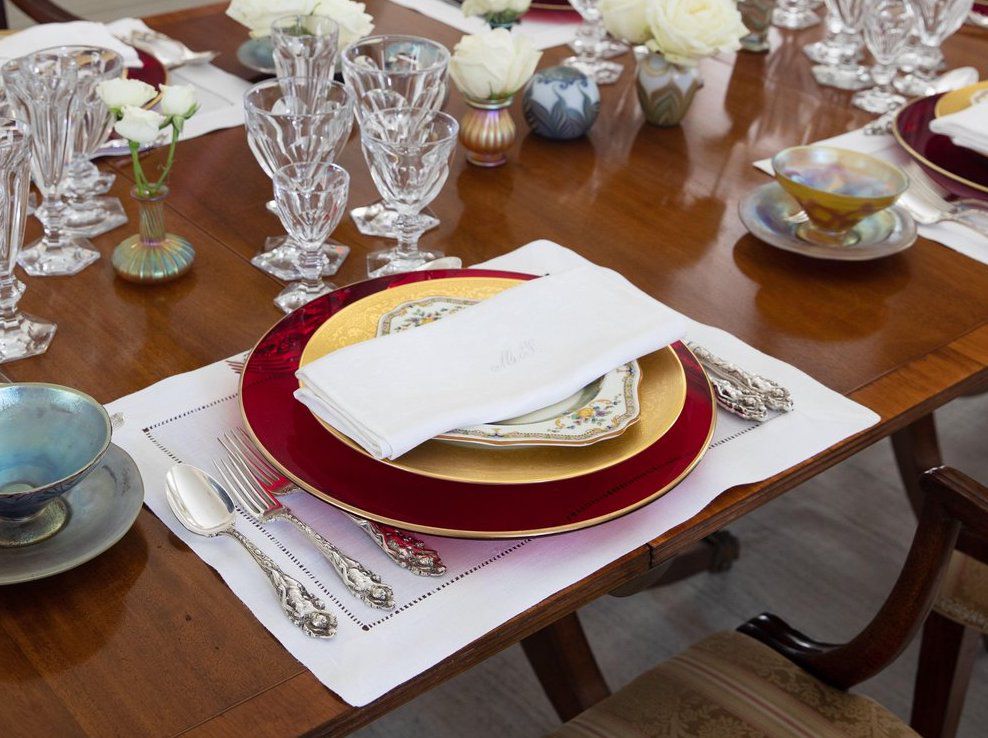
Glassware and barware also deserve attention. Midcentury glasses, decanters, candy dishes, and cocktail accessories are enjoying a major comeback. Sets are especially good finds, and collectible patterns or brands can make them even more desirable. Meanwhile, coffee table books and old design books add warmth, substance, and style for a fraction of bookstore prices. Some are out of print, which makes them even better.
What to Check Before You Buy
- For frames and mirrors, inspect corners, glass, and backing.
- For mirrors, make sure the reflective surface is not badly deteriorating.
- For glassware, check rims for chips and patterns for wear.
- For books, inspect for mold, water damage, missing pages, and overwhelming odors.
- For barware, sets usually offer the best value.
This category is where many thrift store shoppers accidentally become collectors. One old frame turns into six. One cut-glass decanter becomes a shelf of barware. One vintage design book leads to a stack that suddenly makes you look far more sophisticated than you feel while eating cereal on the couch. It happens fast.
The Experience of Learning What Not to Leave Behind
Anyone who spends enough time thrifting eventually develops a sixth sense, and it usually starts with regret. You pick up a solid wood side table, tell yourself you will think about it, wander over to the mug aisle for no good reason, and come back to find that someone else has already claimed it. Congratulations. You have just completed an important thrift store rite of passage.
That is why experience matters so much with secondhand shopping. At first, everything looks random. After a while, patterns emerge. You begin to recognize the heft of real wood before you even flip over the price tag. You notice when a frame is unusually ornate. You learn that tarnish is not the enemy, but warped furniture might be. You stop being distracted by cheap clutter and start seeing quality.
One of the most useful experiences thrifting teaches is patience. Not every trip is going to be glorious. Some days the shelves offer nothing but cracked mugs, lonely lamp shades, and a treadmill that looks emotionally exhausted. Then, on a completely ordinary Tuesday, you find a signed painting in a vintage frame, a set of six crystal glasses, and a cast iron skillet that only needs a little love. The unevenness is part of the fun. If thrift stores were consistently perfect, they would not feel like treasure hunts. They would feel like checkout lines.
Another lesson is that value is not always obvious at first glance. Beginners often look for perfection. Experienced thrifters look for potential. A scuffed dresser with dovetail drawers may be a fantastic buy. A tarnished silver tray may polish up beautifully. A dusty stack of books may include an out-of-print interior design title that would cost much more online. The goal is not to find objects that already look styled for a magazine shoot. The goal is to find objects with substance.
There is also a practical confidence that comes with repetition. The more you thrift, the faster your decision-making gets. You start taking quick inventory: Is it structurally sound? Is the material good? Is the brand promising? Is the condition acceptable? Can I use it, display it, or resell it? When the answers line up, hesitation becomes expensive. The best pieces rarely sit around waiting for long speeches and emotional processing.
And then there is the storytelling part, which is honestly half the appeal. A thrifted item always carries a little mystery. Where did that brass ice bucket live before it ended up on a crowded shelf beside a waffle maker and three ceramic ducks? Who owned the stack of travel books? Why did someone let go of that beautiful walnut side chair? You may never know, but that sense of history gives secondhand pieces a richness brand-new decor often lacks.
Perhaps the most rewarding part of the experience is how it changes your eye outside the thrift store too. You start shopping retail differently. You compare build quality. You question inflated prices. You realize how much mass-produced stuff is designed to look charming for one season and fall apart by the next. Thrifting teaches discernment, and that is valuable in itself.
So yes, finding a great thrift store item can save money. It can also make your home feel more personal, your shopping habits more thoughtful, and your weekend far more entertaining. Few errands offer the possibility of leaving with a sterling frame, a midcentury bowl, and a story worth retelling over dinner. That is why seasoned thrifters keep going back. They are not just shopping. They are scanning for overlooked value in a world that often misses it.
Final Takeaway
The best thrift store finds are not always the flashiest ones. They are the pieces with quality, usefulness, and staying power: solid wood furniture, cast iron cookware, vintage Pyrex, silver and brass accents, original art, and timeless frames, mirrors, books, and glassware. Learn the signs of value, inspect carefully, and move fast when something checks the right boxes.
Because at the thrift store, hesitation is often the most expensive thing in the building.