Note: This article is based on a synthesis of current guidance and research from reputable U.S. medical and health organizations. Direct source links are intentionally omitted for publishing convenience.
Stress has a talent for showing up uninvited. It crashes your workday, messes with your sleep, hijacks your patience, and somehow convinces your shoulders to live permanently near your ears. So it makes sense that people keep searching for simple ways to calm the nervous system without turning the living room into a wellness circus. One popular option is aromatherapy with essential oils.
But here’s the real question: Can aromatherapy with essential oils actually provide stress relief, or is it just expensive air that smells like a spa gift shop? The honest answer is more interesting than either extreme. Aromatherapy is not magic, and it is not a substitute for medical or mental health care. But for many people, it can be a helpful, low-effort tool that supports relaxation, improves the mood of a stressful moment, and makes it easier to unwind.
In other words, aromatherapy may not solve your inbox, your deadlines, or that one group chat that refuses to die. It may help you feel a bit calmer while dealing with them.
What Aromatherapy Actually Is
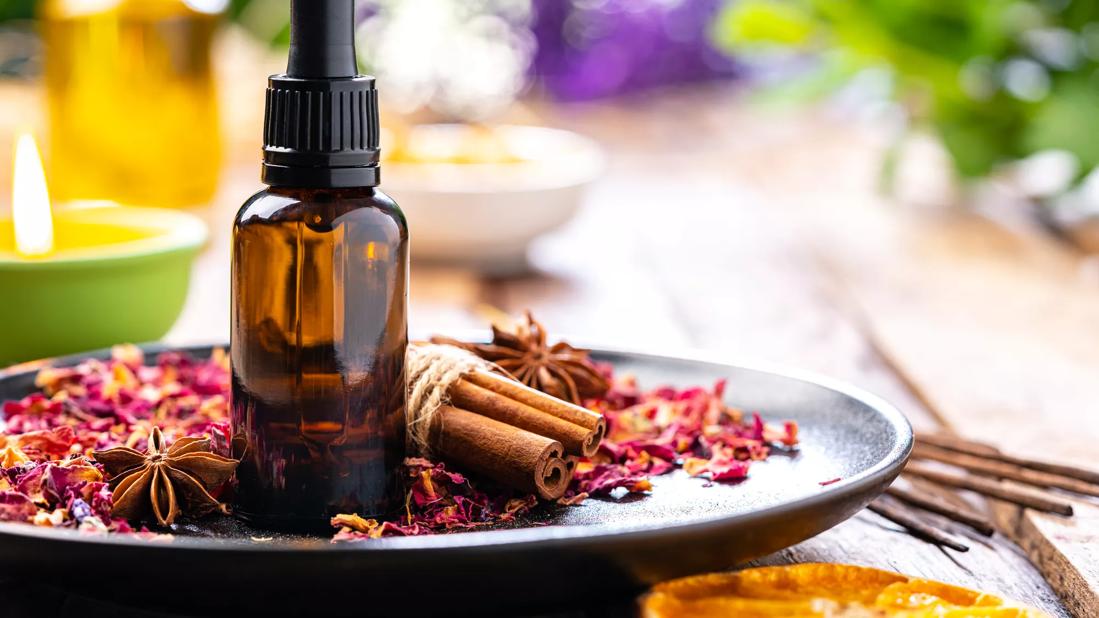
Aromatherapy is the use of concentrated plant extracts, called essential oils, for their scent and potential effect on well-being. These oils are commonly inhaled through a diffuser, steam, tissue, or simply from the bottle. Some are also used on the skin when properly diluted with a carrier oil. The key words there are properly diluted. Essential oils are highly concentrated, so using them carelessly is a bad idea dressed up as self-care.
People often reach for aromatherapy when they want to feel calmer, sleep better, create a more pleasant environment, or build a relaxation routine. Common oils used for stress relief include lavender, bergamot, chamomile, sweet orange, sandalwood, ylang-ylang, and sometimes frankincense. Some people prefer citrus scents because they feel bright and uplifting, while others want floral or woodsy scents that say, “Please leave me alone, I’m recovering from Tuesday.”
So, Can It Help With Stress Relief?
Yes, it can help some people feel less stressed, especially in the short term. That is the most reasonable, evidence-based answer.
Research and clinical guidance from major U.S. health organizations generally land in the same place: aromatherapy shows promise for relaxation, mild anxiety, and sleep support, but the science is mixed and the effects are usually modest. That means aromatherapy is best viewed as a supportive wellness tool, not a cure-all. It may take the edge off. It probably will not transform you into a perfectly regulated, glowing human who drinks water on purpose and answers emails with inner peace.
Several clinical settings have explored aromatherapy for people under stress, including hospitalized patients, people receiving cancer care, individuals dealing with sleep issues, and patients facing medical procedures. In these situations, certain scents appear to help some participants feel more relaxed, less tense, or more comfortable. Lavender is the most frequently discussed oil for calm and sleep, while bergamot and citrus oils are often associated with mood support and a lighter emotional state.
At the same time, not every study shows a strong benefit. Some trials report no meaningful change, and experts still point out that scent preferences, expectations, personal memories, and context may shape the result. That does not mean aromatherapy is fake. It means humans are complicated, and smell is tied to emotion, memory, habit, and environment in ways that are difficult to measure neatly in a lab.
Why Scent Can Affect Stress in the First Place
Your sense of smell is deeply connected to brain areas involved in memory, emotion, and behavior. That is one reason a scent can feel strangely powerful. A single whiff of lavender may remind one person of calm evenings, while lemon might feel energizing and clean to someone else. Scent does not just register as information. It often arrives with emotional baggage, for better or worse.
This matters for stress relief. When a scent is pleasant and associated with comfort, it may help shift your mental state. It can encourage slower breathing, interrupt racing thoughts, and create a ritual that signals, “We are no longer in battle mode.” That ritual alone can be valuable. Lighting a diffuser at the end of the day, taking a slow breath, dimming the lights, and stepping away from the phone is not just about the oil. It is about the full experience of downshifting.
That is also why aromatherapy often works best when paired with other calming habits. Add deep breathing, stretching, a warm shower, or a short walk, and the effect may feel stronger. Essential oils are rarely the whole story. They are often the soundtrack, not the entire movie.
Which Essential Oils Are Commonly Used for Stress Relief?
Lavender
Lavender is the all-star of the aromatherapy world. It is the scent most often linked with relaxation, better sleep, and reduced feelings of tension. If essential oils had a publicist, lavender would have the biggest contract and a suspiciously clean reputation. Many people like it because it smells soft, familiar, and calming without being too sharp.
Bergamot
Bergamot, a citrus oil, is often chosen for anxiety and stress because it feels both fresh and soothing. It can be a good pick for people who find floral scents too sleepy but still want something calming.
Chamomile
Chamomile is associated with comfort, rest, and winding down. It tends to fit nicely into bedtime routines or quiet evening rituals.
Sweet Orange or Lemon
Citrus scents can feel cheerful, clean, and mentally lighter. They may be useful when stress feels tangled up with mental fatigue, irritability, or that “I need fresh air but I’m trapped in this meeting” mood.
Sandalwood and Ylang-Ylang
These are often used in relaxation blends. Sandalwood has a grounding, woody scent, while ylang-ylang is more floral and rich. For some people, they feel luxurious and calming. For others, they smell like a dramatic candle with opinions. Your nose gets a vote.
What Aromatherapy Can Realistically Do
Aromatherapy may help with:
- Creating a sense of calm during stressful moments
- Supporting a bedtime routine and better wind-down habits
- Making breathing exercises or meditation feel easier to stick with
- Reducing the intensity of everyday tension for some people
- Improving the atmosphere of a room, which can affect mood
That last point is underrated. Environment matters. If your room smells pleasant, your lighting is softer, and your routine says “rest” instead of “doom-scroll until midnight,” your stress level may drop for reasons that are both psychological and practical.
What Aromatherapy Cannot Do
Let’s save everyone some disappointment. Aromatherapy cannot replace therapy, medication, medical evaluation, or lifestyle changes when stress is chronic, overwhelming, or linked to a mental health condition. If you are dealing with panic symptoms, severe anxiety, depression, trauma, or sleep disruption that is wrecking your daily life, essential oils should not be your only plan.
Think of aromatherapy as a supporting actor, not the lead. It may improve the scene, but it should not be carrying the whole plot on its back.
How to Use Essential Oils More Safely
Safe use matters because essential oils are potent. “Natural” does not automatically mean harmless. Poison ivy is natural too, and nobody is diffusing that on purpose.
1. Inhale First
If your goal is stress relief, inhalation is usually the simplest place to start. Use a diffuser according to its instructions, place a drop or two on a tissue, or open the bottle and take a gentle breath from a safe distance.
2. Dilute Before Skin Use
If applying to the skin, mix the essential oil with a carrier oil such as jojoba, coconut, or sweet almond oil. Never apply undiluted oil directly to large areas of skin.
3. Do Not Swallow Essential Oils
Ingesting essential oils is not a casual wellness hack. It can be dangerous. Stress relief should not come with a side quest to urgent care.
4. Patch Test First
Before broader skin use, test a small diluted amount on a small patch of skin and wait to see if irritation develops.
5. Be Careful With Sun Exposure
Some oils, especially certain citrus oils, may increase sun sensitivity when applied to the skin.
6. Use Extra Caution for Children, Pregnancy, Asthma, and Medical Conditions
Some oils may not be appropriate for children, pregnant or breastfeeding individuals, or people with respiratory conditions or medication concerns. When in doubt, ask a qualified health professional.
7. Stop If It Bothers You
If a scent causes headache, coughing, dizziness, nausea, or skin irritation, stop using it. Your body is not being “resistant to healing.” It is giving you feedback.
How to Build a Simple Stress-Relief Aromatherapy Routine
The best routine is the one you will actually use. It does not need to be complicated, expensive, or worthy of a social media montage. A simple approach often works best.
Try this:
- Pick one scent you genuinely enjoy
- Use it at the same time each day, such as after work or before bed
- Pair it with a calming habit like deep breathing, stretching, or reading
- Keep the session short and easy, around 10 to 20 minutes
- Notice how you feel afterward instead of expecting fireworks
Consistency matters more than drama. One peaceful evening routine repeated often can do more for stress than buying seven oils, three diffusers, and a bamboo tray you will regret by Friday.
Who May Benefit Most?
Aromatherapy may be especially useful for people who:
- Want a simple, non-invasive relaxation ritual
- Enjoy scent and respond strongly to sensory environments
- Need help transitioning from work mode to rest mode
- Are looking for a small wellness habit to pair with better sleep and stress management
- Prefer complementary approaches alongside standard care
It may be less useful if you dislike fragranced products, have scent-triggered headaches, or expect one whiff of lavender to undo a month of burnout. That is too much pressure for a flower.
The Bottom Line
So, can aromatherapy with essential oils provide stress relief? Yes, it can for some people, especially as part of a broader relaxation routine. The evidence suggests it may help promote calm, improve the feel of a stressful moment, and support better wind-down habits, particularly with scents like lavender, bergamot, chamomile, and citrus oils. But it is not a cure, and it is not equally effective for everyone.
The smartest way to think about aromatherapy is this: it is a useful tool, not a miracle. If a scent helps you breathe a little slower, sleep a little better, or feel a little more human at the end of a rough day, that is real value. Small relief still counts. Stress does not always need a grand solution. Sometimes it needs a softer room, a slower breath, and a scent that tells your brain the emergency is over.
Experiences People Often Describe With Aromatherapy and Stress Relief
One of the most interesting things about aromatherapy is that the experience is often personal. Two people can try the same oil and walk away with totally different opinions. One might say, “Wow, I feel calmer already,” while the other says, “Why does this smell like my aunt’s linen closet?” That does not make either person wrong. It shows how closely scent is tied to memory, preference, and emotional context.
A common experience is using lavender at night after a mentally heavy day. Someone diffuses it while changing into comfortable clothes, lowers the lights, and steps away from email. Within ten minutes, they are not magically stress-free, but they do feel less wound up. Their breathing slows. Their jaw unclenches. They stop rehearsing imaginary arguments in the shower. In this case, the aromatherapy may be helping partly through scent and partly because it marks the start of a calming routine.
Another person may prefer citrus oils in the middle of the day. When stress feels foggy instead of frantic, bright scents like lemon or sweet orange can feel mentally refreshing. The benefit is not always sedation. Sometimes it is a sense of emotional reset. A person might describe feeling lighter, more awake, or less trapped in a mental loop. That can be especially helpful during an afternoon slump when stress and fatigue start working as a team.
There are also people who use aromatherapy during short rituals rather than long self-care sessions. For example, a few slow breaths with a calming scent before a presentation, before getting into bed, or after a tense commute. These tiny moments are often where aromatherapy shines. It is portable, simple, and easy to repeat. And repeatable tools are valuable because stress rarely arrives just once. It loves sequels.
Of course, not every experience is positive. Some people find certain scents too strong, too sweet, or associated with unpleasant memories. Others get headaches from diffusers or feel annoyed by fragrance in general. This is why personal testing matters. The “best” essential oil for stress relief is not necessarily the most famous one. It is the one your brain does not interpret as an attack.
Many people also report that aromatherapy works better when they stop expecting instant transformation. The most satisfying experiences tend to come when essential oils are used as part of a realistic plan: better sleep habits, less evening screen time, small relaxation routines, and attention to overall mental health. In that setting, aromatherapy can feel less like a gimmick and more like a supportive cue that helps the body shift gears.
So the lived experience of aromatherapy is often not dramatic. It is subtle. It is the difference between feeling edgy and feeling slightly steadier. It is the gap between lying in bed annoyed and lying in bed maybe, finally, almost ready to sleep. That may sound small, but when stress has been chewing on your patience all day, small can feel pretty wonderful.
Conclusion
Aromatherapy with essential oils can provide stress relief for some people, especially when it is used safely and paired with healthy routines. It works best as a complementary tool, not a stand-alone answer to serious stress or anxiety. If you enjoy scent, respond well to calming rituals, and want a simple way to make stressful moments feel more manageable, aromatherapy may be worth trying. Just keep your expectations realistic, your oils diluted, and your skepticism healthy. Relaxation should smell nice, not suspicious.