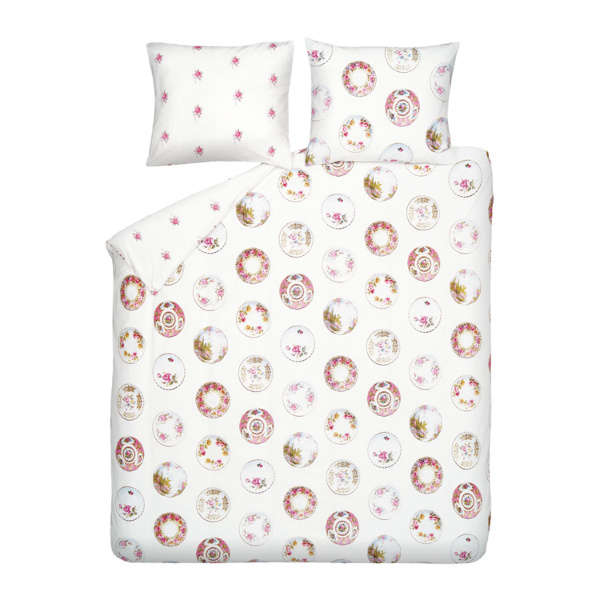
“Pink porcelain” is the bedding color equivalent of ordering a strawberry latte and realizing it tastes… grown-up.
It’s soft and blushy, but with that glazed, polished undertone that reads calm instead of candy.
If you want a bedroom that feels soothing, a little romantic, and not like a bubblegum explosion,
a pink porcelain duvet cover can be the sweet spot.
This guide breaks down how to choose the right fabric, weave, and features (corner ties, closures, sizing) and how to style
the shade so it looks modern, elevated, and easy to live withbecause your bedding should help you sleep,
not become your part-time job.
What “Pink Porcelain” Means (And Why It Looks Expensive)
It’s a tone, not a neon statement
“Pink porcelain” usually sits in the blush-to-dusty-rose family, but it’s muted with a creamy or grayish base
like the tint you’d see in fine ceramic or a pale rose petal pressed in a book.
The result: a pink that behaves like a neutral. It plays nicely with whites, warm woods, and soft grays,
and it doesn’t scream “theme room.”
Light changes everything
In daylight, pink porcelain often looks airy and barely-there. Under warm lamps, it can lean peachy.
Under cool LEDs, it may read more like dusty rose. If you’re picky (and bedding shoppers tend to be),
check photos in multiple lighting conditions andwhen possibleorder a swatch.
Your bedroom lighting is basically the director of photography here.
Why it works in so many styles
Pink porcelain can look minimalist with crisp white sheets, cozy with linen texture, and luxe with sateen sheen.
It’s equally happy in a modern bedroom with black accents, a soft “hotel” setup with layered neutrals,
or a vintage-inspired space with brass and warm wood.
Pick Your Fabric First (Because Color Can’t Save Scratchy Bedding)
Cotton percale: crisp, cool, “fresh sheets” energy
Percale is known for a breathable, lightweight feel and a matte finish. If you like that cool-to-the-touch,
hotel-sheet vibe, a percale pink porcelain duvet cover looks clean and tailored.
It also tends to be a favorite for hot sleepers or warm climates.
Cotton sateen: smoother, drapier, slightly warmer
Sateen feels silkier and looks a touch shinier because of how it’s woven.
If you want pink porcelain to read more “luxe” than “linen closet,” sateen is a strong match.
It generally drapes beautifully, which is helpful if you love that softly puddled bed look.
Linen: textured, airy, and it gets better with time
Linen duvet covers have a relaxed, rumpled look that makes pink porcelain feel effortlessly chic.
Linen is breathable and durable, but it can feel a bit crisp at firstthen softens with washing and use.
If you like bedding that looks styled even when it’s slightly imperfect, linen is your friend.
Tencel/lyocell (often eucalyptus-based): smooth and cooling
Lyocell-based fabrics are popular for their silky feel and moisture management.
In pink porcelain, they can look very refinedalmost like a soft watercolor.
If you want a cooler, drapier feel without cotton’s crispness, this is worth considering.
Microfiber and blends: budget-friendly, with tradeoffs
Microfiber can feel very soft right away and is often wrinkle-resistant, but it may trap more heat and
can be more prone to static or that “clingy” feel. If you run warm, prioritize breathability
and pay attention to reviewer notes about temperature.
Weave and Thread Count: Don’t Let Big Numbers Boss You Around
Thread count is easy to market and hard to use as a reliable quality shortcut. Two duvet covers can share a number
and still feel totally different depending on fiber quality, weave, and finishing.
In general, percale tends to feel great in moderate thread counts, and sateen often sits higher.
Instead of chasing the biggest number, look for details like long-staple cotton, reputable manufacturing,
and consistent reviews about softness and durability.
Think of it like cookies: “more chocolate chips” sounds great until you realize the cookie is mostly chips and no dough.
Balance matters.
Details That Make a Duvet Cover Feel Like a Win (Not a Weekly Wrestling Match)
Corner ties and loops: the secret to a neat bed
Corner ties help secure the duvet insert so it doesn’t migrate into a sad lump at the bottom by day three.
Some covers have ties in all four corners; better ones may include additional ties along the sides.
If your insert has loops, match them with the cover’s ties for a snug fit.
If you’ve ever shaken a duvet like a maraca to fix the filling, you already understand why this matters.
Closure type: buttons, snaps, or zippers
Buttons look classic but can be slower to close. Zippers are fast and tidy, but you’ll want to zip fully before washing
to reduce snags. Snaps fall somewhere in between.
If you hate fussy tasks, choose the closure you’ll actually use without sighing dramatically.
Size and brand fit: “Queen” isn’t always the same queen
Dimensions vary between brands, even when they’re labeled the same size.
For the best fit (and less shifting), compare the duvet cover’s measurements to your insert.
If your insert is lofty, consider sizing up for a fuller lookjust confirm your cover dimensions first.
How to Style a Pink Porcelain Duvet Cover Without Going Full Cupcake
Pair it with calm neutrals for a modern look
- White or ivory sheets: crisp, fresh, and makes pink porcelain look lighter and brighter
- Oatmeal or sand tones: warm and cozy, especially with linen texture
- Soft gray: adds contrast and makes the pink feel more contemporary
Add one “grounding” color
Pink porcelain shines when it has a counterweight. Try:
- Charcoal or black accents (lamp base, frame, side table) for a modern edge
- Navy for a tailored, classic contrast
- Sage or olive for a quiet, botanical feel
- Terracotta if you want warmth without making the room feel sweet
Mix textures so the color feels layered
A pink porcelain duvet cover can read flat if everything else is smooth. Layer in texture:
a chunky knit throw, a quilted blanket at the foot of the bed, matelassé shams, or a boucle pillow.
Texture is the easiest way to make a soft color look intentionally designed instead of “I picked this at 1 a.m.”
Patterns that play nicely with pink porcelain
- Thin stripes: adds structure (especially in gray, taupe, or muted navy)
- Micro-florals: romantic but not loud if the palette stays muted
- Gingham: charming and clean, especially in beige or soft gray
- Abstract neutrals: keeps the look modern and artsy
Care and Longevity: Keep Pink Looking Polished
Wash like you’re trying to keep the fabric friends with itself
Most quality duvet covers are machine washable, but gentler habits help them look better longer:
wash with like colors, use mild detergent, and avoid harsh bleach (which can weaken fibers and mess with dyes).
Turning the cover inside out can reduce surface abrasion.
Before washing, close zippers or fasten buttons so they don’t snag other items.
Drying: low drama is the goal
Line drying is great when possible, but tumble drying on low is common for cottons.
Pull the cover out promptly to reduce wrinkles. If you love a crisp finish, a quick warm iron or steamer can help
but if you chose linen, wrinkles are basically part of the personality (and honestly, they’re kind of charming).
Prevent fading and pilling
Pink porcelain is usually a soft dye, so it benefits from gentle care:
avoid overloading the washer, skip overly hot cycles, and don’t treat your duvet cover like a bath mat.
If you share your home with pets, smoother weaves can show fewer snags, while more textured fabrics may hide fur better.
(No fabric can defeat a golden retriever at peak shedding, but we can try.)
Health, Safety, and Sustainability: The Labels Worth Noticing
OEKO-TEX® STANDARD 100
OEKO-TEX® STANDARD 100 certification indicates a textile has been tested for harmful substances.
Depending on the product, this can include components beyond just the fabric (like threads and closures).
If you’re sensitive to smells, dyes, or finishes, this label can be a helpful signal.
GOTS (Global Organic Textile Standard)
If organic matters to you, GOTS is widely considered a high bar for organic textiles because it addresses
both the fiber content and processing requirements.
Look for clear certification claims rather than vague phrases like “eco-friendly” or “natural.”
Practical sustainability questions to ask
- Is the fabric certified (OEKO-TEX, GOTS) or just described with marketing adjectives?
- Where is it made, and does the brand share anything about factories or standards?
- What’s the return policy if the color reads differently at home?
- Does the cover have durable stitching and secure closures?
Shopping Checklist for a Pink Porcelain Duvet Cover
- Fabric: percale (crisp), sateen (smooth), linen (textured), lyocell (drapey/cooling)
- Corner ties: at least four; more is a bonus
- Closure: zipper for speed, buttons for classic look
- Measurements: match your insert (don’t rely on “Queen” alone)
- Color description: “blush,” “dusty rose,” “porcelain,” “shell,” “petal” (then verify via photos)
- Care: machine wash instructions that fit your real life
- Certifications: OEKO-TEX and/or GOTS if priorities include safety/organic
Who Pink Porcelain Works Best For
A pink porcelain duvet cover is a strong pick if you want:
- A calming bedroom that still has personality
- A color that’s flattering year-round (not too bright in summer, not too icy in winter)
- A “soft neutral” that pairs with warm woods, brass, black accents, and natural textures
- Something cozy without being loudromantic, but not a rom-com set design
Real-World Experiences With a Pink Porcelain Duvet Cover (Extended)
People don’t fall in love with duvet covers in a storethey fall in love after a few weeks of real life:
laundry day, late-night snack crumbs, pets treating the bed like a stage, and the occasional “I’ll fold it later”
moment that turns into “It’s been three days and we live here now.”
Here are common, experience-based patterns shoppers and sleepers often mention when living with a pink porcelain look.
First impression: Pink porcelain tends to surprise people in a good way. In photos it can look like “pink,”
but in person it often reads softer and more neutralespecially when paired with white sheets.
Many find it makes the room feel brighter without feeling sterile, like adding candlelight without lighting a candle.
If your walls are warm white or greige, pink porcelain can blend seamlessly; if your walls are stark cool white,
the pink may look a little rosier by contrast (still pretty, just different).
Daily usability: The shade is typically forgiving. It doesn’t show every lint speck the way black does,
and it doesn’t spotlight tiny wrinkles as dramatically as bright white can.
That said, very pale blush tones may show makeup transfer or self-tanner residue more than darker colors.
A simple habit many people adopt: keep the pillowcases slightly deeper (like a muted rose or taupe) if makeup is a daily thing,
and let the duvet cover stay in that airy pink porcelain range.
Fabric “behavior” over time: Percale often starts crisp and becomes softer after a few washes,
which people describe as a “hotel sheet break-in period.” Sateen tends to feel smooth quickly and looks slightly more polished,
but some notice it can hold onto heat a bit more than percale.
Linen is the slow-burn romance: it can feel textured at first, then turns into that lived-in softness people rave about.
A common theme is that higher-quality fabrics (long-staple cotton, well-made linen) keep their hand-feel longer,
while cheaper blends can feel great at first and then start to pill or lose that “new bedding” vibe.
The duvet insert struggle (and how it changes your opinion fast): When a cover has solid corner ties,
people report the bed looking better with less effortbecause the insert stays evenly distributed.
Without ties, the insert can bunch up, and suddenly you’re doing duvet gymnastics on a Tuesday morning.
Those who learn the “burrito method” (rolling the insert inside the cover, then unrolling it into place) often say it’s a game-changer,
turning what used to be a two-person task into something manageable solo.
Laundry and color confidence: Most people who are happy long-term treat pink porcelain gently:
cool or warm (not hot) washes, mild detergent, and avoiding harsh bleaching agents.
They also tend to wash it with similar colors rather than tossing it in with “mystery reds” and hoping for the best.
Over time, soft pinks can fade slightly, but many actually like that because it pushes the color closer to a quiet neutral.
If you want the tone to stay more saturated, low heat drying and shorter wash cycles often get mentioned as helpful habits.
Styling wins that keep showing up: A surprisingly popular pairing is pink porcelain with
warm, earthy accentsthink oatmeal knits, caramel leather (like a chair or headboard), or walnut nightstands.
Another repeat favorite is pairing it with black details (frames, lamps, hardware) to make the pink look modern.
People also love how this shade photographs: it reads soft and cozy without turning the room into a pink filter.
In other words, it’s the kind of color that makes the bed look “done” even when you didn’t do that much.
Conclusion
A pink porcelain duvet cover is a smart choice when you want softness without sweetness,
warmth without heaviness, and style without constant fuss.
Focus on fabric and construction first (breathability, weave, ties, closure), then let color be the finishing touch.
Done right, pink porcelain gives you a bed that feels calm, inviting, and quietly elevatedlike your bedroom got a glow-up
and didn’t even brag about it.