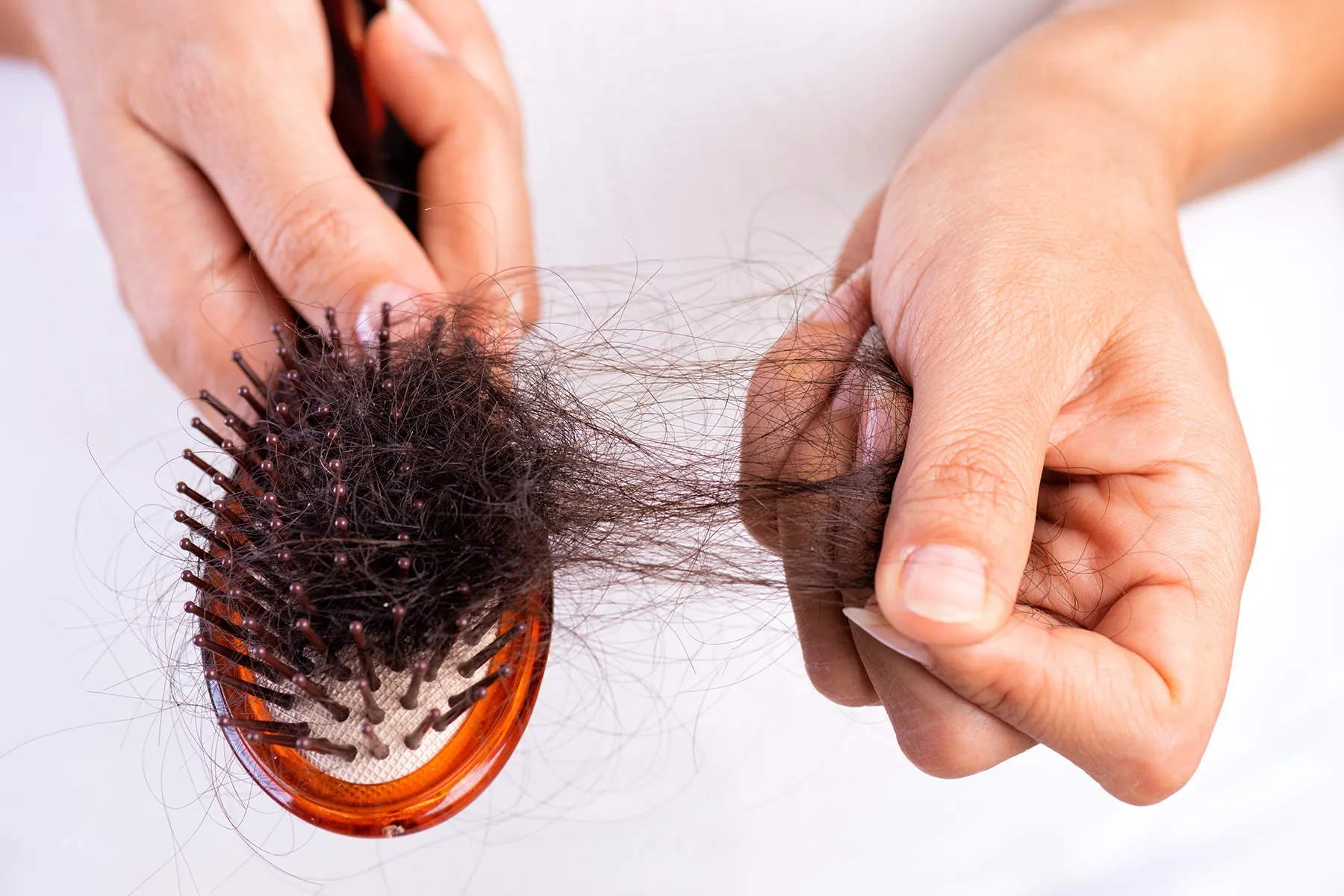
Hair loss has a way of announcing itself at the least convenient moments: in the shower drain, on your pillowcase, inside your favorite hoodie, or wrapped around your hairbrush like it is trying to start a tiny rebellion. Before panic enters the chat, here is the good news: hair shedding is not always permanent, and “alopecia” is not one single condition. It is a broad medical term for hair loss, and the cause can range from genetics to stress, hormones, autoimmune activity, hairstyles, medications, infections, nutritional gaps, or inflammation of the scalp.
Understanding the types of alopecia is the first step toward knowing what may be happening and what to do next. Some forms of hair loss are temporary and reversible. Others need early treatment to prevent permanent thinning. The trick is not to blame the shampoo immediately, fire your hairstylist dramatically, or buy every “miracle” gummy online. The smarter move is to learn the pattern, timing, symptoms, and possible triggers behind the shedding.
This guide breaks down the most common causes of thinning hair, explains how different types of alopecia behave, and offers practical examples so you can understand what deserves patience, what deserves a dermatologist, and what deserves being gently escorted out of your routine.
What Is Alopecia?
Alopecia means hair loss. It can affect the scalp, eyebrows, eyelashes, beard area, or body hair. It may appear as gradual thinning, sudden shedding, round bald patches, a widening part, a receding hairline, or areas where the scalp becomes shiny and scarred.
Dermatologists often divide alopecia into two major categories: non-scarring alopecia and scarring alopecia. In non-scarring alopecia, the hair follicle is usually still alive, which means regrowth may be possible. In scarring alopecia, inflammation damages and replaces hair follicles with scar tissue, making hair regrowth much harder or impossible in advanced areas.
The difference matters. A little seasonal shedding may simply need time and better nutrition. A painful, itchy, burning scalp with spreading bald areas needs medical attention much sooner. Hair follicles are not drama queens, but they do have deadlines.
Common Types of Alopecia and Hair Loss
1. Androgenetic Alopecia: Male and Female Pattern Hair Loss
Androgenetic alopecia is the most common cause of hair loss. It is also known as male pattern baldness or female pattern hair loss. This type usually develops slowly and is strongly influenced by family history, age, and sensitivity to androgens, including dihydrotestosterone, often shortened to DHT.
In men, androgenetic alopecia often begins with a receding hairline, thinning at the temples, or a bald spot at the crown. In women, it more commonly shows up as diffuse thinning over the top of the scalp or a widening part, while the frontal hairline may remain mostly intact. The hair does not usually fall out all at once. Instead, follicles gradually shrink, producing finer, shorter hairs over time. Think of it as hair switching from “full orchestra” to “one violin in the back row.”
Pattern hair loss can be managed, especially when addressed early. Treatments may include topical minoxidil, prescription medications, low-level laser therapy, platelet-rich plasma, or hair transplantation in selected cases. The best treatment depends on sex, age, medical history, pregnancy plans, and the severity of thinning.
2. Alopecia Areata: Autoimmune Patchy Hair Loss
Alopecia areata is an autoimmune condition in which the immune system mistakenly attacks hair follicles. It often causes smooth, round or oval patches of hair loss on the scalp, beard area, eyebrows, eyelashes, or other parts of the body. Some people develop one small patch that regrows. Others experience recurring patches or more extensive hair loss.
There are several forms of alopecia areata. Patchy alopecia areata causes one or more coin-sized bald spots. Alopecia totalis refers to complete or nearly complete loss of scalp hair. Alopecia universalis describes complete or nearly complete hair loss on the scalp, face, and body.
One frustrating feature of alopecia areata is unpredictability. Hair may regrow without treatment, then shed again later. Treatments may include corticosteroid injections, topical steroids, topical immunotherapy, or newer oral JAK inhibitors for severe cases. Because this is an immune-related condition, it is best evaluated by a dermatologist rather than by a bathroom mirror and a search engine at 1 a.m.
3. Telogen Effluvium: Stress-Related Hair Shedding
Telogen effluvium is one of the most common causes of sudden hair shedding. It happens when a physical or emotional stressor pushes more hairs than usual into the resting, shedding phase of the hair cycle. The shedding often begins two to three months after the trigger, which is why people frequently say, “But I felt fine when this started!” Hair follicles, apparently, send delayed invoices.
Common triggers include high fever, major illness, surgery, childbirth, rapid weight loss, restrictive dieting, severe emotional stress, thyroid imbalance, medication changes, or nutritional deficiencies. Instead of clear bald patches, telogen effluvium usually causes diffuse shedding across the scalp. You may notice extra hair in the shower, on your pillow, or in your brush.
The encouraging part: telogen effluvium is often temporary. Once the trigger is corrected, shedding usually slows and new growth appears over several months. However, chronic shedding can happen, especially when the underlying cause continues. Blood tests may be useful to check thyroid function, iron levels, vitamin D, and other possible contributors.
4. Anagen Effluvium: Rapid Hair Loss During the Growth Phase
Anagen effluvium is rapid hair loss that occurs when something disrupts hairs during the active growth phase. It is most commonly associated with chemotherapy, radiation therapy, or exposure to certain toxins. Because most scalp hairs are normally in the growth phase, anagen effluvium can cause dramatic shedding over a short period.
This type of hair loss can be emotionally difficult because it may happen quickly and visibly. In many cases related to chemotherapy, hair begins to regrow after treatment ends, though texture, color, or curl pattern may temporarily change. A person who once had straight hair may suddenly meet “chemo curls,” proving that hair follicles sometimes return from vacation with a new personality.
5. Traction Alopecia: Hair Loss from Pulling and Tension
Traction alopecia is caused by repeated pulling on the hair follicles. Tight ponytails, buns, braids, cornrows, locs, extensions, weaves, rollers worn overnight, and tightly secured head coverings can all contribute, especially when the same area is under tension again and again.
Early traction alopecia may cause tenderness, bumps, broken hairs, or thinning along the hairline, temples, or above the ears. If the tension stops early, regrowth may be possible. If the pulling continues for years, follicles can become permanently damaged.
The solution is not to abandon style. It is to rotate styles, reduce tension, avoid pain as a beauty standard, and give the hairline regular breaks. A hairstyle should not feel like it is negotiating a hostage situation with your scalp.
6. Central Centrifugal Cicatricial Alopecia: A Scarring Hair Loss
Central centrifugal cicatricial alopecia, often called CCCA, is a scarring form of hair loss that usually begins at the crown of the scalp and spreads outward. It is seen most often in Black women, although it can affect others. Symptoms may include thinning, breakage, tenderness, itching, burning, flaking, or bumps on the scalp.
CCCA is important because it can become permanent if not treated early. The exact cause is not fully understood, but genetics, inflammation, autoimmune factors, and certain hair-care practices may play a role. Treatment focuses on reducing inflammation, stopping progression, and protecting remaining follicles. A dermatologist may recommend topical or injected corticosteroids, anti-inflammatory medications, medicated shampoos, or changes in styling routines.
7. Tinea Capitis: Fungal Infection of the Scalp
Tinea capitis, also called scalp ringworm, is a fungal infection that can cause patchy hair loss, scaling, itching, redness, broken hairs, and sometimes swollen lymph nodes. It is more common in children but can affect adults. Despite the name, no actual worms are invited to this party. The term “ringworm” refers to the ring-like rash that fungal infections can create.
This condition needs medical treatment, usually with oral antifungal medication. Shampoos may help reduce spread but are typically not enough on their own. Because tinea capitis can spread through combs, hats, pillows, and close contact, early diagnosis protects both the patient and everyone sharing the bathroom shelf.
8. Trichotillomania: Hair Pulling Disorder
Trichotillomania is a body-focused repetitive behavior that causes a person to pull out hair from the scalp, eyebrows, eyelashes, or other areas. Hair loss may appear uneven, with broken hairs of different lengths. This condition is not a “bad habit” or a character flaw. It is a mental health-related condition that can improve with compassionate care.
Treatment may include cognitive behavioral therapy, habit reversal training, stress-management strategies, and support from mental health professionals. Shame tends to make trichotillomania worse; practical help and kindness tend to work much better.
What Causes Thinning Hair?
Genetics and Family History
If many relatives have thinning hair, your follicles may have inherited the family newsletter. Genetic sensitivity to hormones is a major driver of androgenetic alopecia. This does not mean you are powerless, but it does mean early treatment matters. Waiting until the scalp has become highly visible can limit the options.
Hormonal Changes
Hormones influence the hair cycle. Hair loss can occur after childbirth, during perimenopause or menopause, after stopping birth control pills, or with conditions such as polycystic ovary syndrome. Thyroid disease can also cause shedding or thinning. When hair loss appears along with fatigue, weight changes, irregular periods, acne, or changes in body hair, medical evaluation is especially useful.
Stress, Illness, and Surgery
Severe stress does not usually make hair fall out overnight, but it can trigger telogen effluvium weeks or months later. High fever, infections, emotional trauma, hospitalization, and surgery can all shift the hair cycle. This is why someone may recover from the flu, celebrate feeling normal again, and then find the shower drain looking like a small woodland creature moved in.
Nutrition and Restrictive Dieting
Hair is not essential for survival, so when the body senses low fuel, it may redirect resources away from hair growth. Low protein intake, iron deficiency, vitamin D deficiency, zinc deficiency, eating disorders, crash diets, and rapid weight loss can all contribute to shedding. Supplements help only when a deficiency exists. Taking random mega-doses of vitamins is not a hair strategy; it is an expensive way to make your cabinet crowded.
Medications and Medical Treatments
Some medications can contribute to hair shedding, including certain retinoids, blood pressure medications, anticoagulants, antidepressants, anti-seizure medications, and cancer treatments. Never stop a prescribed medication without talking to a healthcare professional. Instead, ask whether the timing of hair loss fits a medication change and whether alternatives exist.
Scalp Inflammation and Skin Conditions
Inflammation can interfere with healthy hair growth. Psoriasis, seborrheic dermatitis, lupus, lichen planopilaris, folliculitis, and fungal infections can all affect the scalp. Warning signs include itching, burning, pain, scaling, redness, pustules, crusting, or shiny scarred patches. These symptoms deserve attention because treating inflammation early can protect follicles.
Hair Practices and Chemical Damage
Bleaching, frequent heat styling, harsh chemical treatments, tight hairstyles, aggressive brushing, and rough detangling can cause breakage or traction-related loss. Breakage is not the same as follicle-level hair loss, but the two can overlap. If the hair is snapping mid-shaft, you may see short pieces rather than full-length hairs with bulbs at the end.
How to Tell Shedding from Breakage
Hair shedding usually involves full strands that come from the root, sometimes with a small white bulb at one end. Breakage creates shorter pieces without a root bulb. Shedding suggests a hair-cycle issue, such as telogen effluvium or pattern hair loss. Breakage suggests shaft damage from dryness, heat, chemicals, friction, or rough styling.
Both can make hair look thinner. For example, a person may have postpartum telogen effluvium and also bleach damage. That is why a correct diagnosis matters. Treating breakage with minoxidil will not repair fried ends, and treating genetic thinning with conditioner alone is like bringing a throw pillow to a plumbing emergency.
When Should You See a Dermatologist?
See a dermatologist or healthcare provider if hair loss is sudden, patchy, painful, itchy, scaly, spreading, or emotionally distressing. You should also get evaluated if you notice bald patches, eyebrow or eyelash loss, pus, redness, scalp tenderness, a rapidly widening part, or shedding that lasts more than a few months.
A dermatologist may examine the scalp, perform a pull test, use dermoscopy, order blood work, review medications, ask about recent illness or stress, or recommend a scalp biopsy. The goal is not just to name the hair loss but to identify the reason behind it. “Hair loss” is a symptom; the diagnosis is the map.
Practical Ways to Support Healthier Hair
Be Gentle with Styling
Choose looser hairstyles, avoid pain or tightness, rotate where ponytails or buns sit, use soft hair ties, and reduce heat when possible. Detangle slowly, especially when hair is wet and more fragile. Protective styling should actually protect, not quietly tax the follicles every day.
Eat Enough Protein and Key Nutrients
Hair is made largely of keratin, a protein. A balanced diet with adequate protein, iron, zinc, vitamin D, and healthy fats supports growth. If you are vegan, vegetarian, dieting, postpartum, or dealing with heavy periods, ask a clinician whether testing for iron or other deficiencies makes sense.
Do Not Chase Every Trend
Hair growth oils, gummies, scalp massagers, and viral serums may sound exciting, but evidence varies widely. Some products improve scalp comfort or reduce breakage, while others simply smell like ambition. For true alopecia, evidence-based treatments and diagnosis matter more than trendy packaging.
Give Treatments Enough Time
Hair grows slowly. Many treatments require three to six months before visible improvement, and pattern hair loss treatments may need ongoing use to maintain results. Taking photos under the same lighting once a month can help you track changes more accurately than daily mirror inspections, which are emotionally exhausting and scientifically useless.
Real-Life Experiences with Hair Loss and Thinning Hair
Hair loss is medical, but it is also personal. People do not usually worry about follicles in the abstract. They worry when their part looks wider in a selfie, when a barber pauses a little too long at the crown, when a ponytail feels half its usual size, or when a child asks a brutally honest question in the cereal aisle. The emotional side of alopecia is real, and it deserves as much respect as the clinical side.
One common experience is the “three-month mystery.” A person goes through a major stressor, such as surgery, childbirth, a high fever, a breakup, a demanding work season, or rapid weight loss. Life calms down. Then, months later, hair starts shedding everywhere. The person changes shampoo, buys expensive masks, and wonders whether the water filter has betrayed them. In many cases, the pattern fits telogen effluvium. Once the trigger is identified, the solution may involve patience, nutrition, stress recovery, and time rather than panic shopping.
Another familiar story is gradual thinning that sneaks in quietly. There is no dramatic shower scene, no sudden bald patch, just a part that looks wider than last year and a scalp that appears more visible under bright lights. This often leads people to blame aging, but androgenetic alopecia may be involved. Early action can make a meaningful difference. The experience can feel unfair, especially when one sibling inherited thick hair and another inherited the family’s sensitive follicles. Genetics can be generous in some departments and extremely rude in others.
Patchy hair loss brings a different kind of shock. Someone may notice a smooth round spot while styling their hair or shaving their beard. Because alopecia areata can appear suddenly, it often creates anxiety. People may wonder whether they did something wrong, whether the spot will spread, or whether hair will return. Many cases are manageable, and some regrow, but the unpredictability can be emotionally draining. Support groups, dermatology care, and honest conversations with family or friends can help reduce the isolation.
Traction alopecia often comes with mixed feelings because hairstyles are connected to culture, identity, convenience, and beauty. Telling someone simply to “stop wearing that style” is not always sensitive or realistic. A better approach is to reduce tension, alternate styles, avoid long-term pulling, and work with stylists who understand scalp health. Comfort matters. If a style hurts, causes bumps, or makes the hairline feel sore, the scalp is not being dramatic; it is filing a complaint.
People with scarring alopecia, including CCCA, often describe frustration over delayed diagnosis. They may be told it is simple breakage or stress when inflammation is silently damaging follicles. This is why symptoms such as burning, tenderness, itching, scaling, or crown-centered thinning should not be ignored. Early treatment can help preserve remaining hair and reduce progression.
The most helpful experience many people eventually have is realizing that hair loss is not a personal failure. It is not proof of poor hygiene, laziness, vanity, or weakness. It is a health signal with many possible causes. The path forward may involve a dermatologist, lab tests, medication, gentler styling, nutrition changes, mental health support, or simply time. The goal is not always perfect hair. Sometimes the goal is clarity, control, confidence, and fewer emotional negotiations with the shower drain.
Conclusion
Hair loss can be temporary, progressive, autoimmune, genetic, stress-related, infection-related, or caused by styling tension and inflammation. The most important step is identifying the type. Androgenetic alopecia usually appears gradually in a pattern. Alopecia areata often creates smooth patches. Telogen effluvium causes sudden diffuse shedding after a trigger. Traction alopecia follows repeated pulling. Scarring alopecias require early medical care because follicle damage may become permanent.
If your hair is thinning, do not assume the worst, but do not ignore clear warning signs either. Track the pattern, consider recent health changes, treat your scalp gently, and get professional help when shedding is persistent, painful, patchy, or stressful. Hair may be emotionally loaded, but the plan should be practical: diagnose the cause, protect the follicles, and choose treatments based on evidence rather than fear.
Note: This article is for educational purposes only and should not replace diagnosis or treatment from a licensed dermatologist or healthcare professional.