Instagram has given the world many beautiful things: vacation sunsets, tiny cafés with suspiciously perfect foam art, dogs wearing sweaters, and friends who somehow look “casual” while standing in golden-hour lighting with a professional-grade wind machine called “the weather.” But it has also given us another modern masterpiece: the photo so edited that the background tiles bend like they are auditioning for a science-fiction movie.
That is why online communities dedicated to “Instagram reality” have become so addictive. People gather to spot, dissect, and sometimes reverse-engineer fake Instagram pics, exposing how a waist became smaller, a jawline became sharper, a hotel room became a private jet, or a beach day became a luxury campaign with the help of editing apps, filters, and a generous disregard for physics.
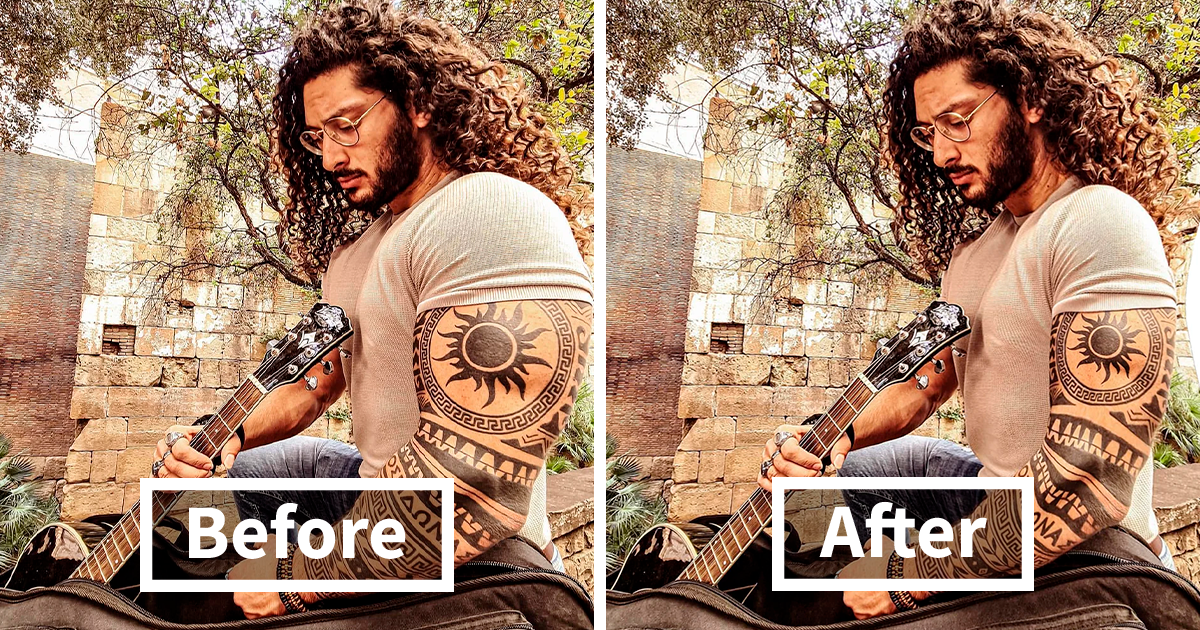
The viral idea behind “50 People Reverse-Engineered Fake Instagram Pics And Dropped Their Edits In This Group” is simple but powerful: instead of just laughing at over-edited photos, internet users try to understand how the illusion was made. They compare shadows, warped walls, mismatched reflections, smooth skin, stretched limbs, cloned crowds, and lighting that changes its mind halfway across the image. The result is part comedy, part digital literacy lesson, and part public service announcement: not everything glowing on your feed is real, and sometimes even the glow has been retouched.
Why Fake Instagram Pics Became So Common
Fake Instagram pics did not appear overnight. They grew out of a platform culture where attention is currency, beauty is rewarded, and a single post can become a résumé, advertisement, dating profile, travel diary, and personal brand billboard all at once. When likes, saves, shares, and sponsorship opportunities depend on looking impressive, some users feel pressure to polish reality until it no longer looks like reality at all.
At first, photo editing was simple: brighten the picture, increase contrast, smooth a blemish, maybe add a filter that made a sandwich look like it had achieved spiritual enlightenment. Then editing tools became more advanced. Apps could slim bodies, reshape faces, erase wrinkles, whiten teeth, change skies, add makeup, remove people, generate backgrounds, and create the type of skin texture usually found only on porcelain dolls and low-budget video game characters.
Today, Instagram photo editing can range from harmless color correction to full digital reconstruction. A creator might adjust lighting to make a room feel warmer. Another might subtly reshape their face. Another might build an entire lifestyle fantasy: rented cars, staged luxury, fake vacations, paid followers, and captions about “grindset energy” posted from a cousin’s basement.
The Rise of the Instagram Reality Community
The “Instagram Reality” style of online community exists because people got tired of pretending not to notice the obvious. When a photo shows a curved doorframe, melted staircase, or arm that appears to have three elbows, viewers naturally start asking questions. The group dynamic turns those questions into entertainment.
Members often post side-by-side comparisons, unedited versions, screenshots from videos, tagged photos, public appearances, or clues hidden in reflections. Sometimes the edit is painfully obvious. Other times, it takes sharp eyes to notice that the pool tiles ripple only around one person’s waist or that a shadow points in a completely different direction from the sun. It is like a detective show, except the crime scene is a mirror selfie and the suspect is FaceTune.
These communities are popular because they offer a rare feeling online: relief. Viewers who spend hours scrolling through perfect bodies, perfect homes, perfect relationships, and perfect brunches suddenly see the wires behind the magic trick. The illusion loses some of its power when someone points out, “That balcony railing is bending like cooked spaghetti.”
Reverse-Engineering Edits: What People Look For
Reverse-engineering fake Instagram pics is not just about being snarky. It is about reading images carefully. The best internet sleuths know that digital manipulation usually leaves fingerprints. Even when an edit is polished, the surrounding environment often betrays it.
1. Warped Backgrounds
One of the easiest clues is a distorted background. When someone slims a waist, enlarges hips, or reshapes legs, nearby objects can bend too. Doorframes curve, tiles stretch, curtains twist, and gym equipment suddenly looks like it survived an earthquake. If the person looks flawless but the wall behind them looks emotionally exhausted, editing may be involved.
2. Impossible Skin Texture
Natural skin has pores, texture, shadows, tiny lines, and color variation. Heavily edited skin often looks waxy, blurred, or strangely flat. A face may appear sharp around the eyes but plastic-smooth everywhere else. This is especially common in beauty content, where filters can create unrealistic expectations about makeup, skincare, and aging.
3. Mismatched Reflections
Mirrors, windows, sunglasses, phone screens, and water surfaces can reveal the truth. A person may edit their front-facing body but forget the reflection behind them. That is when the internet grabs popcorn. Reflections are the unpaid interns of truth: overworked, underappreciated, and always exposing the boss.
4. Strange Proportions
Photo editing can stretch bodies into shapes that look dramatic but physically unlikely. Legs may become unusually long, feet may shrink, heads may become tiny, shoulders may narrow, or hands may look like they belong to a different person entirely. These edits often chase a beauty standard rather than a believable human form.
5. Lighting That Makes No Sense
Light is difficult to fake. If a person appears lit from the front while the room is lit from the side, or if shadows fall in conflicting directions, the image may have been altered. This becomes especially noticeable in fake travel photos, luxury scenes, or AI-assisted edits where elements are combined from different sources.
Why People Edit: Vanity, Money, Pressure, and Performance
It is easy to mock fake Instagram photos, but the reasons behind them are more complicated than “people are vain.” Yes, vanity plays a role. So does insecurity. But social media also rewards performance. Influencers, creators, fitness personalities, beauty accounts, travel bloggers, and lifestyle pages often compete in markets where the most polished image wins attention first.
For influencers, appearance can be directly tied to income. A flawless photo can sell skincare, supplements, clothing, workouts, cosmetic procedures, hotels, restaurants, or the dream of “becoming that girl.” If an image is sponsored, the stakes become higher. The Federal Trade Commission has made clear that influencers should disclose material relationships with brands, because audiences deserve to know when content is advertising. But disclosure alone does not always tell viewers whether the image itself has been heavily edited.
That gap matters. If a beauty influencer uses a skin-smoothing filter while promoting foundation, the audience may believe the product produced results that actually came from software. If a fitness influencer reshapes their waist while selling a workout plan, the image becomes less inspiration and more false advertising with abs.
The Mental Health Side of Edited Instagram Photos
Fake Instagram pics are funny until they are not. For many users, especially teens and young adults, constant exposure to edited bodies and lifestyles can feed comparison, body dissatisfaction, and low self-esteem. Research has linked heavy Instagram use with higher physical appearance comparison and poorer body image satisfaction among young adults. That does not mean every filtered selfie is harmful, but it does mean the environment matters.
Pew Research Center has reported that Instagram remains widely used among U.S. teens, and many teens are online daily or almost constantly. In that context, edited images are not occasional magazine covers seen at the grocery store. They are part of the everyday feed: morning, lunch break, homework break, bedtime scroll, and the dangerous “just five minutes” scroll that somehow becomes 1:13 a.m.
Psychologists have also warned that reducing social media use can improve how some teens and young adults feel about their bodies. Meanwhile, facial plastic surgery groups have cautioned that filters and makeover apps can create unrealistic expectations, especially when people begin wanting to look like edited versions of themselves. That is where the joke about “Instagram vs. reality” becomes a real cultural concern.
Why Reverse-Edited Posts Feel So Satisfying
There is a reason people love seeing fake Instagram pics exposed. It is not only because the internet enjoys chaos, although yes, the internet absolutely enjoys chaos. It is because these posts restore proportion. They remind viewers that the person who looks impossibly perfect may have used lighting, angles, filters, retouching, posing, and twenty-seven deleted drafts to get there.
Reverse-engineered edits also challenge the authority of the image. For years, photos were treated as evidence. “Pics or it didn’t happen” was the law of the internet. Now, the better phrase may be “Pics, but let’s inspect the baseboards.” A photo can still document reality, but it can also remix, exaggerate, conceal, or invent it.
That awareness is healthy. Digital literacy is no longer just about spotting scam emails from mysterious princes. It is about understanding how images persuade us, how algorithms reward certain appearances, and how online attention can push ordinary people into extraordinary levels of self-editing.
The Funniest Types of Fake Instagram Pics
The Luxury Travel Mirage
This genre includes private jets that are actually studio sets, hotel balconies that look suspiciously copy-pasted, and beach photos where the horizon bends around the subject. The caption usually says something like “blessed beyond measure,” while the image says, “I discovered the clone stamp tool yesterday.”
The Fitness Transformation That Skipped Anatomy Class
Fitness edits often involve tiny waists, exaggerated muscles, or before-and-after photos taken under wildly different lighting. Some transformations may be real, but others are helped along by posing, pump, dehydration, filters, and selective storytelling. If the dumbbell rack bends toward someone’s bicep, that is not progressive overload. That is Photoshop asking for a day off.
The Beauty Filter That Forgot Humans Have Pores
Beauty edits can erase every sign of normal human texture. Skin becomes glass. Eyes become brighter. Lips become fuller. Noses become narrower. The final image may look glamorous, but it can also make real faces seem unfinished by comparison. Spoiler: your face is not unfinished. It is simply not running on portrait-mode fantasy settings.
The Influencer Lifestyle Set Piece
Some fake Instagram pics are less about bodies and more about status. Designer bags, luxury cars, restaurant tables, hotel suites, and staged “candid” shots can create the impression of wealth or success. Sometimes the edit is visual. Sometimes the edit is narrative: the photo may be real, but the story around it is polished into fiction.
Where AI Fits Into the Fake Photo Problem
Artificial intelligence has added a new layer to the conversation. In the past, fake Instagram pics usually meant manual editing or filters. Now, AI tools can generate backgrounds, faces, outfits, lighting, objects, and entire scenes. That makes visual truth even harder to judge.
Meta has introduced labeling policies for certain AI-generated or altered content across Facebook, Instagram, and Threads, especially when realistic media could mislead people on important matters. But labels are only part of the solution. Detection is imperfect, users may not always disclose edits, and many ordinary beauty edits do not fall neatly into the category of political misinformation or high-risk deception.
That is why community-based image analysis still matters. People learn from examples. Once you have seen enough warped doorframes and suspicious reflections, you start scrolling with a healthier amount of skepticism. Not cynicism, necessarily. Just the quiet wisdom of someone who knows that nobody’s kitchen cabinets naturally curve around their waist.
How to Look at Instagram Without Losing Your Mind
The goal is not to hate Instagram. Social media can be fun, creative, useful, and genuinely connective. People use it to share art, build communities, learn skills, support small businesses, follow news, and keep in touch with friends. The problem is not the existence of beautiful photos. The problem is forgetting that beautiful photos are often constructed.
A healthier approach is to treat Instagram as a highlight reel, not a live security camera pointed at someone’s entire life. A polished post may be real, edited, staged, sponsored, filtered, AI-assisted, or all of the above. Before comparing yourself to it, ask: What am I not seeing? How many shots were deleted? What lighting was used? Is this selling me something? Does this image make me feel inspired, or does it make me feel like my normal life is somehow defective?
Following more realistic accounts can also help. Seek creators who show texture, process, mistakes, behind-the-scenes moments, and honest context. Unfollow accounts that consistently make you feel worse. The algorithm is hungry, but it is not your boss. You are allowed to stop feeding it your insecurity.
What Brands and Influencers Should Learn
For brands, the reverse-editing trend is a warning. Audiences are sharper than ever. They can spot fake reviews, copied captions, hidden sponsorships, over-smoothed skin, and unrealistic claims. If a company builds campaigns around manipulated perfection, it may get attention, but it may also lose trust.
For influencers, authenticity is becoming a competitive advantage. That does not mean every post must be messy, dark, and captioned “real life, no filter, I cried near this sandwich.” It means being transparent when content is sponsored, avoiding edits that misrepresent product results, and remembering that followers are people, not engagement units with thumbs.
The creators who last are often those who let audiences in on the process. They show the setup, the bloopers, the lighting tricks, the makeup before the filter, the hotel room outside the cropped luxury corner, and the difference between posing and existing. That honesty can be more memorable than another impossible waistline next to a suspiciously flexible door.
Experience Section: What Reverse-Engineering Fake Instagram Pics Teaches Us
Spending time with reverse-edited Instagram pics changes how you see the internet. At first, the experience is hilarious. You notice a curved mirror, a missing finger, or a background line that bends like it is trying to escape the post, and you laugh. It feels like catching a magician with cards falling out of his sleeve. But after a while, the humor turns into something more useful: pattern recognition.
You start to understand that most online perfection is built in layers. There is the real moment, then the pose, then the lighting, then the angle, then the editing, then the caption, then the audience reaction. A casual-looking selfie might involve a ring light, 80 attempts, a beauty filter, a smoothing tool, a jawline adjustment, and a caption pretending the whole thing happened by accident. The final post says, “Just woke up.” The camera roll says, “We held a board meeting.”
This awareness can be surprisingly freeing. Once you know how fake Instagram pics are made, they lose some of their power over you. The perfect beach body becomes a combination of posture, sunlight, lens choice, and maybe a little digital waist-whittling. The flawless skin becomes blur and texture removal. The luxury lifestyle becomes staging, rental spaces, or selective framing. You stop comparing your entire life to someone else’s edited square.
Reverse-engineering also teaches compassion. It is tempting to dunk on every over-edited photo, but behind many edits is a person trying to survive the same comparison machine everyone else is trapped in. Some edit because they are insecure. Some edit because they think they must. Some edit because their income depends on attention. Some edit because the online world has trained them to believe that normal is not enough.
That does not excuse deception, especially when edited photos are used to sell products, promote unrealistic beauty standards, or manipulate audiences. But it does remind us that the bigger issue is cultural. We built platforms that reward perfection, then acted shocked when people began manufacturing it. We praised “effortless beauty,” then punished every visible sign of effort. We demanded authenticity, but clicked faster on fantasy.
The best lesson from these online groups is not “everyone is fake.” That would be too cynical, and frankly, exhausting. The better lesson is: images are messages. Read them. Question them. Enjoy them, but do not surrender your self-worth to them. Laugh at the warped tiles, appreciate the detective work, and then log off long enough to remember that real life has pores, clutter, uneven lighting, and absolutely no obligation to be optimized for engagement.
Conclusion
The fascination with “50 People Reverse-Engineered Fake Instagram Pics And Dropped Their Edits In This Group” proves that internet users are no longer passive viewers of perfect images. They are investigators, critics, comedians, and digital citizens who know that a viral photo can be beautiful and misleading at the same time.
Fake Instagram pics are not just silly mistakes with warped backgrounds. They reveal how social media pressures people to perform beauty, wealth, fitness, happiness, and success. Reverse-editing communities pull back the curtain and remind us that the feed is not reality. It is a stage, a sales floor, a scrapbook, a mirror, and sometimes a funhouse all at once.
So the next time an Instagram photo makes you feel less attractive, less successful, or less interesting, pause before believing it. Check the shadows. Look at the background. Consider the caption. And remember: if the wall is bending, the truth probably is too.