Accutane, the brand name many people still use for isotretinoin, has a reputation that is both legendary and a little dramatic. For many people with severe, stubborn, or scarring acne, it can be the treatment that finally gets breakouts to pack their bags and leave. But while isotretinoin works from the inside out, your skin often sends a very clear message from the outside: “Hello, I am dry now. Please send snacks, moisturizer, and lip balm.”
If you are taking isotretinoin, caring for your skin is not about building a complicated 14-step routine worthy of a bathroom shelf documentary. In fact, the best Accutane skin care routine is usually boring in the most beautiful way: gentle cleanser, barrier-supporting moisturizer, sunscreen, lip care, and a serious break from harsh acne products. The goal is to protect your skin barrier while your medication does the heavy lifting.
This guide breaks down four practical ways to take care of your skin while on Accutane, with real-world examples, product-label tips, and comfort-saving habits that can make the journey smoother. This article is educational and should not replace your dermatologist’s advice. If your skin becomes severely irritated, painful, blistered, infected, or unusually sensitive, contact your prescribing clinician.
Why Skin Gets So Dry on Accutane
Isotretinoin treats acne partly by shrinking oil glands and reducing sebum production. That is fantastic news for clogged pores and inflamed acne, but your skin also uses oil to stay flexible and comfortable. When oil production drops, dryness can show up on the face, lips, body, nose, and even around the eyes. Some people feel tight and flaky within the first few weeks; others notice chapped lips before anything else.
The important thing to remember is that dryness does not mean your routine is failing. It often means the medication is doing what it is designed to do. Your job is to help your skin stay calm, protected, and hydrated while avoiding unnecessary irritation. Think of your skin barrier like a tiny brick wall. Isotretinoin makes the weather around that wall harsher, so your routine needs to become the cozy weatherproofing crew.
1. Cleanse Gently and Stop Scrubbing Like You Are Polishing a Car
When acne has been frustrating for months or years, it is tempting to attack the skin with scrubs, foaming cleansers, exfoliating pads, and “deep clean” products that promise to evict every pore problem by sunrise. On Accutane, that approach can backfire quickly. Skin is more sensitive, drier, and more prone to irritation, so cleansing should be gentle, brief, and non-abrasive.
Choose a Mild, Non-Stripping Cleanser
Look for a cleanser labeled gentle, fragrance-free, non-comedogenic, alcohol-free, or suitable for sensitive skin. Cream, lotion, gel-cream, or low-foam cleansers are often more comfortable than squeaky-clean formulas. That squeak may feel satisfying, but it usually means your cleanser has removed too much oil from skin that is already running on empty.
A good Accutane cleanser should remove sunscreen, sweat, and light makeup without leaving your face tight. If your skin feels like a stretched balloon after washing, the cleanser is too harsh. You do not need a medicated acne wash unless your dermatologist specifically recommends one. Many people on isotretinoin do better by putting benzoyl peroxide washes, salicylic acid cleansers, and exfoliating acids on pause.
Wash With Lukewarm Water
Hot water may feel relaxing, especially after a long day, but it can worsen dryness. Use lukewarm water and wash with your fingertips, not a washcloth, brush, or sponge. Your fingers are fully qualified for the job. No advanced degree in facial scrubbing required.
For most people, cleansing once at night is enough, especially if the skin feels dry in the morning. In the morning, you may rinse with water or use a very small amount of cleanser if you are sweaty or oily. If you exercise, cleanse gently afterward, then apply moisturizer while the skin is still slightly damp.
Be Careful With Makeup Removal
If you wear makeup or water-resistant sunscreen, use a gentle makeup remover, micellar water, cleansing balm, or cleansing oil that does not sting. Follow with a mild cleanser only if your skin tolerates it. Avoid rubbing hard around the nose, mouth, and eyes, since these areas often become extra fragile during treatment.
2. Moisturize Like It Is Your New Personality
Moisturizer is not optional on Accutane. It is the main character. Even if you had oily skin before treatment, your skin may suddenly want cream instead of lightweight gel. That does not mean you are doing anything wrong; it means your skin needs a better barrier-support system.
Look for Barrier-Friendly Ingredients
Helpful moisturizer ingredients include glycerin, hyaluronic acid, ceramides, dimethicone, squalane, petrolatum, shea butter, and other ingredients that either pull water into the skin or seal hydration in. Ceramides are especially useful because they help support the skin barrier. Glycerin and hyaluronic acid act like hydration magnets. Petrolatum and dimethicone help reduce water loss and protect irritated spots.
If your skin is acne-prone, choose products labeled non-comedogenic. For the face, many people prefer a cream that is rich but not greasy. For very dry patches, a thin layer of ointment over moisturizer at night can help, especially around the corners of the mouth, under the nose, or on flaky cheeks. The key word is thin. You are protecting your face, not frosting a cake.
Apply Moisturizer at the Right Time
The best time to moisturize is right after washing, while the skin is slightly damp. Pat your face gently with a soft towel, then apply moisturizer before the water fully evaporates. This helps trap hydration. If your skin feels dry again during the day, reapply. There is no award for suffering through tight skin until bedtime.
A simple morning routine might look like this: rinse or cleanse gently, apply moisturizer, then apply sunscreen. A simple evening routine might be: remove makeup or sunscreen, cleanse gently, apply moisturizer, then add a thin layer of ointment to extra-dry areas if needed. That is enough. Your medication is already the powerhouse treatment.
Do Not Forget the Body
Accutane dryness does not stop politely at the jawline. Arms, hands, legs, elbows, and the torso can become dry or itchy. Use a gentle body wash, keep showers short, avoid very hot water, and moisturize immediately after bathing. A fragrance-free body cream is usually better than a thin lotion if your skin feels rough or scaly.
Hands often suffer because of frequent washing. Keep a small tube of hand cream nearby, especially if you use sanitizer often. If your knuckles crack, apply cream after washing and consider a small amount of ointment at night. Cotton gloves can help if your hands are extremely dry, though yes, they do make you look like you are preparing to inspect a museum artifact.
3. Protect Your Lips, Nose, Eyes, and Skin From the Sun
If Accutane has an unofficial mascot, it is probably lip balm. Dry, chapped lips are one of the most common complaints during treatment, and they can become uncomfortable quickly. Sun sensitivity can also increase, so daily protection matters even if you are not spending the day at the beach.
Make Lip Balm a Daily Habit
Use a thick, fragrance-free lip balm or plain petroleum jelly throughout the day. Apply before bed, before going outside, after meals, and whenever your lips start to feel tight. During the day, choose a lip balm with SPF 30 or higher if you will be outdoors. Lips can burn too, and burned chapped lips are the kind of plot twist nobody ordered.
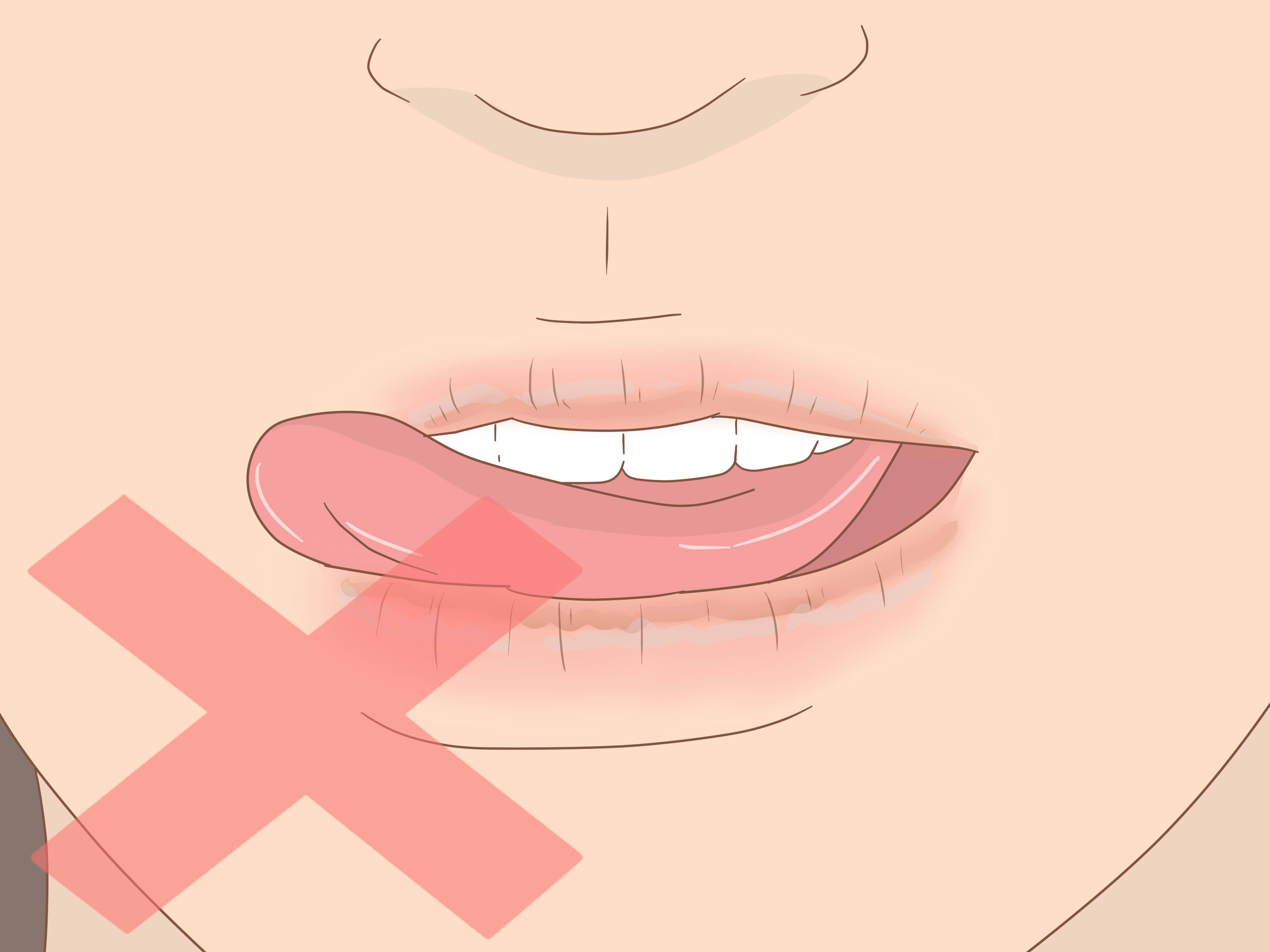
Avoid licking your lips. It feels helpful for about three seconds, then makes dryness worse as saliva evaporates. Also be careful with flavored balms, menthol, peppermint, cinnamon, and plumping lip products. They may smell fun, but irritated Accutane lips are not interested in a spicy adventure.
Care for the Nose and Eyes
Dryness inside the nose can lead to discomfort or nosebleeds. A small amount of petroleum jelly or a saline nasal gel may help, but ask your clinician what is appropriate for you. A humidifier in the bedroom can also improve overnight dryness, especially in winter or air-conditioned rooms.
Eyes may feel dry, gritty, or more sensitive to contact lenses. Preservative-free artificial tears can be useful for many people, but talk with your doctor or eye-care professional if dryness is severe, vision changes occur, or contact lenses become hard to tolerate. Do not ignore eye symptoms just because your skin is also acting dramatic.
Use Sunscreen Every Morning
Daily sunscreen is essential during isotretinoin treatment. Choose a broad-spectrum sunscreen with SPF 30 or higher. If your skin is sensitive, look for fragrance-free and non-comedogenic formulas. Cream sunscreens may feel better on dry skin than gels or alcohol-heavy fluids. Mineral sunscreens with zinc oxide or titanium dioxide can be a good option for easily irritated skin, while tinted sunscreens may help reduce visible white cast and support protection against visible light.
Apply sunscreen as the last step of your morning skin care routine and use enough product. For the face and neck, many adults need about a teaspoon. Reapply every two hours when outdoors, and sooner after sweating or swimming. Hats, sunglasses, shade, and sun-protective clothing are not overkill; they are your backup dancers.
4. Avoid Harsh Ingredients, Waxing, and Cosmetic Procedures
One of the biggest skin care mistakes on Accutane is trying to speed up results with extra acne products. Isotretinoin is already powerful. Adding too many active ingredients can turn manageable dryness into redness, burning, peeling, and barrier damage.
Pause Irritating Acne Products Unless Your Dermatologist Says Otherwise
During isotretinoin treatment, many dermatologists recommend avoiding retinol, topical retinoids, benzoyl peroxide, sulfur treatments, abrasive scrubs, exfoliating acids, strong vitamin C serums, astringents, and alcohol-heavy toners unless specifically prescribed. These products can be useful in other routines, but on Accutane they may be too much.
Also avoid at-home chemical peels, pore strips, dermaplaning experiments, and rough cleansing brushes. Your skin is not being lazy; it is healing under new conditions. Give it fewer battles to fight.
Be Careful With Hair Removal
Waxing is generally not recommended while taking isotretinoin and for a period after stopping, because the skin can be more fragile and more likely to tear or scar. This includes facial waxing, eyebrow waxing, upper-lip waxing, and body waxing. If you need hair removal, ask your dermatologist about safer options such as careful shaving or trimming.
Delay Aggressive Cosmetic Treatments
Procedures such as dermabrasion, aggressive lasers, and deep resurfacing treatments may need to be avoided during treatment and for months afterward, depending on your dermatologist’s guidance. Because recommendations can vary based on the procedure, dose, skin type, and medical history, always ask your prescribing clinician before scheduling cosmetic treatments.
A Simple Accutane Skin Care Routine
Morning Routine
Start with a gentle rinse or mild cleanser. Apply a fragrance-free moisturizer while skin is slightly damp. Follow with broad-spectrum SPF 30 or higher. Apply lip balm with SPF if you are heading outside. Keep your routine calm, boring, and repeatable.
Evening Routine
Remove sunscreen and makeup gently. Cleanse with a mild, non-stripping cleanser. Apply a richer moisturizer. Add a thin layer of ointment to cracked lips, dry corners of the nose, or irritated patches. Run a clean humidifier if your room is dry.
Weekly Check-In
Once a week, take a quick inventory: Are your lips cracking? Is your cleanser stinging? Are your cheeks burning after sunscreen? Are your hands splitting? Adjust early. Switching to a richer moisturizer or gentler product is easier than calming a full irritation flare.
When to Call Your Dermatologist
Some dryness is expected, but certain symptoms deserve medical attention. Contact your dermatologist if you develop severe peeling, blistering, painful rash, intense burning, signs of infection, vision changes, severe headaches, mood changes, persistent nosebleeds, or dryness that interferes with eating, sleeping, or daily life. If you can become pregnant, follow all pregnancy-prevention and iPLEDGE requirements exactly as instructed. Isotretinoin can cause severe birth defects, so this part is not a casual “I’ll get to it later” situation.
Real-Life Experiences: What Accutane Skin Care Often Feels Like
Most people imagine Accutane skin care as a glamorous shelf of products arranged by color, texture, and social media popularity. In real life, it often looks like lip balm in every pocket, moisturizer on the nightstand, sunscreen in the bag, and one emergency tube of ointment that somehow becomes more important than your phone charger.
One common experience is the “lip balm migration.” You buy one tube. Then another. Then one for your car, one for your backpack, one for your desk, one for your bedside table, and one mysterious tube that disappears into another dimension. This is normal. Dry lips can appear early and persist throughout treatment, so having balm nearby prevents the frantic search that happens right before a meeting, class, date, or video call.
Another familiar moment is realizing that your old favorite cleanser has betrayed you. Before Accutane, a foamy acne wash may have made your skin feel clean and fresh. A few weeks into treatment, the same cleanser may sting like it has joined a tiny villain organization. That is when many people switch to a creamier, fragrance-free cleanser and wonder why they did not do it sooner.
Moisturizer can also become surprisingly personal. Some people need only a light cream in the morning and a richer cream at night. Others feel dry again by lunch and keep a travel-size moisturizer handy. There may be days when your skin looks a little flaky under makeup or sunscreen. Instead of scrubbing the flakes away, it usually helps to moisturize more consistently, use less powder makeup, and avoid matte products that emphasize texture.
Sunscreen may require trial and error. A formula that worked before treatment may sting once your skin is more sensitive. If that happens, look for fragrance-free, non-comedogenic options, and consider mineral or cream-based formulas. The best sunscreen is the one you can apply generously without your face filing a complaint.
Many people also learn to simplify. Accutane has a way of turning skin care minimalism into a survival strategy. The routine becomes less about chasing glass skin and more about keeping your face comfortable while acne slowly improves. That shift can feel strange at first, especially if you are used to treating every breakout with a spot treatment, mask, or exfoliating toner. But patience matters. Isotretinoin is already targeting acne at a deeper level, and your skin care routine should support the process, not compete with it.
There can be emotional ups and downs too. Dryness may feel annoying, but improvement in painful acne can feel incredibly encouraging. On the tough days, it helps to remember that the goal is not perfect skin every morning during treatment. The goal is steady progress while protecting your barrier. Take photos if your dermatologist recommends it, keep notes about side effects, and communicate honestly at appointments. Small adjustments, such as changing moisturizer texture or adding a humidifier, can make the experience much more manageable.
In the end, taking care of your skin while on Accutane is a little like babysitting a very sensitive houseplant. It wants gentle watering, protection from harsh conditions, and absolutely no experimental exfoliating “just to see what happens.” Keep it simple, stay consistent, and let your dermatologist guide the medical side of the journey.
Conclusion
Taking care of your skin while on Accutane does not require a luxury routine or a cabinet full of trendy serums. It requires consistency, gentleness, and respect for your temporarily sensitive skin barrier. Cleanse without scrubbing, moisturize often, protect your lips and skin from the sun, and avoid harsh products or procedures unless your dermatologist approves them.
The best Accutane skin care routine is simple enough to repeat every day and flexible enough to adjust when dryness changes. With the right habits, you can reduce irritation, stay more comfortable, and support your skin while isotretinoin does its acne-clearing work behind the scenes.