Note: This article is based on real environmental, composting, and food-waste guidance commonly used in the United States. Always check your local city, county, farm, or composting program rules before dropping off pumpkins.
Halloween is over. The candy bowl is suspiciously empty, the fake cobwebs have lost their drama, and your jack-o’-lantern is slowly transforming from “spooky masterpiece” into “orange porch soup.” Now comes the question nobody thinks about while carving triangle eyes: what should you do with leftover Halloween pumpkins?
The easiest answer is to toss them in the trash. The better answer is: please don’t. Pumpkins are organic material, which means they can become compost, animal feed, garden nutrients, or even dinner if they are still fresh and clean. Sent to a landfill, however, they break down without enough oxygen and can contribute to methane emissions. That is a pretty dramatic ending for something that spent October wearing a goofy grin.
The good news is that eco-friendly Halloween pumpkin disposal is simple. You do not need a farm, a sustainability degree, or a compost bin that looks like it belongs in a home magazine. You just need to match your pumpkin’s condition with the right afterlife. Fresh and uncarved? Cook it. Soft or carved? Compost it. No backyard compost? Find a pumpkin smash or organics drop-off. Clean and undecorated? Some farms or animal rescues may accept it.
Below are four practical, eco-friendly ways to dispose of Halloween pumpkins without sending them straight to the landfill graveyard.
Why Halloween Pumpkin Disposal Matters
Americans buy mountains of pumpkins for fall decorating, and many of those pumpkins have a very short career. They are displayed, carved, photographed, judged by neighbors, and then forgotten until they collapse like a tiny haunted house with structural issues.
That waste matters because pumpkins are food. Even decorative pumpkins contain water, fiber, seeds, and nutrients. When they are wasted, all the land, water, energy, labor, and transportation used to grow and move them are wasted too. When they end up in landfills, they do not decompose the same way they would in a backyard compost pile. Landfills are compacted and oxygen-poor, so food scraps can release methane as they break down.
Eco-friendly pumpkin disposal is not about being perfect. It is about choosing a smarter next step. One pumpkin may feel small, but multiply that by millions of porches and suddenly the humble jack-o’-lantern becomes a seasonal waste issue with a very orange face.
Before You Dispose: Prep Your Pumpkin the Right Way
Before choosing any disposal method, inspect the pumpkin. A clean, firm pumpkin has more options than a carved pumpkin that has spent two weeks absorbing rain, candle wax, sidewalk dust, and the emotional energy of trick-or-treaters.
Remove anything that is not pumpkin
Take out candles, tea lights, wax, stickers, ribbons, plastic props, toothpicks, glitter, paint, synthetic spiderwebs, and anything else that did not grow from the vine. Compost facilities and farms do not want surprise craft supplies mixed into organic material. Glitter may look festive, but in compost it is basically confetti with commitment issues.
Sort by condition
- Fresh, uncarved pumpkins: Best for cooking, roasting seeds, preserving, or donating if accepted.
- Carved but not moldy pumpkins: Best for composting or some local drop-off programs.
- Moldy or mushy pumpkins: Best for composting only, not feeding to animals.
- Painted, glittered, sealed, or bleached pumpkins: Usually not suitable for compost or animal feed unless the decorated surface is fully removed.
1. Eat the Edible Parts Before They Become Porch Goblins
The most eco-friendly way to dispose of a Halloween pumpkin is to avoid disposing of it at all. If the pumpkin is fresh, uncarved, undecorated, and has not been sitting outside collecting rainwater and mystery porch particles, use it as food.
This works best with sugar pumpkins or pie pumpkins, which are smaller and sweeter than the giant carving pumpkins built for dramatic facial expressions. However, even larger pumpkins can still provide useful flesh and seeds if they are clean and sound.
Roast the seeds
Pumpkin seeds are the easiest win. Scoop them out, rinse away the stringy pulp, dry them, toss them lightly with oil and seasoning, and roast them until crisp. They make a crunchy snack, salad topping, soup garnish, or “I meant to meal prep” desk food.
Use the flesh in soups, breads, and purees
Fresh pumpkin flesh can be roasted and blended into puree for muffins, pancakes, quick breads, pasta sauces, curries, soups, and smoothies. It is mild, slightly sweet, and happy to absorb warm spices like cinnamon, nutmeg, ginger, and cloves. Savory flavors work too: garlic, sage, thyme, chili flakes, and roasted onions can turn pumpkin from dessert mascot into dinner hero.
Freeze it for later
If you cannot use the pumpkin immediately, roast and freeze it in portions. Freeze cubes on a tray first, then move them into a freezer bag or container. Future you will appreciate having pumpkin ready for soup on a cold night when cooking ambition is low but hunger is dramatic.
When not to eat it
Do not eat carved pumpkins that have been sitting outside, especially if they are soft, moldy, insect-nibbled, candle-smoked, or decorated with paint. Once a jack-o’-lantern has lived its outdoor life, it is no longer dinner. It has done enough. Let it retire into compost.
2. Compost Pumpkins at Home: The Classic No-Waste Ending
Composting is one of the best ways to dispose of Halloween pumpkins because it turns a temporary decoration into long-term soil health. Pumpkins are mostly water and organic matter, so they break down well when handled correctly. The key phrase is “handled correctly,” because tossing a whole pumpkin into a bin and walking away can create a soggy, smelly mess.
How to compost a pumpkin without creating a swamp monster
- Remove decorations. Take out candles, wax, paint, glitter, stickers, ribbons, plastic eyes, and anything synthetic.
- Remove seeds if you do not want surprise pumpkin vines. Pumpkin seeds can sprout in compost or garden beds. This is charming once. After that, it becomes a vegetable coup.
- Break it into pieces. Smash, chop, or cut the pumpkin into chunks. Smaller pieces decompose faster.
- Add browns. Mix pumpkin pieces with dry leaves, shredded cardboard, straw, wood chips, or dry plant material. Pumpkins are wet “greens,” so browns help balance moisture and reduce odor.
- Bury or cover the pieces. Covering pumpkin with leaves, soil, or finished compost helps discourage flies, raccoons, and neighborhood dogs with questionable boundaries.
- Turn the pile occasionally. Oxygen helps compost stay aerobic, which keeps the process cleaner and less smelly.
If you have a backyard garden, pumpkin compost can eventually improve soil texture, support beneficial microorganisms, and help plants access nutrients. Composting also reduces the amount of organic waste going into the trash. It is a quiet little climate action disguised as cleaning up your porch.
Apartment-friendly composting options
No yard? No problem. Many apartment dwellers use curbside organics programs, community gardens, farmers markets with food-scrap collection, subscription compost services, or municipal drop-off bins. Some cities allow pumpkins in yard waste or food-scrap carts after Halloween. Others require pumpkins to be cut up first. Check local rules before sending your gourd on its final commute.
3. Use a Pumpkin Smash, Organics Bin, or Local Drop-Off Program
If you want Halloween pumpkin disposal with a side of catharsis, look for a local pumpkin smash. These events are exactly what they sound like: residents bring pumpkins, remove non-organic decorations, and smash or drop them off so they can be composted. It is community recycling, but with more flying squash and fewer lectures.
Pumpkin smashes are often hosted by county recycling departments, schools, universities, environmental groups, composting facilities, parks departments, or local nonprofits. They are especially useful for people who do not compost at home but still want to keep pumpkins out of landfills.
How pumpkin smash events work
Most events ask you to bring pumpkins and gourds that are free of candles, wax, glitter, paint, plastic decorations, and other non-organic materials. Some events accept corn stalks, leaves, and other fall decorations, while others only accept pumpkins. After collection, the pumpkins are usually transported to a composting facility or processed on-site for compost.
These programs are good for neighborhoods because they make sustainable pumpkin disposal easy. Instead of every household solving the problem alone, the community creates a shared solution. Also, let us be honest: after a month of pretending your pumpkin is sophisticated autumn decor, smashing it is deeply satisfying.
Where to find one
Search for terms like “pumpkin smash near me,” “pumpkin compost drop-off,” “Halloween pumpkin recycling,” “organics collection,” or “yard waste pumpkin disposal” plus your city or county name. Local extension offices, county recycling pages, public works departments, and community garden networks are good places to check.
Use your green bin if allowed
If your city offers curbside organics collection, pumpkins may be accepted in the green cart. Cut large pumpkins into smaller pieces so the lid closes and the collection truck does not have to wrestle your 25-pound porch monster. Do not include candles, plastic, foil, glitter, painted pieces, or synthetic decorations unless your program specifically allows them.
4. Donate Clean Pumpkins to Farms or Animal RescuesCarefully
Some farms, animal sanctuaries, rescue organizations, and zoos accept leftover pumpkins as enrichment or feed for animals such as pigs, chickens, goats, sheep, and cattle. This can be a wonderful second life for clean pumpkins, but it requires caution. Animals are not garbage disposals wearing adorable ears.
Only donate pumpkins if the receiving farm or organization has clearly said it wants them. Ask first. Many places have specific rules because animal health matters. A pumpkin that is safe for compost may not be safe for livestock.
Good donation pumpkins are:
- Fresh or firm
- Unpainted and undecorated
- Free of glitter, wax, stickers, toothpicks, bleach, sealants, and chemicals
- Not moldy or rotten
- Accepted by the specific farm, sanctuary, or rescue
Bad donation pumpkins are:
- Moldy, slimy, or rotten
- Painted, glittered, bleached, or chemically treated
- Filled with candle wax
- Decorated with plastic or metal pieces
- Left anonymously at a farm gate like a mysterious orange burden
When in doubt, compost instead. Responsible donation means respecting the people caring for the animals. A farmer should not have to inspect every pumpkin like a detective at a crime scene.
Why not just toss pumpkins into the woods?
Leaving pumpkins in parks, forests, roadsides, or natural areas may sound kind, but it can create problems. It may attract pests, encourage wildlife to gather near roads or homes, spread disease, introduce non-native plant material, or violate local wildlife feeding rules. If you want to support wildlife, choose safer options such as planting native flowers, leaving some leaf litter, providing clean water, and avoiding harmful outdoor decorations.
Quick Decision Guide for Leftover Halloween Pumpkins
| Pumpkin Condition | Best Eco-Friendly Option | Avoid |
|---|---|---|
| Fresh, uncarved, undecorated | Cook, roast seeds, freeze puree, or donate if accepted | Throwing it in the trash |
| Carved but clean | Compost at home or use a pumpkin smash | Eating it after outdoor display |
| Soft or moldy | Compost only | Feeding it to pets, livestock, or wildlife |
| Painted, glittered, sealed, or waxy | Remove decorated surfaces if possible, then compost clean parts | Animal donation or composting without cleanup |
| No compost bin available | Use city organics, drop-off sites, or pumpkin smash events | Assuming landfill is the only option |
Common Pumpkin Disposal Mistakes
Mistake 1: Composting the whole pumpkin
A whole pumpkin breaks down slowly. Chop it, smash it, or split it open. Compost microbes are hard workers, but they are not equipped with carving knives.
Mistake 2: Forgetting about wax and decorations
Candle wax, glitter, stickers, and paint can contaminate compost or harm animals. Remove everything artificial before composting, donating, or dropping pumpkins at an organics site.
Mistake 3: Feeding moldy pumpkins to animals
Mold can make animals sick. If the pumpkin looks like it has joined a science fair against your will, compost it.
Mistake 4: Leaving pumpkins in natural areas
Dumping pumpkins outdoors may attract unwanted animals and create local ecological issues. Use approved composting, donation, or collection systems instead.
Real-Life Experiences: What Pumpkin Disposal Looks Like After the Porch Party Ends
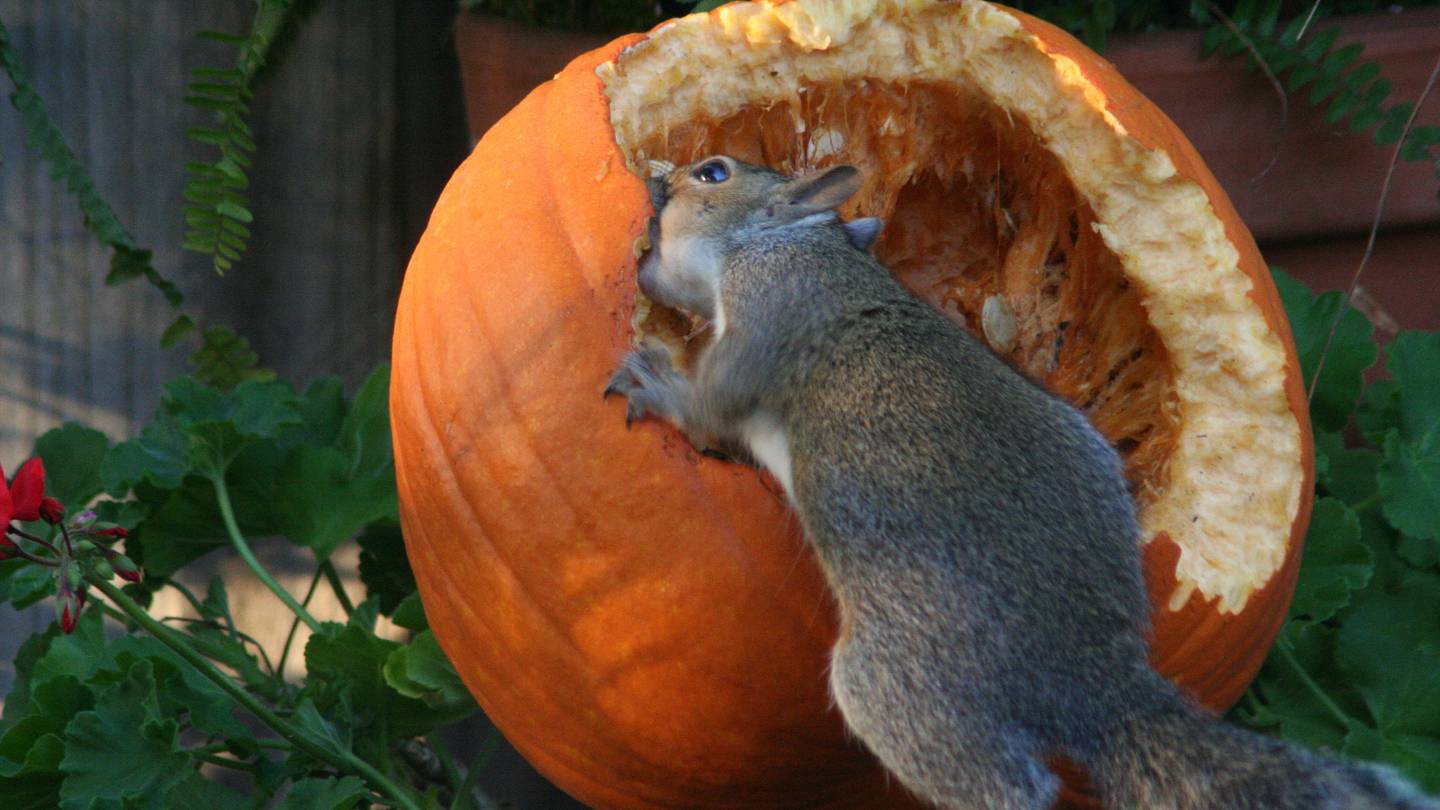
In real life, eco-friendly pumpkin disposal usually starts with good intentions and one slightly embarrassing moment. You step outside in early November, coffee in hand, and notice your jack-o’-lantern has stopped looking festive. The smile has sagged. The lid has caved in. A squirrel may or may not be judging you from the fence. That is the moment pumpkin responsibility begins.
One of the easiest lessons families learn is to plan disposal before carving day. Put a small bowl on the table for seeds, another for usable flesh, and a third for compost scraps. Kids love scooping pumpkin guts, mostly because it feels disgusting in a legally approved way. When the seeds are roasted later, the same children who said “Ew!” suddenly become snack critics. A little salt, a little cinnamon sugar, or a mild chili-lime seasoning can turn pumpkin cleanup into a tradition instead of a chore.
Composting also teaches patience. The first time someone adds a pumpkin to a compost pile, they may expect it to vanish overnight like a Halloween ghost. It does not. A whole pumpkin sits there looking smug. But once it is chopped up and mixed with dry leaves, the process speeds up. The pile smells earthy instead of rotten, and by spring, that former jack-o’-lantern may be part of the soil feeding tomatoes, herbs, or flowers. There is something satisfying about seeing October decorations help July basil.
Community pumpkin smashes create a different kind of memory. They are practical, but they are also fun. People show up with wagons, buckets, and trunks full of tired pumpkins. Children cheer when the pumpkins break open. Adults pretend they are only there for sustainability, but everyone knows smashing a pumpkin after a long week has emotional benefits. The best events make waste reduction visible. Instead of disappearing into a trash truck, pumpkins become a pile of future compost.
Farm donation experiences can be wonderful too, as long as people follow the rules. Watching pigs, goats, or chickens enjoy clean pumpkins can make the whole season feel less wasteful. But the important word is clean. Farmers and sanctuary staff work hard to protect their animals, so calling ahead and following donation instructions is part of being eco-friendly. Sustainability is not just about keeping pumpkins out of landfills; it is about making sure the alternative actually helps.
The biggest practical lesson is this: the best pumpkin disposal method is the one you will really do. If you cook, cook it. If you garden, compost it. If your town hosts a smash, attend it. If a local farm accepts pumpkins, donate responsibly. A pumpkin does not need a perfect ending. It just needs a better one than the trash.
Conclusion: Give Your Halloween Pumpkin a Better Afterlife
Halloween pumpkins may be temporary decorations, but they do not have to become permanent waste. With a little planning, leftover Halloween pumpkins can feed people, enrich soil, support local compost programs, or provide safe treats for approved farm animals. The trick is choosing the right option for the pumpkin’s condition.
Fresh, clean pumpkins are best used in the kitchen. Carved or soft pumpkins belong in compost. Large community events like pumpkin smashes make sustainable disposal easy for households without backyard bins. Clean, undecorated pumpkins may be welcomed by farms or animal rescues, but only when accepted and handled safely.
The next time your jack-o’-lantern starts slumping on the porch, do not see waste. See soup, compost, soil, or a very happy pig at an approved farm. That is the kind of Halloween sequel we can all support.