A loose wire on your braces has a special talent: it always seems to appear at the worst possible time. Friday night? Naturally. Right before lunch? Of course. Five minutes after your orthodontist’s office closes? That wire has a calendar and a dramatic personality.
The good news is that a loose or poking braces wire is common, and in many cases, you can make it more comfortable until your orthodontist repairs it properly. The important word here is temporarily. Braces wires are not just tiny metal decorations. They guide tooth movement, help keep treatment on track, and should be adjusted by a dental professional.
This guide explains three safe, practical ways to temporarily fix a loose wire on your braces: using orthodontic wax, gently nudging the wire into a better position, and protecting the area until you can get professional help. You will also learn what not to do, when to call your orthodontist, and how to avoid turning a small poke into a full mouth drama starring your cheek as the victim.
What Is a Loose Braces Wire?
Traditional braces usually include brackets attached to your teeth and an archwire that runs through those brackets. The wire helps apply gentle pressure so your teeth can gradually move into better alignment. When that wire slips, bends, breaks, or starts poking the inside of your mouth, it may feel sharp, irritating, or simply “wrong.”
A loose braces wire can happen for several reasons. You may have bitten into something hard, chewed something sticky, played sports without a mouthguard, or accidentally bumped your mouth. Sometimes the wire shifts slightly after an adjustment as your teeth move. That does not mean your braces are broken forever. It does mean you should pay attention and contact your orthodontist.
Common signs of a loose wire include:
- A sharp wire poking your cheek, lip, gums, or tongue
- A wire sticking out behind the back bracket
- A wire that has slipped out of a bracket slot
- A loose bracket sliding along the wire
- Soreness, rubbing, or a small mouth sore near the wire
If you have heavy bleeding, trouble breathing or swallowing, severe facial trauma, or a knocked-out permanent tooth, treat it as an urgent medical or dental emergency. For most loose braces wires, though, the goal is comfort and protection until your orthodontist can repair the appliance.
First: Do a Quick Braces Check
Before trying any temporary fix, wash your hands and look carefully in a mirror. A small flashlight can help, especially if the wire is bothering the back of your mouth. Try to identify whether the wire is poking, bent, broken, or simply out of place.
Do not yank on the wire. Do not twist it like you are fixing a bicycle chain. Do not decide that today is the day you become an orthodontist because you watched three videos and own tweezers. Braces are precise appliances, and aggressive DIY repairs can damage brackets, delay treatment, or injure your mouth.
If you are a teen, ask a parent or trusted adult to help you look. If you are an adult, still consider asking someone else to check the spot if it is hard to see. Mouth mirrors are useful, but the back molars can be sneakier than a cat near an open tuna can.
Way 1: Cover the Loose Wire with Orthodontic Wax
Orthodontic wax is usually the easiest and safest temporary fix for a loose wire that is poking or rubbing. It creates a smooth cushion between the metal and the soft tissues of your mouth. Think of it as a tiny pillow for your cheek, except less glamorous and much more useful.
How Orthodontic Wax Helps
Wax does not repair the wire or move it back into place. Instead, it protects your cheek, lip, gums, or tongue from further irritation. This can make a big difference when a wire tip feels sharp or when a loose bracket is rubbing every time you talk or chew.
Orthodontic wax is usually available at drugstores, supermarkets, and orthodontic offices. Many orthodontists give patients a small container when braces are first placed. If yours is hiding in a drawer somewhere, now is its moment to shine.
How to Apply Wax to a Loose Braces Wire
- Wash your hands with soap and water.
- Brush your teeth gently or rinse your mouth to remove food particles.
- Dry the wire or bracket area with clean tissue or gauze. Wax sticks better to a dry surface.
- Pinch off a small piece of wax about the size of a pea.
- Roll it between your fingers until it softens.
- Press it gently over the poking wire or rough area.
- Check that the wax feels smooth when you close your mouth.
If the wax falls off, replace it with a fresh piece. Remove old wax before brushing, then apply new wax afterward if the wire is still irritating your mouth. It is normal for wax to loosen while eating, drinking, or talking. Your mouth is a busy place; even wax has a hard work schedule in there.
When Wax Works Best
Wax is especially useful when the wire is still attached but poking your cheek or lip. It also helps when a loose bracket remains on the wire and rubs against your mouth. Wax is not a permanent solution, but it can prevent a small irritation from becoming a painful sore.
If wax does not stay on, the area may be too wet, the wire may be too sharp, or the wire may be sticking out too far. In that case, try the next method or call your orthodontist for advice.
Way 2: Gently Push the Wire Back Into a Comfortable Position
If the wire has slipped and is sticking out, you may be able to gently nudge it back toward the tooth. The key word is gently. You are not wrestling an alligator. You are moving a small orthodontic wire inside a sensitive mouth.
What to Use
Use a clean cotton swab or the clean eraser end of a pencil. Some people use clean tweezers, but this requires extra care because tweezers can slip or scratch soft tissue. Avoid sharp tools, toothpicks, pins, needles, or anything that looks like it belongs in a toolbox instead of a mouth.
How to Reposition a Poking Braces Wire
- Wash your hands thoroughly.
- Rinse your mouth with water so you can see the wire clearly.
- Use a clean cotton swab or pencil eraser to apply light pressure to the wire.
- Try to guide the wire so it lies flatter against the tooth or bracket.
- Stop immediately if it hurts, bends strangely, or does not move easily.
- Apply orthodontic wax over the area afterward for extra comfort.
This method works best when a wire has shifted slightly behind the back tooth or when the end of the archwire has started to poke out. If the wire is completely broken, hanging loose, or cutting into your mouth, contact your orthodontist promptly.
What Not to Do
Do not force the wire back into place. Do not pull it forward. Do not try to remove the entire wire. Removing or badly bending a braces wire can interfere with your orthodontic treatment and may cause more discomfort. If the wire refuses to cooperate, respect its stubbornness and call the professional who gets paid to handle stubborn wires.
If you successfully move the wire into a more comfortable position, you should still contact your orthodontist. The wire may need to be trimmed, replaced, or re-secured. A temporary fix can make life bearable, but it does not replace an orthodontic appointment.
Way 3: Protect Your Mouth Until Your Orthodontist Repairs It
Sometimes the best temporary fix is not a dramatic repair. It is damage control: protect the sore area, avoid making the wire worse, and schedule a repair. This is especially important if the wire is loose because a bracket broke, a band came off, or the wire has shifted enough to affect your bite.
Call Your Orthodontist
Call your orthodontist as soon as possible if a wire is loose, broken, poking, or causing sores. Explain exactly what you see and feel. Useful details include where the wire is located, whether a bracket is loose, whether there is bleeding, and whether wax helps.
Many orthodontic offices can tell you whether the issue needs a same-day visit or whether it can wait until the next available appointment. They may also give specific instructions based on your appliance. That personalized advice matters because braces are not one-size-fits-all.
Eat Soft Foods for a Day or Two
Until the wire is repaired, avoid hard, crunchy, sticky, and chewy foods. That means skipping popcorn, caramel, gum, hard pretzels, nuts, ice chewing, and biting directly into whole apples or raw carrots. Your braces already filed a complaint; do not give them more paperwork.
Choose softer foods such as yogurt, scrambled eggs, pasta, soup, smoothies, mashed potatoes, oatmeal, soft rice, bananas, and tender cooked vegetables. Cut food into small pieces and chew away from the irritated area when possible.
Rinse and Keep the Area Clean
If the wire created a sore spot, rinse gently with warm salt water. Mix about half a teaspoon of salt into a cup of warm water, swish gently, and spit it out. This can help clean the area and reduce irritation. Continue brushing carefully with a soft-bristled toothbrush, especially around brackets and wires where food likes to hide like it owes rent.
Use Gauze or Cotton Only as a Short-Term Cushion
If you do not have orthodontic wax, a small piece of clean gauze can temporarily protect your cheek from a poking wire. This is not ideal for eating or sleeping, and it should not replace wax. Avoid using random household materials, tape, glue, chewing gum, or anything that could break apart and become unsafe in your mouth.
What About Cutting the Wire?
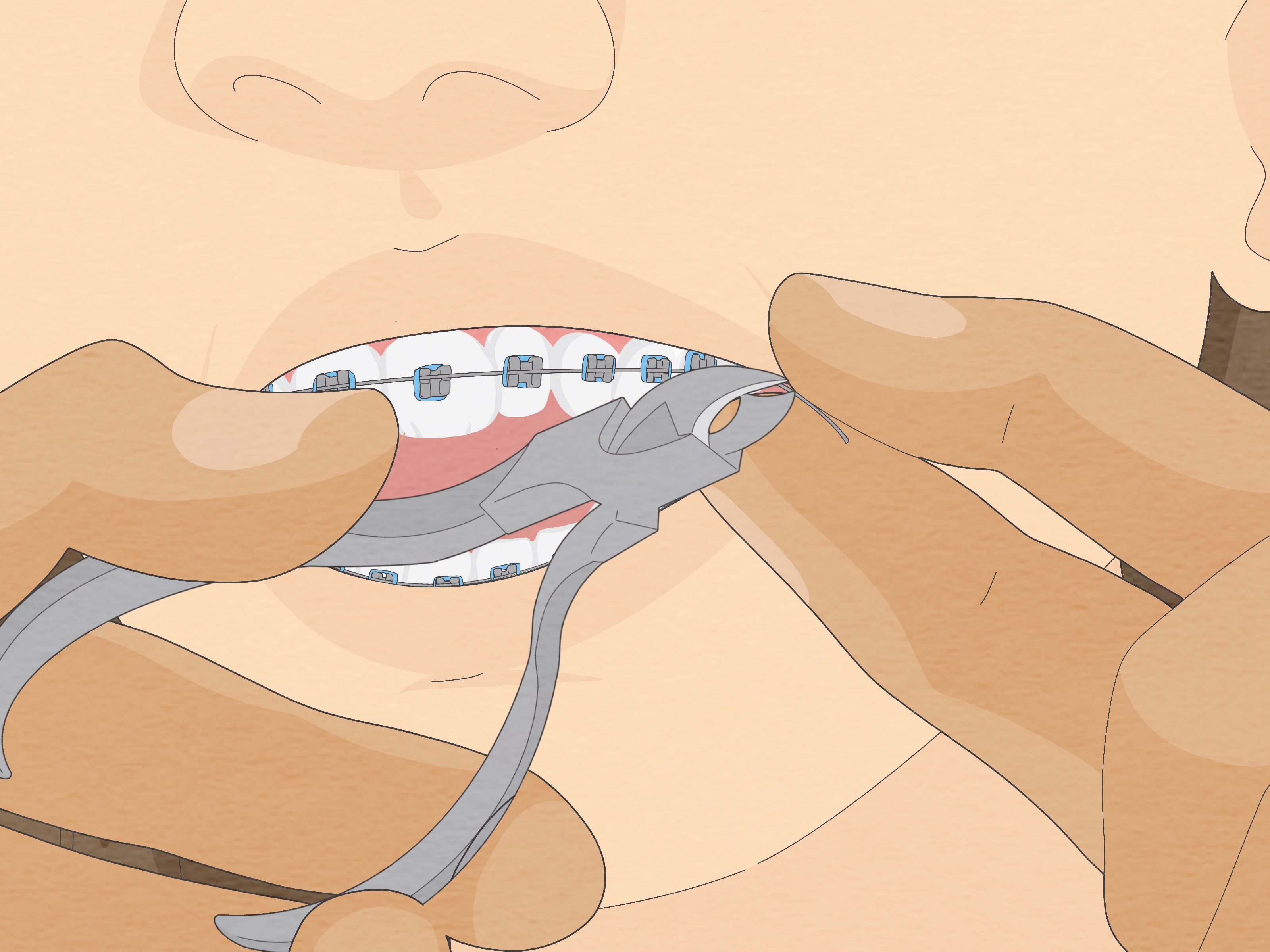
Some orthodontic emergency guidance mentions trimming a wire as a last resort when it is causing significant pain and cannot be covered or repositioned. However, cutting a braces wire can be risky because the clipped piece may be swallowed or inhaled, and the remaining edge may still be sharp.
For that reason, do not cut a braces wire unless your orthodontist specifically tells you to do so and an adult can help. If the wire is seriously hurting you, call the orthodontist’s emergency line. If there is severe injury, uncontrolled bleeding, or trouble swallowing or breathing, seek urgent care.
When Is a Loose Wire an Orthodontic Emergency?
A loose wire is usually not a major emergency, but it should not be ignored. Contact your orthodontist quickly if:
- The wire is cutting your cheek, gums, tongue, or lip
- You cannot cover the wire with wax
- A bracket or band is loose
- The wire has broken completely
- You have swelling, pus, fever, or worsening pain
- You swallowed or think you inhaled a broken piece
- The wire is interfering with eating, speaking, or closing your mouth
Also call if you are simply unsure. Orthodontic offices answer these questions every day. You are not being annoying; you are protecting your treatment and your mouth.
Common Causes of Loose Braces Wires
Knowing why wires come loose can help prevent repeat problems. Some causes are accidental, but many are avoidable with a few smart habits.
Hard and Crunchy Foods
Hard foods can bend wires or pop brackets loose. Popcorn kernels, hard candies, ice, nuts, and crusty bread can all cause trouble. If a food makes a loud crunch that echoes through your skull, your braces probably did not approve.
Sticky and Chewy Foods
Caramel, taffy, gum, and chewy candy can pull on wires and brackets. Sticky foods are basically tiny sabotage agents for braces. Avoid them until treatment is finished.
Sports Injuries
A hit to the mouth can bend wires or break brackets. If you play contact sports or activities where falls are possible, ask your orthodontist about a braces-friendly mouthguard.
Poking at Braces
Using fingers, toothpicks, or random objects to remove food from braces can loosen wires. Use floss threaders, interdental brushes, or tools recommended by your orthodontist instead.
How to Prevent Loose Wires in the Future
You cannot prevent every braces issue, but you can reduce the odds. Follow your orthodontist’s food instructions, wear a mouthguard during sports, brush and floss carefully, and keep regular appointments. Small problems are easier to fix when they are noticed early.
Keep a mini braces kit at home or in your bag. Useful items include orthodontic wax, a small mirror, clean cotton swabs, travel-size toothbrush, floss threaders, interdental brushes, and clean gauze. This kit will not make you invincible, but it can save you from a very uncomfortable afternoon.
Real-Life Experience: What It Feels Like and What Usually Helps
Anyone who has worn braces knows that a loose wire can feel much bigger than it looks. You might check the mirror and see a tiny piece of metal, yet your cheek acts like it has discovered a medieval weapon. That mismatch is normal. The inside of the mouth is sensitive, and even a small rough edge can feel sharp when it rubs the same spot over and over.
A common experience is noticing the problem during a meal. Maybe you bite into something that seemed harmless, then suddenly feel a poke near your back molar. At first, you may think food is stuck. You rinse, brush, and poke your tongue around carefully, only to realize the wire is the troublemaker. This is when orthodontic wax becomes the hero of the story. Drying the area first can make a huge difference. If you try to stick wax onto a wet bracket, it may slide off like it is late for a bus. But when the area is dry, the wax usually holds better and creates quick relief.
Another common situation happens after an adjustment. As teeth shift, the archwire can begin to extend slightly behind the back bracket. That extra bit of wire may start rubbing the cheek, especially while talking or chewing. In many cases, gently pushing it flat with a cotton swab and covering it with wax can make the day much more comfortable. The orthodontist may later trim the wire end or replace the archwire, but the temporary fix helps you survive school, work, dinner, or that one family event where everyone asks, “How are the braces going?”
Some people try to “tough it out,” but that is usually not the best plan. A poking wire can create a sore, and once a sore forms, every bite of spicy salsa feels like a personal betrayal. It is better to cover the wire early, rinse gently, and avoid irritating foods until the area calms down. Soft foods may sound boring, but your cheek will appreciate the peace treaty.
The biggest lesson from real braces life is this: temporary fixes are about comfort, not perfection. You are not trying to redesign your orthodontic treatment in the bathroom mirror. You are trying to protect your mouth until your orthodontist can do the real repair. Calling the office may feel unnecessary for a small wire, but it is often the fastest way to know what to do next. Orthodontic teams have heard every version of “my wire is poking me,” and they will not judge you. They may ask for details, suggest wax, schedule a quick repair, or give instructions based on your exact appliance.
It also helps to prepare before anything goes wrong. Keep wax where you can actually find it. Practice applying it when your braces feel normal so you are not learning during a cheek emergency. Carry a small braces kit if you travel, play sports, or spend long days away from home. Braces are a journey, and like any journey, it is better when you pack snacks carefully and bring the right tools.
Final Thoughts
A loose wire on your braces can be uncomfortable, annoying, and impressively distracting. Fortunately, most minor wire problems can be managed temporarily with orthodontic wax, gentle repositioning, and smart mouth protection until your orthodontist can repair the issue.
Remember the main rule: protect your mouth first, then contact your orthodontist. Do not pull out wires, force parts back into place, or attempt risky repairs. Your braces are doing important work, even when one wire decides to behave like a tiny metal rebel.
With the right temporary steps, you can reduce pain, prevent sores, and keep your orthodontic treatment moving in the right direction. And someday, when the braces come off, you can look back and say, “I survived the loose wire era.” Very brave. Very shiny.