Hearing a low, steady buzz inside your chimney can feel like your fireplace has joined a tiny aviation club. Before you grab a ladder, light a fire, or start Googling “bee removal spray near me,” pause. Bees in a chimney can be a simple passing swarm, an established honey bee colony, or sometimes a case of mistaken identity involving wasps or yellow jackets. The safest solution depends on which buzzing tenant has moved in and how long they have been there.
The good news: bees can often be removed safely, and honey bees can frequently be relocated instead of destroyed. The not-so-good news: a chimney is a high, enclosed, awkward, soot-lined tube attached to your house, which makes it a terrible place for DIY heroics. This guide explains three practical ways to remove bees from a chimney, how to know which method fits your situation, what not to do, and how to keep the problem from coming back.
First, Make Sure They Are Actually Bees
Before choosing a removal method, identify what you are dealing with. Many homeowners use the word “bees” for anything that flies, buzzes, and seems personally offended by lawn chairs. But honey bees, bumblebees, paper wasps, hornets, and yellow jackets behave differently and require different removal strategies.
Signs of honey bees in a chimney
Honey bees are usually golden-brown and fuzzy, and they often fly in a steady, organized pattern in and out of one entry point. Around a chimney, you may see bees hovering near the chimney pot, crown, cap, cracked mortar, or gaps around the flashing. If the colony has been there for weeks or months, you may hear humming near the fireplace, notice bees entering the living space, or smell a sweet odor from honeycomb.
Signs it may be wasps or yellow jackets
Wasps and yellow jackets are typically smoother, shinier, and more sharply striped than honey bees. Yellow jackets are especially defensive around nests and may use wall voids, attic spaces, or openings near chimneys. A wasp nest may look papery rather than waxy. If you see aggressive insects repeatedly diving at people or pets, treat the situation as urgent and call a licensed pest professional.
Why identification matters
Honey bees are important pollinators, and many communities have beekeepers who can relocate them. Wasps and hornets, on the other hand, are not usually relocated from homes. Proper identification helps you avoid wasting time, money, and couragethe last one being especially limited when insects are pouring out of a fireplace.
What Not to Do When Bees Are in a Chimney
Some old-school advice sounds simple but can make the problem worse. A chimney bee problem is one of those home repairs where “I saw it on the internet” should not be your project manager.
Do not light a fire to smoke them out
Lighting a fire under a bee colony can melt honey, wax, and comb. In an established hive, that sticky material can drip into the flue, damper, smoke shelf, or firebox. Beeswax is combustible, and leftover comb can create odor, attract pests, or complicate future chimney use. Smoke may also agitate the colony, sending bees into the house through the fireplace or small gaps.
Do not spray pesticide into the chimney
Spraying blindly into a chimney often fails to reach the whole colony. It may kill visible bees while leaving comb, honey, brood, and dead insects inside the flue. That residue can attract ants, roaches, wax moths, mice, and other unwanted guests. Also, using pesticides in or around a chimney can be risky if the fireplace or appliance is later used.
Do not seal the chimney while bees are active
Sealing the opening before the bees are removed can trap them inside. Trapped bees may look for another exit, and that exit can be your living room. Sealing is a prevention step, not a removal step.
Do not climb onto the roof without proper training
Bee removal from a chimney often involves ladders, roof edges, protective clothing, and insects that can sting. Unless you are an experienced beekeeper or trained professional with fall protection and the correct equipment, stay safely on the ground and make phone calls instead. Your chimney will still be there. Your dignity may not survive falling into the shrubs.
Way 1: Wait Briefly if It Is a Temporary Swarm
The easiest removal method is sometimes not removal at all. Honey bee swarms can pause on a chimney, tree branch, fence, or roofline while scout bees search for a permanent home. A swarm may look dramatic, but it is often temporary. The bees are not defending a full hive yet, so they are usually less aggressive than bees protecting comb and brood.
When waiting makes sense
Waiting may be reasonable if the bees arrived very recently, are clustered near the outside of the chimney, and are not entering the house. Keep children, pets, and curious neighbors away from the area. Close the fireplace damper if it is safe to do so, close nearby windows, and observe from a distance. If the bees move on within a day or two, you may only need a chimney inspection and prevention work afterward.
When not to wait
Do not wait if bees are coming into living areas, someone in the home has a serious sting allergy, the colony appears to be inside the flue, or the buzzing has continued for more than a couple of days. A swarm can become an established colony quickly once it chooses the chimney as home. Once comb-building begins, removal becomes more complex.
What to do while waiting
Take photos or short videos from a safe distance. Note where the insects are entering and exiting. This information helps a beekeeper or pest professional identify the species and plan the job. Avoid banging on the chimney, spraying water, or tossing objects toward the swarm. Bees do not respond well to interpretive dance with a broom.
Best next step after the swarm leaves
Schedule a chimney inspection. If bees were interested in your chimney once, there may be an opening, damaged cap, missing screen, cracked crown, or deteriorated mortar that made it attractive. Prevention after a near-miss is cheaper than removal after a full colony moves in and signs a very buzzy lease.
Way 2: Call a Beekeeper for Live Honey Bee Removal
If honey bees have entered the chimney and started building a colony, the best first call is often a local beekeeper, bee removal specialist, or beekeeping association. Many honey bee colonies can be removed alive and relocated to managed hives. This option protects pollinators and solves the homeowner’s problem without turning the chimney into a sticky insect cemetery.
How live chimney bee removal works
A beekeeper or bee removal specialist will inspect the chimney, confirm the insects are honey bees, locate the colony, and decide how to access it. In some cases, the bees may be removed from the top of the chimney. In more complicated cases, the job may require partial disassembly, removal of a chimney pot, opening a small area, or using specialized vacuum equipment designed for live bee collection.
The goal is not just to remove flying bees. A proper removal also addresses the queen, brood, wax comb, honey, and debris. If comb is left behind, it can melt, smell, ferment, attract pests, or invite future swarms. A good bee removal job is part animal handling, part construction puzzle, and part sticky archaeology.
When live removal is the right choice
Live removal is especially appropriate when the insects are confirmed honey bees and the colony is accessible enough to remove safely. It is also a strong option when the homeowner wants an environmentally responsible solution. Some beekeepers collect simple swarms for little cost, but structural removals from chimneys are usually more labor-intensive and may require a fee.
Questions to ask before hiring a beekeeper
Ask whether the person has experience removing bees from structures, not just collecting swarms from tree branches. Chimney removal can involve masonry, liners, dampers, and rooftop work. Ask whether they remove comb and honey, whether they carry insurance, whether they coordinate with chimney sweeps or contractors, and whether repairs are included or separate.
What happens after the bees are removed
After live removal, the chimney should be cleaned and inspected by a qualified chimney professional before use. Comb, wax, soot, and residue can affect airflow and safety. If the chimney serves a wood-burning fireplace, gas appliance, or stove, do not use it until a professional confirms it is clear and safe.
Way 3: Hire a Licensed Pest Professional and Chimney Expert for Unsafe or Non-Bee Infestations
Sometimes live bee removal is not possible, or the insects are not honey bees. If the chimney contains yellow jackets, hornets, an aggressive colony, or a hard-to-access infestation creating an immediate safety concern, a licensed pest management professional may be needed. After treatment or removal, a chimney sweep or mason should handle cleanup, inspection, and repairs.
When professional pest control is necessary
Call a pest professional if the insects are highly aggressive, entering the home in large numbers, nesting deep in inaccessible areas, or suspected to be wasps or hornets rather than honey bees. You should also call immediately if anyone in the home has a known allergy to stings, if a child or pet is at risk, or if bees are appearing near bedrooms, kitchens, or HVAC openings.
Why removal is more than killing insects
The biggest mistake in chimney bee control is thinking the job ends when the buzzing stops. If an established honey bee colony dies inside the chimney and the comb remains, the problem can continue. Honey may leak, wax may soften, odors may develop, and pests may arrive for the buffet. A complete plan includes insect control, comb removal, flue cleaning, inspection, and exclusion.
Coordinate pest control with chimney service
The pest professional handles the insects. The chimney professional handles the chimney. In a perfect world, these two professionals coordinate like a tiny home-repair orchestra. The pest expert eliminates or removes the colony safely, and the chimney sweep checks the flue, damper, liner, smoke chamber, cap, and crown. If masonry is damaged, a mason may be needed for repairs.
Use the chimney only after inspection
Do not assume the chimney is safe because the insects are gone. The flue may contain wax, comb, soot, dead insects, nesting material, or blockages. Before lighting the fireplace or using a connected appliance, schedule an inspection and cleaning. This is especially important if the bees were present for several weeks or longer.
How to Prevent Bees from Returning to the Chimney
Once the bees are gone, prevention becomes the real victory lap. Bees often choose chimneys because they mimic hollow trees: dark, sheltered, elevated, and dry. If the entry point remains open, a new swarm may move in later. Apparently, word gets around in the bee real estate market.
Install a proper chimney cap
A chimney cap with appropriate mesh helps keep out bees, birds, squirrels, leaves, and rain. The cap must be suitable for your chimney type and appliance. Too fine a mesh can clog with soot or restrict draft, while damaged or oversized gaps can let insects through. Have a chimney professional recommend and install the right cap.
Repair cracks and gaps
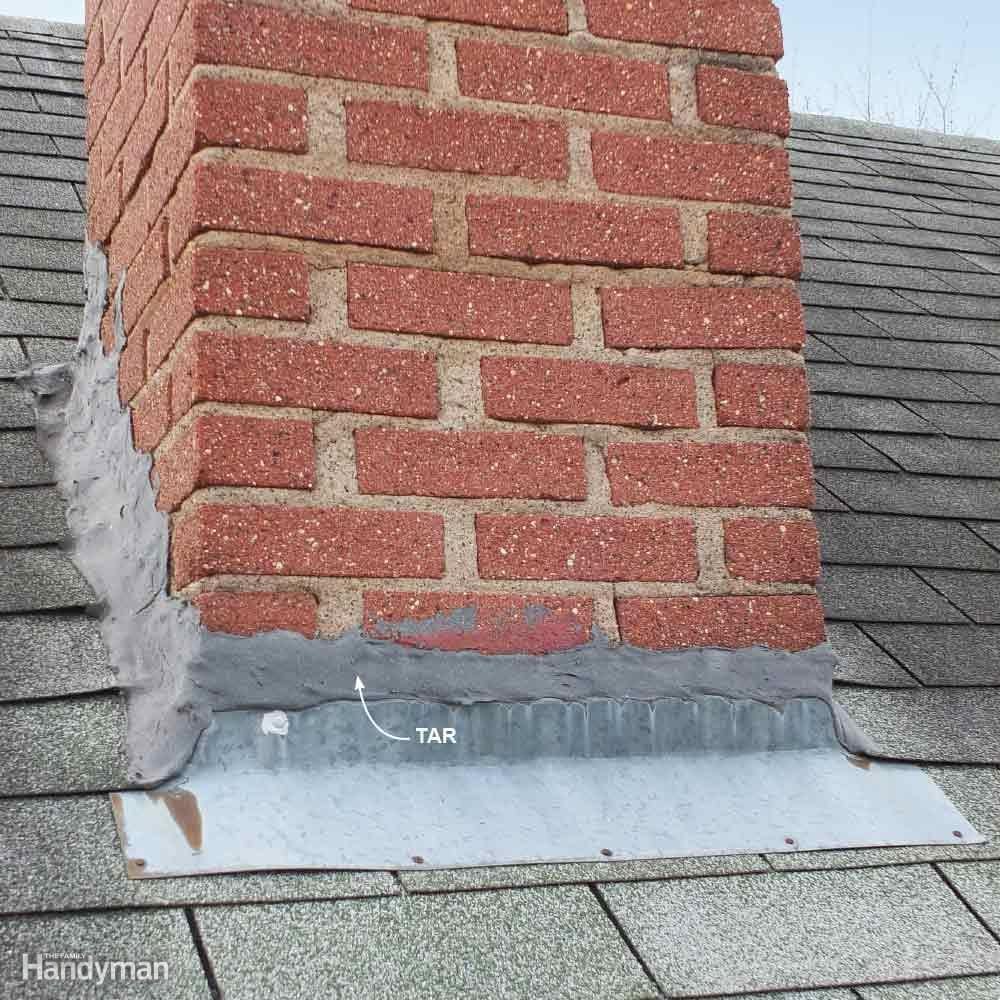
Inspect the chimney crown, mortar joints, flashing, and brickwork. Bees may enter through cracks, missing mortar, or gaps around old caps and vents. Repairing these weaknesses helps prevent insects and water intrusion at the same time.
Remove old comb completely
Old comb can attract future swarms because it smells like a ready-made bee apartment. It can also attract wax moths and other pests. Complete comb removal is one of the most important steps after an established colony has occupied the chimney.
Schedule regular chimney inspections
Even if you rarely use the fireplace, the chimney still needs attention. Annual or periodic inspections can catch missing caps, animal entry, water damage, and blockages before they become expensive problems. A chimney is not “maintenance-free” just because it sits quietly above the roof pretending to be decorative.
How Much Does Chimney Bee Removal Cost?
Costs vary widely because the job depends on species, colony size, height, roof access, chimney design, location, and whether repairs are needed. A simple swarm collection may be inexpensive or donation-based if a local beekeeper can safely reach it. An established colony inside a chimney can cost much more because it may require protective equipment, specialized tools, comb removal, cleanup, and masonry or cap work.
When comparing quotes, make sure each estimate includes the same scope. One quote may include only insect treatment, while another includes live removal, comb extraction, chimney cleaning, and exclusion. The cheapest option is not always cheapest if it leaves honeycomb behind and you have to call someone else later. In chimney bee removal, “good enough” can become “why does my fireplace smell like warm honey and regret?”
Emergency Situations: When to Act Immediately
Most chimney bee situations are not instant disasters, but some require quick action. Leave the area and call a professional immediately if bees are pouring into the house, someone has been stung multiple times, a person with a sting allergy is present, or insects are blocking an entrance or living space. If anyone shows signs of a severe allergic reaction, such as trouble breathing, swelling of the face or throat, dizziness, or fainting, call emergency services right away.
For safety, keep the fireplace doors closed if you have them, close interior doors to the room, and avoid running fans that may spread bees through the house. Do not swat. Do not spray random products indoors. Do not stand under the chimney filming dramatic footage for social media. A calm retreat is more useful than a viral video titled “Local Homeowner Loses Argument with Bees.”
Field Experience: What Chimney Bee Removal Often Looks Like in Real Life
Real chimney bee problems rarely begin with a dramatic swarm covering the whole roof. More often, the first clue is small: a few bees circling the chimney, a faint hum near the fireplace, or one confused bee wandering across the living room window. Many homeowners assume the bee “just got in somehow.” Then another appears. Then three more. By the end of the week, the fireplace room feels less like a cozy den and more like a tiny airport terminal.
One common experience is the spring swarm surprise. A homeowner notices a cloud of bees around the chimney in the afternoon. It looks alarming, but by the next morning the swarm is gone. In that case, the best “removal” was patience, distance, and prevention afterward. The important follow-up is not to shrug and forget it. A passing swarm may have investigated the chimney because it had an attractive opening. Installing a proper cap and repairing gaps can prevent the next swarm from saying, “Nice place, plenty of vertical storage, let’s move in.”
A more complicated experience happens when the bees have been present for weeks. The homeowner may hear buzzing when the room is quiet, especially near the fireplace or chimney breast. Bees may appear indoors when they follow light through the damper or small cracks. In these cases, a beekeeper may inspect the chimney and find that the colony has started building comb. Removal then becomes a careful process. The bees must be collected, the comb removed, and the chimney checked before use. This is where homeowners often realize why professional bee removal costs more than a simple service call. The job can involve ladders, roof work, protective suits, specialized vacuums, masonry access, and cleanup.
Another real-world lesson: the comb matters as much as the bees. Some people focus only on stopping the flying insects. But if honeycomb remains inside a warm chimney, it can soften, drip, smell, and attract secondary pests. Ants, roaches, wax moths, and rodents are not above accepting a free dessert bar. A homeowner may solve the buzzing problem in May and discover a new odor problem in July. Complete removal is not glamorous, but it is the difference between fixing the issue and simply changing its costume.
Homeowners also learn that professionals have different roles. A beekeeper may be excellent at saving the colony but may not repair a chimney crown. A pest control company may handle wasps but may not clean a flue. A chimney sweep may inspect and clean the system but may not remove live bees. The smoothest projects happen when the homeowner asks clear questions: Who removes the bees? Who removes the comb? Who cleans the flue? Who installs the cap? Who repairs the masonry? Getting those answers early prevents the classic home repair plot twist: “I thought that was included.”
The best experience is the one that ends with bees relocated when possible, the chimney cleaned, the entry points sealed, and the homeowner able to use the fireplace safely again. It may take coordination, but it beats improvising with smoke, sprays, and panic. Bees are impressive creatures. They make honey, pollinate plants, and navigate with astonishing skill. They simply do not need to do any of that inside your chimney.
Conclusion
Removing bees from a chimney starts with a calm assessment. If it is a temporary swarm outside the chimney, waiting briefly may solve the problem. If honey bees have moved in, a beekeeper or live bee removal specialist is often the best choice. If the insects are wasps, hornets, aggressive bees, or a safety risk, call a licensed pest professional and follow up with chimney cleaning and repairs.
The golden rule is simple: do not light a fire, do not spray blindly, and do not seal active bees inside. A chimney bee problem is fixable, but it requires the right sequence: identify, remove, clean, inspect, repair, and prevent. Do that, and your chimney can go back to its proper jobventing smoke, not hosting a buzzing penthouse suite.