Note: This article is for general educational purposes and is not a substitute for medical advice. Adults in their 60s, especially those with diabetes, kidney disease, heart conditions, osteoporosis, joint pain, or a history of falls, should speak with a qualified healthcare professional before making major diet or exercise changes.
Losing weight in your 60s is not the same game you played in your 30s, when skipping dessert for two weeks could magically make jeans behave again. After 60, the goal is not simply to make the bathroom scale go down. The smarter goal is to lose body fat while keeping as much muscle as possible. Muscle is not just for lifting grocery bags, opening stubborn pickle jars, or looking confident in a polo shirt. It supports balance, metabolism, blood sugar control, bone strength, and independence.
The tricky part is that weight loss can sometimes take muscle along for the ride. When calories drop too sharply, protein is too low, or exercise consists only of walking without strength training, the body may burn both fat and lean tissue. That is not ideal, because muscle naturally becomes harder to maintain with age. The good news is that your 60s are not too late. In fact, many people can build strength, improve body composition, and feel more energetic with a few consistent habits.
The best approach is refreshingly simple: eat enough protein, lift or push against resistance, and create a gentle calorie deficit without crash dieting. No cabbage-soup drama. No punishment workouts. No pretending plain lettuce is dinner. Below are three practical ways to lose fat, not muscle, in your 60sand actually enjoy the process.
Why Losing Fat, Not Muscle, Matters After 60
Body composition becomes more important with age because muscle mass tends to decline gradually over time. This age-related loss of muscle, often called sarcopenia, can affect strength, mobility, and daily function. At the same time, metabolism may slow, activity levels may change, and fat can become easier to gain around the waist. That combination can make weight loss feel unfair, like your body quietly changed the rules while you were busy living your life.
But weight loss should not be a race. Fast weight loss may look exciting on the scale, but it can backfire if it strips away muscle. A better strategy is to aim for steady progress: a smaller waist, better strength, improved stamina, easier movement, and healthier habits that do not make you miserable by Tuesday.
1. Eat More Protein at Each Meal
If fat loss had a favorite nutrient, protein would be wearing the crown. Protein helps preserve lean muscle during weight loss, supports recovery after exercise, and helps meals feel satisfying. That last part matters because hunger is the sneaky villain of every “I’ll start Monday” diet.
Many adults in their 60s need to pay more attention to protein because the body may become less efficient at using it to repair and build muscle. Instead of saving most protein for dinner, try spreading it across breakfast, lunch, and dinner. This gives your muscles several opportunities throughout the day to receive the amino acids they need.
What Protein Looks Like in Real Life
A muscle-preserving meal does not need to be complicated. Breakfast might include Greek yogurt with berries and walnuts, eggs with vegetables, or cottage cheese with whole-grain toast. Lunch could be chicken salad, lentil soup, tuna with avocado, tofu stir-fry, or turkey on whole-grain bread. Dinner might feature salmon, beans, lean beef, shrimp, chicken, tempeh, or a hearty vegetable omelet.
For many older adults, a useful starting point is to include a clear protein source at every meal. Think of protein as the anchor of the plate. Then add fiber-rich carbohydrates, colorful vegetables, and healthy fats. A balanced plate might be grilled chicken, roasted sweet potato, sautéed spinach, and olive oil. Another could be black beans, brown rice, salsa, avocado, and a side salad. Yes, beans count. Your muscles do not require every meal to involve a steak wearing sunglasses.
Do Not Cut Calories Too Aggressively
Protein helps, but it cannot do all the work if calories are slashed too low. Extreme dieting can leave you tired, hungry, and more likely to lose muscle. In your 60s, the goal is usually a modest calorie deficit: eating slightly less than your body uses while still getting enough nutrients.
One practical method is to reduce portions of highly processed foods, sugary drinks, desserts, fried foods, and oversized snacks while increasing lean protein, vegetables, fruit, beans, whole grains, and water. This naturally lowers calorie intake without turning every meal into a math exam.
Simple Protein-Rich Meal Ideas
Try oatmeal cooked with milk and topped with Greek yogurt. Make a salad with salmon, chickpeas, eggs, or grilled chicken. Add cottage cheese to fruit. Use tofu or edamame in stir-fries. Keep canned tuna, beans, lentils, and plain yogurt on hand for easy meals. If appetite is low, smaller protein-rich meals may be easier than one giant dinner that feels like a Thanksgiving rehearsal.
2. Strength Train at Least Two Days a Week
Walking is excellent. Swimming is excellent. Cycling is excellent. But if the goal is to lose fat without losing muscle, strength training is the non-negotiable guest at the party. Resistance exercise tells your body, “Please keep this muscle. We are using it.” Without that signal, weight loss may come from both fat and lean tissue.
Strength training does not mean you must join a gym full of mirrors and mysterious machines. Resistance can come from dumbbells, resistance bands, weight machines, your own body weight, or even household movements done safely. The key is to challenge major muscle groups: legs, hips, back, chest, shoulders, arms, and core.
Beginner-Friendly Strength Exercises
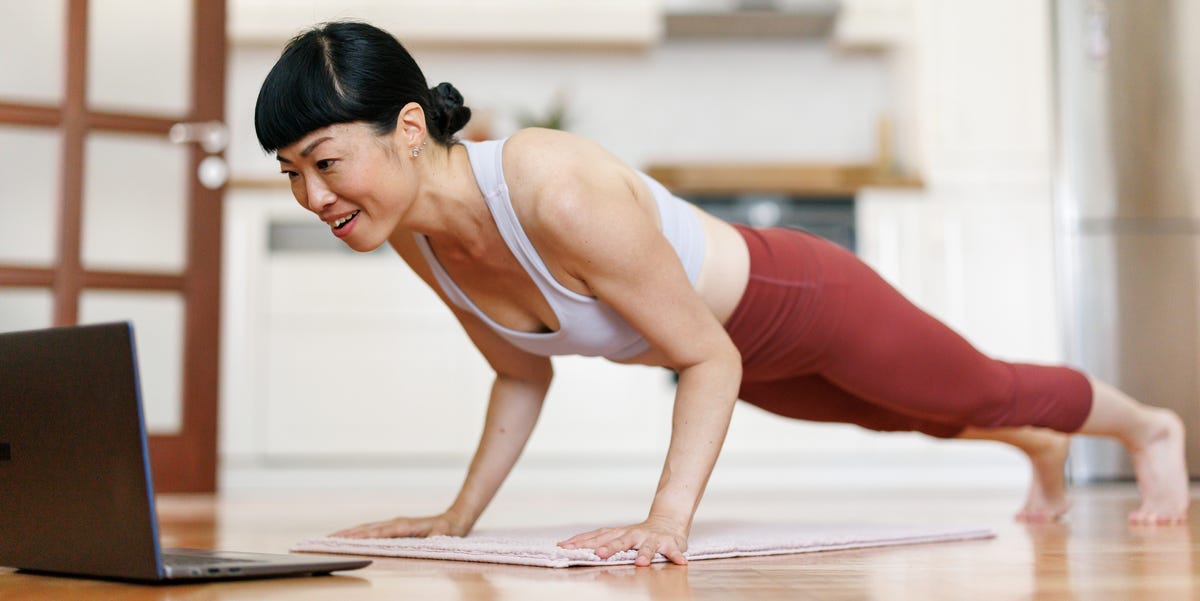
Good starting exercises may include chair squats, wall push-ups, step-ups, seated rows with a resistance band, glute bridges, biceps curls, overhead presses with light weights, and calf raises while holding a stable surface. These movements train muscles used in daily life, such as standing from a chair, climbing stairs, carrying bags, and maintaining balance.
Start with one or two sets of 8 to 12 controlled repetitions. The final few reps should feel challenging but still safe and well-controlled. Pain is not the goal. Effort is the goal. There is a difference. Your knees should not send a strongly worded complaint letter after every workout.
How to Progress Safely
Progress does not require dramatic changes. You can add one repetition, use a slightly stronger resistance band, increase the weight a little, slow down the movement, or add another set. Small increases over time encourage muscles to adapt. This is called progressive overload, but you can just call it “getting stronger without doing anything reckless.”
Rest is also part of the plan. Strength training the same muscle groups every day is not necessary for beginners. Two to three sessions per week can be enough to make meaningful progress, especially when paired with protein and adequate sleep.
Balance and Mobility Matter Too
In your 60s, fitness is not only about muscles and calories. Balance, flexibility, and joint-friendly movement help reduce fall risk and make exercise more sustainable. Add simple balance work, such as standing on one foot near a counter, heel-to-toe walking, or gentle yoga-style movements. Stretching tight calves, hips, chest, and shoulders can also help you move more comfortably.
3. Use Cardio to Burn Fat, Not Burn Yourself Out
Cardio helps create the calorie deficit needed for fat loss, supports heart health, improves endurance, and can boost mood. But more is not always better. If you do long, exhausting cardio sessions while undereating and skipping strength training, muscle preservation becomes harder.
A smart plan combines moderate aerobic activity with strength training. Brisk walking, cycling, dancing, water aerobics, hiking, pickleball, and swimming can all work. The best cardio is the kind you will actually do. If you hate treadmills, do not marry one. Find movement that feels sustainable.
The Talk Test
For moderate-intensity cardio, use the talk test. You should be able to speak in short sentences, but singing should feel difficult. If you can belt out show tunes while walking, you may be moving too casually. If you cannot say your name, your dog’s name, or “where is my water bottle,” you may be pushing too hard.
Try Short Walking Blocks
You do not need to complete all cardio at once. Three 10-minute walks can be surprisingly effective, especially after meals. Post-meal walking may help with blood sugar control and digestion, and it is easier to fit into real life than a heroic one-hour workout that keeps getting postponed.
A sample weekly plan could include brisk walking for 30 minutes on five days, strength training on two or three nonconsecutive days, and gentle stretching most evenings. Adjust the schedule based on your health, energy, and recovery. Consistency beats perfection, especially because perfection has a terrible attendance record.
What to Eat for Fat Loss Without Muscle Loss
A muscle-friendly fat-loss plate usually includes four parts: protein, plants, smart carbohydrates, and healthy fats. Protein supports muscle. Plants provide fiber, vitamins, minerals, and volume. Smart carbohydrates fuel workouts and daily activity. Healthy fats support satisfaction and overall health.
For example, a lunch plate could include grilled turkey or tofu, a big salad, quinoa, and olive-oil vinaigrette. A dinner plate could include baked fish, roasted vegetables, lentils, and a small baked potato. A snack could be plain yogurt with fruit, hummus with vegetables, or an apple with peanut butter.
Fiber Is Your Quiet Weight-Loss Friend
Fiber-rich foods help you feel full and support digestive health. Beans, lentils, vegetables, berries, apples, oats, barley, chia seeds, and whole grains are excellent choices. Fiber is not flashy, but it is dependable. It is the sensible friend who brings snacks, remembers appointments, and never suggests a 900-calorie juice cleanse.
Hydration Helps More Than People Think
Dehydration can disguise itself as fatigue, hunger, dizziness, or poor workout performance. Older adults may also have a reduced sense of thirst. Keep water nearby, and consider soups, fruit, herbal tea, and water-rich vegetables as part of hydration. People with heart failure, kidney disease, or fluid restrictions should follow medical guidance.
Common Mistakes That Cause Muscle Loss
Mistake 1: Eating Too Little
Cutting calories too hard may speed up scale weight loss, but it can also increase fatigue, cravings, and muscle loss. A slow, steady approach is more sustainable and usually better for preserving strength.
Mistake 2: Doing Only Cardio
Cardio is valuable, but it does not replace resistance training. If you want your body to keep muscle, you need to use muscle. Walking is great; lifting is the teammate that makes walking more powerful.
Mistake 3: Skipping Breakfast Protein
Many people eat toast or cereal for breakfast, a light lunch, and most of their protein at dinner. A better pattern is to include protein earlier in the day. Eggs, yogurt, cottage cheese, tofu, beans, and lean meats can help.
Mistake 4: Ignoring Sleep
Poor sleep can affect hunger hormones, energy, recovery, and food choices. Adults who sleep poorly may crave more high-calorie foods and have less motivation to exercise. Better sleep will not magically melt fat, but it makes healthy habits much easier to keep.
A Simple Weekly Plan for Your 60s
Here is an example of a balanced week for someone cleared for exercise:
- Monday: 30-minute brisk walk plus 10 minutes of stretching.
- Tuesday: Full-body strength training: chair squats, wall push-ups, rows, glute bridges, curls, and calf raises.
- Wednesday: 20- to 30-minute walk after lunch or dinner.
- Thursday: Strength training again, using the same exercises or slight variations.
- Friday: Cardio you enjoy, such as swimming, cycling, dancing, or pickleball.
- Saturday: Longer easy walk, gardening, or active errands.
- Sunday: Rest, mobility work, and meal planning.
For meals, aim to include protein at breakfast, lunch, and dinner. Add vegetables to at least two meals. Choose high-fiber carbohydrates most of the time. Keep treats reasonable, not forbidden. A plan that bans birthday cake forever is not a plan; it is a villain origin story.
How to Track Progress Without Obsessing Over the Scale
The scale is useful, but it does not tell the whole story. If you gain strength while losing fat, scale progress may be slower because muscle is dense. Track other signs: waist measurement, how clothes fit, walking speed, energy, balance, blood pressure, blood sugar, sleep quality, and how easily you stand from a chair.
Take progress photos if that feels helpful, but do not let them become a daily judgment ritual. Once every four weeks is enough. Strength numbers can be motivating too. If you move from wall push-ups to countertop push-ups, or from body-weight chair squats to holding light dumbbells, that is real progress.
Real-Life Experiences: What Losing Fat, Not Muscle, Can Feel Like in Your 60s
Many people in their 60s begin with the same concern: “I want to lose weight, but I do not want to become weaker.” That fear is reasonable. After all, nobody wants to celebrate losing 15 pounds only to discover that carrying laundry upstairs now feels like climbing Mount Everest with socks in hand.
One common experience is that the first few weeks feel more like learning than transforming. A person may realize breakfast has been mostly coffee and toast for years. Adding Greek yogurt, eggs, or cottage cheese can feel like a small change, but it often reduces midmorning hunger. Suddenly, the 10:30 a.m. cookie emergency becomes less dramatic.
Another experience is surprise at how effective simple strength training can be. Many beginners assume they need complicated workouts. In reality, chair squats, wall push-ups, resistance-band rows, and light dumbbell exercises can create a strong foundation. After several weeks, standing from a low chair may feel easier. Stairs may feel less intimidating. Grocery bags may become less rude.
Some people also discover that walking after meals is easier than forcing one long workout. A 10-minute walk after breakfast, lunch, or dinner can fit naturally into the day. It does not require special clothes, a gym membership, or the emotional preparation needed to enter a room full of fitness equipment that looks like medieval furniture.
The emotional side matters too. People often feel encouraged when they stop chasing fast weight loss and start noticing strength. The first time someone increases a dumbbell from five pounds to eight pounds, or walks farther without needing a break, confidence grows. Fat loss becomes part of a bigger story: “I am taking care of my body so I can keep doing what I love.”
Plateaus are normal. Weight may pause for two or three weeks even when habits are solid. During those times, it helps to review the basics instead of panicking. Is protein showing up at each meal? Are strength workouts happening twice a week? Are portions creeping upward? Is sleep poor? Is alcohol or snacking adding more calories than expected? Usually, the answer is not a total overhaul. It is a small adjustment.
A helpful mindset is to treat the process like gardening. You do not yell at tomatoes because they are not ripe by Thursday. You water, prune, give them sunlight, and stay consistent. Your body responds in the same slow, biological way. It needs nourishment, movement, recovery, and patience.
Another real-world lesson: convenience wins. Keeping protein-rich foods ready makes healthy eating much easier. Cook extra chicken, boil eggs, prepare lentil soup, portion Greek yogurt, wash fruit, or keep canned beans and tuna available. When hunger arrives, decisions get worse. A prepared refrigerator is like having a calm nutrition coach living behind the door.
Finally, people who succeed usually make room for enjoyment. They do not eat perfectly. They eat intentionally. They enjoy a restaurant meal, then return to normal habits. They have dessert sometimes, not because they “failed,” but because life is meant to include pleasure. The difference is that treats no longer run the whole show.
Losing fat while preserving muscle in your 60s is not about becoming younger. It is about becoming stronger, steadier, and more capable in the body you have now. That is a much better goal than simply weighing less. The scale can measure pounds, but it cannot measure confidence, independence, or the joy of moving through life with more strength.
Conclusion
The three simplest ways to lose weight in fat, not muscle, in your 60s are to eat enough protein, strength train consistently, and use cardio plus a modest calorie deficit instead of crash dieting. These habits work together. Protein gives muscles building blocks. Strength training gives muscles a reason to stay. Cardio and smart eating help reduce body fat without draining your energy.
Start small. Add protein to breakfast. Do two short strength sessions this week. Take a brisk walk after dinner. Repeat. Improve gradually. Your 60s can be a powerful decade for better health, stronger movement, and smarter weight loss. You do not need extreme rules. You need a plan your future self will thank you forand preferably one that still allows a good sandwich.