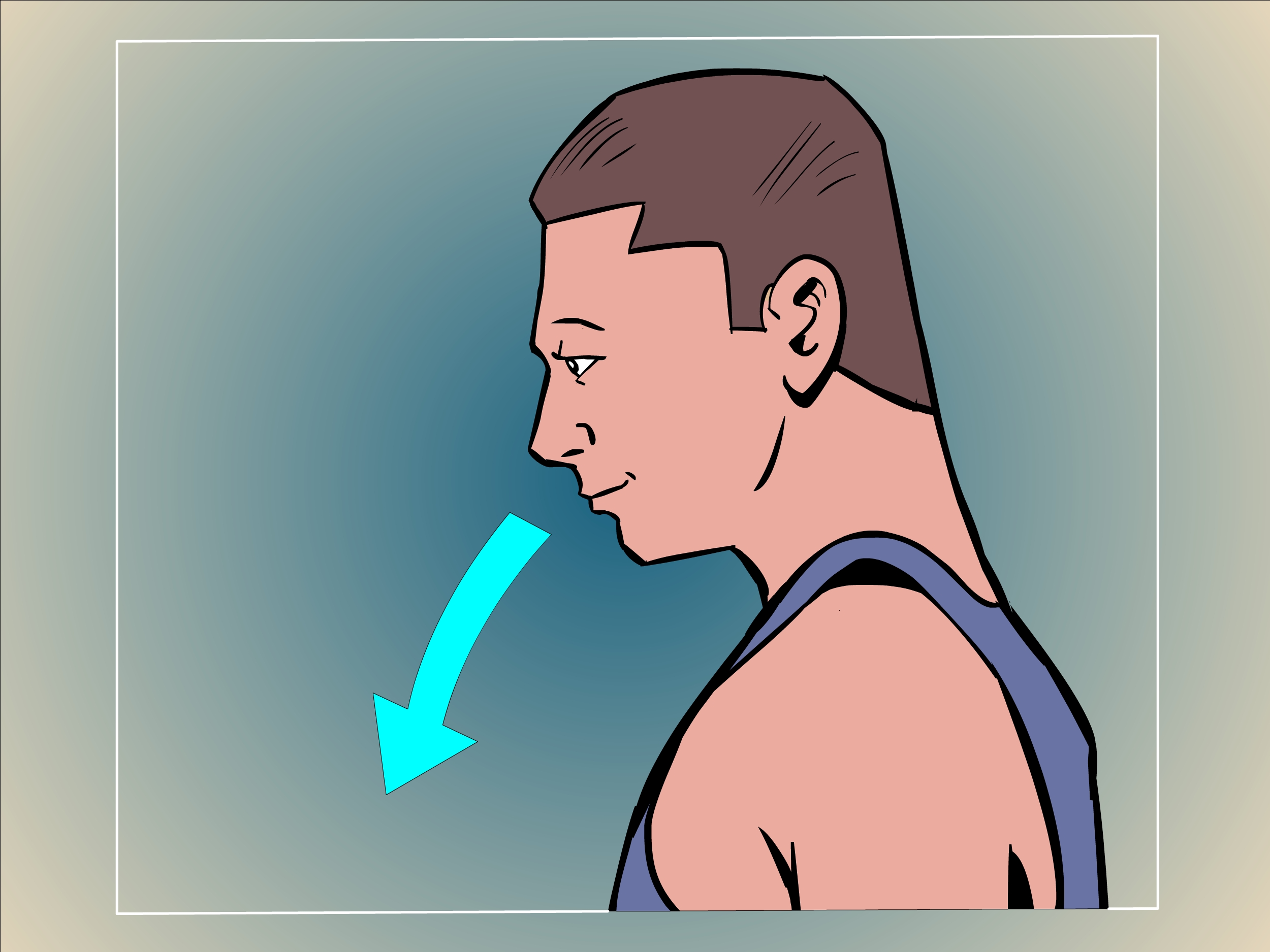
Hiccups have impeccable timing. They appear during first dates, quiet meetings, wedding speeches, and the exact moment you try to say, “No, I’m completely fine.” Fortunately, most hiccup episodes are harmless and disappear within a few minutes. Drinking water may help interrupt the reflex, although no beverage or drinking technique is a scientifically guaranteed hiccup cure.
The methods below are intended for ordinary, short-lived hiccups in healthy adults. Try them gently, stop if you cough or feel uncomfortable, and never turn a hiccup remedy into a competitive hydration event. Your diaphragm is misbehaving; it has not challenged you to a duel.
Why Might Drinking Stop Hiccups?
A hiccup begins with an involuntary spasm of the diaphragm, the large breathing muscle beneath the lungs. That contraction is followed by a sudden closure of the vocal cords, producing the familiar “hic.” The reflex involves several nerve pathways, including the vagus and phrenic nerves.
Swallowing, changing the temperature at the back of the throat, altering breathing patterns, and creating mild suction may stimulate those pathways. In theory, the new sensory activity interrupts the repetitive signal responsible for the diaphragm spasms. That explanation is plausible, but research on home remedies remains limited. Many methods are supported primarily by clinical experience and anecdotes rather than large controlled trials.
Medical basis:
Common short-term triggers include eating too quickly, overeating, swallowing air, sudden excitement, rapid temperature changes, alcohol, and carbonated beverages. Those triggers explain why changing how and what you drink may be as useful as the water itself.
Trigger guidance:
16 Drinking Techniques That May Help Stop Hiccups
1. Sip Ice-Cold Water Slowly
Slowly sip a small glass of ice-cold water. Let each swallow finish before taking the next one. Cold water may stimulate nerves in the throat while the steady swallowing pattern competes with the hiccup reflex.
There is no need to gulp. Five or six controlled sips are safer than trying to empty a giant tumbler before the next hiccup arrives. Cold-water sipping is among the most commonly suggested home remedies from major medical organizations, although it does not work for everyone.
Cold-water guidance:
2. Try Room-Temperature Water
If cold beverages irritate your teeth, stomach, or throat, use room-temperature water instead. The repetitive act of swallowing may be more important than the exact temperature.
Sit upright, relax your shoulders, and take measured sips. This gentler version is especially reasonable when the hiccups began after a sudden change in food or beverage temperature.
3. Drink a Small Glass in One Steady Sequence
Take several continuous but comfortable swallows from a small glass of water. The goal is to establish a smooth rhythm, not to drink so quickly that you cough, choke, or inhale water.
Start with only a few ounces. Stop immediately if you need to breathe, feel pressure in your chest, or have difficulty coordinating the swallows. Drinking excessive water rapidly can be dangerous and offers no extra hiccup-fighting bonus.
4. Use a Regular Straw
Slowly drink water through a straw. Suction requires slightly different coordination among the mouth, throat, diaphragm, and breathing muscles than drinking directly from a glass. That change may be enough to interrupt an ordinary hiccup cycle.
Use a normal straw and gentle suction first. Avoid lying down, and do not attempt this method if you have a swallowing disorder or frequently cough while drinking.
5. Try Controlled Suction Through a Narrow Straw
A narrower straw creates more resistance, making the diaphragm work slightly harder during suction. Specialized anti-hiccup devices use a similar concept: forceful suction activates the diaphragm and phrenic nerve, while swallowing stimulates the vagus nerve.
You do not need to imitate a medical device with extreme suction. Take one or two small sips through a narrow, food-safe straw and stop if the effort feels uncomfortable. People with respiratory, cardiac, or swallowing problems should skip resistance-based methods unless a clinician says they are appropriate.
Suction mechanism:
6. Gargle Ice Water, Then Swallow a Sip
Gargling stimulates the back of the throat, an area connected to nerve pathways involved in the hiccup reflex. Gargle a small mouthful of ice water for several seconds, spit it out, and then take one normal sip.
Do not gargle during the exact instant of a forceful hiccup. Wait until your breathing feels controlled, and use only a small amount of water to reduce the risk of inhaling it.
Gargling guidance:
7. Drink From the Far Side of the Glass
Fill a glass only partway. Bend slightly forward and place your lips on the rim farthest from you. Tilt the glass carefully and take one or two small sips.
This awkward-looking technique changes your posture, swallowing angle, and breathing pattern at the same time. That combination may interrupt the reflex. Perform it while seated over a sink or table, because spilling water down your shirt may stop the hiccups only by giving you an entirely different problem.
Far-rim method:
8. Sip While Leaning Forward
For a simpler variation, lean your upper body forward slightly while taking slow sips from the near side of the glass. The mild bend may change pressure around the diaphragm while swallowing provides additional nerve stimulation.
Keep your airway comfortable and your movements controlled. Do not fold sharply at the waist or tilt your head so far that swallowing becomes difficult.
9. Drink Through a Clean Paper Towel
Place a clean, single-layer paper towel over the top of a glass and drink through it. The towel creates resistance, encouraging stronger suction and more deliberate swallowing.
This remedy has appeared in clinical discussions, but evidence is anecdotal. Use an intact towel that does not tear into the water, and do not use napkins containing fragrances, dyes, cleaning chemicals, or loose fibers. Skip this technique for children and anyone with swallowing difficulties.
Paper-towel method:
10. Alternate One Sip With One Slow Exhale
Take a small sip of water, swallow completely, and then exhale slowly before taking the next sip. Repeat the sequence three to five times.
This combines controlled swallowing with paced breathing, which may calm a hiccup episode triggered by excitement, laughter, or stress. Never try to swallow while actively inhaling, and do not hold water in your mouth while waiting for a hiccup.
11. Let an Ice Chip Melt Before Swallowing
Allow a small ice chip to melt gradually in your mouth, then swallow the cold water. This provides prolonged cold stimulation without requiring rapid drinking.
Use a small, rounded piece rather than a large cube. Do not chew hard ice, and never give loose ice to a young child or anyone at risk of choking.
12. Try Mild Lemon Water
Add a small squeeze of lemon to a glass of water and take one or two sips. Sour flavors may provide a strong sensory signal that distracts the nervous system from the hiccup reflex.
More lemon is not better. Concentrated citrus can irritate acid reflux, sting mouth sores, and gradually affect tooth enamel. Keep the mixture weak, rinse your mouth with plain water afterward, and skip this method if acidic drinks worsen your symptoms.
Sour stimulation:
13. Choose a Still Electrolyte Drink
If the hiccups appeared after exercise, heat exposure, vomiting, or another situation involving fluid loss, a noncarbonated electrolyte beverage can provide hydration while you practice slow, controlled swallowing.
The electrolytes themselves are not a proven hiccup cure. Choose a still beverage rather than a fizzy sports drink, and avoid consuming large amounts quickly. People with kidney disease, heart failure, diabetes, or fluid restrictions should follow their clinician’s hydration advice.
14. Sip Warm, Caffeine-Free Tea
Some people find warmnot scaldingliquid more comfortable than ice water. A mild caffeine-free tea can encourage slower sipping and relaxation, particularly when stress or hurried eating appears to have triggered the episode.
This is a comfort strategy rather than a proven treatment. Avoid peppermint if it aggravates reflux, and do not use very hot drinks, since sudden temperature extremes may trigger or worsen hiccups in some people.
15. Replace Soda or Alcohol With Plain Water
When hiccups begin during a soda, beer, sparkling-water, or cocktail session, stop drinking the likely trigger. Carbonation expands the stomach, while alcohol can irritate the digestive tract and contribute to hiccups.
Switch to a few slow sips of plain still water. The change may not end the episode instantly, but continuing the original drink can keep feeding the conditions that started it.
Beverage triggers:
16. Pause, Reset, and Resume Drinking More Slowly
If you tend to gulp beverages, pause for a minute. Sit upright, allow your breathing to settle, and resume with smaller sips. Avoid talking while swallowing and leave a brief space between drinks.
This method focuses on preventing more swallowed air and stomach distention. It is particularly useful when hiccups repeatedly appear during hurried lunches, large meals, celebrations, or enthusiastic conversations in which breathing has become an optional activity.
Which Drinking Method Should You Try First?
Begin with the least complicated option: sit upright and take several slow sips of cold or room-temperature water. If the hiccups continue, try gargling or using a regular straw. The far-side method, paper-towel method, and narrow-straw method require more coordination and should be reserved for adults who swallow normally.
Give each approach a brief trial rather than repeating it obsessively. Most hiccups stop naturally, so it is often impossible to know whether the remedy worked or the diaphragm simply completed its tiny solo performance.
Drinking Tricks to Avoid
Do not chug enormous quantities of water, force yourself to swallow without breathing, drink while lying flat, or have another person surprise you while liquid is in your mouth. Avoid extreme “upside-down” positions that make it difficult to protect your airway.
Alcohol is not a hiccup treatment. Carbonated drinks may enlarge the stomach and make hiccups more likely. Undiluted vinegar, very hot liquids, and highly concentrated lemon juice can irritate the mouth, esophagus, stomach, or teeth. A home remedy should not create a second medical complaint with better special effects.
When Hiccups Need Medical Attention
Ordinary hiccups usually resolve within minutes. Contact a healthcare professional when hiccups last longer than 48 hours, return frequently, or interfere with eating, drinking, speaking, breathing, or sleeping. Persistent hiccups can sometimes be associated with medication effects, acid reflux, metabolic problems, irritation of the vagus or phrenic nerves, or conditions affecting the brain and nervous system.
Duration and care guidance:
Seek urgent care when hiccups occur with severe chest or abdominal pain, difficulty breathing, choking, confusion, fainting, new weakness, facial drooping, trouble speaking, a severe headache, or another sudden neurological symptom. Drinking more water is not an appropriate response to a possible emergency.
Real-Life Experiences With Drinking Methods
The following are illustrative composite experiences based on commonly reported situations. They are not individual medical case reports and do not prove that a particular remedy works.
The Office-Meeting Hiccup
Imagine someone finishing a sandwich in six minutes because a video meeting is about to begin. The first hiccup arrives just as the manager asks for an update. The person mutes the microphone, takes five slow sips of cold water, and concentrates on completing each swallow. The hiccups fade after a minute.
Did the cold water cure them? Possibly, but the pause may have mattered just as much. The person stopped talking, slowed the breathing rate, sat upright, and quit inhaling lunch as though the sandwich had confidential information. The practical lesson is that the simplest drinking method often works best because it forces several calming changes at once.
The Carbonated-Drink Episode
At a birthday party, another person alternates pizza with sparkling soda. Hiccups begin halfway through the second glass. The instinct is to take an even larger gulp, which introduces more carbonation and swallowed air. The better response is to set the soda aside and switch to still water.
The episode may continue briefly, but it becomes less intense after the person stops feeding the likely trigger. On future occasions, smaller portions, slower drinking, and fewer carbonated beverages reduce the pattern. This experience highlights an important point: sometimes the best “hiccup drink” is simply a replacement for the drink that caused the problem.
The Straw Experiment
A person who gets hiccups after laughing tries water through a straw. Ordinary sipping does little, but the concentration required to create steady suction changes the breathing rhythm. After several controlled swallows, the hiccups stop.
The method feels convincing because the change is immediate. However, hiccups frequently end without treatment, so one successful attempt does not establish a universal cure. The sensible approach is to remember the technique as a low-risk personal option without announcing that medical science has been conquered by a reusable straw.
The Far-Side-of-the-Glass Adventure
Another person tries drinking from the far rim after standard sipping fails. Leaning forward and coordinating the unusual angle requires enough attention to interrupt normal breathing and swallowing habits. The hiccups disappearbut some water lands on the counter.
This method may be useful for a healthy adult with normal balance and swallowing ability. It is less suitable for children, older adults with mobility limitations, or anyone who coughs while drinking. The experience demonstrates why a harmless-looking home remedy still needs basic safety judgment.
The Repeat-Hiccup Pattern
Finally, consider someone who repeatedly develops hiccups after large evening meals. Cold water sometimes helps, lemon water sometimes worsens heartburn, and no trick works consistently. Keeping track of the episodes reveals the real pattern: oversized portions, rapid eating, alcohol, and lying down soon afterward.
Smaller meals and slower, noncarbonated drinks reduce the frequency more effectively than any dramatic technique. When hiccups continue for days or disrupt sleep, the person contacts a clinician rather than moving on to increasingly theatrical internet remedies. The broader lesson is that short-term tricks can be entertaining and occasionally useful, but recurring hiccups deserve attention to triggersand persistent hiccups deserve medical evaluation.
Conclusion
Drinking water may stop ordinary hiccups by changing swallowing, breathing, throat sensation, or nerve activity. Start with slow sips of cold or room-temperature water. Gargling, straw sipping, or carefully drinking from the far side of a glass can be reasonable next steps for healthy adults.
Keep expectations realistic. No drinking technique is guaranteed, and many home remedies have not been tested in strong clinical trials. Use small quantities, protect your airway, avoid likely triggers such as carbonation and alcohol, and let common sense remain in charge of the beverage department.