There are few household mysteries more annoying than pulling out a favorite wool sweater and finding a tiny hole that was absolutely not there last winter. Clothes moths are quiet, shy, and annoyingly talented at ruining natural fabrics while you are busy living your life. The adults flutter around like tiny beige confetti, but the real villains are the larvae hiding in wool, cashmere, silk, fur, feathers, felt, upholstery, rugs, pet bedding, and dark closet corners.
The good news: clothes moth traps can help you detect, monitor, and reduce an infestation before your wardrobe turns into an all-you-can-eat buffet. The less-good news: traps are not magic. A pheromone trap catches adult male moths, which helps interrupt breeding, but it will not vacuum your closet, launder your sweaters, or politely ask larvae to leave. For best results, traps should be part of a complete clothes moth control plan that includes cleaning, inspection, proper storage, and regular monitoring.
This guide explains the 10 most useful complete clothes moth trap setups, how they work, where to place them, and what to do after they start catching moths. Think of it as wardrobe securityminus the tiny uniforms.
What Are Clothes Moth Traps?
Clothes moth traps are usually sticky traps baited with a species-specific pheromone lure. The lure mimics the scent female moths use to attract males. Male moths follow the scent, land on the adhesive surface, and get stuck. This does two important things: it helps you confirm that clothes moths are present, and it reduces the number of males available for mating.
Most traps are designed for the two common fabric-damaging species found in homes: the webbing clothes moth and the casemaking clothes moth. Some traps target only one species, while others are marketed for both. That distinction matters because a pantry moth trap will not solve a clothes moth problem, just as a pizza coupon will not attract someone looking for sushi.
Why Clothes Moth Traps Work Best With a Full Plan
Adult clothes moths do not eat fabric. The larvae do. They feed on keratin, a protein found in animal-based fibers such as wool, silk, cashmere, feathers, fur, and hair. They also love fabric stained with sweat, food, skin oils, pet dander, or dust. Dark, quiet, undisturbed places are their favorite neighborhoods.
That means a trap is a warning system and a population-reduction tool, not a complete cure by itself. If your trap catches moths, inspect nearby garments, rugs, upholstered furniture, baseboards, closet cracks, storage bins, and pet beds. Wash, dry clean, heat-treat, or freeze vulnerable items. Vacuum thoroughly, especially along edges and under furniture. Then keep traps in place to track whether the problem is declining.
10 Complete Clothes Moth Traps for Smarter Wardrobe Protection
1. Pheromone Sticky Tent Traps for Closets
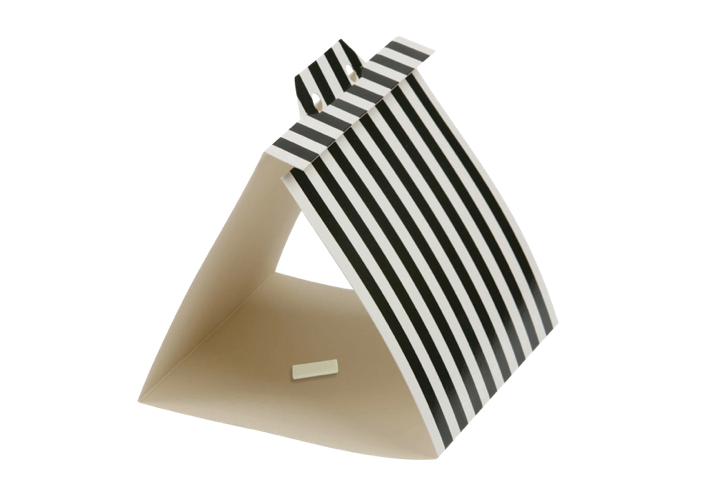
The classic clothes moth trap is a folded cardboard tent with a sticky interior and pheromone attractant. It is easy to use, discreet, and ideal for bedroom closets, coat closets, linen closets, and wardrobe cabinets. Place it on a shelf, closet floor, or other horizontal surface near natural-fiber clothing.
This trap style works well because it exposes the lure while protecting the sticky surface from dust. It is especially useful when you are not sure whether you have clothes moths or simply one suspicious flying insect that looked guilty. Check the trap every one to two weeks. If you catch moths, start inspecting the nearest clothing first.
Best for: General closet monitoring, wool sweaters, cashmere storage, and early detection.
2. Hanging Pheromone Traps for Wardrobes
Hanging clothes moth traps are designed to sit among garments without taking up shelf space. They usually include a hook, tab, or loop that lets you hang the trap from a closet rod. This is a practical choice for packed wardrobes, long coats, suits, and formalwear that do not get moved often.
The key is airflow. Do not bury the trap behind ten winter coats and expect it to perform like a superhero. Hang it where air can circulate, but avoid placing it directly against delicate fabrics. If you have a large closet, use more than one trap: one high, one low, and one near the area where you first saw damage.
Best for: Busy closets, hanging garments, suits, wool coats, and dress storage.
3. Drawer and Dresser Moth Trap Cards
Small trap cards or refill pads are useful in drawers, dressers, and compact storage spaces. These traps are especially helpful for folded sweaters, scarves, wool socks, knit accessories, and cashmere pieces stored in drawers. Because clothes moths prefer dark spaces, drawers can become cozy little moth apartments if clothing sits untouched for months.
Use drawer traps carefully. Keep sticky surfaces away from fabric, and place the trap where it will not be crushed. If you store expensive knitwear, place clean items in breathable cotton bags or sealed containers, then use traps nearby as a monitoring tool.
Best for: Sweater drawers, scarf storage, sock drawers, and small wardrobes.
4. Under-Furniture Carpet Moth Traps
Clothes moth larvae do not limit themselves to clothing. Wool rugs, felt pads, upholstered furniture, and dust-filled areas under sofas can also attract them. Under-furniture traps are designed for low, dark spaces where moth activity often goes unnoticed until damage appears.
Place traps near rug edges, beneath upholstered chairs, under beds, behind storage benches, or close to baseboards. If a trap catches moths near a rug, inspect both the top and underside. Pay attention to areas hidden under furniture legs, where larvae can feed peacefully while pretending rent is free.
Best for: Wool rugs, carpet edges, upholstered furniture, and under-bed areas.
5. Multi-Species Clothes Moth Trap Kits
Some kits are designed to attract more than one clothes moth species, usually webbing clothes moths and casemaking clothes moths. These kits are especially useful if you cannot identify the exact moth type. Webbing clothes moth larvae often leave silken webbing and feeding tunnels, while casemaking clothes moth larvae carry a little case with them like a dramatic sleeping bag.
A multi-species kit can be a smart first choice for homeowners who see fabric damage but are unsure what is causing it. However, remember that carpet beetles can also damage clothing and rugs, and pheromone moth traps will not catch them. If traps stay empty but damage continues, investigate other fabric pests.
Best for: Unknown moth species, mixed storage areas, and first-time inspections.
6. Refillable Delta Traps for Long-Term Monitoring
Refillable delta traps are commonly used in pest monitoring because the outer trap can be reused while the sticky liner or pheromone lure is replaced. They are a practical option for people with ongoing moth pressure, large homes, textile collections, vintage clothing, or storage rooms.
The advantage is consistency. You can place traps in the same spots month after month and track activity over time. Write the date on each lure or sticky card when you install it. Most pheromone lures are effective for a limited period, often around two to three months, depending on the product. Replacing them on schedule keeps your monitoring reliable.
Best for: Long-term prevention, textile storage, vintage collections, and recurring infestations.
7. Closet Zone Trap Systems
A closet zone system uses several traps in strategic positions rather than placing one lonely trap and hoping for the best. For example, you might place one trap near the floor, one on a shelf, and one near hanging wool items. This setup helps you identify where moth activity is strongest.
Zone trapping is useful because clothes moths are not strong flyers. If one trap catches more moths than the others, the infestation source may be nearby. Check the surrounding garments, corners, storage boxes, and baseboards first. This method turns your closet into a tiny investigation sceneminus the dramatic crime music.
Best for: Large closets, walk-in wardrobes, and locating the source of activity.
8. Storage Bin Monitoring Traps
Out-of-season clothing is a common moth target because it often sits untouched for months. Storage bin traps help monitor areas where wool blankets, sweaters, costumes, heirloom textiles, or winter coats are packed away. However, do not rely on traps inside a sealed bin as your only defense.
The best approach is to clean items before storage, dry them completely, pack them in airtight containers, and place traps near the storage area. If you open a bin and find larvae, webbing, or unexplained holes, treat the contents before returning them to storage. Clean first, trap second, celebrate third.
Best for: Seasonal clothing, wool blankets, attic storage, basement storage, and heirloom textiles.
9. Natural-Fiber Wardrobe Protection Kits
Some complete moth-control kits combine pheromone traps with cedar blocks, lavender sachets, garment bags, or storage bags. These can be useful when you want a prevention routine rather than a single trap. Cedar and lavender may help deter moths, but they should not replace cleaning or pheromone monitoring.
Use natural repellents as supporting players. Cedar loses scent over time and may need light sanding or replacement. Lavender sachets should be refreshed. Most importantly, natural scents will not remove larvae already feeding inside a sweater. If there is active damage, inspect and treat the fabric directly.
Best for: Prevention-focused closets, clean seasonal storage, and low-level monitoring.
10. Professional-Style IPM Trap Grids
An integrated pest management trap grid is the most complete setup for serious infestations. Instead of random placement, traps are mapped throughout the home: closets, bedrooms, hallways, under furniture, storage areas, attic spaces, and rooms with wool rugs. Each trap is numbered and checked on a schedule.
This method helps you see patterns. If traps in one bedroom catch moths but traps elsewhere stay empty, you can focus cleaning and treatment in that area. If several rooms show activity, the source may be a rug, upholstered furniture, pet bedding, or stored textile item. A professional-style trap grid is especially helpful for large homes, museums, costume collections, resale clothing businesses, or anyone with enough wool to make a sheep nervous.
Best for: Heavy infestations, large homes, textile collections, and professional-level monitoring.
How to Choose the Best Clothes Moth Trap
Match the Trap to the Pest
Always choose a trap labeled for clothes moths, not pantry moths. Pantry moth traps are designed for grain and food pests, while clothes moth traps target fabric pests. If the label mentions closets, wardrobes, wool, cashmere, rugs, or clothing, you are probably in the right aisle.
Check the Species Coverage
Some traps work for webbing clothes moths, some for casemaking clothes moths, and some for both. If you can identify the species, choose a targeted trap. If you cannot, start with a multi-species clothes moth trap kit.
Consider Placement
Choose hanging traps for crowded closets, tent traps for shelves and floors, low-profile traps for under furniture, and refillable traps for long-term monitoring. A trap that fits the space is more likely to be used correctly.
Avoid Overcrowding the Area With Too Many Lures
More is not always better. Too many pheromone lures in a small area can confuse monitoring results. Follow the product instructions for spacing and replacement. If your closet is small, one or two traps may be enough.
Where to Place Clothes Moth Traps
Place traps where moths are likely to travel: closet floors, shelves, near wool clothing, under beds, beside wool rugs, near baseboards, inside storage rooms, and around upholstered furniture. Clothes moths prefer darkness, so bright windowsills are usually less useful than quiet corners.
Do not place traps where children or pets can easily touch the adhesive. Avoid dusty spots that will clog the glue quickly. Keep traps away from strong airflow, open windows, or fans that may reduce pheromone concentration.
What to Do When a Trap Catches Moths
First, do not panic. One or two moths may indicate early activity, while repeated captures suggest a more established problem. Start by inspecting the nearest fabrics. Look for irregular holes, thinning areas, silk webbing, larvae, tiny cases, shed skins, and gritty debris called frass.
Next, remove vulnerable items from the area. Wash what can be washed, dry clean delicate wool or silk, and vacuum closets thoroughly. Use a crevice tool along baseboards, shelf seams, drawer corners, rug edges, and floor cracks. Dispose of vacuum contents outside the home. For items that cannot be washed, freezing in sealed bags or heat treatment may help, depending on the fabric and care instructions.
Common Mistakes to Avoid
Using Pantry Moth Traps
Pantry moth traps do not target clothes moths. If your sweaters are being eaten, a trap designed for flour and cereal pests is not going to save your cashmere cardigan.
Expecting Traps to Kill Larvae
Pheromone traps catch adult males. They do not kill eggs or larvae hiding in clothing. Cleaning and fabric treatment are still necessary.
Leaving Dirty Clothes in Storage
Moths are attracted to natural fibers, but stains and body oils make items even more appealing. Always clean garments before long-term storage.
Ignoring Rugs and Upholstery
If traps keep catching moths but your closet looks clean, inspect wool rugs, furniture, pet beds, and stored blankets. The problem may not be hanging on a coat hanger.
Experience-Based Tips for Using Clothes Moth Traps
After dealing with clothes moth prevention in real homes, one lesson becomes obvious: the trap is only as good as the routine around it. Many people buy a pack of traps, place one in the closet, forget about it for six months, and then wonder why the moths did not read the eviction notice. A better approach is to treat traps like smoke detectors. They need correct placement, scheduled checks, and timely replacement.
A practical experience-based routine starts with a closet reset. Remove everything from the closet, not just the three items in front. Clothes moth larvae love the forgotten zone: the wool scarf that slipped behind a drawer, the old felt hat on the top shelf, the blanket under the bed, or the pet hair collecting near the baseboard. Vacuum first, wipe shelves, and inspect natural-fiber clothing under good light. If you find holes, do not assume the damaged item is the only problem. Look at neighboring garments, especially those touching it.
Another useful habit is labeling traps with the installation date. Use a marker and write the date directly on the trap. This tiny step prevents the classic “Was this trap from March or from the previous presidential administration?” problem. Replace traps according to the manufacturer’s schedule, commonly every few months. If a trap is full of dust, pet hair, or moths, replace it sooner.
Placement also matters more than people expect. In a walk-in closet, one trap near the door may miss activity in the back corner. In a bedroom with a wool rug, a closet trap may catch only part of the story. Try placing traps in zones: one near hanging wool, one near folded knits, one near the floor, and one near any rug or upholstered furniture. After two to four weeks, compare catches. The busiest trap often points toward the source.
People with pets should pay special attention to pet hair. Clothes moth larvae can feed on animal fibers, and pet hair collecting under furniture can become a hidden food source. Vacuum under beds, sofas, chairs, and along baseboards. If your dog has a favorite wool blanket, inspect it. If your cat sleeps in the sweater drawer, first, congratulations on being owned by a cat; second, clean that drawer carefully.
For seasonal storage, experience says clean first and seal second. Never store worn wool “just for a week” unless you enjoy gambling with knitwear. Launder or dry clean items before packing. Use airtight bins or sealed garment bags for valuable natural-fiber pieces. Place monitoring traps near the storage area, not pressed directly into delicate clothing. When you unpack items months later, inspect before returning them to the closet.
Finally, do not be discouraged if traps catch moths after cleaning. That can mean the traps are doing their job and revealing remaining activity. Keep inspecting, cleaning, and monitoring. A steady decline in trap counts is a good sign. If counts stay high, expand your search area or consider professional pest control support, especially if valuable rugs, antique textiles, or large wardrobes are involved.
Conclusion
Complete clothes moth traps are most effective when they are used as part of a smart, consistent fabric-protection system. Pheromone sticky traps help detect adult moths, locate problem areas, and reduce breeding activity, but the real victory comes from combining traps with cleaning, inspection, proper storage, and regular follow-up.
Choose traps based on your space: hanging traps for wardrobes, tent traps for shelves, low-profile traps for rugs and furniture, refillable traps for long-term monitoring, and multi-species kits when identification is uncertain. Keep vulnerable fabrics clean, store seasonal items properly, and check traps on schedule. With patience and a little closet detective work, you can protect wool, cashmere, silk, rugs, and heirloom textiles from becoming moth lunch.
Note: This article is based on current clothes moth control principles from reputable pest management, university extension, and household pest guidance sources. Source links are intentionally omitted as requested.