A perfect pedicure is more than a glossy coat of polish and a dramatic sandal reveal. It is part beauty ritual, part foot-care strategy, and part tiny vacation for two body parts that do a shocking amount of unpaid labor. Your feet carry you through grocery-store marathons, airport sprints, workdays, workouts, and the occasional “I can totally break in these shoes in one night” mistake. They deserve better than a rushed trim and a mystery bottle of lotion from 2014.
The good news? You do not need celebrity-level spa access to get smooth heels, neat nails, and healthy-looking feet. Whether you love a salon pedicure or prefer a cozy at-home setup, the best results come from clean tools, smart trimming, gentle exfoliation, proper moisturizing, and a little patience. In this guide, we will walk through how to get a perfect pedicure safely, how to choose the right products, what to avoid, and how to keep your feet looking polished long after the polish dries.
What Makes a Pedicure “Perfect”?
A perfect pedicure should look beautiful, feel comfortable, and support healthy feet. That means the toenails are trimmed correctly, the skin is softened without being scraped raw, the cuticles are treated gently, and the polish is applied in thin, even layers. A great pedicure should never leave your toes sore, bleeding, swollen, or suspiciously itchy. Glamour is nice. A preventable infection? Not part of the package.
The ideal pedicure also fits your lifestyle. A runner may need shorter nails and callus care that protects the foot instead of removing too much skin. Someone preparing for vacation may want long-lasting gel polish. A person with diabetes, poor circulation, nerve damage, or recurring ingrown toenails should be more cautious and may need medical foot care instead of a standard salon service. The “perfect” pedicure is personal, practical, and safe.
Before You Start: Pedicure Safety Comes First
Cleanliness is the foundation of every good pedicure. Your feet are exposed to moisture, friction, sweat, and public surfaces, so sanitation matters. At home, wash your tools, disinfect metal implements, and avoid sharing clippers or files. At a salon, look for clean workstations, fresh towels, sealed or freshly disinfected tools, and foot baths that are cleaned between clients. If the salon looks like it has been through a glitter tornado and lost, choose another one.
Avoid Pedicures When Your Feet Need Medical Attention
Skip cosmetic pedicures if you have open cuts, sores, blisters, swelling, unexplained redness, active athlete’s foot, or possible toenail fungus. Signs of nail fungus may include thickened, yellow, brown, white, crumbly, or lifting nails. An ingrown toenail may cause pain, redness, tenderness, or swelling around the nail edge. These issues are better handled by a healthcare professional, podiatrist, or dermatologist before polish enters the chat.
Do Not Shave Right Before a Pedicure
Shaving your legs right before a salon pedicure can create tiny nicks in the skin. Those little openings may be too small to see but big enough to let bacteria in, especially when feet are soaking in warm water. If you plan to shave, do it the day before rather than right before your appointment. Your nail technician has seen leg stubble before. No one is writing a memoir about it.
Essential Tools for an At-Home Pedicure
A great home pedicure starts with the right tools. You do not need a drawer full of gadgets, but you do need clean, practical basics. Gather a foot basin, mild soap, clean towel, toenail clippers with a straight edge, nail file or emery board, cuticle oil, foot file or pumice stone, moisturizer, base coat, nail polish, top coat, toe separators, and polish remover. If you like a spa vibe, add Epsom salt, a foot mask, or a candle that says “luxury” even though you bought it on sale.
Use separate tools for feet and hands when possible. Toenails are thicker and need a sturdier clipper. Avoid using razors, blades, or aggressive callus shavers at home. Removing too much skin can cause irritation, cuts, and pain. Calluses often form to protect pressure points, so the goal is to smooth them, not wage war on them.
Step-by-Step Guide to a Perfect Pedicure
Step 1: Remove Old Polish Gently
Start with a clean slate by removing old nail polish. Use a gentle nail polish remover and avoid scrubbing harshly. Acetone works quickly, especially on stubborn polish, but it can dry the nails and surrounding skin. After removing polish, wash your feet or wipe the nails clean so the new polish adheres better.
Step 2: Soak Your Feet, But Do Not Overdo It
Soak your feet in warm, not hot, water for about 5 to 10 minutes. Add a small amount of mild soap or a foot soak if you like. This softens the skin and makes nails easier to trim. However, soaking too long can make skin overly soft and more vulnerable to irritation. Think relaxing foot bath, not “toes becoming soup.”
Step 3: Trim Toenails Straight Across
Use straight-edge toenail clippers and trim nails straight across. Avoid cutting deeply into the corners or rounding the edges too much, because that can increase the risk of ingrown toenails. Leave a small amount of white nail edge rather than cutting nails extremely short. If your nails are thick, trim slowly in small clips instead of trying to chomp through the whole nail in one heroic move.
Step 4: File in One Direction
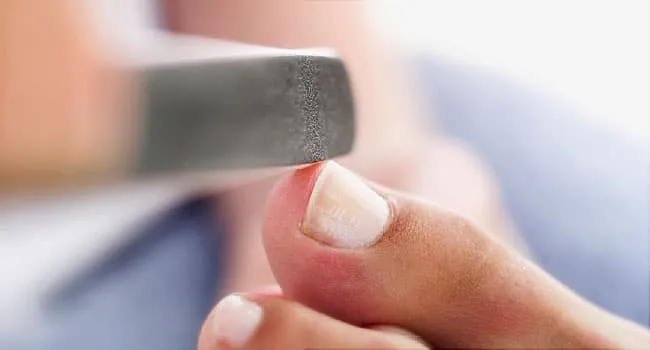
After trimming, smooth the edges with a nail file. File lightly in one direction rather than sawing back and forth aggressively. The goal is to remove sharp corners without thinning or weakening the nail. If you are shaping your toenails, keep the shape mostly square with slightly softened corners.
Step 5: Treat Cuticles with Kindness
Cuticles help protect the nail area from germs. Instead of cutting them, apply cuticle oil or cream and gently push them back with a clean tool if needed. Avoid digging around the nail fold. Healthy cuticles may not look as dramatic as a “before and after” social media video, but they are doing important security-guard work for your toes.
Step 6: Exfoliate Rough Skin Carefully
Use a pumice stone or foot file on damp skin to smooth rough spots on heels, balls of the feet, and sides of the toes. Apply light pressure and stop before the skin feels tender. Do not try to remove every callus. A little thickness can protect your feet, especially if you walk, run, or stand often. Finish by rinsing and drying your feet thoroughly, especially between the toes.
Step 7: Moisturize Like You Mean It
Apply a rich foot cream or lotion to the tops and bottoms of your feet. Ingredients like glycerin, urea, shea butter, lactic acid, or petrolatum can help soften dry skin. Avoid putting heavy moisturizer between the toes, where trapped moisture may encourage fungal growth. For extra softness, moisturize at night and wear breathable cotton socks for an hour or overnight.
Step 8: Prep Nails for Polish
Before polishing, wipe each nail with a little polish remover or alcohol on a cotton pad to remove oil and lotion. This helps polish stick. Add toe separators or twist a tissue between your toes. It may look silly, but it prevents your fresh polish from turning into abstract art.
Step 9: Apply Base Coat, Polish, and Top Coat
Apply a thin base coat first. This helps protect the nail and gives polish a smoother surface. Next, apply two thin coats of color, allowing each coat to dry slightly before the next. Thick coats may look satisfying at first but tend to bubble, smudge, and take forever to dry. Finish with a top coat to seal shine and extend wear. Reapply top coat every few days if you want your pedicure to last longer.
Salon Pedicure Tips: How to Choose the Right Place
A salon pedicure can be wonderfully relaxing, but the salon should meet basic cleanliness standards. Choose a licensed salon with visible sanitation practices. Tools should be cleaned and sterilized or single-use. Foot basins should be disinfected between clients. Nail technicians should wash their hands or use gloves, and they should never use the same file, buffer, or pumice stone on multiple people unless it has been properly disinfected.
Do not be shy about asking how tools and foot spas are cleaned. A reputable salon will not act offended. They may even appreciate that you care. If the answer is vague, rushed, or delivered with the emotional warmth of a parking ticket, consider leaving.
Morning Appointments May Be Smarter
Some foot-care experts recommend booking earlier in the day because salon equipment may be freshly cleaned and less heavily used. This is not a magic shield, but it can be one more practical safety step. Also, morning pedicures give your polish more time to harden before shoes, blankets, and life start attacking it.
Bring Your Own Tools If You Are Cautious
If you get regular pedicures or have sensitive skin, consider bringing your own nail file, buffer, pumice stone, and even polish. Metal tools still need proper disinfection, but personal single-use items reduce cross-contact concerns. Just make sure you clean and dry your own kit after each use.
Gel Pedicure vs. Regular Polish: Which Is Better?
Regular polish is easier to remove, more flexible, and usually gentler on the nail. It may chip sooner, but it is simple to refresh at home. Gel pedicures last longer and dry quickly under a curing lamp, making them popular for vacations, weddings, and anyone who refuses to wait 40 minutes before touching a shoe.
However, gel polish can be harder on nails if removed incorrectly. Peeling gel off can strip nail layers and leave toenails weak or rough. Gel services also involve UV or LED curing lamps, so frequent use may raise skin-health concerns over time. If you choose gel, use sunscreen on the tops of your feet before curing, avoid picking, and have it removed properly.
Common Pedicure Mistakes to Avoid
Cutting Toenails Too Short
Short toenails may look tidy, but cutting too close can invite pain and ingrown nails. Leave enough nail to protect the toe. This is especially important for people who wear closed-toe shoes, run, hike, or spend long hours standing.
Removing Too Much Callus
Calluses are not always villains. They often form where your feet need protection. Over-filing can make the skin tender and more prone to cracking. Smooth roughness gradually and moisturize consistently.
Ignoring Discoloration or Pain
Polish can hide problems. If a toenail is thick, lifting, crumbly, painful, or changing color, take a polish break and check what is happening. Covering a possible infection with dark red polish may look glamorous, but it is basically putting a velvet curtain over a leaky pipe.
Sharing Pedicure Tools
Files, buffers, and pumice stones can hold debris and microbes. Use your own or choose single-use salon items. At home, do not share clippers or files without disinfecting them first.
How to Make Your Pedicure Last Longer
To extend the life of your pedicure, wear open-toe shoes until polish fully dries. Apply cuticle oil daily to keep the nail area flexible. Moisturize your feet regularly to prevent dry, cracked heels. Reapply a clear top coat every three to four days. Avoid using your toenails as tiny tools for picking, scraping, or opening things. They are nails, not a Swiss Army knife.
Also, rotate your shoes and wear breathable socks when needed. Keeping feet clean and dry helps reduce odor, irritation, and fungal risk. In locker rooms, pools, and shared showers, wear sandals or shower shoes. Beautiful feet and public-floor mystery moisture do not need to become close friends.
Pedicure Care for Special Situations
If You Have Diabetes
People with diabetes need extra foot-care caution because cuts, sores, or infections can become serious more quickly, especially when circulation or sensation is reduced. Avoid cutting cuticles, aggressive callus removal, and very hot foot soaks. Check your feet daily, trim toenails straight across, and ask a healthcare professional about safe nail care if you have numbness, wounds, thick nails, or a history of foot problems.
If You Are Pregnant
A pedicure can be a lovely comfort during pregnancy, especially when reaching your own toes becomes a competitive sport. Choose a well-ventilated salon, avoid harsh fumes when possible, and make sure foot massage pressure is comfortable. If you have swelling, skin changes, or medical concerns, ask your clinician before booking.
If You Are an Athlete
Runners, dancers, hikers, and gym regulars should prioritize function. Keep nails short enough to avoid shoe pressure but not so short that they become irritated. Do not remove all protective callus. Treat athlete’s foot promptly, dry between toes, and rotate shoes so they can fully air out.
Best Pedicure Colors and Finishes
The best pedicure color is the one that makes you look down and smile. Classic reds, soft pinks, milky neutrals, navy, coral, and deep berry shades are popular because they flatter many skin tones and work across seasons. For summer, bright citrus, turquoise, and white feel fresh. For fall and winter, chocolate, burgundy, plum, and metallic bronze look chic without trying too hard.
If your toenails have ridges or uneven texture, a shimmer or sheer shade may be more forgiving than a flat pastel. If you want a clean look, try a buffed natural nail with clear top coat. Healthy, tidy nails can be just as stylish as a bold color.
At-Home Pedicure Routine: A Simple Weekly Plan
You do not need a full pedicure every week. A simple maintenance routine can keep feet in excellent shape. Once or twice a week, exfoliate gently after a shower. Moisturize nightly if your heels are dry. Trim nails every few weeks as needed. Refresh top coat when polish looks dull. Remove polish after a couple of weeks to inspect your nails and let them recover before repainting.
Consistency beats intensity. A gentle five-minute routine done regularly is better than one dramatic monthly session where you attack your heels like you are sanding a deck.
Real-Life Pedicure Experiences: What Actually Works
The perfect pedicure often comes from small lessons learned the mildly annoying way. For example, many people discover that polishing toenails right before bed is a bold act of optimism. The polish may feel dry on top, but one wrong move under a blanket and suddenly your big toe has a cotton-textured finish. The better move is to paint earlier in the day, use thin coats, and give the top coat time to harden fully.
Another common experience is the “vacation pedicure panic.” You book a beach trip, realize your feet have been living a private winter life, and try to fix everything in one evening. That usually leads to over-filing, irritated skin, or polish applied in a rush. A smarter approach is to start foot care a week before a trip. Exfoliate gently twice, moisturize nightly, trim and file nails carefully, then polish one or two days before leaving. Your sandals will get the reveal they deserve, and your heels will not feel like they have been personally betrayed.
Salon experiences can also teach useful lessons. A great nail technician will not pressure you into painful cuticle cutting or aggressive callus removal. They will ask about your preferences, work cleanly, and respect your comfort. If something hurts, speak up immediately. Pedicures should feel relaxing, not like a tiny medieval foot trial. A good technician would rather adjust than accidentally cause irritation.
At-home pedicures have their own charm. They are affordable, private, and snack-friendly. You can soak your feet while watching a show, pause between coats, and avoid the awkward moment when you choose a polish color called “Sunset Flamingo Drama” and then wonder whether it matches your entire personality. The challenge is discipline: clean tools, do not rush drying time, and resist peeling old polish. Home pedicures work beautifully when you treat them like care, not a chore.
People with busy schedules often find that maintenance matters more than a once-a-month makeover. Keeping a foot cream near the bed, using a pumice stone lightly after showers, and trimming nails before they become too long can prevent the big problems that make pedicures harder. In real life, the most attractive feet are usually not the most polished. They are the ones that are cared for consistently.
Finally, a perfect pedicure is about confidence. It is the nice feeling of slipping into sandals without checking whether your heels look like old sidewalk. It is the small luxury of clean nails, soft skin, and a color that makes you feel put together. Whether you choose salon gel, regular polish, or bare nails with a healthy shine, the best pedicure is one that leaves your feet comfortable, clean, and ready for wherever you are walking next.
Conclusion
A perfect pedicure blends beauty with smart foot care. Start with clean tools, trim toenails straight across, file gently, exfoliate without overdoing it, moisturize regularly, and choose polish products that suit your lifestyle. If you visit a salon, prioritize sanitation and comfort over speed or trendy extras. If you do your pedicure at home, take your time and treat the process like self-care rather than emergency toe management.
Your feet do not need perfection in the unrealistic, airbrushed sense. They need attention, protection, and a little kindness. Give them that, and your pedicure will look better, last longer, and feel healthier from heel to toe.