Your dishwasher has one job: make dirty dishes clean. So when you open the door and get hit with a smell that says “forgotten leftovers in a swamp,” it feels personal. The good news? A smelly dishwasher usually does not mean your appliance is doomed. Most dishwasher odors come from food debris, grease, trapped moisture, a dirty filter, or drainage issues that can be fixed with a proper cleaning routine.
In this guide, we will break down why your dishwasher smells, what each type of odor may mean, how to clean a smelly dishwasher step by step, and how to keep the funk from returning. Think of it as a spa day for the hardest-working machine in your kitchenminus the cucumber water.
Why Does My Dishwasher Smell Bad?
A dishwasher may look clean because it sprays hot water and detergent during every cycle, but inside, it can collect tiny bits of food, grease, soap scum, minerals, and moisture. Over time, those leftovers can settle in the filter, around the door gasket, under the spray arms, or near the drain. When they sit too long, they break down and create odors.
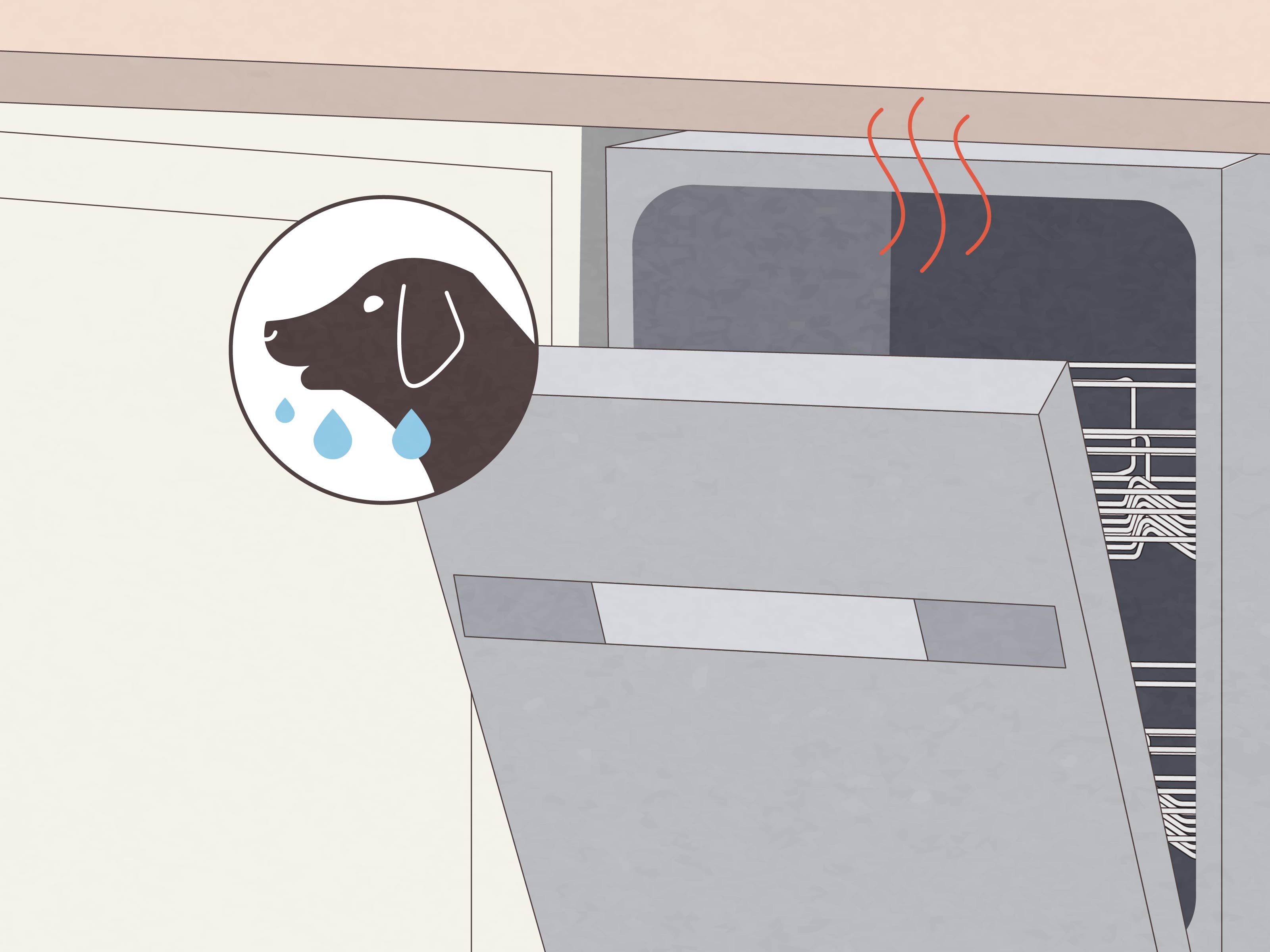
The most common dishwasher smells include rotten food, mustiness, mildew, wet dog odor, fishy smells, or a sewer-like scent. Each one can point to a slightly different cause, but the starting point is usually the same: inspect the filter, drain area, spray arms, gasket, and interior walls.
Common Causes of Dishwasher Odor
1. A Dirty Dishwasher Filter
The filter is the number one suspect in most smelly dishwasher cases. It catches food particles so they do not redeposit on your plates. That is wonderful until the filter becomes a tiny buffet for old pasta, eggs, rice, and mysterious crumbs from Tuesday night.
Many modern dishwashers have manual filters that need regular cleaning. If you have not cleaned yours in weeksor, let’s be honest, everit may be holding decomposing food residue. That can cause rotten or sour smells and may also leave dishes gritty after a cycle.
2. Food Debris in the Drain Area
Even if the filter is not terrible, food can collect around the sump or drain area at the bottom of the dishwasher. Small bones, labels from jars, broken glass, seeds, and hardened food scraps can block water flow and create odor. A slow-draining dishwasher often smells worse because dirty water has more time to sit.
3. Grease, Soap Scum, and Mineral Buildup
Dishwashers handle oily pans, buttery plates, creamy sauces, and detergent residue. Over time, grease and soap scum can build up on the walls, racks, spray arms, and hidden corners. If you live in a hard-water area, mineral deposits can join the party. Together, they create a film that traps smells and makes the dishwasher less efficient.
4. A Musty Door Gasket
The rubber seal around the dishwasher door keeps water inside the machine. Unfortunately, its folds can trap moisture and grime. If the gasket smells musty, looks gray, or feels slimy, it needs attention. The same goes for the bottom edge of the door, which often gets splashed but not fully rinsed during a cycle.
5. Clogged Spray Arms
Spray arms spin and shoot water through small holes. When those holes are clogged with food, minerals, or debris, the dishwasher cannot clean evenly. Poor water circulation means more residue remains inside the machine, and residue is basically odor fuel.
6. Drain Hose or Installation Problems
If your dishwasher smells like sewage or dirty standing water, the problem may involve drainage. A dishwasher drain hose usually needs a proper high loop or air gap, depending on local code and installation instructions. Without proper drainage setup, dirty sink water can flow back into the dishwasher. That is not just unpleasantit is the kitchen equivalent of inviting the trash can to dinner.
7. Garbage Disposal Connection Issues
Many dishwashers drain through the garbage disposal. If the disposal is dirty, clogged, or newly installed without the drain plug being removed, dishwasher drainage can suffer. A stinky garbage disposal can also send odors back toward the dishwasher. Before blaming the appliance, give the disposal a sniff test. Brave, but useful.
8. Too Much Pre-Rinsing or Poor Loading
This one surprises people. You should scrape off large food scraps, but you usually do not need to fully wash dishes before loading them. Dishwasher detergent is designed to work on food soil. However, large chunks of food should not go in, because they can clog the filter and drain. The sweet spot is simple: scrape, do not power-wash.
What Different Dishwasher Smells May Mean
Rotten Food Smell
A rotten food smell usually points to trapped food in the filter, drain area, or spray arms. Start with a filter cleaning and a careful inspection of the bottom of the tub.
Fishy Smell
A fishy odor can come from old food residue, greasy buildup, or a clogged drain. If the smell appears after washing dishes that had seafood, clean the filter and run a hot cleaning cycle.
Musty or Mildew Smell
A musty smell often means moisture is sitting inside the dishwasher between cycles. Wipe the gasket, clean the filter, and leave the door cracked open after cycles so the interior can dry.
Sewer Smell
A sewer-like smell may point to drain hose problems, backflow, or a plumbing issue. If cleaning the filter and drain area does not solve it, check the drain hose setup or call a plumber or appliance technician.
How To Clean a Smelly Dishwasher Step by Step
Step 1: Empty the Dishwasher
Remove all dishes, utensils, and racks if they are easy to lift out. You need a clear view of the bottom of the tub, filter, spray arms, and door edges. If there is standing water, soak it up with a towel before continuing.
Step 2: Clean the Filter
Remove the bottom rack and locate the filter, usually near the base of the lower spray arm. Check your owner’s manual if you are unsure how to unlock it. Twist or lift the filter out carefully.
Rinse the filter under warm running water. Use a soft brush, old toothbrush, or sponge to remove stuck-on debris. Avoid anything sharp or abrasive, because damaging the mesh can reduce performance. If the filter is greasy, soak it in warm water with a little dish soap, then rinse well before reinstalling it.
Step 3: Check the Drain Area
Look around the drain and sump area at the bottom of the dishwasher. Remove visible food scraps, paper labels, pits, or any object that clearly does not belong there. Be careful if you suspect broken glass. Wear gloves and use a flashlight.
If you notice frequent standing water, gurgling, or sewage smells, the issue may go beyond basic cleaning. The drain hose, air gap, garbage disposal, or plumbing connection may need inspection.
Step 4: Wipe the Door Gasket and Edges
Dampen a microfiber cloth with warm, soapy water and wipe the rubber gasket around the door. Pull back folds gently and clean inside the creases. Then wipe the bottom edge of the door, where grime often hides like it is paying rent.
For stubborn musty spots, use a cloth dampened with white vinegar, unless your owner’s manual warns against it for your model. Dry the area afterward to reduce moisture.
Step 5: Clean the Spray Arms
Inspect the holes in the spray arms. If they are clogged, use a toothpick or soft brush to loosen debris. Some spray arms can be removed for rinsing, but not all models are the same, so check your manual first.
When spray arms are clear, water reaches dishes more evenly, detergent works better, and fewer food particles remain behind to cause smells.
Step 6: Run a Vinegar Cleaning Cycle
Place one to two cups of white vinegar in a dishwasher-safe bowl or cup on the top or bottom rack of an empty dishwasher. Run a hot cycle without detergent. Vinegar can help loosen greasy residue, reduce mineral buildup, and neutralize odors.
Important safety note: never mix vinegar with bleach or other cleaning chemicals. Mixing cleaners can create harmful fumes. Use one cleaning method at a time, rinse between methods, and follow product labels carefully.
Step 7: Run a Baking Soda Freshening Cycle
After the vinegar cycle is complete, sprinkle about one cup of baking soda across the bottom of the dishwasher. Run a short hot cycle. Baking soda can help absorb lingering odors and leave the interior smelling fresher.
Do not dump vinegar and baking soda together and expect magic. They fizz dramatically, which is fun for a third-grade volcano project, but less useful for deep cleaning when they neutralize each other too quickly. Separate cycles work better.
Step 8: Use a Dishwasher Cleaner for Heavy Buildup
If your dishwasher still smells after cleaning the filter, gasket, spray arms, and drain area, try a dishwasher cleaner made for appliance interiors. Citric-acid-based cleaners or manufacturer-recommended dishwasher cleaners can help remove grease, limescale, and hidden residue.
Follow the product directions exactly. Some cleaners go in the detergent cup, others sit in the bottom of the tub, and some require the hottest or longest cycle. When in doubt, trust the labelnot your cousin’s “life hack” video.
How Often Should You Clean Your Dishwasher?
For most homes, a quick monthly cleaning is a good habit. If you run the dishwasher daily, cook greasy meals often, or have hard water, you may need to clean the filter more often. A weekly filter rinse can prevent odors before they start.
Here is a practical dishwasher maintenance schedule:
- After each load: Leave the door slightly open for a little while to help moisture escape.
- Weekly: Check the filter and wipe the gasket if you use the dishwasher often.
- Monthly: Deep clean the filter, inspect the drain area, and run a cleaning cycle.
- Every few months: Use a dishwasher cleaner or descaler if you have hard water or visible buildup.
How To Prevent Dishwasher Smells From Coming Back
Scrape Plates Before Loading
Remove large scraps before loading dishes. Rice, pasta, eggshells, bones, and vegetable peels are not dishwasher decorations. They belong in the trash or compost, not the filter.
Load Dishes Correctly
Do not block the spray arms or detergent dispenser. Place bowls and cups at an angle so water can drain. Overloading may save one cycle today but create a smelly, half-clean mess tomorrow.
Use the Right Detergent
Use detergent designed for automatic dishwashers. Regular dish soap can foam excessively and leave residue. Store detergent in a cool, dry place so it does not clump or lose effectiveness.
Run Hot Water Before Starting
Before starting the dishwasher, run the kitchen sink until the water gets hot. This helps the dishwasher begin with hot water sooner, which improves cleaning performance and helps cut grease.
Let the Interior Dry
Moisture encourages musty smells. After a cycle, crack the door open for a short time if your model allows it. This simple habit can make a big difference, especially in humid kitchens.
Check the Garbage Disposal
If your dishwasher drains through the garbage disposal, keep the disposal clean and run it before starting the dishwasher. This helps clear the drain path and reduces odor transfer.
When To Call a Professional
Most dishwasher smells can be solved with cleaning, but some problems need expert help. Call a plumber or appliance technician if you notice standing water after every cycle, sewage odors, repeated drain errors, leaks, unusual noises, or smells that return immediately after cleaning.
You should also get help if the drain hose installation looks wrong, the air gap overflows, or dirty sink water appears to back up into the dishwasher. These issues are not just smell problems; they can affect sanitation and appliance performance.
Common Mistakes To Avoid
Using Bleach Without Checking the Manual
Bleach is not safe for every dishwasher interior, especially models with stainless steel parts. It should never be mixed with vinegar, ammonia, descalers, or other cleaners. If you want to sanitize, use a dishwasher-safe product recommended for your model.
Ignoring the Filter
Running vinegar cycles without cleaning the filter is like spraying perfume on a gym bag. It may smell better for a moment, but the problem is still inside. Always clean the filter first.
Forgetting the Door Seal
The door gasket can hold grime even when the tub looks shiny. If the smell is musty, the gasket deserves immediate attention.
Overusing Detergent
More detergent does not always mean cleaner dishes. Too much detergent can leave residue, especially in soft water. Follow detergent directions and use rinse aid if needed.
Real-Life Experience: What Actually Works When a Dishwasher Smells
The first time a dishwasher smell becomes impossible to ignore, most people try the “close the door and pretend it did not happen” method. Unfortunately, this method has a terrible success rate. The odor usually gets worse, and suddenly every clean glass smells like it spent spring break in a swamp.
In real kitchens, the most effective fix is usually not fancy. It is the boring-but-powerful combination of cleaning the filter, wiping the gasket, checking the drain area, and running a hot cleaning cycle. The filter is often the big reveal. People remove it and discover a grayish collection of food bits that looks like kitchen archaeology. There may be rice, lemon seeds, bits of spinach, coffee grounds, or pieces of labels from jars. Once that filter is washed, the smell often drops dramatically.
Another common experience is the “but I already ran vinegar” problem. Vinegar can help, but it cannot fully clean a packed filter or remove a hidden chunk of food near the drain. That is why the order matters. Manual cleaning comes first. Freshening cycles come second. Otherwise, the dishwasher is just giving old food a warm bath.
Households with kids, frequent cooking, or lots of saucy dishes tend to deal with odors more often. Tomato sauce, cheese, eggs, fish, and greasy pans can all leave residue behind. If plates are loaded with large scraps still attached, the dishwasher filter becomes the kitchen’s unofficial leftovers bin. A quick scrape before loading can prevent most of that buildup without wasting time rinsing every plate until it looks showroom-ready.
Hard water adds another layer. In homes with mineral-heavy water, white film and limescale can build up inside the appliance. The dishwasher may smell stale even when no obvious food debris is visible. In that case, a dishwasher cleaner or descaler every few months can make the machine look and smell fresher. Rinse aid may also help dishes dry better, which reduces the damp environment that musty odors love.
One of the most overlooked tricks is leaving the door slightly open after a cycle. A sealed, damp dishwasher is basically a tiny humid cave. Letting air circulate helps the interior dry faster. This does not require a dramatic lifestyle change. Just crack the door open after unloading or after the drying cycle finishes, especially if the kitchen is humid.
Another lesson from real-life dishwasher rescue missions: the garbage disposal matters. If the disposal smells bad, the dishwasher may smell bad too, especially when they share a drain connection. Running the disposal before starting the dishwasher and keeping it clean can prevent odors from drifting back into the appliance.
The biggest takeaway is that dishwasher odor prevention is easier than dishwasher odor removal. A five-minute filter rinse once a week or once a month beats a full “what died in here?” investigation later. When the machine smells fresh, dishes come out cleaner, the kitchen feels better, and opening the dishwasher no longer requires emotional preparation.
Conclusion
A smelly dishwasher is usually caused by food debris, a dirty filter, grease buildup, moisture, clogged spray arms, or drainage problems. Start with the simple fixes: clean the filter, inspect the drain area, wipe the gasket, clear the spray arms, and run separate vinegar and baking soda cycles. If odors continue, use a dishwasher cleaner or check for plumbing and drain hose issues.
The best long-term solution is prevention. Scrape plates, load properly, use the right detergent, clean the filter regularly, and let the dishwasher dry between cycles. Your dishwasher does not need to smell like a flower shop. It just needs to stop smelling like old soup with commitment issues.