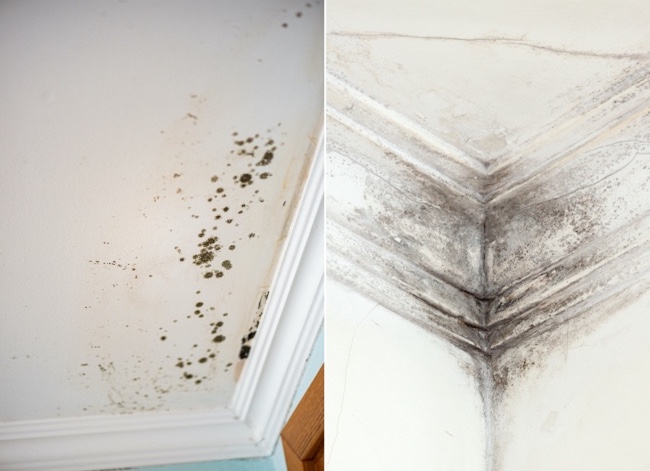
If mold and mildew were contestants on a home-improvement reality show, they would both arrive uninvited, refuse to pay rent, and somehow make your bathroom smell like a wet gym sock with commitment issues. They are often lumped together, and for good reason: both are fungi, both love moisture, and both can make a clean-looking house feel suspiciously less clean. But they are not exactly the same thing, and knowing the difference matters if you want to clean the problem correctly, protect your home, and avoid turning a tiny patch into a full-blown “why is the wall fuzzy?” moment.
This guide breaks down the difference between mold and mildew in plain English, with practical examples, prevention tips, and real-life scenarios. Whether you spotted white powder on a shower curtain or dark blotches creeping across drywall, here is what you need to know.
Mold vs. Mildew: The Short Answer
Mildew is generally considered a type of fungal growth that tends to stay flatter and more surface-level. It often looks powdery or downy and commonly appears white, gray, or yellow at first. Mold is the broader category and usually looks fuzzier, patchier, or slimier. It can show up in green, black, brown, orange, or other colors, and it is more likely to grow into porous materials such as drywall, wood, carpet, ceiling tiles, and insulation.
In everyday home language, people often use the word mildew for the early, easier-to-clean stuff on nonporous surfaces, especially in damp bathrooms or on fabrics. They use mold for the more stubborn, more invasive growth that suggests a moisture problem is sticking around and getting comfortable.
Quick Comparison: Mold vs. Mildew
- Appearance: Mildew is usually flat, powdery, or fluffy. Mold is more likely to look fuzzy, raised, blotchy, or slimy.
- Color: Mildew often starts white, gray, or yellow. Mold can be green, black, brown, orange, or mixed shades.
- Where it grows: Mildew often shows up on shower walls, windowsills, grout, fabrics, and damp surfaces. Mold commonly grows on drywall, wood, carpet, insulation, ceiling tiles, and anywhere moisture lingers.
- Damage level: Mildew is often easier to wipe away from the surface. Mold is more likely to stain, spread, and penetrate materials.
- Odor: Both can smell musty, but mold is more often associated with a stronger, persistent musty odor.
- Cleanup difficulty: Mildew is often the easier cleanup. Mold can require removal of materials and professional remediation if the problem is widespread.
What Is Mildew, Exactly?
Mildew is usually the fungal problem that makes homeowners say, “Eh, I’ll spray it later,” right before “later” becomes six weeks and now the shower curtain looks like it has opinions. In homes, mildew commonly appears as a flat, light-colored growth on damp surfaces. Think bathroom tile, window frames, shower caulk, or fabrics that stayed wet too long.
Mildew tends to be more superficial. That does not mean it is harmless or charming. It can still trigger irritation in sensitive people, create odors, stain surfaces, and signal that humidity is too high. But compared with more invasive mold growth, mildew is often the earlier warning shot.
Common signs of mildew
- White, gray, or pale yellow patches
- Powdery or flat texture
- Growth on shower curtains, tile grout, windowsills, fabrics, and damp closet corners
- A stale, musty smell in humid rooms
What Is Mold?
Mold is the broader fungal heavyweight. It thrives in damp, humid, poorly ventilated areas and can grow on many materials found in homes. Unlike mildew, mold is more likely to burrow into porous surfaces. That is why a patch on drywall, subflooring, carpet padding, or ceiling tile can become more than a cosmetic issue. Once mold gets inside a material, cleaning the surface may not solve the problem.
Mold can look fuzzy, velvety, slimy, speckled, or patchy. It can change color as it ages, and the same colony may even show multiple shades. A lot of people panic over anything dark and call it “black mold,” but color alone does not tell you exactly what species you are dealing with. The smarter move is to focus less on dramatic nicknames and more on moisture control, safe cleanup, and whether the material can realistically be saved.
Common signs of mold
- Green, black, brown, orange, or mixed-color spots
- Fuzzy, slimy, blotchy, or raised texture
- Growth on drywall, wood, carpet, insulation, furniture, and ceilings
- Persistent musty odor, especially after leaks or flooding
Why Mold and Mildew Show Up in the First Place
Neither mold nor mildew needs an engraved invitation. Give fungi moisture, a little organic matter, and a bit of time, and they will treat your house like a vacation rental. The real driver is almost always water or humidity. That means roof leaks, pipe leaks, flood damage, condensation, steamy bathrooms, poorly vented dryers, damp basements, and windows that sweat like they just finished cardio.
Homes with chronically high indoor humidity are especially vulnerable. Bathrooms, laundry rooms, basements, crawl spaces, and kitchens are the classic problem zones. Even closets can develop mildew if clothes go in slightly damp or air circulation is poor.
Typical causes
- Leaky plumbing or roof damage
- Flooding or storm-related water intrusion
- Poor ventilation in bathrooms and kitchens
- Indoor humidity that stays too high
- Condensation on windows, pipes, or exterior walls
- Wet rugs, upholstery, drywall, or insulation that do not dry quickly
Which One Is Worse?
Usually, mold is the bigger headache. Mildew is often easier to remove and more likely to stay on the surface. Mold is more likely to spread, damage materials, and come back if the underlying moisture issue is not fixed. It can also be harder to fully remove from porous items.
That said, both matter. Mildew is often your home’s early warning label. Ignore it long enough and you may end up with a more serious mold problem later. In other words, mildew is the polite knock on the door. Mold is the guest who moves into your drywall and starts redecorating.
Health Effects: Are Mold and Mildew Dangerous?
For many people, exposure to mold or mildew may cause little to no noticeable reaction. For others, especially people with allergies, asthma, sensitive airways, or weakened immune systems, fungal growth can be a real problem. Symptoms may include sneezing, coughing, nasal stuffiness, wheezing, itchy eyes, skin irritation, or worsening asthma symptoms.
Mold tends to get more attention because heavier growth and damp building conditions are more strongly associated with respiratory complaints and asthma flare-ups. But from a practical home-health perspective, neither mold nor mildew deserves a free pass. If you can see it or smell it, the goal is the same: fix the moisture problem and clean the affected area safely.
People who should be extra cautious
- Anyone with asthma or chronic lung disease
- People with mold allergies
- Infants and older adults
- People with weakened immune systems
- Anyone cleaning up after major water damage or flooding
How to Tell If You Have Mold or Mildew
Here is the practical version: if the growth is flat, pale, and sitting on the surface of tile, grout, a shower curtain, or fabric, it is often mildew. If it is darker, fuzzier, spreading across drywall or wood, or tied to a leak or soaked material, it is more likely mold.
Still, the distinction is not always crystal clear just by looking. In everyday home care, the more important question is often not “Which exact fungus is this?” but “How big is the problem, what is it growing on, and why is there moisture here?” Those answers determine whether you can clean it yourself or need professional help.
How to Clean Mildew and Small Mold Problems Safely
Small patches on hard, nonporous surfaces can often be cleaned by homeowners. The key word is small. You need ventilation, gloves, eye protection, and common sense. If you use bleach, never mix it with ammonia or other cleaners. That is not a cleaning hack. That is a chemistry mistake.
Basic cleanup steps
- Fix the moisture source first. Cleaning without fixing the leak or humidity problem is just a fancy reset button.
- Open windows or improve ventilation if possible.
- Wear gloves and eye protection. A mask or respirator is wise if there is visible growth or dust.
- For hard surfaces, scrub with detergent and water, then dry completely.
- If using bleach, use it carefully and according to guidance for appropriate surfaces. Never mix it with other cleaners.
- Dry everything thoroughly. Fungi love the “still damp but looks dry” stage.
Porous materials are a different story. If mold has grown into ceiling tiles, carpet, insulation, drywall, or upholstered furniture, the material may need to be removed and replaced. Surface cleaning may not reach what is embedded inside.
When to Call a Professional
Sometimes the smartest DIY move is knowing when to stop DIY-ing. Consider professional help if the growth covers a large area, keeps returning, involves HVAC systems, follows sewage contamination, or happened after a flood. Professional remediation is also a good idea if someone in the home has asthma, significant allergies, or an immune condition and the contamination is more than minor.
Red flags that suggest bigger trouble
- The moldy area is large or spreading fast
- Drywall, carpet, insulation, or wood feels soft or water-damaged
- The odor is strong, even when the area looks “clean”
- The problem started after flooding or long-term leaks
- You see repeated growth around HVAC vents or inside walls
- Household members are having allergy or asthma symptoms that seem worse indoors
How to Prevent Mold and Mildew From Coming Back
The best mold prevention plan is gloriously unglamorous: control moisture. That is it. Not a miracle spray. Not a scented candle pretending nothing weird is happening behind the vanity. Moisture control wins every time.
Prevention strategies that actually help
- Keep indoor humidity low, ideally in the 30% to 50% range and generally below 60%
- Use bathroom and kitchen exhaust fans that vent outside
- Repair roof, wall, and plumbing leaks quickly
- Dry wet materials within 24 to 48 hours whenever possible
- Use a dehumidifier in damp basements or humid rooms
- Make sure clothes dryers vent outdoors
- Clean condensation from windows, pipes, and cold surfaces
- Do not leave towels, bath mats, or fabrics wet for long stretches
- Check hidden problem spots like under sinks, behind toilets, and around window frames
Mold vs. Mildew in Common Household Areas
Bathroom
Mildew is common on grout, caulk, shower curtains, and window frames. If you see dark spotting spreading into drywall or around a leaking tub or toilet, mold becomes more likely.
Basement
Basements often develop mold because of poor air circulation, humidity, seepage, or past flooding. Cardboard boxes, carpet, wood framing, and drywall are prime targets.
Laundry Room
Mildew can build up on damp fabrics and around washers. Mold may develop behind appliances if hoses leak or the room stays humid.
Closets
Mildew often grows on shoes, fabric, or walls in cramped closets with poor airflow. A closet that smells musty every time you open it is basically sending you an email marked urgent.
Final Takeaway
So, what is the difference between mold and mildew? Mildew is usually the flatter, lighter, more surface-level fungal growth that shows up in damp spaces and on fabrics or bathroom surfaces. Mold is the broader, often darker, fuzzier, more invasive problem that can spread into porous materials and signal more serious moisture damage.
In real life, the distinction matters because it changes how worried you should be, how aggressively you should clean, and whether a simple scrub will do the job. But the real lesson is bigger than labeling the fungus. If your home is damp, fungi will keep showing up. Fix the moisture, dry the materials, clean safely, and do not let a tiny patch turn into a renovation subplot.
Common Real-World Experiences With Mold and Mildew
Many people first notice mildew in the least dramatic way possible: while reaching for shampoo and realizing the shower curtain has developed a dotted gray hem that was definitely not part of the original design. At that stage, the problem is often mild, mostly cosmetic, and tied to everyday moisture. The bathroom stays damp after showers, the exhaust fan barely whispers instead of working, and towels never seem to dry all the way. In these situations, people usually describe mildew as annoying rather than alarming. It smells a little stale, makes a room look grimy faster, and keeps coming back unless airflow improves.
Mold experiences tend to feel different. A common story starts with a small water leak that seemed minor at the time. Maybe it was a drip under the sink, a slow roof leak near the chimney, or a washer hose that leaked just enough to be ignored for a few weeks. At first, everything looks manageable. Then the paint starts bubbling, the baseboard stains, and a musty smell shows up before the visible growth does. Homeowners often say the smell is what makes them realize the issue is not just dirt. Once drywall, wood, or carpet padding gets involved, the cleanup becomes less about wiping and more about removing damaged material.
Renters often experience the issue through windows and closets. A bedroom may look clean, but the back wall of a closet traps humid air. Clothes pressed against the wall stay slightly cool and damp, and eventually shoes, bags, or jackets pick up that familiar musty odor. People describe pulling out a favorite coat at the start of the season only to find white or gray film across the surface. That is one of the most relatable mildew experiences because it feels sneaky. No flood, no major leak, just poor air circulation and too much moisture hanging around.
Families with kids or anyone with asthma often notice the problem through symptoms before they identify the source. A room smells musty, someone wakes up congested, and coughing seems worse at home than outside. Then the search begins: under sinks, behind furniture, around vents, near windows, and inside the bathroom vanity. In these cases, even a modest mold issue can feel bigger because it affects daily comfort. People are not just thinking about stains on a wall. They are thinking about sleep, breathing, and whether the house feels healthy.
Another very common experience happens after storms or flooding. People dry what they can, run fans, and feel relieved when the standing water is gone. Then a few days later, the odor changes. Walls smell earthy, cardboard boxes soften, and dark blotches appear on lower drywall or stored items in the basement. This is where many homeowners learn the hard lesson that water damage does not end when the floor looks dry. Moisture trapped inside materials creates a delayed problem, and by the time mold is visible, the cleanup often becomes more serious and more expensive.
The shared lesson across all of these experiences is simple: mildew usually feels like a warning, while mold often feels like a consequence. Catching the early signs, reducing humidity, and fixing leaks quickly can save a lot of money, time, and deep-sigh cleaning sessions later.