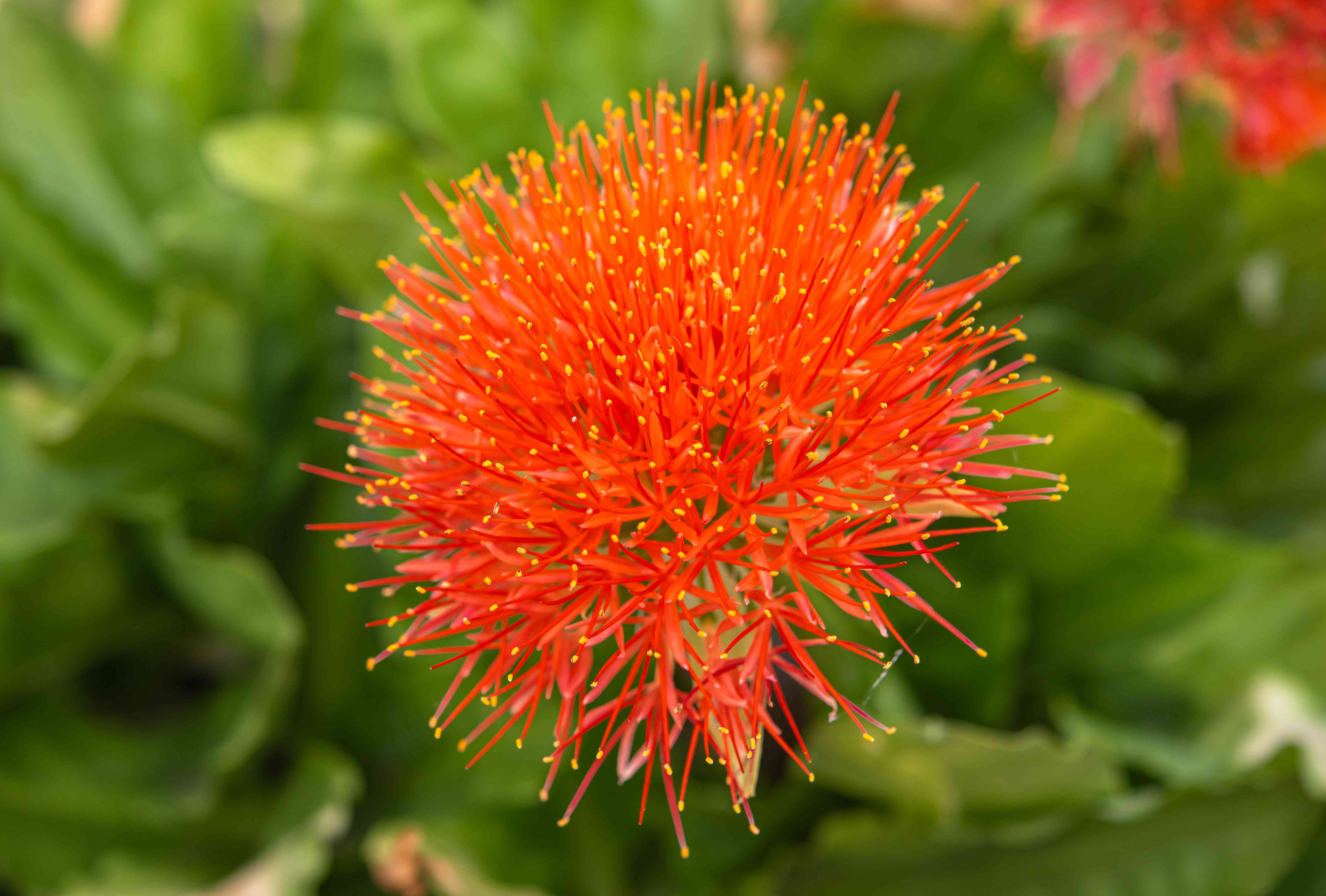
Plants in the bedroom are one of those feng shui topics that can start a surprisingly passionate debate. One person says a snake plant beside the bed is the secret to calm, fresh energy. Another says plants are too active for a sleep space and should be banished like a phone charger at 2 a.m. So, what is the feng shui of plants in the bedroom, really?
The balanced answer is this: bedroom plants can be good feng shui when they are healthy, thoughtfully chosen, and placed with rest in mind. They can also become not-so-great feng shui when they clutter the room, create maintenance stress, block movement, collect dust, or visually “shout” when your bedroom should whisper.
In feng shui, the bedroom is not just a place to collapse after answering too many emails. It represents rest, intimacy, personal energy, and restoration. Plants bring living wood energy, which is associated with growth, renewal, kindness, flexibility, and vitality. That sounds lovely, right? It isuntil there is too much of it. A bedroom needs more soft yin energy than active yang energy. In plain English: your bedroom should feel like a slow exhale, not a motivational seminar hosted by a fiddle-leaf fig.
The Core Feng Shui Meaning of Plants in the Bedroom
In feng shui, plants are connected to the wood element. Wood energy is living, upward-moving, and creative. It supports new beginnings, emotional flexibility, personal growth, and a feeling of being connected to nature. A healthy plant can make a bedroom feel softer, fresher, and more cared for. This is especially helpful in bedrooms that feel sterile, overly modern, dry, or visually flat.
However, the bedroom has a different purpose than a kitchen, office, or living room. A home office benefits from energetic upward movement because you want focus and momentum. A bedroom benefits from calm, containment, and emotional safety. That is why feng shui experts often recommend moderation: one or two carefully placed plants can support the room, while a jungle of twenty-seven leafy roommates may create too much activity for deep sleep.
Are Plants in the Bedroom Bad Feng Shui?
No, plants in the bedroom are not automatically bad feng shui. The old blanket rule that “plants do not belong in bedrooms” is too simple. Feng shui is not a list of scary interior design commandments carved into bamboo. It is about how your environment affects your energy, mood, sleep, and daily life.
Plants may be less ideal if you are a very light sleeper, if your room is already visually busy, or if you feel restless at night. In those cases, plants may add more yang energy than your nervous system wants. But if your bedroom feels stale, disconnected, or lifeless, a healthy plant can bring the exact kind of gentle renewal you need.
A Simple Rule: Let Your Sleep Vote
The best feng shui test is practical. Place one healthy plant in your bedroom for a week and notice your sleep, mood, and morning energy. If you feel calmer and happier, keep it. If you feel restless, distracted, or oddly crowded, move it to another room. Feng shui should improve your life, not become another reason to overthink your nightstand.
Best Feng Shui Plants for the Bedroom
The best bedroom plants are soft-looking, healthy, easy to maintain, and suited to your room’s light. A struggling plant is not good feng shui because it brings the visual message of decline. A thriving plant says, “Life is supported here.” A crispy, brown, half-forgotten plant says, “Someone should have watered me three Tuesdays ago.”
1. Orchid
Orchids are often associated with beauty, refinement, love, and partnership energy. In a bedroom, an orchid can feel elegant without overwhelming the space. A moth orchid on a dresser or vanity adds a romantic touch without turning the room into a greenhouse. It is also a graceful choice for people who want bedroom plants but prefer something sculptural and minimal.
2. Snake Plant
Snake plants are popular because they tolerate low light, missed watering, and general human forgetfulness. Feng shui opinions on snake plants vary because their upright, pointed leaves can feel a little sharp. If you love snake plants, place them away from the bed rather than directly beside your pillow. Use them where their vertical shape can add structure without aiming pointy energy at your sleeping body.
3. Peace Lily
Peace lilies have soft leaves and calm white flowers, making them visually suitable for a restful bedroom. Their name does half the marketing work already. They prefer indirect light and consistent care. One important note: peace lilies are toxic to cats and dogs if chewed, so pet owners should choose carefully or place them completely out of reach.
4. Pothos
Pothos is forgiving, trailing, and visually soft. It works well on a high shelf, dresser, or hanging planter. In feng shui, trailing plants can soften corners and add a relaxed feeling. Avoid letting vines droop heavily over your headboard, though. The bedroom should feel supported, not like nature is slowly lowering a leafy curtain over your dreams.
5. Calathea
Calatheas are loved for patterned leaves and gentle movement. Their leaves often shift between day and night, which can feel symbolic and soothing. They do require more humidity and consistent watering than a snake plant, so they are best for people who enjoy plant care rather than people who consider watering a dramatic lifestyle commitment.
6. Spider Plant
Spider plants are cheerful, easygoing, and pet-friendlier than many common houseplants. Their arching leaves create movement without feeling aggressive. They are a good option for a bedroom shelf or hanging basket, especially in bright indirect light.
Plants to Avoid or Use Carefully in a Feng Shui Bedroom
Some plants are not ideal for bedroom feng shui, especially if the goal is calm, romance, and restful sleep. This does not mean they are “bad plants.” It means their shape, care needs, symbolism, or placement may be better suited to another part of the home.
Cacti and Very Spiky Plants
Cacti and sharp succulents can create defensive energy. Their spikes are protective by nature, which may be useful near a window or in an office, but less inviting beside a bed. In feng shui, sharp points are often considered harsh because they visually direct energy outward. In a bedroom, soft is usually better.
Large, Overpowering Plants
A giant plant may look dramatic online, but in a small bedroom it can dominate the space. If you wake up feeling like your monstera has become the landlord, the scale is off. Feng shui favors proportion. Choose plants that fit the room and still allow easy movement around the bed.
Unhealthy or Dying Plants
A dying plant is one of the clearest feng shui no-nos. Yellow leaves, moldy soil, pests, and dusty foliage all create stagnant energy. If a plant is struggling, revive it elsewhere or compost it with gratitude. Keeping a sad plant in the bedroom is like framing a to-do list and calling it decor.
Where to Place Plants in the Bedroom for Good Feng Shui
Placement matters as much as plant choice. The best bedroom plant placement supports calm, balance, and comfort without interrupting the bed’s importance as the main feature of the room.
Keep Plants Away From the Headboard
Your headboard represents support and stability. Avoid placing heavy plants directly above your head or crowding the headboard with vines. This can create a subtle feeling of pressure. Instead, place plants on a dresser, windowsill, or corner stand where they enhance the room without hovering over your sleep.
Use Corners Thoughtfully
A plant can soften a sharp corner or brighten a dull area. If one corner of the bedroom feels empty or lifeless, a healthy plant can bring balance. Just make sure it does not block a door, closet, window, or walkway. Good qi needs room to move; it does not enjoy obstacle courses.
Consider the Relationship Area
In the feng shui bagua map, the relationship area is often associated with the far right area of a room when standing at the entrance and looking in. A soft, flowering plant or paired plants can support warmth and partnership energy. If you are decorating for romance, choose symmetry, gentle colors, and healthy plants rather than a chaotic shelf of mismatched pots.
Let Light Guide the Final Decision
Feng shui is symbolic, but plants are still biological. A plant that needs bright indirect light will not thrive in a dark corner simply because the bagua map had a nice idea. Match the plant to the room’s actual conditions. Healthy plant first, symbolic meaning second.
How Many Plants Should You Keep in the Bedroom?
For most bedrooms, one to three plants is enough. One plant can add a fresh focal point. Two plants can create balance, especially when placed symmetrically. Three small plants can work if the room is large, bright, and uncluttered. More than that can still be beautiful, but it becomes a stronger design statement and may feel too active for sleep.
If your bedroom is small, start with one plant. If your bedroom is large and airy, you can use two or three. If your bedroom already includes books, laundry piles, workout gear, seven chargers, and a chair that has not seen a human body since last winter, fix the clutter before adding more greenery. Feng shui begins with what the room is already saying.
Bedroom Plants and Sleep: What Practical Research Suggests
Modern wellness research supports the idea that natural elements indoors may help people feel calmer and more connected. Studies on indoor plants have linked greenery with psychological benefits such as reduced stress, improved mood, and a greater sense of well-being. That aligns nicely with feng shui, which has long viewed the home as a living environment that affects the people inside it.
However, it is important not to exaggerate. You may have heard that houseplants “purify the air.” The famous NASA clean air research helped popularize that idea, but real homes are not sealed laboratory chambers. A few plants can contribute beauty, humidity, and a more pleasant atmosphere, but they do not replace ventilation, cleaning, HVAC maintenance, or an actual air purifier when one is needed.
For sleep, the bigger factors are still temperature, light, noise, bedding comfort, clutter, and routine. Plants can support a calming environment, but they are not magic leafy sleep medication. Think of them as part of a peaceful bedroom ecosystem, not the entire sleep strategy.
Feng Shui Tips for Choosing Bedroom Plant Pots
The plant matters, but the pot matters too. In feng shui, materials, colors, and shapes all influence the feeling of a room.
Use Earthy Materials
Ceramic, clay, stone, or matte-finish pots feel grounding. Since plants already bring wood energy, an earth-toned pot can balance that growth energy and make it feel stable. Soft beige, ivory, terracotta, muted green, warm gray, and pale pink are all bedroom-friendly choices.
Avoid Loud, High-Contrast Pots
Bright red pots, neon planters, or glossy patterns may be fun elsewhere, but they can feel too stimulating in a bedroom. The goal is not to make your nightstand look like it is applying for a circus internship. Choose quiet colors and gentle shapes.
Make Drainage Non-Negotiable
Good feng shui also means practical care. Use pots with drainage holes or a proper inner nursery pot. Soggy soil can lead to root rot, mold, pests, and unpleasant smells. None of those belong in a room where you breathe deeply for eight hours.
Feng Shui Bedroom Plant Care Rules
A plant only brings good bedroom energy when it is cared for. The care routine does not need to be complicated, but it should be consistent.
Dust the Leaves
Dust blocks light and makes plants look dull. Wipe broad leaves gently with a damp cloth every couple of weeks. This small ritual instantly refreshes the room. It also makes you feel like a responsible adult, which is a nice bonus.
Water Based on Soil, Not the Calendar
Many houseplants suffer from overwatering. Instead of watering every Saturday because your calendar said so, check the soil. If the top inch is dry for many common plants, it may be time to water. If it is still damp, wait. Feng shui loves flow, but roots do not love swamp life.
Remove Dead Leaves Quickly
Dead leaves create visual stagnation. Trim yellow or brown leaves, rotate the plant for even growth, and remove fallen bits from the soil surface. A clean plant feels intentional; a neglected plant feels like a tiny botanical warning sign.
Watch for Pet Safety
Many popular houseplants, including peace lilies, pothos, snake plants, and jade plants, can be toxic to cats or dogs if ingested. Pet-friendly options may include spider plants, certain orchids, and some calatheas, depending on the exact variety. Always verify the plant before bringing it into a bedroom shared with curious pets.
Feng Shui Plant Ideas for Different Bedroom Goals
For Better Rest
Choose one soft, low-maintenance plant such as a spider plant, calathea, or small orchid. Place it across the room from the bed, not directly beside your face. Keep the surrounding area uncluttered and use a neutral pot.
For Romance and Partnership
Try a blooming orchid or two matching small plants. Pairing objects can support relationship symbolism in feng shui. Keep the plants healthy and the space around them clean. Romance energy does not thrive next to old receipts and a half-empty water glass from last Thursday.
For Personal Growth
If you are in a season of transition, a plant with upward growth can symbolize progress. Lucky bamboo, pothos trained upward, or a small rubber plant can work well. Place it where you see it in the morning as a quiet reminder that growth does not need to be dramatic to be real.
For a Stale Bedroom
If your bedroom feels flat or lifeless, add one healthy green plant near natural light. Open the curtains daily, refresh bedding, and remove clutter. The plant will work better when the whole room supports renewal.
Common Mistakes With Plants in the Bedroom
The first mistake is adding too many plants too quickly. A bedroom should not feel like a plant shop having a clearance event. Start small and observe how the room feels.
The second mistake is choosing plants for aesthetics alone. A plant that looks gorgeous online may hate your lighting, humidity, or schedule. When it declines, the feng shui declines with it.
The third mistake is ignoring scale. A small room needs small or medium plants. A large room can handle more height. The plant should support the room, not visually wrestle the bed for authority.
The fourth mistake is using plants to hide clutter. A pothos cannot spiritually cancel the laundry mountain. Clear first, decorate second.
Personal Experience: What Happened When I Tried Feng Shui Plants in the Bedroom
The first time I experimented with feng shui plants in a bedroom, I made the classic beginner mistake: I confused “fresh energy” with “let us recreate a rainforest beside the mattress.” I added a snake plant, a pothos, a peace lily, and a small palm within one weekend. The room looked beautiful in photos, but at night it felt oddly busy. Not scary, not uncomfortable, just visually loud. Every corner seemed to have a leaf waving for attention like it had breaking news.
So I simplified. I moved the larger palm to the living room, where its bold shape felt welcoming instead of crowded. I placed the pothos on a shelf across from the bed, where the vines softened a blank wall. I kept one orchid on the dresser because it added beauty without demanding the spotlight. The room immediately felt calmer. The lesson was obvious: feng shui is not about owning the “right” plant. It is about creating the right relationship between the plant, the room, and the person sleeping there.
Another useful experience came from plant care itself. A bedroom plant becomes part of the rhythm of the room. When I wiped dust from leaves, trimmed yellow edges, or checked the soil before watering, the bedroom felt more intentional. It became harder to ignore clutter on the nightstand when the plant looked freshly cared for. In that way, the plant acted like a quiet accountability partner. It did not yell, “Clean your room!” It simply looked alive and composed, which made the surrounding chaos more obvious.
I also noticed that placement changed everything. A plant too close to the bed felt intrusive, especially if leaves reached toward the pillow. A plant near the window felt natural and easy. A plant on a dresser gave the eye somewhere restful to land in the morning. The best placement was not the most dramatic placement; it was the one that allowed the room to breathe.
For people new to bedroom feng shui, the most useful experiment is a seven-day test. Choose one healthy plant that suits your light. Place it somewhere visible but not looming. Keep the pot simple. Before bed, notice whether the room feels calmer, fresher, or more crowded. In the morning, notice your first impression. If the plant makes the room feel cared for, it is doing its job. If it becomes another thing to worry about, it belongs somewhere else.
The funniest lesson is that plants reveal our habits. If you overwater, underwater, forget, fuss, or rearrange constantly, the plant will tell on you. Bedroom feng shui is similar. The room reflects how you treat rest. A peaceful bedroom is not created by buying one perfect plant. It is created by repeated small choices: clearing the floor, softening the light, choosing comfort, protecting sleep, and keeping living things healthy. The plant is not the whole story. It is the leafy punctuation mark at the end of a calmer sentence.
Conclusion: So, Should You Put Plants in the Bedroom?
Yes, you can put plants in the bedroom for good feng shui, as long as you choose them with intention. The best bedroom plants are healthy, soft-looking, appropriately sized, and easy to care for. They should support rest, not compete with it. One beautiful orchid, a gentle spider plant, or a well-placed pothos can add warmth, life, and natural balance to the room.
The feng shui of plants in the bedroom is really about harmony. Too little life and the space may feel stale. Too much plant energy and the room may feel restless. The sweet spot is calm vitality: a bedroom that feels alive but still deeply restful. In other words, let your bedroom be a sanctuary, not a salad bar.
Note: This article is based on synthesized guidance from reputable U.S. home, wellness, sleep, horticulture, feng shui, university extension, and pet safety resources. It is written as original web-ready content without source-link elements.