If you have ever stood in the garden holding a hose like it was a part-time job you never applied for, an olla pot may be your new favorite sidekick. This ancient watering method is simple, low-tech, and surprisingly clever. Instead of blasting water across the soil surface and hoping your plants catch the memo, an olla delivers moisture slowly underground, right where roots want it most.
That makes olla irrigation especially appealing for raised beds, container gardens, hot summers, dry climates, busy gardeners, and anyone who has accidentally turned “watering the plants” into either a flood or a drought. In other words, most of us.
So, what is an olla pot, how does it work, and is it actually worth digging a hole for? Let’s get into it.
What Is an Olla Pot?
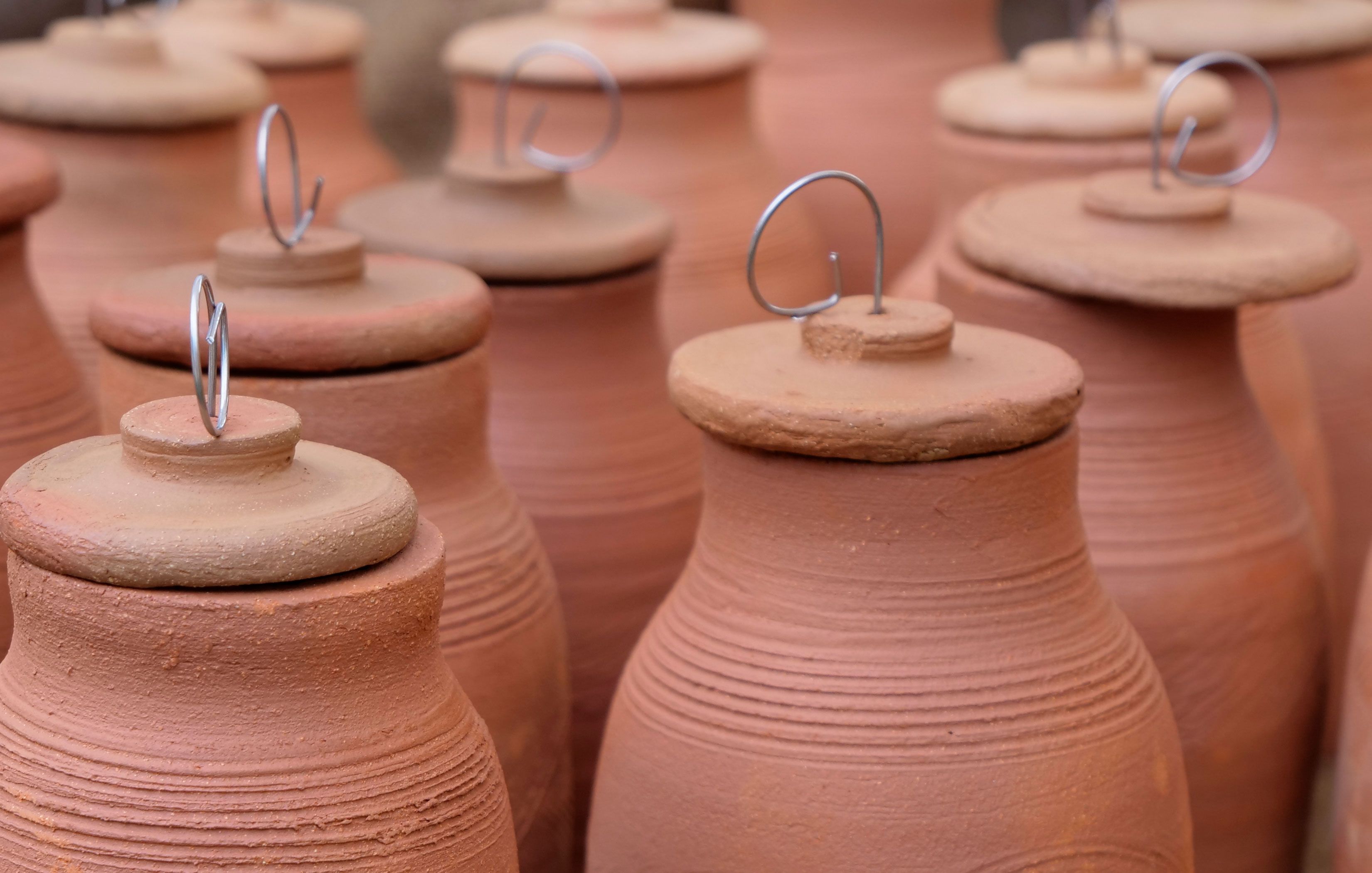
An olla pot is a porous, unglazed clay vessel that is buried in the soil and filled with water. The name olla comes from Spanish and means “pot,” so yes, saying “olla pot” is technically a little repetitive. But gardeners say it anyway, and the plants are not offended.
The classic olla has a round body and a narrow neck. Once buried, only the top opening stays above the soil. Water inside the pot slowly seeps through the clay walls into the surrounding soil as the soil dries out. Rather than dumping moisture all at once, the olla works like a quiet, underground reservoir.
This method has been used for thousands of years in dry regions around the world, and it still makes sense today because it solves a very modern problem: wasting water while trying to keep plants alive.
How Does an Olla Pot Work?
The magic is not really magic. It is moisture tension.
When the soil around the olla is dry, water moves through the porous clay and into the root zone. When the soil is already moist, less water moves out. That means the pot responds to what the soil actually needs instead of forcing a fixed amount on a schedule that may or may not make sense.
Think of it like this: sprinklers water the whole neighborhood, hoses water whatever you remember to point at, and an olla quietly minds its business underground while roots sip on demand.
Because the water is released below the surface, there is less runoff and less evaporation compared with surface watering. The soil surface also tends to stay drier, which can help reduce weed pressure. Over time, plant roots naturally grow toward the moisture source, often forming a dense root system around the buried pot.
Why Gardeners Like Olla Irrigation
1. It uses water efficiently
Ollas deliver water directly into the root zone instead of letting it evaporate in the sun or run away across the surface. That can be a big deal in hot weather, especially for gardeners trying to cut water waste without babying the bed every evening.
2. It helps keep moisture more consistent
Plants hate drama. They do not want bone-dry soil one day and a swamp the next. Olla pots help smooth out those extremes, which is useful for crops that sulk under uneven watering. Consistent moisture can support steadier growth and better quality harvests.
3. It reduces daily watering chores
Instead of dragging out the hose every single day, you refill the pot when needed. Depending on the soil, weather, plant size, and olla size, that may be every couple of days or closer to once a week.
4. It works well in raised beds and containers
Small growing spaces are where ollas really shine. A raised bed, herb patch, or large container can benefit from focused watering without the hassle of a full drip system.
5. It is wonderfully low-tech
No timer. No emitters to clog. No complex installation. Just clay, water, and the satisfying feeling that an ancient technique is still outsmarting modern problems.
Are There Any Downsides?
Yes. No garden tool is perfect, and olla pots are no exception.
They take up space
The pot itself occupies room in the bed, so in very tight planting plans it can reduce available root space.
They need refilling
This is still a manual system unless you connect it to a reservoir or another irrigation setup. Forgetting to refill an olla during a heat wave is a great way to learn that “low maintenance” does not mean “no maintenance.”
They can clog or crack
Mineral salts can build up in the clay pores over time. And if you live where winter freezes are serious, buried clay can crack if left outside full of water.
They are not ideal for every soil or plant
Very heavy clay soil can slow water movement too much. Woody plants such as shrubs and trees may also be a poor match because aggressive roots can damage the pot.
Seedlings need extra help at first
Newly sown seeds and fresh transplants often need supplemental surface watering until their roots grow deep enough to benefit from the olla.
Best Plants to Water with an Olla Pot
Ollas are usually best for herbaceous, non-woody plants. They are especially handy for vegetables, herbs, and flowering annuals that appreciate steady moisture.
Great choices include:
- Tomatoes
- Peppers and chiles
- Lettuce
- Basil, parsley, and cilantro
- Squash and melons
- Cucumbers
- Strawberries
- Annual flowers in raised beds
For containers, an olla can be a lifesaver for thirsty summer plantings. For raised beds, it works best when crops are planted within the pot’s watering radius rather than scattered like guests at a very awkward wedding reception.
How to Use an Olla Pot to Water Plants
Choose the right pot
Use unglazed terracotta or another porous clay vessel. If the pot is glazed, sealed, or painted on the section that will sit underground, it will not release water properly. Some gardeners buy purpose-made ollas, while others make DIY versions from terracotta flowerpots.
Bury it correctly
Place the olla in the soil with the neck or opening sticking about 1 to 2 inches above the soil line. That helps keep dirt and mulch out and makes refilling easier.
Pack the soil snugly around it
This step matters more than people think. Air gaps around the pot interfere with water movement. Gently but firmly pack the soil so the clay makes good contact with the surrounding bed.
Cover the opening
Use a lid, saucer, flat stone, or plate. Covering the top reduces evaporation and helps keep mosquitoes, bugs, and random debris from turning your olla into a weird little backyard hostel.
Plant within range
The effective watering radius depends on soil texture, climate, pot size, and crop needs. A practical rule of thumb is to place plants fairly close to the olla rather than assuming it will hydrate half the county. In many gardens, gardeners space ollas every 2 to 3 feet, while smaller pots water a tighter circle.
Refill based on conditions
Check the water level often at first. In cooler weather, you may refill less often. In hot, windy weather or sandy soil, you may refill every few days. Let the soil guide you, not your ego.
Water seedlings from above at first
Seeds need moisture near the surface to germinate. Newly planted seedlings also need time for roots to reach the moist zone around the pot. Until then, use light supplemental watering from above.
Use mulch around the bed
Adding mulch is one of the smartest things you can do with any watering system, including ollas. Straw, shredded leaves, bark, or compost can reduce evaporation and help soil hold moisture longer.
Check the soil, not just the calendar
Push your finger a couple of inches into the soil. If it feels dry at that depth, your bed may need more water, a larger olla, closer spacing, or a quicker refill schedule. If the soil stays soggy, you may be overdoing it or dealing with heavy soil that drains slowly.
Clean and store as needed
At the end of the season, inspect the pot for mineral buildup, cracks, or root pressure. In freezing climates, it is smart to dig up the olla before winter so it does not crack underground.
DIY Olla Pot Basics
If you like a good weekend project, you can make a simple DIY olla from terracotta flowerpots. One common method is to plug the drain hole in a clay pot with waterproof silicone or a tile piece. Another is to glue two unglazed pots together, leaving one opening accessible for filling.
The idea is simple: create a sealed clay reservoir that can hold water while still allowing seepage through the walls. Just make sure the materials touching water are suitable for garden use, and allow adhesives or sealants to cure fully before installation.
A homemade olla can be cheaper than a decorative handmade one, which is great if you want function over flair. Of course, if you also want your watering system to look artisanal and photogenic, that is between you and your garden budget.
Tips for Better Results with Olla Watering
Match the pot to the planting
A tiny pot in a large tomato bed is like bringing a teacup to a marathon. Larger or thirstier plantings need either bigger ollas or more of them.
Know your soil type
Sandy soil drains quickly and may require more frequent refills. Loamy soil usually performs nicely. Heavy clay can hold moisture well but may not spread water from the olla as effectively.
Use ollas where they make the most sense
They are excellent in raised beds, kitchen gardens, patio containers, and small intensive plots. They are usually less practical across large row crops where cost and coverage become limiting.
Pair them with smart garden habits
Healthy soil rich in organic matter, proper spacing, mulch, and regular observation all improve performance. An olla is a tool, not a miracle. It works best when the rest of the garden setup is also sensible.
Watch for warning signs
If plants wilt even when the olla seems full, roots may not have reached it yet, spacing may be off, or the pot may be cracked or clogged. If you are refilling much more often than expected, inspect the system before blaming the weather.
Who Should Try an Olla Pot?
An olla pot is worth trying if you:
- Grow vegetables or herbs in raised beds
- Want to save water in hot weather
- Travel for a few days at a time and want a buffer
- Prefer low-tech garden solutions
- Have a small garden where targeted irrigation makes sense
- Enjoy ancient wisdom that still works better than half the gadgets online
It may be less ideal if you garden in very heavy clay, grow mostly woody shrubs, or need to irrigate a large area cheaply and evenly. In that case, drip irrigation may be the better fit.
What Gardeners Commonly Experience When Using Olla Pots
One of the most common experiences gardeners report with olla pots is surprise at how calm the garden suddenly feels. Before using ollas, watering can be a daily guessing game. The surface looks dry, the forecast changes its mind, and tomatoes act like tiny celebrities with complicated hydration preferences. After installing an olla, many gardeners notice that the bed stays more even-tempered. The soil near the root zone remains gently moist instead of swinging between dusty and drenched.
In a raised bed with tomatoes, peppers, and basil, for example, the first week with an olla often teaches patience. The gardener may expect instant magic, but the plants usually need a little time for roots to orient themselves toward the new moisture source. During that transition, some surface watering is still necessary. Then, after a stretch of warm days, the difference becomes obvious: the bed dries out less dramatically, the basil stops collapsing by late afternoon, and the gardener is not hauling a watering can twice a day like they are training for a very niche sport.
Container gardeners often describe the change even more dramatically. A large patio pot can go from “lush and thriving” to “crispy and apologetic” in one hot day. Adding a small olla to a container usually stretches the time between waterings and helps prevent those brutal midsummer swings. Herbs tend to respond especially well. Instead of being drenched one day and neglected the next, they get a slower and steadier moisture supply. It is not unusual for gardeners to say their containers simply look less stressed.
Another common experience shows up at the end of the season. When gardeners dig up the olla, they often find a dense web of roots clustered around the outside of the pot. It is one of those satisfying garden moments that makes you feel like the system has been quietly working all along without demanding applause. You can actually see where the roots decided the good life was.
Of course, not every experience is perfect. In sandy soil, gardeners may find the olla empties faster than expected and needs more frequent refills. In heavy clay, they may notice the moisture spreads less evenly. In freezing climates, some learn the hard way that leaving a clay pot in wet winter ground can end with a cracked pot and some very colorful language. Others realize that woody shrubs are not polite neighbors and may put enough root pressure on the vessel to damage it.
Still, the overall pattern is pretty consistent: gardeners who use ollas in the right setting usually report less runoff, less surface crusting, fewer watering chores, and a more stable moisture zone for vegetables, herbs, and flowers. The system does not eliminate attention, but it often replaces frantic watering with steadier garden care. And honestly, that is a beautiful trade.
Conclusion
An olla pot is one of those rare garden ideas that is both old and smart. It is simple enough for beginners, useful enough for experienced growers, and practical enough to earn a place in modern raised beds and containers.
If you want a water-wise way to keep plants hydrated, reduce evaporation, and make your summer watering routine less chaotic, an olla is absolutely worth considering. Choose an unglazed clay vessel, bury it properly, keep it covered, pair it with mulch, and give seedlings a little extra help at the start. Do that, and your plants may reward you with healthier growth and fewer dramatic fainting spells.
Not bad for a humble buried pot.