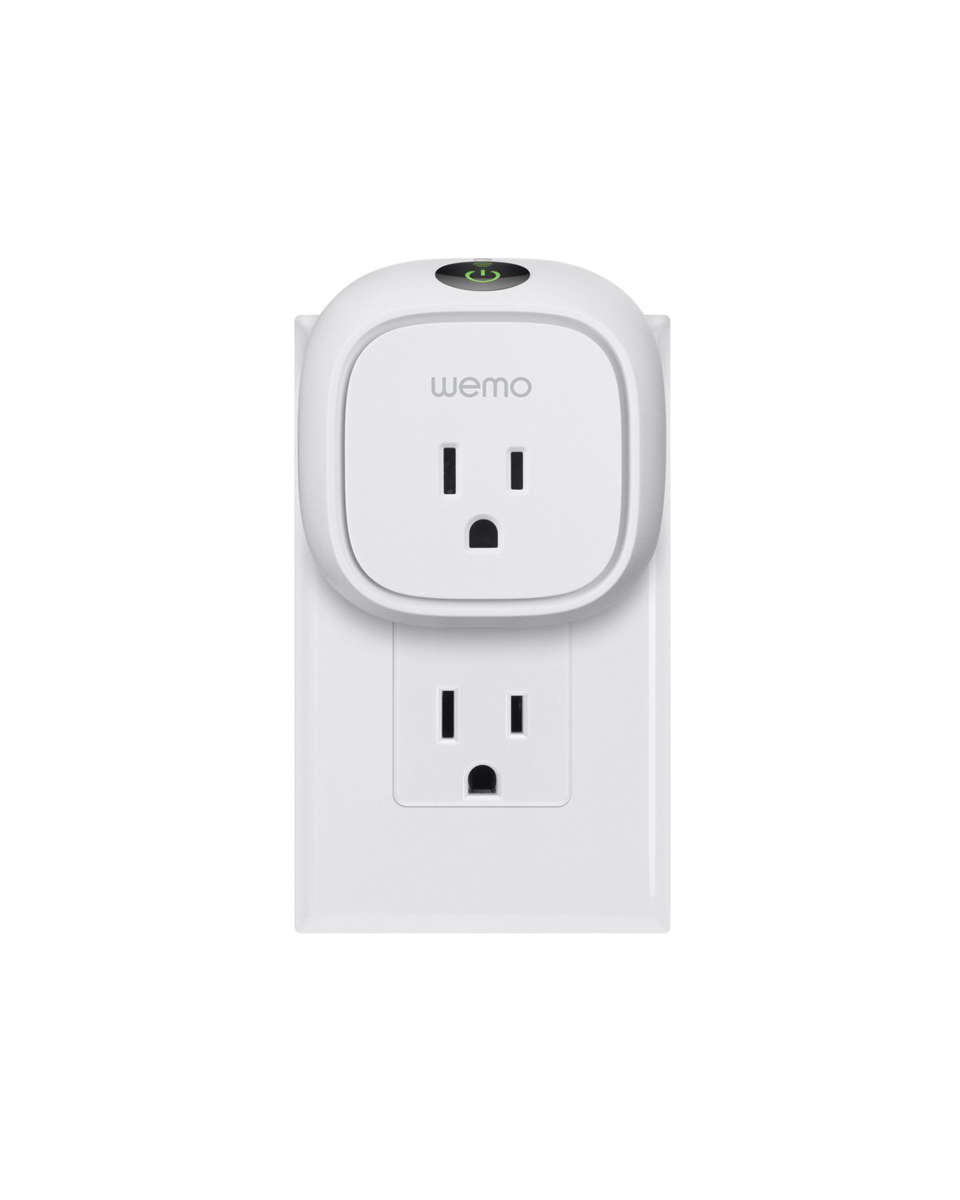
The Wemo Insight Smart Plug was one of those clever little gadgets that made people feel like they had accidentally become the mayor of a tiny smart home. Plug it into the wall, connect a lamp, fan, or other compatible appliance, and suddenly you could control it from your phone, schedule it, monitor its electricity use, and quietly judge how much power your old floor lamp was consuming.
When it launched, the Wemo Insight stood out because it did more than switch devices on and off. It also tracked energy use, estimated operating costs, and helped users spot appliances that were quietly nibbling away at their electric bill. In an era when many smart plugs were essentially glorified remote-control buttons, the Insight had actual insight. Imagine that.
Today, however, the Wemo Insight Smart Plug is best understood as a legacy smart-home product. It remains interesting for its features and its role in the early smart-home market, but its current support situation makes it a poor choice for new buyers who want reliable app access, modern integrations, and long-term updates.
Wemo Insight Smart Plug at a Glance
- Wi-Fi smart plug with remote on/off control
- Built-in electricity monitoring and estimated energy-cost tracking
- Historical usage reports and downloadable data options
- Schedules, timers, and automation rules
- Designed for 2.4 GHz Wi-Fi networks
- Rated for up to 120V, 15A, 60Hz, and 1800W in the United States
- Legacy product with Wemo cloud and app support ending in 2026
What Is the Wemo Insight Smart Plug?
The Wemo Insight Smart Plug, commonly associated with the F7C029 model, is a Wi-Fi-enabled outlet adapter from Belkin’s Wemo smart-home lineup. You plug the unit into a standard wall outlet, plug a compatible device into the Insight, and then use the Wemo app to control power remotely.
In its prime, the concept was wonderfully simple. A regular lamp became a scheduled lamp. A fan became a phone-controlled fan. A holiday decoration became something you could turn off from bed after realizing you had left it glowing like a tiny casino in the living room.
The Insight was part of Wemo’s early-generation ecosystem, which included smart switches, light switches, sensors, dimmers, and automation accessories. Its biggest advantage over the standard Wemo Switch was its energy-monitoring capability. Instead of merely knowing whether a device was on, you could see how much power it was using and estimate what that usage cost.
The Standout Feature: Energy Monitoring
The word “Insight” was not just branding flair. The plug was designed to provide a clearer picture of how connected devices use electricity. Through the Wemo app, users could see real-time power draw in watts, average power usage, device activity history, and estimated operating costs.
This made the Wemo Insight particularly useful for identifying energy vampires. No, not the cape-wearing kind. Energy vampires are devices that continue drawing electricity while sitting in standby mode, looking innocent, and pretending they are not slowly draining your wallet.
Real-Time Power Draw
The plug could show the current wattage being used by the connected appliance. For example, a small LED lamp might use only a few watts, while a fan could consume considerably more depending on its speed setting. This real-time information helped users understand whether a device was actively working, idling, or simply sitting there plotting against their monthly utility bill.
Estimated Energy Cost
Users could enter their local electricity rate per kilowatt-hour. The Wemo Insight would then estimate the cost of operating the connected device. This feature was useful because power usage alone does not always feel meaningful. “My device used 8.4 kWh” sounds like a science-fair poster. “My device cost me money while doing absolutely nothing” gets people’s attention.
The cost estimate was only as accurate as the electricity rate entered into the app. Homes with tiered utility pricing, time-of-use pricing, or complicated billing structures could see rough estimates rather than exact billing totals. Still, for basic household awareness, it was a helpful tool.
Usage Reports and Historical Data
The Wemo Insight could store historical usage information and send reports by email. This was a surprisingly advanced feature for a smart plug from its era. Instead of checking the app every day like an anxious electricity accountant, users could review reports showing activity over time.
These reports were useful for noticing patterns. Maybe a space heater was running longer than expected. Maybe a basement fan was cycling overnight. Maybe someone had been leaving a decorative fountain on 24 hours a day for reasons known only to interior designers and frogs.
Scheduling, Timers, and Smart-Home Automation
The Wemo Insight Smart Plug was not just an electricity meter with Wi-Fi. It also offered the core smart-plug features people expected: remote control, schedules, timers, and automation rules.
Custom Schedules
Users could schedule devices to turn on or off at specific times. A living-room lamp could turn on before sunset. A desk fan could shut off automatically after bedtime. Seasonal decorations could be programmed to stop glowing before they became the neighborhood’s unofficial runway lighting.
Schedule rules could also be customized by day. This made it possible to run different routines on weekdays and weekends. For example, a morning lamp could turn on earlier from Monday through Friday but stay off on Saturday, allowing everyone to enjoy the rare luxury of pretending alarms do not exist.
Sunrise and Sunset Rules
Wemo also supported sunrise and sunset scheduling. Instead of choosing a fixed hour, users could have devices respond to daylight conditions. This worked well for lamps, patio lights, and other devices that made sense to activate around sunset.
The feature required location services, which was reasonable. A smart plug cannot know when the sun sets unless you either tell it where you live or teach it astronomy, and neither option was especially practical in 2014.
Historical Voice and Automation Integrations
During its active support years, the Wemo Insight was compatible with major smart-home platforms and services, including Amazon Alexa, Google Assistant, IFTTT, and certain Apple HomeKit setups. That gave the plug much broader automation potential than many of its early competitors.
You could create simple voice commands, such as turning off a lamp without getting out of bed. You could also build automation recipes through IFTTT, such as switching on a light when arriving home or turning off a device at a certain time. It was not quite a futuristic spaceship control panel, but it was enough to make a regular home feel pleasantly overqualified.
Design and Everyday Usability
The Wemo Insight has a practical, functional design rather than a stylish one. It is larger than many modern compact smart plugs, which can matter when using crowded wall outlets or power strips. Depending on the outlet layout, it may interfere with the neighboring socket.
The device includes a physical control button, which is important. Smart-home gear should not become useless just because the Wi-Fi has hiccups, the app is acting dramatic, or someone has forgotten a password from 2018. The physical button allows basic manual operation without opening an app.
The Insight also includes indicator lights for power and Wi-Fi status. These lights were useful during setup and troubleshooting, although some users may prefer smart devices that do not glow at night like they are trying to communicate with a passing aircraft.
Setup Requirements and Compatibility
The Wemo Insight was designed to operate on a 2.4 GHz Wi-Fi network. This is important because many newer routers combine 2.4 GHz and 5 GHz networks under one name, while older smart devices often struggle with that arrangement.
During active support, setup involved installing the Wemo app, connecting the plug to Wi-Fi, naming the device, and configuring rules or energy settings. The process was manageable, but the Wemo app was often considered more complicated than it needed to be. Smart-home setup should feel like plugging in a lamp, not applying for a small-business loan.
The plug’s United States rating of up to 15 amps and 1800 watts means users needed to pay attention to what they connected. A smart plug is not a magic adapter that makes any high-power appliance safer or smarter. It should only be used within its stated electrical limits and according to the appliance manufacturer’s instructions.
What You Should Not Plug Into a Smart Plug
The Wemo Insight Smart Plug was designed for compatible household electronics and appliances, but users should avoid treating it like an all-purpose power-control device. High-risk appliances, critical equipment, and devices that must not unexpectedly lose power should not rely on a consumer smart plug.
Avoid using a smart plug with medical equipment, security systems, refrigerators, garage-door systems, major appliances, or anything that could create a hazard if it turns off unexpectedly. High-heat devices such as space heaters, irons, kettles, and similar equipment also require special caution because they can draw substantial power and create fire risks when used improperly.
The safest uses are usually low- to moderate-power devices that are intended to resume operation after power is restored, such as lamps, small fans, decorative lighting, or other simple plug-in electronics.
The Big 2026 Problem: Wemo Support Has Ended
Here is the part where the Wemo Insight Smart Plug goes from “interesting smart-home classic” to “please read the fine print before buying one from a dusty online listing.”
Wemo cloud services and app support for affected legacy products ended on January 31, 2026. This means remote access, cloud-based automation, app features, voice assistant integrations, new device setup, and reconfiguration are no longer dependable for the original Wemo Insight Smart Plug.
The F7C029 Wemo Insight is listed among the affected older devices. As a result, it is not a sensible purchase for someone building a new smart home today. Even if you find one at a bargain price, the bargain can disappear quickly when you realize the “smart” portion of the smart plug has packed its bags and moved out.
Existing owners may still be able to use the physical outlet and manual button in limited ways, but buyers should not assume app control, remote access, automation, energy reporting, or voice features will work as they did when the product was actively supported.
Is the Wemo Insight Smart Plug Still Worth Buying?
For most people in 2026, no. The Wemo Insight Smart Plug is no longer a practical choice for a new smart-home setup because its software ecosystem and cloud support have ended.
It remains interesting as a piece of smart-home history. Its energy-monitoring features were genuinely useful, and it showed how much more valuable a smart plug could be when it offered real data instead of only a remote on/off button.
But modern shoppers should look for a current smart plug with ongoing software support, local control options, energy monitoring, reliable app updates, and compatibility with the voice assistant or smart-home platform they already use.
Final Verdict
The Wemo Insight Smart Plug was ahead of its time. It combined remote switching, electricity monitoring, cost estimates, scheduling, automation, and reporting in a package that made household energy use more visible. For its era, it was one of the more capable smart plugs available.
Unfortunately, smart-home hardware depends heavily on software support, and that is where the Wemo Insight has reached the end of the road. It is a smart plug with a clever past but a limited future. If you already own one, it may still be worth understanding what it can do. If you are shopping for a new energy-monitoring plug, however, choose a modern alternative that still has an active ecosystem behind it.
A Realistic Wemo Insight Smart Plug Experience
Living with a Wemo Insight Smart Plug during its active years felt a little like hiring a very small assistant whose only job was to watch one outlet. The assistant was not especially glamorous. It could not make coffee, fold laundry, or stop your cat from knocking things off shelves. But it could tell you whether your desk lamp was on, how much power your fan was using, and whether you had forgotten to turn something off before leaving home.
Imagine using the Wemo Insight with a reading lamp in a home office. At first, the plug might seem unnecessary. You can walk across the room and flip a lamp switch, after all. Humanity survived for centuries without smartphone-controlled lighting. But after setting a weekday schedule, the lamp begins turning on automatically before the workday starts. In the evening, it shuts off at a chosen time, which is helpful for anyone who has ever fallen asleep at a desk while pretending to “just finish one email.”
The energy-monitoring feature becomes interesting after a few days. You might discover that the lamp barely affects your electric bill, which is reassuring. Then you plug in a fan, dehumidifier, or entertainment setup and suddenly the numbers become more revealing. A device that feels modest can run for many hours, and those hours add up. The Wemo Insight does not magically lower your power bill, but it gives you the information needed to make better decisions.
The most satisfying part of using the plug is often the moment when it reveals something unexpected. Perhaps a gaming console remains in standby mode all day. Perhaps an old speaker system uses more power than expected. Perhaps a decorative light has been glowing in the guest room for three weeks because nobody remembered it existed. The Wemo Insight turns vague suspicion into numbers, and numbers are much harder to ignore.
The schedule feature can also make a home feel more organized without requiring a huge smart-home installation. A lamp can come on around sunset. Seasonal lights can turn off before midnight. A fan can be set to stop after an hour. These are small conveniences, but smart-home products often succeed when they remove tiny daily annoyances rather than trying to turn every room into a science-fiction movie.
Of course, the experience was never completely frictionless. Older Wi-Fi devices could be picky about network settings, and the Wemo app sometimes required patience. Some users loved the automation possibilities, while others just wanted the plug to do one simple thing without requesting an account, a firmware update, and a personal reflection on their relationship with technology.
That contrast explains the Wemo Insight’s legacy. It was genuinely useful, especially for people curious about energy use and home automation. But it also depended on software, servers, and integrations that eventually changed or disappeared. The plug is a reminder that smart-home convenience is only as durable as the company supporting it. A regular lamp can still work for decades. A smart lamp may someday need a software obituary.
Note: This article discusses the Wemo Insight Smart Plug as a legacy smart-home product. Because Wemo support and cloud services ended for affected devices in 2026, buyers should verify current functionality before purchasing used hardware.