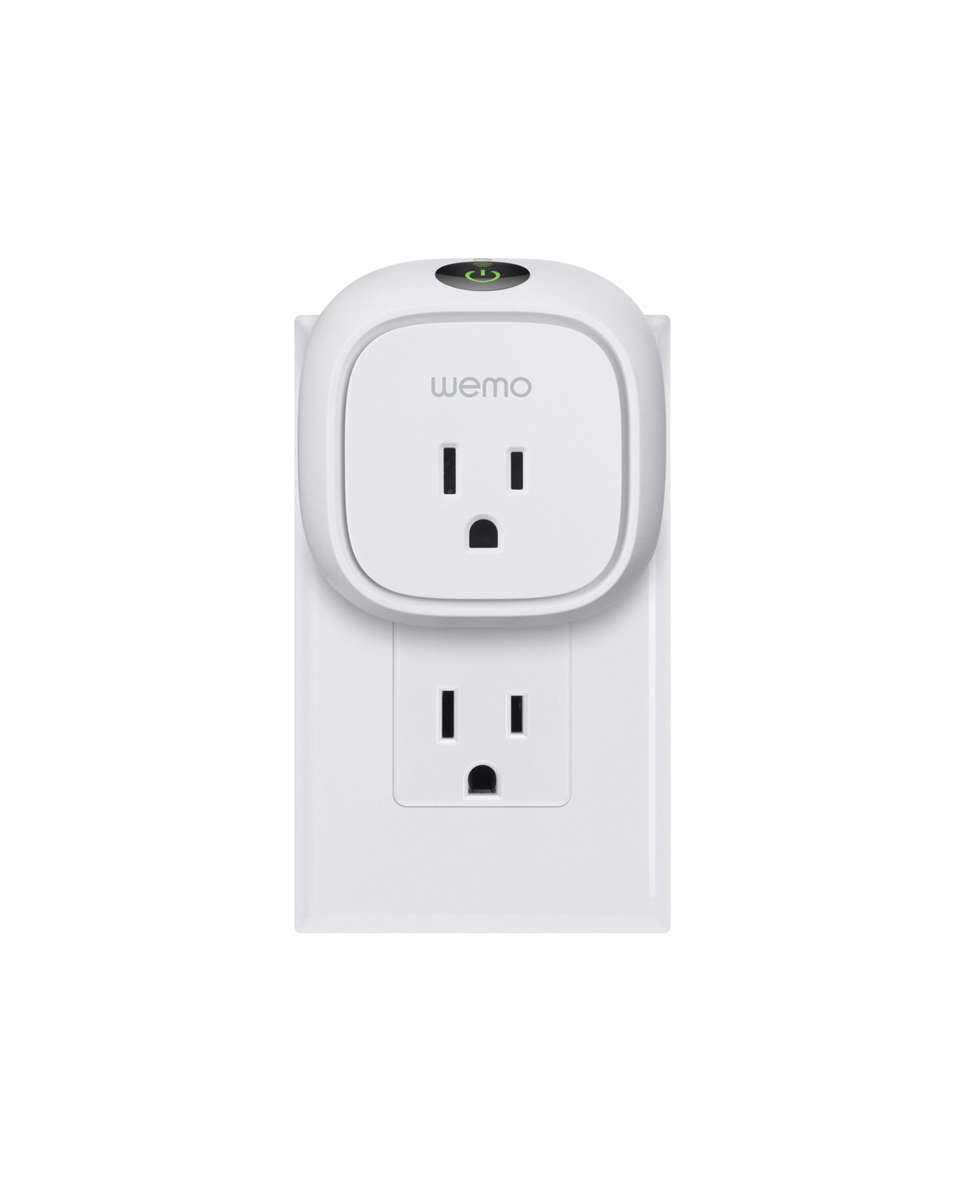
The Wemo Insight Smart Plug – Wi-Fi Enabled was one of those tiny smart-home gadgets that made regular lamps, fans, coffee makers, and holiday lights feel like they had suddenly graduated from tech college. Plug it into a wall outlet, plug an appliance into it, connect it to Wi-Fi, and suddenly your humble table lamp could follow a schedule, respond to app commands, and report how much electricity it was using. For a small white plug, that is a surprisingly dramatic career move.
But this product also tells a bigger story about the smart-home world: convenience is wonderful, energy data is useful, and cloud-dependent devices can age faster than a banana on a sunny windowsill. The Wemo Insight Smart Plug, model F7C029, became popular because it combined remote control with energy monitoring. Today, it is best understood as a legacy smart plug with real strengths, real limitations, and one major modern warning: Belkin ended cloud-dependent support for many older Wemo products on January 31, 2026.
So, is the Wemo Insight Smart Plug still worth knowing about? Absolutely. Is it the best smart plug to buy today? Usually, no. This guide explains what it does, how it works, where it shines, where it stumbles, and what homeowners should consider before using or purchasing one secondhand.
What Is the Wemo Insight Smart Plug?
The Wemo Insight Smart Plug is a Wi-Fi enabled plug-in smart outlet designed by Belkin under the Wemo smart-home brand. It sits between your wall outlet and a household device, allowing you to turn that device on or off through the Wemo app. Unlike a basic smart plug, the Insight version adds power monitoring, which means it can estimate how much energy the connected appliance uses and how much that energy may cost over time.
In plain English, it answers the question many people quietly ask while staring at an old appliance: “Are you secretly eating my electric bill?” The Wemo Insight cannot fix a power-hungry device, but it can expose the culprit. That alone made it appealing for homeowners who wanted smarter energy habits without installing a whole-home electricity monitor.
Key Features of the Wemo Insight Smart Plug
Wi-Fi Control Without a Separate Hub
One of the original selling points of the Wemo Insight Smart Plug was that it connected directly to a 2.4 GHz Wi-Fi network. It did not require a separate smart-home hub, bridge, or mysterious plastic box with blinking lights. This was a major advantage for beginners. You could plug it in, connect it through the app, and control compatible devices from a phone or tablet.
For its time, this was beautifully simple. Many smart-home ecosystems used hubs, proprietary protocols, or complicated pairing procedures. Wemo took a more direct route: use the Wi-Fi network already in the house. That made the Insight Smart Plug approachable for renters, homeowners, students, and anyone who wanted smart lighting without rewiring a wall switch.
Energy Monitoring and Cost Estimates
The “Insight” in Wemo Insight refers to energy insight. The smart plug could track usage data, including how long a device had been running, how much electricity it consumed, and estimated operating cost based on electricity rates. This was the feature that separated it from simpler Wemo plugs.
Energy monitoring is useful for devices such as lamps, fans, space-saving appliances, gaming consoles, humidifiers, and entertainment equipment. For example, you could plug in a window fan and see whether running it overnight made a meaningful difference in energy use. Or you could test an older television and discover that its standby behavior was not exactly innocent.
The Wemo Insight was not designed to replace professional-grade energy auditing equipment. Still, for everyday household awareness, it gave users a practical snapshot. Sometimes the most powerful smart-home feature is not automation. Sometimes it is simply discovering that an appliance has the appetite of a small electric dinosaur.
Scheduling and Automation
The Wemo app allowed users to create schedules so connected devices could turn on or off at specific times. This was perfect for lights, small fans, decorative displays, and other low-risk appliances. A lamp could turn on before sunset. Holiday lights could shut off before midnight. A fan could stop running after the room cooled down.
Schedules gave the Wemo Insight Smart Plug everyday usefulness. Instead of opening an app every time, you could set routines and let the plug do the boring work. And let’s be honest: “doing the boring work” is exactly why smart-home devices were invented.
Away Mode for a Lived-In Look
Wemo products offered an Away Mode that could turn lights on and off in a randomized pattern. The idea was simple: when you were not home, the lights could behave as if someone was moving around inside. It was not a replacement for a security system, but it added a little uncertainty for anyone casually observing the house.
This feature made the Wemo Insight Smart Plug popular for lamps in living rooms, bedrooms, and entry areas. It was especially useful during vacations, business trips, or long evenings away from home.
Usage Alerts
The Insight Smart Plug could also help users create alerts based on power activity. For example, a notification could be triggered when a device turned on, turned off, or ran for a specific length of time. This made it useful for monitoring appliances where runtime mattered.
A practical example: if a dehumidifier was expected to run for only part of the day, a usage alert could help identify unusual behavior. Another example: a parent could monitor how long a game console had been powered on. The plug would not magically solve screen-time negotiations, but it could at least bring receipts.
Technical Specifications to Know
The U.S. version of the Wemo Insight Smart Plug was rated for 120V, 15A, 60Hz, and up to 1800W. It used 2.4 GHz Wi-Fi with 802.11n support and provided one controlled outlet. It was designed for indoor use, not outdoor use, and it needed a compatible mobile device for setup through the Wemo app.
Those ratings matter. A smart plug should never be treated like a magical power brick. If a device exceeds the plug’s load limit, the result can be overheating, equipment damage, or a safety hazard. The Wemo Insight Smart Plug is suitable for many household electronics, but users should always check the wattage and amperage of anything they connect.
Best Uses for the Wemo Insight Smart Plug
Lamps and Accent Lighting
Lamps are the classic smart plug use case because they are simple, safe, and instantly satisfying. A Wemo Insight Smart Plug could turn an ordinary lamp into a scheduled smart light without replacing the bulb. This was especially handy for decorative lamps, bedside lamps, reading lights, and entryway lighting.
Instead of stumbling through a dark room like a confused raccoon, users could schedule a lamp to turn on before they arrived home. The energy data was a nice bonus, although most LED lamps use so little power that the real benefit was convenience.
Fans
Fans are another strong match. A plug-in fan can be scheduled to run during warm parts of the day, turned off remotely, or monitored for runtime. This is particularly useful in bedrooms, home offices, garages, and small apartments where airflow changes the comfort level quickly.
The energy monitoring feature can also help compare different fans. A small desk fan and a large box fan may both move air, but their electricity use can differ significantly. The Wemo Insight Smart Plug made those differences easier to see.
Entertainment Centers
Many entertainment setups include televisions, speakers, game consoles, streaming boxes, and chargers. Some devices draw standby power even when they appear “off.” The Wemo Insight could help users understand whether a media center was quietly sipping electricity all day.
However, users should be careful before cutting power to devices that need updates, record scheduled content, or maintain network connections. Smart plugs are great for simple electronics, but not every modern device enjoys having its power interrupted like a dramatic soap opera exit.
Holiday Lights and Seasonal Decor
Holiday lights are a natural fit for smart plugs. The Wemo Insight could automate indoor string lights, window decorations, Halloween displays, and other seasonal items. Schedules prevent lights from running all night, while remote control makes it easy to turn displays off without crawling behind furniture.
For outdoor decorations, however, the indoor-only design matters. The Wemo Insight Smart Plug should not be used outside unless it is protected in a way that follows electrical safety standards. In general, outdoor lighting should use a smart plug specifically rated for outdoor use.
What Not to Plug Into a Wemo Insight Smart Plug
Not every appliance belongs on a smart plug. High-heat devices, high-current appliances, medical equipment, major kitchen appliances, and anything unsafe to activate remotely should be avoided. Space heaters deserve special caution. Even if a heater technically fits within a wattage rating, remotely controlling heat-producing equipment can create fire risk if something nearby shifts, falls, or blocks airflow.
Users should also avoid connecting refrigerators, freezers, sump pumps, or critical devices where an accidental shutoff could cause damage. A smart plug is convenient, but it is still a switch. And switches, like toddlers with markers, can create chaos when used in the wrong place.
Wemo Insight Smart Plug Compatibility
Historically, the Wemo Insight Smart Plug worked with the Wemo app and supported integrations such as Amazon Alexa, Google Assistant, and IFTTT through cloud services. That made voice control and automation possible for many users. You could say a command and watch a lamp obey, which is the closest most of us get to feeling like a wizard before breakfast.
However, compatibility is the area where buyers must be very careful today. Belkin announced the end of cloud-dependent support for many older Wemo devices effective January 31, 2026. That means features such as remote access, the Wemo app, Alexa, Google Assistant, and other cloud-based integrations may no longer work for affected legacy products. The Wemo Insight Smart Plug F7C029 is also listed by Belkin as not supporting Apple HomeKit due to hardware limitations.
In practical terms, the Wemo Insight Smart Plug should be treated as a discontinued legacy device. It may still function physically as a manual plug-in switch, but the smart features that made it special are no longer a safe assumption. Anyone buying one used should understand this before spending money.
Design and Everyday Usability
The Wemo Insight Smart Plug has a chunky plug-in design that reflects its era. Compared with newer mini smart plugs, it is not the most compact option. Depending on the outlet layout, it may block adjacent sockets or require careful placement. This was not unusual for early smart plugs, but today’s market offers smaller alternatives.
The build feels practical rather than glamorous. Nobody buys a Wemo Insight because it looks like modern art. It is a white-and-gray utility device that says, “I am here to control your lamp and quietly judge your energy habits.” The physical button on the unit provides local on/off control, which is useful when you do not want to reach for a phone.
Performance: Where It Worked Well
When properly connected, the Wemo Insight Smart Plug was useful for simple automation and energy awareness. Its biggest advantage was combining app-based control with consumption data in one plug. For homeowners curious about electricity use, that was more informative than a standard on/off smart plug.
It was especially helpful for short experiments. Users could plug in a device for a few days, check runtime and estimated cost, then decide whether to keep it automated. This made the Wemo Insight a practical tool for comparing appliances, testing standby power, or understanding how often a device actually ran.
Performance: Where It Struggled
The Wemo Insight Smart Plug was not perfect. Like many Wi-Fi smart plugs, it depended on network quality, app reliability, firmware, and cloud services. Users sometimes reported setup frustration, disconnections, delayed responses, or app issues. These problems were not unique to Wemo, but they mattered because a smart plug is supposed to make life easier, not turn your lamp into a networking exam.
Another limitation is that the product belongs to an older generation of smart-home hardware. Modern smart plugs may support newer ecosystems, smaller designs, improved apps, Matter, Thread, or better local control. The Wemo Insight was clever in its prime, but the smart-home world has moved forward.
Energy Monitoring: Helpful, But Not Magic
The energy monitoring feature remains the most interesting part of the Wemo Insight Smart Plug. It helped users see real-time and historical energy consumption, estimate cost, and understand runtime. For people who enjoy data, this was delightful. For people who do not enjoy data, it was still useful after the first electric bill surprise.
That said, energy monitoring only helps if users act on the information. If the plug reveals that an old appliance is expensive to run, the next step may be replacing the appliance, changing habits, or scheduling runtime. The plug itself does not reduce power consumption automatically. It gives visibility. The human still has to do the sensible thing, which is always where technology becomes suspiciously quiet.
Buying Advice in 2026
For most shoppers, the Wemo Insight Smart Plug – Wi-Fi Enabled is not the best smart plug to buy in 2026. It is a discontinued legacy device with limited future value because the cloud services behind many Wemo features have ended. If you find one on a resale marketplace, it may be tempting because of the low price, but a cheap smart plug without smart functionality is basically a very confident extension switch.
Instead, buyers should look for modern smart plugs with active manufacturer support, reliable local control, clear safety ratings, and compatibility with the smart-home ecosystem they actually use. Energy monitoring is still a valuable feature, so shoppers who liked the Wemo Insight concept should search for current smart plugs that include power tracking and support today’s platforms.
Who Might Still Care About the Wemo Insight?
The Wemo Insight may still interest smart-home hobbyists, legacy Wemo users, collectors of older connected-home gear, or people studying how consumer IoT products evolved. It is also relevant for users who already own one and want to understand what it can and cannot do after support changes.
If you already own a Wemo Insight, the safest approach is to verify its current behavior in your home network, avoid relying on it for important automation, and never connect risky appliances. If it no longer provides app or voice control, recycle it responsibly when it no longer serves a purpose.
Practical Setup Tips for Legacy Owners
If you still have a functioning Wemo Insight Smart Plug, start by checking the connected appliance’s electrical rating. Keep the load within safe limits and avoid high-heat or mission-critical devices. Use the physical button to confirm basic operation. If app control is unavailable because cloud services have ended, do not assume there is an official workaround.
Place the plug where it receives a strong Wi-Fi signal. Smart plugs often behave poorly at the edge of wireless coverage, especially in older homes with thick walls, metal appliances, or routers hidden in cabinets like shy turtles. If the device disconnects frequently, move it closer to the router or consider retiring it in favor of a newer plug.
Real-Life Experience: Living With a Wemo Insight Smart Plug
Using a Wemo Insight Smart Plug felt most rewarding when it was assigned a simple job. A living-room lamp, for example, was a perfect match. Once scheduled, the lamp could turn on in the evening and shut off late at night without anyone thinking about it. The experience was small but satisfying, like having a very punctual assistant whose only responsibility was lighting.
The energy monitoring feature added a second layer of usefulness. When connected to a fan, it became easy to see how long the fan had actually run during a hot day. Instead of guessing whether it was wasting power, the plug provided numbers. This made it easier to make practical decisions, such as setting a shorter schedule or using the fan only during peak afternoon heat.
Another good experience came from testing entertainment devices. Many people assume that turning off a TV or console means power use drops to nothing. In reality, standby behavior varies. The Wemo Insight made that invisible trickle easier to notice. Even when the savings were modest, the awareness was valuable. There is something oddly satisfying about catching a device quietly snacking on electricity.
The plug was also helpful during holidays. Indoor string lights are charming, but remembering to turn them off is less charming. With the Wemo Insight, decorative lights could run on a schedule, which reduced waste and eliminated the nightly “Did we leave the lights on?” debate. In a busy household, that kind of automation feels less like luxury and more like household peacekeeping.
Of course, the experience was not always perfect. Wi-Fi setup could be fussy, especially when phones, routers, and 2.4 GHz networks refused to cooperate like a group project gone wrong. If the app failed to detect the plug, the process could involve resets, retries, and muttering at technology in a tone normally reserved for printers. Once connected, it usually did its job, but the initial setup was not always as smooth as the marketing promised.
App reliability was another mixed area. When the app responded quickly, the Wemo Insight felt clever and convenient. When it lagged or lost connection, it felt like walking across the room to press the button would have been faster. That is the eternal smart-home paradox: the device exists to save effort, but when it misbehaves, it creates a new hobby called “diagnosing the lamp.”
The biggest lesson from long-term use is that smart plugs are best for low-risk, repeatable routines. A smart plug should not control anything dangerous, expensive, or essential. It should control things that are annoying to reach, easy to automate, and safe to switch. Lamps, small fans, and decorative lights are excellent. Space heaters, medical equipment, refrigerators, and heavy appliances are not.
The Wemo Insight also teaches an important lesson about cloud-connected devices. When it launched, cloud control felt futuristic. Years later, the end of Wemo cloud support showed the downside of relying on manufacturer servers. A product can be physically fine but functionally limited when the services behind it disappear. For buyers in 2026, this is more than trivia. It is a buying principle: choose smart-home devices with active support, local control options, and standards that are likely to last.
Overall, the Wemo Insight Smart Plug was genuinely useful in its time. It made basic appliances smarter, revealed energy habits, and helped normal people experiment with home automation without rewiring anything. Its legacy is not that it was flawless. Its legacy is that it helped bring smart plugs into everyday homes and made energy monitoring feel accessible. That is a respectable achievement for a little plug that spent most of its life hiding behind furniture.
Conclusion
The Wemo Insight Smart Plug – Wi-Fi Enabled was a smart-home pioneer that combined remote control, scheduling, usage alerts, and energy monitoring in a simple plug-in device. For lamps, fans, entertainment equipment, and indoor decor, it offered real convenience and useful power data. It helped homeowners understand electricity use without needing a full energy audit or a complicated smart-home hub.
However, its place today is mostly historical and practical for existing owners. Because older Wemo cloud services ended on January 31, 2026, the Wemo Insight Smart Plug is no longer a strong recommendation for new buyers. If you already own one, use it cautiously, keep loads within safe limits, and avoid critical or high-heat appliances. If you are shopping now, choose a current smart plug with active support, energy monitoring, and compatibility with modern smart-home standards.
Publisher note: This article is based on synthesized product documentation, manufacturer support information, retailer specifications, smart-home reviews, and safety guidance. Because Wemo legacy cloud support changed in 2026, verify device functionality before publishing purchase recommendations.