Some art supplies politely sit on the shelf and wait to be useful. Others look like they were dug from a hillside by a poetic geologist with a paintbrush. Watercolor Paints – Stone belongs to the second group. This phrase refers to a beautiful, earthy idea: handmade watercolor paints created from natural stone and sand, designed for artists who want color with texture, personality, and a tiny whisper of “I may have once been part of a mountain.”
Unlike ordinary watercolor sets that rely mostly on standardized synthetic pigments, stone-based watercolor paints celebrate the raw character of minerals, earth, crushed rock, and sandy particles. They are not always perfectly smooth. They do not always behave like factory-made color. That is exactly the charm. These paints can create grainy washes, smoky neutrals, mineral greens, dusty reds, muted yellows, and atmospheric grays that feel organic rather than overly polished.
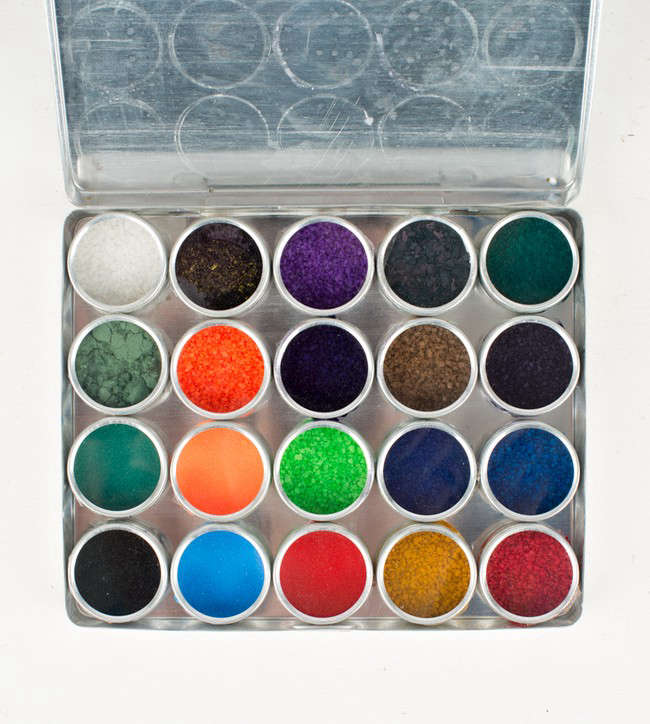
The original “Watercolor Paints – Stone” listing described handmade watercolor paints made from natural stone and sand, packed in a thin recycled metal case with 20 colors. It also noted that the product was not recommended or safe for children. Although that specific item appears to be discontinued, the idea behind it is still alive and well in the world of handmade watercolor, mineral pigment painting, natural art supplies, and slow craft.
What Are Stone Watercolor Paints?
Stone watercolor paints are water-activated paints made with mineral or earth-derived pigments. In simple terms, the color comes from finely ground natural materials such as stone, clay, sand, ochre, slate, malachite, hematite, lapis lazuli, or other mineral-rich substances. These particles are mixed with a water-soluble binder so the pigment can be lifted with a wet brush and transferred onto watercolor paper.
Most watercolor paint contains pigment plus a binder. Traditional watercolor binders often include gum arabic, a natural sap from acacia trees, and may also include ingredients such as honey, glycerin, or water to improve flow, rewetting, and handling. The binder is the polite host at the paint party. It keeps the pigment from becoming a dusty pile of colorful regret.
Stone-based paints are different from standard watercolor because the pigment particles may be heavier, more textured, and more irregular. This can produce granulation, speckling, and sediment-like effects. When the paint dries, the heavier particles settle into the valleys of textured paper, creating a look that feels natural, weathered, and full of depth.
Why Artists Love Natural Stone and Mineral Watercolor
Artists are drawn to mineral watercolor paints for one major reason: they do not look boring. A flat gray from a standard tube can be useful, of course, but a stone-based gray may separate into tiny variations of blue, brown, charcoal, and silver. A mineral green can settle into mossy pockets. A sandy yellow can look like desert dust, old walls, handmade paper, or sunlit limestone.
That unpredictability is not a flaw. It is the feature wearing hiking boots. Stone watercolor paints can help artists create landscapes, botanical studies, abstract washes, handmade cards, nature journals, architectural sketches, and textured backgrounds. They are especially useful when the subject itself has an earthy surface: river rocks, cliffs, tree bark, old pottery, garden paths, canyon walls, seashells, ceramic tiles, and weathered buildings.
For creative people who enjoy natural materials, these paints also provide a deeper connection to place. A color made from stone carries a story. It suggests geology, time, erosion, weather, and touch. When you paint with it, you are not only adding color to paper; you are adding a little bit of landscape history.
Key Features of Watercolor Paints – Stone
1. Handmade Character
Stone watercolor paints are often made in small batches. The process may involve grinding mineral material into a fine powder, blending it with binder, and letting it cure in pans. Handmade paint can vary slightly from batch to batch, which gives each set a crafted, one-of-a-kind feeling.
2. Natural Texture
The biggest visual advantage is texture. Stone and sand particles can create a subtle roughness that machine-made paints may not offer. This makes them excellent for painting natural surfaces without forcing the artist to draw every tiny crack and pebble. The paint does part of the storytelling.
3. Muted, Earthy Color
Many stone-based colors are naturally soft, mineral, and grounded. Expect warm grays, sandy beige, rusty red, clay brown, moss green, charcoal, ochre, and smoky blue tones. These colors are not always neon-bright, and thank goodness. Not every painting wants to look like it drank three energy drinks.
4. Recycled or Minimal Packaging
The archived “Watercolor Paints – Stone” product was described as coming in a thin recycled metal case. That detail fits the overall spirit of the item: natural, practical, portable, and more charming than a plastic box that looks like it escaped from a school cafeteria.
5. Best for Adult Artists
Natural does not automatically mean child-safe. Some mineral pigments can contain substances that require caution, and any art material should be checked for safety labeling before use. Stone watercolor paints are best treated as adult art supplies unless clearly labeled as non-toxic and appropriate for children.
Stone Watercolor Paints vs. Regular Watercolor Paints
Regular watercolor paints are usually available in pans, tubes, or liquids. Pans are dry cakes of color that activate with water. Tubes contain moist paint and are useful for rich washes and large mixing areas. Liquid watercolors are highly fluid and often used for crafts, illustration, and bright effects.
Stone watercolor paints are usually closer to pan watercolor in format. They may take a little longer to activate because mineral particles can be dense. A good practice is to add a drop of clean water to the pan and let it sit for a minute before loading the brush. This wakes the paint gently instead of attacking it like you are trying to start a lawn mower.
Compared with professional synthetic watercolor, stone paints may be less predictable in mixing and staining strength. They may also produce softer color intensity. However, they often excel in atmosphere. If regular watercolor is a clean violin note, stone watercolor is a cello in a cave: deeper, rougher, and more mysterious.
Best Uses for Watercolor Paints – Stone
Landscape Painting
Stone watercolor paints are a natural fit for landscapes. Use them for mountains, riverbeds, canyon walls, desert scenes, forest paths, cliffs, coastal rocks, and misty hills. Their granulating quality can make large washes feel alive without requiring too much detail.
Nature Journaling
For artists who keep nature journals, stone-based colors are a dream. They pair beautifully with sketches of leaves, seed pods, fungi, shells, feathers, and garden finds. A small stone palette can help record the mood of a place more honestly than a bright commercial set.
Botanical Art
Although stone paints are not always ideal for vivid flower petals, they are wonderful for stems, soil, bark, dried leaves, shadows, and background washes. They add quiet drama without stealing the spotlight from the main subject.
Abstract and Mixed Media Art
Stone watercolor paints work well in abstract pieces because they create organic marks. Try layering them with ink, graphite, colored pencil, handmade paper, or collage. The mineral texture gives the artwork a tactile quality, even when the surface remains flat.
Architectural Sketches
If you like painting old buildings, stone steps, garden walls, brick paths, or historic facades, these paints can be extremely useful. A granulating gray or sandy ochre can suggest age, weather, and material in just a few brushstrokes.
How to Paint Stone Textures with Watercolor
You do not need to own stone-based watercolor paints to paint stone textures, but they certainly help. The secret is to combine pigment behavior with smart technique. Start with a light wash, then build texture gradually. Stone rarely looks convincing when painted as one flat color. Real stone contains speckles, cracks, shadows, warm edges, cool patches, and irregular shapes.
Wet-on-Wet Wash
Wet the paper first, then drop in diluted stone watercolor. Let the pigment move naturally. This technique creates soft transitions that look like mineral stains or weathered surfaces.
Dry Brush
Use a nearly dry brush loaded with pigment and drag it lightly across textured watercolor paper. The paint catches on the raised surface, creating broken marks that look like rough stone, gravel, bark, or cracked earth.
Salt Texture
Sprinkle table salt or rock salt into a damp watercolor wash. As the salt absorbs moisture, it pushes pigment aside and creates starry, crystalline marks. Remove the salt only after the paper is completely dry. Otherwise, you may create mud, and not the charming artistic kind.
Lifting
While the wash is still damp, lift small areas with a clean, thirsty brush or paper towel. This creates highlights and worn edges. It is useful for painting rounded stones, chipped surfaces, and light hitting rough texture.
Layered Glazing
Let the first wash dry completely, then add thin layers of color over it. Glazing helps build depth. Try a warm ochre underlayer with gray-blue shadows on top, or a pale sandy wash with rusty brown cracks.
How to Choose High-Quality Stone Watercolor Paints
When shopping for stone watercolor paints or mineral watercolor sets, look beyond the pretty swatches. A good product description should explain the pigment source, binder, safety information, lightfastness when available, and whether the paint is handmade or commercially produced.
Lightfastness matters if you plan to sell, frame, or display your artwork. Some natural pigments are very stable, while others may shift over time when exposed to light. Artist-grade watercolor brands often provide pigment codes and lightfastness ratings. Handmade makers may provide less standardized data, so it is wise to test colors before using them in important work.
Also consider texture. Some mineral paints are smooth and finely milled. Others are gritty and dramatic. Neither is automatically better. Smooth mineral watercolor works well for controlled illustration, while gritty stone paint is excellent for expressive landscapes and atmospheric surfaces.
Safety Tips for Natural Stone Watercolor Paints
Natural pigments deserve respect. Do not assume a paint is safe simply because it comes from stone, clay, or earth. Many natural materials can contain metals or minerals that should not be inhaled, swallowed, or used carelessly. Always read the label and check for safety standards such as ASTM D-4236 labeling on art materials sold in the United States.
Use separate tools for art, not kitchen utensils. Avoid sanding dried paint. Do not lick brushes, even if you are having a dramatic “starving artist in a sunlit studio” moment. Keep paints away from children and pets unless the manufacturer clearly states they are safe for those users. Wash hands after painting, and keep food and drinks away from the work area.
Care and Storage
Stone watercolor paints are usually easy to store. Let pans dry fully before closing the case to prevent mold or unpleasant smells. If the paint contains honey or other humectants, it may stay slightly tacky in humid weather. That is normal for some handmade paints, but the palette should still be kept clean and ventilated.
Use clean water when painting. Dirty rinse water can dull delicate mineral colors. If your stone paints become dusty or contaminated, gently wipe the surface with a damp brush and let the pan dry again. Treat the palette like a tiny treasure chest, not a junk drawer with bristles.
Creative Project Ideas
A stone watercolor palette is perfect for slow, thoughtful projects. Paint a collection of river stones and label each one like a nature journal page. Create a desert landscape using only mineral neutrals. Make handmade greeting cards with abstract stone textures. Paint a series of old walls from different cities. Try a monochrome study using one gray stone color and explore how many values you can create with water alone.
Another beautiful idea is to pair stone watercolor paints with botanical ink drawing. Sketch a dried branch, wildflower stem, or seed head in waterproof ink, then add a soft stone wash behind it. The result feels quiet, elegant, and handmade without trying too hard.
Experience: Painting with Watercolor Paints – Stone
The first time you use stone watercolor paints, the experience may surprise you. If you are used to bright commercial pans that activate instantly, stone colors can feel slower and more thoughtful. Add water, wait a moment, swirl the brush, and watch the surface wake up. It is less like opening a marker and more like making tea. The color needs a little patience before it tells you what it wants to do.
On cold-press watercolor paper, stone paints often show their best personality. The texture of the paper gives heavier pigment particles places to settle. A gray wash may separate into tiny freckles. A sandy brown may collect at the edges of a brushstroke. A muted green may look like moss growing between rocks. These effects are difficult to fake with perfectly smooth paint.
One enjoyable exercise is to paint a simple row of stones. Begin by sketching loose oval shapes with a pencil. Wet one stone shape at a time, then drop in a pale wash of gray, tan, or ochre. While the wash is damp, touch in a darker color along one side. Let the pigment spread naturally. After it dries, add tiny cracks with a rigger brush or fine round brush. The result can look surprisingly realistic, even if your drawing skills are still warming up in the parking lot.
Another satisfying project is an abstract mineral wash. Tape down a sheet of watercolor paper, wet the surface, and apply several stone colors in patches. Tilt the paper slightly and let the colors drift. Add salt to one corner, blot another area with a paper towel, and use dry brush marks after the first layer dries. The final piece may resemble a map, a cliff face, old plaster, or a satellite view of a desert. In other words, it looks mysterious enough for people to nod thoughtfully at it.
The biggest lesson from stone watercolor paints is that control is not always the goal. These paints reward observation. They ask you to notice how pigment settles, how water moves, how rough paper changes a mark, and how muted colors can feel rich when layered carefully. They are wonderful for artists who enjoy process as much as finished results.
There are limitations, of course. Stone paints may not replace a full professional watercolor palette if you need brilliant reds, clean violets, or predictable color mixing. They can also be harder to scan or reproduce digitally because subtle texture may disappear on screen. But for original artwork, sketchbooks, handmade cards, nature studies, and expressive surfaces, they offer something special: color with memory.
Using Watercolor Paints – Stone feels like painting with a pocket-sized landscape. The colors are calm, tactile, and slightly wild. They are not trying to be perfect. They are trying to be alive. And honestly, in a world full of over-edited everything, a little mineral mischief on paper is a very welcome thing.
Conclusion
Watercolor Paints – Stone is more than a discontinued craft product name. It represents a beautiful category of natural, handmade, mineral-inspired watercolor paints that bring texture, earthiness, and authenticity to art. Whether made from stone, sand, clay, or mineral pigment, these paints give artists a way to create atmospheric landscapes, organic abstracts, nature journal pages, and richly textured surfaces.
They may not behave like standard watercolor, and that is exactly why they are exciting. They granulate, settle, soften, surprise, and occasionally remind you that nature has never cared about staying inside the lines. For adult artists who love earthy palettes, handmade materials, and expressive texture, stone watercolor paints are worth exploring.
Note: This article is written for web publication in standard American English, based on real product and art-material information, with no inserted source links or unnecessary citation placeholders in the HTML body.